
Selecting the right orthopedic support can mean the difference between a swift, comfortable recovery and prolonged joint discomfort. Whether you are dealing with a mild ankle sprain from a weekend run along East Coast Park, managing chronic knee stiffness, or recovering from a repetitive strain injury at your office desk, matching your specific condition to the correct brace is essential. The Futuro line of supports offers a wide array of options designed to provide targeted compression, stability, and pain relief. However, choosing the wrong level of support or an incorrect fit can hinder your recovery or even exacerbate your symptoms. By systematically evaluating your physical condition, understanding the distinct levels of support, and selecting the appropriate design for your specific activity, you can safely and effectively protect your joints while maintaining your active lifestyle.
Assess Your Condition: When to Use a Support vs. See a Doctor
Before purchasing any orthopedic support, you must determine whether your joint discomfort can be safely managed at home or if it requires immediate medical intervention. A Futuro support is designed to provide compression, structural stability, and pain relief during active recovery or physical exertion. It serves as a protective and therapeutic aid rather than a cure for underlying structural damage, severe ligament tears, or bone fractures.
To ensure your safety, you must monitor your injury for specific “red flag” symptoms. If you experience an inability to bear weight on a lower-limb joint, observe visible joint deformity or misalignment, feel severe or rapidly worsening pain, or notice numbness, tingling, or coldness in your extremities, do not attempt to self-treat with a brace. These symptoms often indicate serious conditions such as complete ligament ruptures, nerve compression, or fractures, which require immediate evaluation by a physician or orthopedic specialist.
Products mentioned in this guide

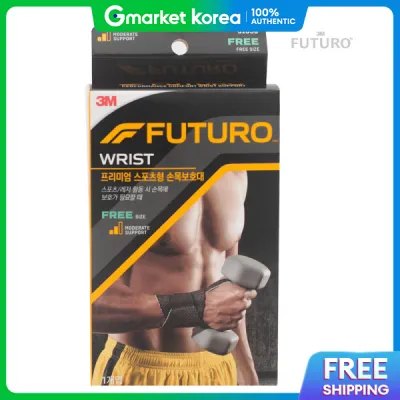
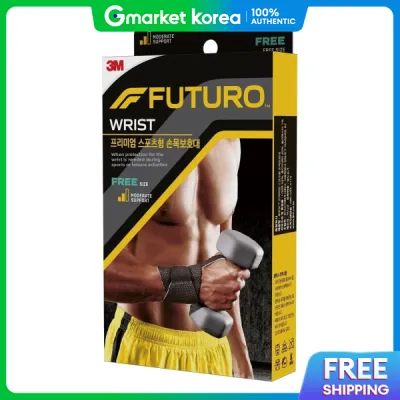
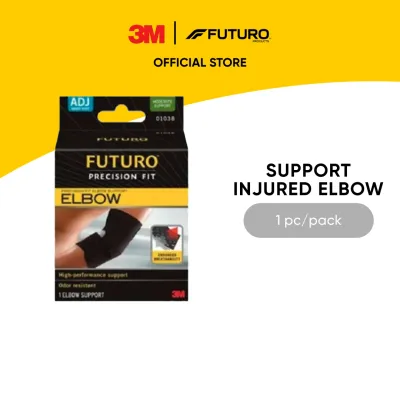
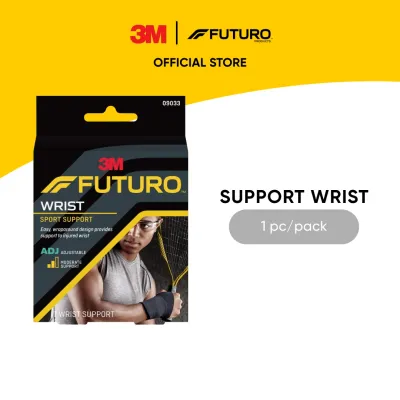
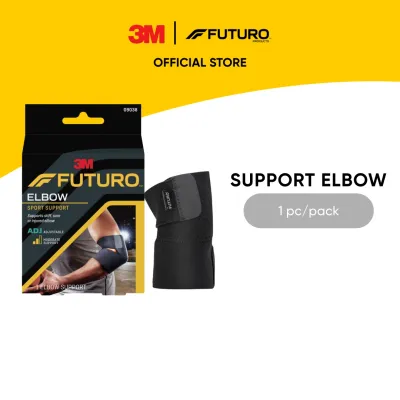
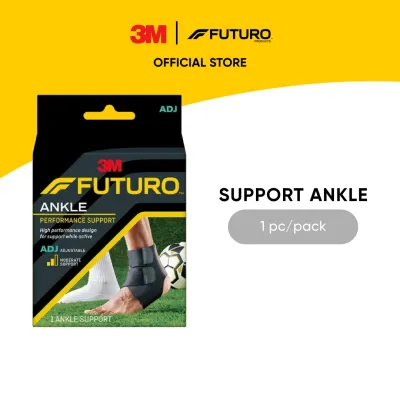
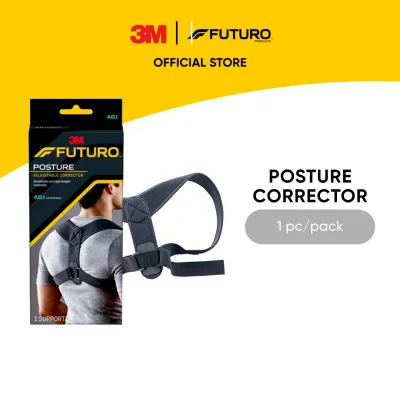
Prices are valid at publication and may change. Please refer to the product page for the latest price.
For acute, minor sprains and strains that do not exhibit these red flags, the standard first-aid protocol is the R.I.C.E. method: Rest, Ice, Compression, and Elevation. Rest the affected joint to prevent further strain. Apply ice wrapped in a thin towel for 15 to 20 minutes at a time to reduce swelling. Use a light compression wrap or a mild support brace to limit swelling, and elevate the limb above the level of your heart whenever possible during the first 48 hours. Once the acute swelling has stabilized and you begin returning to light daily activities, a structured support brace can be introduced to help stabilize the joint and prevent re-injury. Remember that while this guide is designed to assist you in selecting the appropriate product, it does not replace professional medical diagnosis, custom physical therapy, or a doctor’s prescribed treatment plan.
Identify Your Required Support Level
Orthopedic supports are categorized into distinct tiers based on the level of stabilization and restriction they provide to the joint. Futuro classifies its products into three primary categories: Mild (Compression), Moderate (Stabilizing), and Maximum (Rigid). Selecting the correct tier depends on your pain intensity, joint stability, and the specific demands of your daily routine.

Mild/Compression supports are the most flexible options available. These are typically constructed from lightweight, breathable knit fabrics or elastic sleeves. Their primary function is to provide gentle, even compression, which promotes blood circulation, delivers soothing warmth, and enhances proprioception—your body’s subconscious awareness of joint positioning. This level is best suited for managing minor aches, mild muscle fatigue, chronic conditions like mild osteoarthritis, or preventing stiffness during long hours of standing or walking. They offer minimal structural restriction, allowing for a full range of motion.
Moderate/Stabilizing supports introduce semi-flexible structural elements to assist the joint. These products often feature flexible steel coil stabilizers, adjustable compression straps, or targeted gel pads. They are ideal for managing mild-to-moderate sprains, strains, tendonitis, or general joint instability. If you are recovering from a minor ankle rollover or require extra reassurance during lateral movements in sports, a stabilizing brace provides the necessary physical boundary to prevent excessive joint deviation while still allowing you to perform active movements.
Maximum/Rigid supports are engineered to restrict specific movements to allow damaged tissues to heal without further stress. These braces incorporate rigid plastic or metal splints, hinges, or heavy-duty strapping systems. They are designed for severe joint instability, acute sprains, post-surgical rehabilitation, or chronic conditions that require immobilization. For example, a rigid wrist splint physically prevents the wrist from bending, protecting the median nerve during sleep or recovery from a severe strain.
To determine which tier you need, evaluate your current physical state. If your joint feels weak or “gives way” during normal movement, you require at least a Moderate or Maximum support. If you only experience a dull ache after a long day of activity, a Mild compression sleeve is likely sufficient. Always prioritize joint safety: when in doubt, consult a healthcare professional to verify if restricting movement is beneficial for your specific stage of recovery.
Match the Brace to Your Body Part and Activity
Selecting the right brace requires matching the anatomical design to both the affected body part and the physical environment in which you will use it. Different activities place unique mechanical stresses on your joints, necessitating specific support designs.
Knee and Ankle: Lower Body Stability
Lower-body joints bear your entire body weight and are highly susceptible to impact and rotational forces. For the knee, a simple compression sleeve is highly effective for linear activities like running, walking, or cycling, where the joint moves primarily in a single plane. These sleeves keep the joint warm and improve patellar tracking. However, if you participate in court sports such as badminton, tennis, or basketball—which involve sudden stops, pivots, and lateral movements—a sleeve is insufficient. In these scenarios, you need a moderate-to-maximum stabilizing brace featuring lateral stabilizers or dual-strap systems to protect the collateral ligaments from twisting forces.
For the ankle, minor weakness can be managed with a lightweight elastic wrap. However, if you have a history of ankle rolls or are hiking on uneven terrain, look for an ankle stirrup or a lace-up brace with rigid side stabilizers. These designs physically prevent lateral inversion (rolling inward) while still allowing the forward and backward flexion required for a natural walking stride.
Wrist, Thumb, and Elbow: Upper Body Control
Upper-body injuries are frequently caused by repetitive strain rather than high-impact trauma. For wrist pain, the choice between rigid and flexible support depends heavily on your daily tasks. If you are managing carpal tunnel syndrome or recovering from an acute wrist strain, a rigid wrist splint with a metal palmar stabilizer is essential. This keeps the wrist in a neutral position, reducing pressure on the nerves. However, a rigid splint is impractical for active tasks like typing, light gym work, or racquet sports. For these activities, a flexible, adjustable wrist wrap provides compression and mild support without locking the joint.
Repetitive thumb movements from smartphone use or gaming can lead to de Quervain’s tenosynovitis, often called “texting thumb.” Standard wrist braces do not isolate the thumb; instead, you require a specialized thumb spica brace. This design features a rigid stay that immobilizes the lower thumb joint while leaving the other fingers free to type or write. For elbow issues like tennis or golfer’s elbow, a targeted elbow strap with a pressure pad should be applied just below the painful area to absorb shock and relieve tension on the tendon attachments.
Back and Core: Posture and Lifting
Your lower back supports your entire upper body and acts as the pivot point for lifting. When selecting a back support, distinguish between heavy-duty occupational needs and daily posture correction. Heavy-duty lifting belts or wide lumbar supports with double-pull tension straps are designed for manual labor, heavy lifting, or acute lower back pain. They work by increasing intra-abdominal pressure, which helps stabilize the lumbar spine during physical exertion.
Conversely, if your back discomfort stems from prolonged sitting at an office desk, a lightweight, breathable posture corrector or a slim lumbar support is more appropriate. These products serve as physical cues to keep your shoulders back and spine aligned, preventing slouching. It is critical to remember that back braces are supportive aids; they should complement, not replace, core-strengthening exercises and proper ergonomic setups. Overusing a rigid back support during low-intensity tasks can lead to muscle dependency and eventual weakening of your core muscles.
Ensure the Right Fit and Comfort in Singapore's Climate
An improperly fitted brace can cause more harm than good, while material selection is vital for compliance, especially in tropical environments. To ensure the correct fit, do not rely on your standard clothing size. Orthopedic supports require precise measurements. For a knee brace, use a flexible tape measure to find the circumference of your leg at a specific distance above and below the kneecap, as directed by the manufacturer’s sizing chart. For a wrist brace, measure the circumference of your wrist at the narrowest point. If your measurement falls between two sizes, it is generally safer to choose the larger size to avoid restricting blood circulation, provided the straps can be tightened sufficiently.
Living in Singapore’s hot and humid climate presents unique challenges for brace wearers. Traditional neoprene supports, while excellent for heat retention and compression, can quickly trap sweat, leading to skin maceration, chafing, or heat rash (miliaria rubra). When selecting a support, prioritize breathable, moisture-wicking, and hypoallergenic materials. Look for products engineered with breathable knit fabrics, mesh panels, or neoprene-free materials that allow heat and sweat to escape during outdoor activities or daily commutes on public transport.
When purchasing a support from local pharmacies like Guardian or Watsons, or via reputable online marketplaces, always check the return and exchange policies. Because you cannot always try on a brace before buying, you must be able to exchange it if the fit is incorrect.
Once you apply the brace, monitor your body for signs of a poor fit. If you experience numbness, tingling, a “pins and needles” sensation, cold fingers or toes, or visible skin discoloration, the brace is too tight and is restricting your circulation. Additionally, if the brace slips down, rolls at the edges, or bunches up behind the joint during normal movement, it is either too large or improperly adjusted, which compromises its supportive benefits.
Frequently Asked Questions (FAQ)
Can I wear a support brace all day or while sleeping?
Unless explicitly prescribed by a medical professional—such as wearing a rigid wrist splint overnight to manage carpal tunnel symptoms—you should not wear an active support brace continuously or while sleeping. Prolonged use can lead to muscle atrophy, where your muscles rely on the brace for stability and weaken over time. It can also restrict healthy blood circulation during rest. Remove the brace during periods of inactivity and sleep to allow your tissues to breathe and recover naturally.
How tight should my compression or stabilizing brace be?
Your support brace should feel snug and secure, but never painfully tight. A practical way to test the tension is the two-finger rule: you should be able to comfortably slide two fingers under the edge or strap of the brace. If you feel throbbing, notice swelling above or below the brace, or experience coldness or numbness in your extremities, loosen the straps immediately. The goal is to provide supportive compression, not to cut off blood flow.
Community discussion
Share your experience or ask a question. Comments are reviewed before publication.