
Selecting the right exercise ball for hand training depends entirely on your physical goals, current hand health, and the specific daily demands you place on your fingers, wrists, and forearms. While these compact tools are highly effective, a soft foam ball meant for stress relief will not build the crushing grip strength needed for rock climbing, nor will a high-resistance grip ring be safe for someone recovering from acute carpal tunnel surgery. Matching the tool to your physiological needs is essential to achieve your desired results without causing accidental strain.
To make an informed choice, you must evaluate the resistance level, material durability, and ergonomic design of each tool. Understanding how these factors align with your personal goals—whether you are looking to build muscle, find a sensory outlet during a busy workday, or regain mobility after an injury—will guide you to the correct product.
Step 1: Diagnose Your Primary Hand Training Goal
Before purchasing any hand training equipment, you must identify what you want to accomplish. Using a high-resistance strength trainer when your hand needs gentle, low-impact rehabilitation can lead to tendon inflammation or joint strain. Conversely, using a soft sensory ball to build athletic grip strength will yield disappointing results because the mechanical load is insufficient to stimulate muscle growth.
Products mentioned in this guide
Prices are valid at publication and may change. Please refer to the product page for the latest price.
To determine your primary training goal, look for specific, observable physical signs in your daily life:
- Grip Strength Deficits: You struggle to open tight jar lids, experience hand fatigue when carrying heavy grocery bags back to your HDB flat, or find your fingers slipping during pull-ups, deadlifts, or racket sports.
- Stress and Tension Accumulation: You notice physical signs of stress during long office hours, such as jaw clenching, tight shoulders, restless fidgeting, or a constant urge to click your pen during virtual meetings.
- Rehabilitation Needs: You are dealing with persistent stiffness, joint pain from osteoarthritis, or are recovering from a recent sprain, fracture, tendon injury, or medical procedure.
While hand exercise tools are excellent for self-directed strength training and stress management, rehabilitation requires a different level of care. If you are recovering from an injury or managing a chronic medical condition, always consult a physiotherapist or orthopedic specialist before starting a hand exercise regimen. These tools should only be used as part of a medically supervised recovery plan.
Building Grip Strength: Resistance Balls and Rings
If your goal is to build forearm muscular endurance, improve finger dexterity, or increase your crushing grip strength for sports, you need tools designed for progressive resistance. High-resistance training balls and silicone grip rings are engineered specifically for muscle hypertrophy and tendon conditioning. These tools are ideal for healthy individuals looking to enhance their physical performance in activities like rock climbing, weightlifting, golf, or playing musical instruments.

Silicone grip rings and high-density rubber balls provide consistent, omnidirectional resistance. Unlike spring-loaded metal grippers that primarily train a crushing motion, round or egg-shaped resistance balls allow you to rotate the tool in your palm to target individual fingers or train your grip at different angles. This versatility helps build a more balanced, functional grip that supports the wrist and forearm muscles.
When choosing a strength-building tool, pay close attention to the resistance levels, which are typically color-coded by the manufacturer. Light resistance levels (often starting around 5 kg to 10 kg of crushing force) are excellent for high-repetition endurance training or warming up. Medium to heavy resistance levels (ranging from 15 kg to over 40 kg) are required to stimulate strength gains. Always check the product packaging or manufacturer specifications to verify the exact resistance metrics, as color-coding systems vary widely between brands.
To build strength safely without causing repetitive strain, prioritize proper form and controlled movements:
- Squeeze Slowly: Compress the ball or ring fully over a two-second count, hold the contraction for one second, and release slowly over another two seconds.
- Train Individual Fingers: Place the ball between your thumb and a single finger to perform targeted pinch-grip exercises.
- Avoid Overtraining: Limit intense strength sessions to three times per week, allowing your muscles and tendons adequate time to recover and adapt.
Because these tools exert significant pressure on the joints and connective tissues, they are not suitable for acute injury recovery or early-stage post-surgery rehabilitation. Using high-resistance rings too soon after an injury can worsen inflammation and delay healing.
Managing Stress: Squishy Stress Balls and Sensory Tools
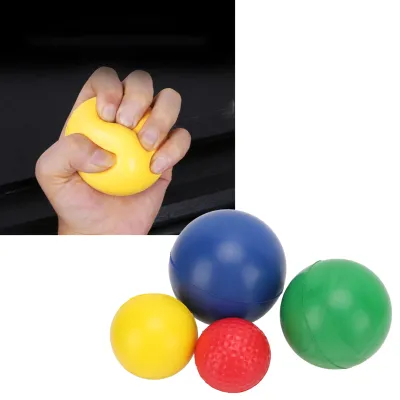
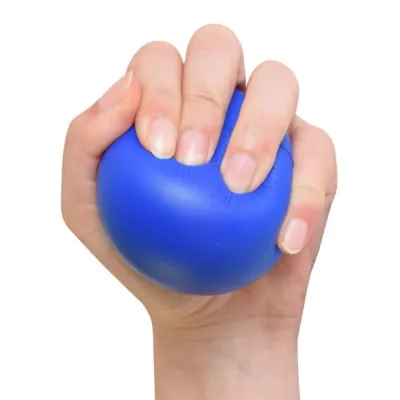
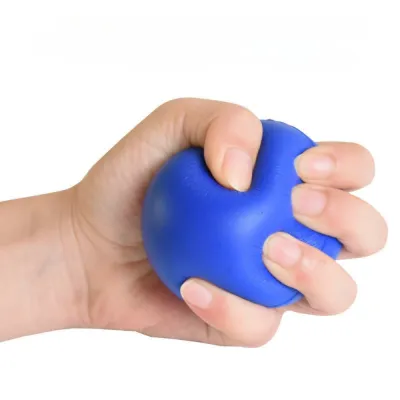
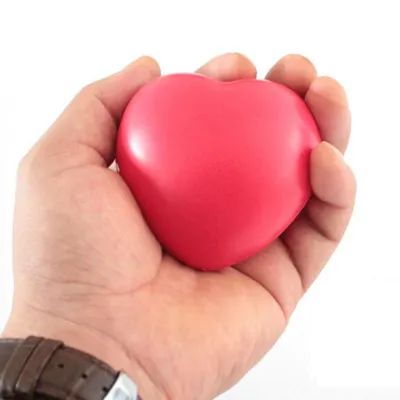
For those seeking mental grounding, tension release, or a quiet physical outlet during high-pressure workdays, traditional stress balls are the most effective choice. These tools are typically made from soft polyurethane foam, gel-filled fabrics, or highly pliable silicone. Rather than building muscle, they are designed to provide a satisfying, low-resistance tactile experience that helps manage daily anxiety and desk fatigue.
Squeezing a soft stress ball works through a simple physiological mechanism: rhythmic muscle contraction and release. When you squeeze the ball, you briefly tense the muscles of your hand and forearm; when you let go, those muscles relax deeply. This rhythmic movement promotes localized blood circulation, which helps relieve the physical stiffness caused by holding a computer mouse or typing for hours. Additionally, the physical sensation of squeezing provides a sensory grounding effect, helping to redirect nervous energy and improve focus during stressful tasks.
When selecting a stress relief tool, consider how texture, firmness, and shape affect your sensory preferences:
- Foam Balls: Lightweight and highly compressible, these provide a classic, slow-recovery squeeze that is highly satisfying for repetitive use.
- Gel-Filled Balls: Often wrapped in a smooth Lycra or nylon fabric, these offer a heavier, fluid-like resistance that conforms closely to the shape of your hand.
- Textured Silicone: Featuring small bumps or ridges, these provide additional tactile stimulation that can be highly grounding for individuals who prefer sensory feedback.
It is important to understand the physical limitations of these tools. Because they offer very low resistance, squishy stress balls will not build significant muscular strength or aid in structural hand rehabilitation. They are strictly designed for mental relaxation, light joint mobility, and temporary physical comfort.
Supporting Rehabilitation: Therapy Putty and Soft Balls
Recovering from a hand injury, managing arthritis, or regaining motor skills after surgery requires a gentle, highly customizable approach. For these scenarios, therapy putty and extra-soft, medical-grade silicone balls are the gold standard. These tools allow for low-impact joint mobilization and fine motor exercises without placing excessive, rigid stress on healing tissues.
Therapy putty is a unique silicone-based material available in various color-coded resistance levels, ranging from extra-soft (designed for early-stage recovery) to firm (for late-stage strengthening). Unlike pre-shaped balls, therapy putty is completely malleable. This allows you to perform a wide variety of exercises that target specific functional movements:
- Pinching: Pinch the putty between your thumb and individual fingers to rebuild the fine motor coordination needed for writing or holding utensils.
- Extension: Wrap a loop of putty around the outside of your fingers and push outward to train the extensor muscles, which are difficult to target with standard squeeze balls.
- Twisting and Rolling: Roll the putty into a cylinder using both palms to improve wrist mobility and bilateral coordination.
When using any tool for rehabilitation, you must follow a strict, professional protocol. Always consult your physiotherapist or doctor to determine the correct putty resistance, specific exercises, and daily repetition limits for your condition. Rehabilitation should never be a matter of guesswork.
During your exercises, monitor your body closely for any warning signs. If you experience sharp, stabbing pain, sudden joint swelling, or numbness radiating down your fingers, stop the activity immediately. These symptoms indicate that the resistance is too high or the movement is irritating your nerves or joints. Consult your healthcare provider before attempting to resume training.
Safety Rules, Maintenance, and When to Stop
To get the most out of your hand exercise routine and prevent accidental injury, you must establish safe training habits and maintain your equipment properly. Just like any other form of physical exercise, hand training requires a structured approach that prioritizes joint safety and material hygiene.
Before starting any hand resistance training, perform a brief warm-up to prepare your joints and connective tissues. Spend one to two minutes gently splaying your fingers wide, making loose fists, and rotating your wrists in clockwise and counter-clockwise circles. This simple routine increases local blood flow and joint lubrication, reducing the risk of tendon strain during your workout.
Proper maintenance of your tools is also essential, especially in warm, humid climates where sweat and environmental dust can quickly degrade materials. To keep your equipment clean and durable, follow these material-specific care guidelines:
- Silicone and TPR Tools: Wash these weekly with warm water and mild dish soap to remove sweat and skin oils. Allow them to air-dry completely before use.
- Therapy Putty: Always wash and dry your hands thoroughly before handling putty to prevent dirt and oils from contaminating the material. Keep the putty stored in its airtight plastic container in a cool, shaded spot away from direct sunlight.
- Foam Stress Balls: Avoid exposing foam balls to water or harsh cleaning chemicals, as this can cause the material to crumble or lose its elasticity. Wipe them gently with a dry or slightly damp microfiber cloth, and replace them once they begin to flake or lose their shape.
Always defer to the manufacturer’s specific care label for detailed cleaning instructions. Additionally, establish clear “stop” conditions for your training. If you experience sharp joint pain, clicking sounds accompanied by discomfort, persistent numbness, or skin irritation from the materials, cease using the tool immediately. Remember that commercial hand exercise balls are supplementary tools; they cannot replace formal medical treatment, professional physical therapy, or a comprehensive ergonomic assessment of your workspace.
Frequently Asked Questions (FAQ)
Can squeezing a stress ball cure carpal tunnel syndrome?
No, squeezing a stress ball cannot cure carpal tunnel syndrome, and in many cases, repetitive squeezing can actually worsen the condition. Carpal tunnel syndrome is caused by the compression of the median nerve as it passes through the narrow carpal tunnel in your wrist. Repetitive gripping and squeezing motions increase the pressure within this tunnel and can further irritate the inflamed tendons surrounding the nerve. If you suspect you have carpal tunnel syndrome, seek a professional medical diagnosis. A doctor or hand therapist can prescribe targeted nerve-gliding exercises, ergonomic adjustments, or wrist splinting to address the root cause of the nerve compression.
How often should I use a hand exercise ball for grip strength?
To build grip strength effectively, you should treat your hand and forearm muscles like any other muscle group in your body. They require adequate rest and recovery to grow stronger. If you are using a high-resistance ball or grip ring, aim for two to three targeted strength sessions per week, allowing at least 48 hours of rest between sessions. Avoid the temptation to squeeze a high-resistance tool mindlessly throughout the day, as overtraining can lead to tendonitis or chronic joint fatigue. Always listen to your body, monitor for signs of persistent soreness, and adjust your training frequency based on your recovery rate and the manufacturer’s or trainer’s recommendations.
Is therapy putty safe for children with fine motor delays?
Therapy putty is highly beneficial and commonly used in pediatric occupational therapy to help children develop fine motor skills, hand strength, and finger coordination. However, it should only be used under the guidance of a qualified pediatric therapist who can recommend the appropriate resistance level and specific exercises. When choosing therapy putty for children, ensure you select non-toxic, gluten-free, and unscented materials. Always supervise children during use to prevent them from putting the putty in their mouths, which poses a serious choking hazard, and to ensure they are using the correct physical techniques to avoid hand fatigue.
Community discussion
Share your experience or ask a question. Comments are reviewed before publication.