
Selecting your first tennis backpack is a milestone that transitions you from a casual hitter to a committed player. For most beginners, the ideal Head tennis backpack is one that balances compact portability with dedicated compartments for one or two rackets, a pair of court shoes, and essential personal items. Instead of buying the largest bag available, your choice should align with how you travel to the court, the climate you play in, and your immediate gear requirements.
Quick Guide to Choosing Your First Head Tennis Backpack
To make an efficient decision, you can categorize your needs into three primary profiles. Each profile matches a specific style of Head backpack designed to optimize your court-side experience.
- The Public Transport Commuter: If you travel to courts via the MRT or bus, a compact backpack holding one to two rackets with a dedicated shoe compartment is ideal. This setup keeps your hands free and prevents your bag from crowding public spaces.
- The Weekly Lesson Taker: If you are taking regular coaching sessions, you will likely carry extra training aids, multiple cans of balls, and a change of apparel. A medium-capacity backpack with enhanced organizational pockets fits this routine.
- The Multi-Sport or Family Player: If you share gear with a partner or transition directly from work to the court, a larger backpack with separate laptop and sports compartments offers the versatility you need.
By identifying which profile matches your daily routine, you can narrow down the Head product lineup to the specific capacity and feature set that will serve you best.
Products mentioned in this guide
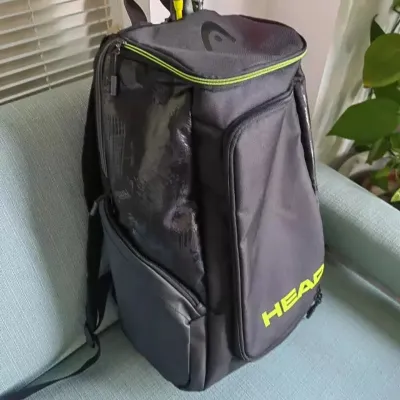
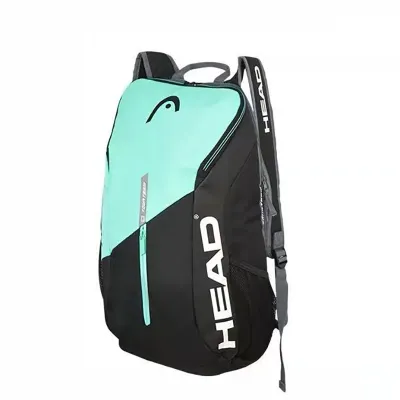
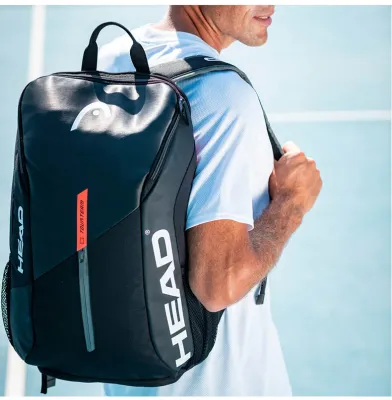
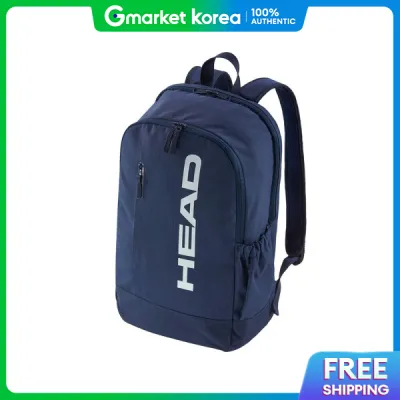
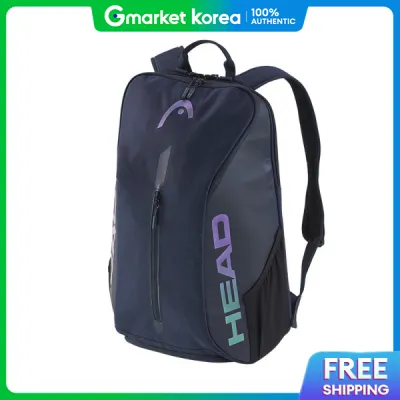
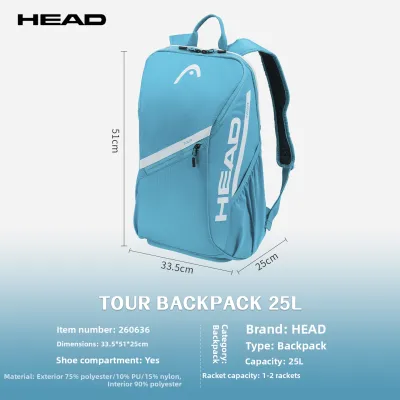
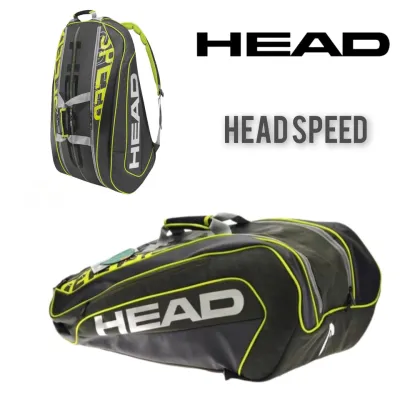
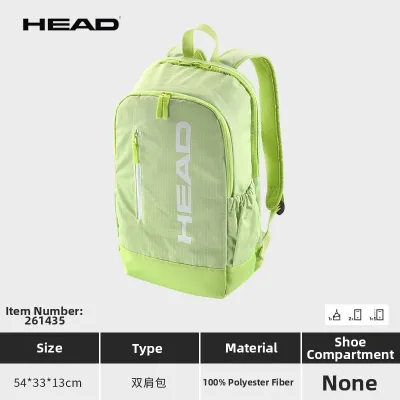
Prices are valid at publication and may change. Please refer to the product page for the latest price.
Assessing Your Gear and Carry Requirements
Before looking at specific designs, it is essential to inventory what you will actually carry to the court. Beginners often underestimate the volume of accessories required for a standard hitting session, leading to overstuffed bags that wear out prematurely.

Your racket is the most critical item to plan for. While you might start your tennis journey with a single racket, most players quickly acquire a second frame as a backup in case strings break during a session. A suitable backpack should comfortably hold at least two rackets without forcing the frames to rub against each other, which can scratch the paint or damage the grommets.
Beyond the rackets, tennis accessories require dedicated, accessible spaces. You will need room for several cans of tennis balls, replacement overgrips, vibration dampeners, and a high-capacity water bottle to stay hydrated during intense sessions. Additionally, playing in warm climates means you will want space to pack a fresh towel and a clean change of clothes for after your match.
Footwear storage is another non-negotiable consideration for active players. Tennis shoes collect court dust, grit, and sweat, making them highly unsuitable for mixing with your clean apparel or spare grips. A dedicated, ventilated shoe compartment—ideally accessed from the bottom or side of the backpack—keeps dirty soles isolated and allows moisture to escape, preventing unpleasant odors from building up inside the main compartment.
Matching Head Backpack Capacities to Your Routine
Head designs its tennis backpack range across several capacity tiers to accommodate different playing frequencies and lifestyles. Understanding these tiers helps you avoid the common mistake of buying a bag that is either too restrictive or unnecessarily bulky.
Small-capacity backpacks, typically designed to hold up to three rackets, are the most popular choice for beginners. These bags function much like standard daypacks but feature a specialized rear compartment with locking zippers to keep racket handles secure. They are lightweight, easy to carry on a bicycle or public transport, and provide just enough space for your essential gear, making them perfect for casual weekly hits.
Medium-capacity options, which can accommodate four to six rackets in total or a mix of fewer rackets and more gear, are highly suitable for dedicated learners. If you are investing in regular private lessons or group clinics, these bags allow you to carry training notebooks, extra apparel, and recovery tools like foam rollers or massage balls. The additional volume ensures you do not have to squeeze your gear in, preserving the shape of both the bag and your accessories.
Large-capacity backpacks, designed for seven or more rackets, are generally structured as hybrid duffel-backpacks. While this tier is often associated with advanced tournament players, a beginner might choose this size if they act as the primary gear carrier for a family or a group of friends. These bags are also beneficial if you travel long distances for matches and need to pack extensive weather protection, multiple changes of footwear, and nutritional supplies.
Essential Features to Verify on the Product Label
When browsing Head’s collection online or in a local pro shop, reading the product specifications carefully will help you identify high-performing designs. Look for specific structural features that directly impact the longevity of your gear and your personal comfort.
Racket protection should be your top priority. Look for labels indicating padded racket compartments that cushion the frames against accidental drops or bumps during transit. In tropical regions characterized by high heat and humidity, verifying the presence of a thermal lining is highly advantageous. This specialized material helps shield your rackets from extreme temperature fluctuations, which can otherwise cause your strings to lose tension rapidly or warp the frame over time.
Organization and separation features keep your bag functional during a hectic day. Check the product description for internal mesh pockets, secure key clips, and dedicated media pockets for your phone and wallet. A wet/dry separation pocket is another excellent feature to verify, as it allows you to isolate damp towels or sweat-soaked shirts from your dry gear until you get home to wash them.
Comfort and ergonomics determine how pleasant the backpack is to carry when fully loaded. Look for thick, adjustable shoulder straps with breathable mesh padding to distribute weight evenly across your shoulders. An adjustable chest strap can help stabilize the load during longer walks, while a ventilated back panel with air-mesh channels encourages airflow, keeping your back cool and dry during warm commutes.
Pre-Purchase Checks and In-Store Verification
If you have the opportunity to visit a physical sporting goods store or an official brand outlet, performing a few hands-on checks can save you from post-purchase regret. Testing the physical build quality ensures the backpack can withstand the rigors of regular court use.
Begin by testing the weight distribution of the backpack. If possible, place a couple of rackets and a water bottle inside the bag to see how it sits on your back. Pay attention to whether the shoulder straps dig into your neck or if the bag sags uncomfortably low. The racket handles should point upward and slightly outward, clear of your head, so they do not obstruct your movement or bump against your helmet if you ride a bicycle.
Next, inspect the hardware and materials closely. Run the zippers back and forth several times to verify they glide smoothly without catching on the fabric lining. Look for heavy-duty zipper pulls that are easy to grip, as these are often the first components to fail under pressure. Examine the base of the backpack; it should feature a thicker, water-resistant, or reinforced material to protect your gear when you set the bag down on wet court surfaces or dusty benches.
Finally, clarify the warranty and return policies before completing your purchase. Whether you are buying from a local retail store or an authorized online marketplace, ensure you receive a valid receipt and understand the coverage for manufacturing defects, such as split seams or broken zippers. Purchasing from official channels guarantees you receive an authentic Head product backed by reliable customer support.
Frequently Asked Questions (FAQ)
Do I need a thermal-lined compartment for my beginner rackets?
While professional players rely heavily on thermal lining to protect high-tension strings, it is not an absolute necessity for every beginner. However, if you live in a hot, humid climate and frequently leave your bag in the trunk of a car or travel long distances under the sun, a thermal-lined compartment is highly recommended. Extreme heat can cause synthetic strings to stretch and lose their playability, making your shots harder to control. If your budget allows, choosing a Head backpack with this feature provides excellent peace of mind and extends the lifespan of your string jobs.
Can I use a regular school or hiking backpack instead of a tennis-specific one?
You can temporarily use a standard backpack for your first few trips to the court, but you will quickly encounter practical limitations. Standard backpacks lack the specialized angled compartments and locking zippers required to keep tennis rackets stable, often causing the handles to swing wildly or slip out entirely. Furthermore, generic bags rarely feature ventilated compartments to isolate dirty, sweaty court shoes from your clean clothes and electronics. Investing in a dedicated tennis backpack protects your equipment, keeps your gear organized, and ensures a much more comfortable commute to the courts.
Community discussion
Share your experience or ask a question. Comments are reviewed before publication.