
Choosing your first Head tennis racket depends on matching your physical strength, swing speed, and comfort needs to the racket’s weight, head size, and balance. Head offers several distinct racket families designed for different player profiles, meaning there is no single “best” beginner racket. Instead, the right choice is one that assists your current physical capabilities, prevents arm strain, and allows you to develop consistent stroke mechanics on the court.
Assess Your Physical Profile and Playing Style
Before looking at specific racket models, evaluate your physical strength and natural arm speed. A racket that is too heavy for your current conditioning will quickly fatigue your shoulder and wrist, leading to dropped form and potential injury. Conversely, a frame that is too light might fail to absorb the shock of the ball, transferring that impact directly into your joints.
Consider your swing style and where you feel most comfortable on the court. Beginners with shorter, slower swings generally benefit from a racket designed to provide power assistance, which helps push the ball deep into the opponent’s court with minimal effort. If you already possess a naturally fast, long swing, you may want to prioritize a frame that emphasizes control to keep your shots from flying out of bounds.
Products mentioned in this guide
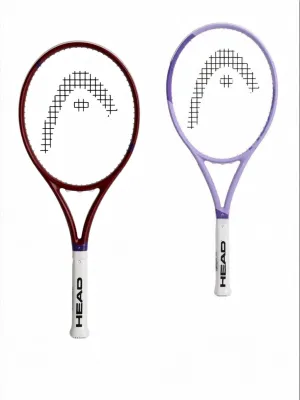
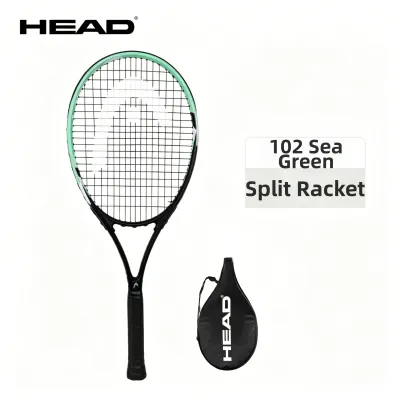
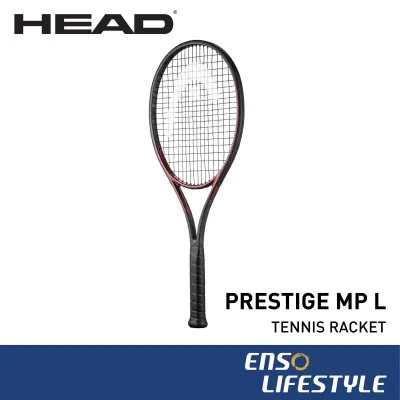




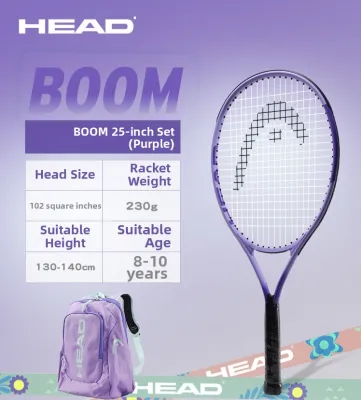
Prices are valid at publication and may change. Please refer to the product page for the latest price.
Pay close attention to any pre-existing physical limitations, such as joint sensitivity or a history of tennis elbow. Selecting an arm-friendly frame with a flexible construction and a larger sweet spot can mitigate the harsh vibrations of off-center hits. Prioritizing comfort early in your tennis journey ensures you can practice consistently without being sidelined by preventable muscle strain.
Match Your Profile to Head Racket Families and Specs
Head categorizes its rackets into distinct families, each engineered with a specific performance philosophy. For instance, the Instinct and Extreme lines are often noted for their power and spin potential, making them popular starting points for players seeking extra depth. The Speed and Radical lines offer a balance of control and maneuverability, while the Gravity line focuses on a massive sweet spot and a softer feel. Rather than declaring one family superior, you must match these design intents to your physical profile.

When examining a racket, check the technical specifications printed on the inside of the frame. Look for an oversized head (typically 100 square inches or larger) to provide a forgiving hitting surface. Verify the strung weight, aiming for a lighter range (generally between 260 and 285 grams for most beginners) to maintain maneuverability, and check the balance point to ensure the racket does not feel excessively head-heavy during your swing.
Selecting the correct grip size is critical for preventing wrist fatigue and maintaining control over the racket face. A grip that is too small forces you to squeeze the handle too tightly, while a grip that is too large limits your wrist snap. To measure your size, hold the racket in an Eastern grip (palm flat against the same bevel as the string face) and check if you can fit the index finger of your opposite hand comfortably in the space between your ring finger and palm.
Build Your Pre-Purchase Selection Checklist
Create a checklist to verify that any racket you consider aligns with your physical assessment. Confirm that the frame’s weight, head size, and balance match your target specifications before making a purchase. If you are shopping online or at a local pro shop, read the manufacturer’s detailed specification sheet rather than relying solely on marketing descriptions.
Budgeting for your first racket involves more than just the cost of the frame itself. You should allocate a portion of your budget for essential accessories, such as high-quality strings, replacement grips, and vibration dampeners. In Singapore, a quality beginner setup might range from S$150 to S$300, so planning for these additional components ensures you do not compromise on playability.
Avoid common beginner purchasing mistakes, such as buying a racket simply because a professional player endorses it. Highly advanced player frames are often excessively heavy, stiff, and feature small head sizes that require precise timing to use effectively. Steer clear of any racket that feels cumbersome during a dry swing or has a grip size that cannot be adjusted with a simple overgrip.
Playtest and Fine-Tune Your Racket Setup
If possible, demo a few rackets on the court to evaluate how they perform under real playing conditions. Pay attention to how stable the frame feels when contacting the ball, how easily you can maneuver it at the net for volleys, and whether your arm feels comfortable after twenty minutes of continuous hitting. A suitable racket should feel like a natural extension of your arm rather than a heavy tool you must fight against.
Establish clear stop conditions during your playtest to protect your physical health. If you experience persistent pain in your elbow, wrist, or shoulder, stop playing immediately and re-evaluate the racket’s weight or stiffness. Similarly, if you find yourself consistently hitting short or completely losing control of your shot depth despite adjusting your swing, the racket setup is likely a poor match for your current skill level.
Once you select a frame, you can fine-tune its performance using low-cost adjustments rather than buying a new racket. Experimenting with different string types and lowering the string tension can soften the feel and increase power. Additionally, wrapping a thin overgrip around the handle can slightly customize the grip size and improve sweat absorption during humid playing sessions.
Frequently Asked Questions (FAQ)
Should a beginner buy a pre-strung or unstrung Head racket?
Pre-strung rackets offer immediate convenience and cost savings, making them excellent for absolute beginners who are still developing basic stroke mechanics. However, as your swing becomes more consistent, transitioning to an unstrung frame allows you to choose specific strings and tensions that complement your playing style.
How often should a beginner restring their tennis racket?
A practical rule of thumb is to restring your racket as many times per year as you play per week, with a minimum of twice a year to account for natural tension loss. You should also restring immediately if you notice visible fraying, a dead sound upon impact, or a sudden loss of control and depth in your shots.
Community discussion
Share your experience or ask a question. Comments are reviewed before publication.