
Choosing the right Heroclip model depends on matching the accessory’s size and weight capacity to your specific gear load and attachment points. While these versatile hybrid gear clips excel at keeping backpacks, water bottles, and climbing shoes off wet or dusty ground, selecting the correct variant requires evaluating your activity’s physical demands and verifying the manufacturer’s specifications. Whether you are navigating a muddy trail or organizing gear at a local climbing gym, understanding how to deploy these tools safely ensures your equipment remains secure and accessible.
Using the wrong size can lead to dropped gear, damaged equipment, or unnecessary clutter on your pack. Because outdoor environments present unpredictable challenges like wind, rain, and uneven terrain, relying on a systematic approach to gear organization is always better than guessing. By analyzing your carrying methods and the physical limits of your gear, you can select a clip configuration that enhances your efficiency without compromising safety.
Understanding Heroclip Sizes and Outdoor Safety Boundaries
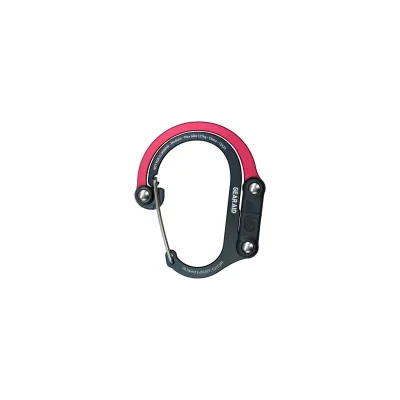
The Heroclip family is designed around a hybrid carabiner-and-hook system, available in several distinct sizes including the standard, medium, small, mini, and nano variations. Each model features a gate-closed carabiner base paired with a rotating, folding hook that nests securely around the frame when not in use. The primary differences among these models lie in their physical dimensions, hook clearance, and overall weight. Larger models provide a wider hook opening that can hang over thick branches, railings, or table edges, whereas the smaller models prioritize a compact, lightweight footprint that fits easily into tight webbing loops.
Products mentioned in this guide
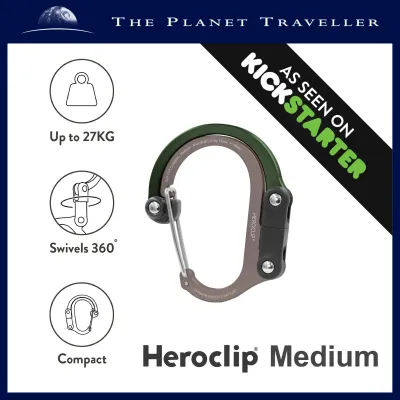
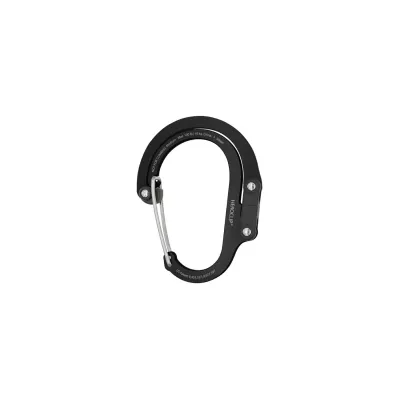
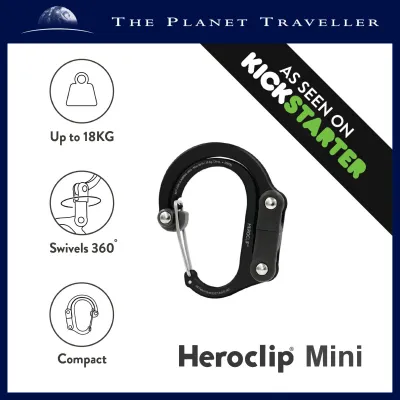
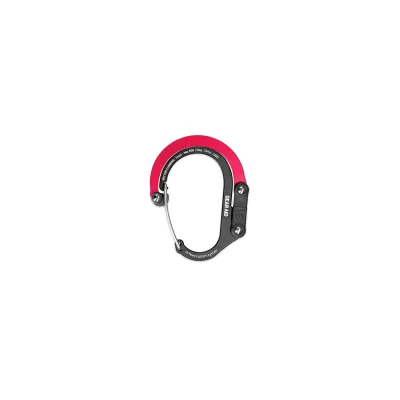
Prices are valid at publication and may change. Please refer to the product page for the latest price.
Because load capacities and material specifications can vary based on the production run, model generation, or specific materials used, you must verify the manufacturer’s stated weight capacity on the product packaging or official label before use. Never estimate or assume a clip’s load limit based solely on its physical size. Overloading an accessory clip can cause the gate to deform, the rotating joint to fail, or the hook to slip, potentially damaging your valuable outdoor gear.
Establishing a strict safety boundary is critical when using these accessories in any outdoor environment. A Heroclip is designed exclusively as an accessory hanger for gear management and organization. It is not Personal Protective Equipment (PPE), is not certified under climbing safety standards, and must never be used to support human weight, secure a person, or serve as a climbing anchor. In high-risk sports like rock climbing and bouldering, equipment cannot replace proper training, sound judgment, and certified safety gear. Keep your accessory clips physically separated from your load-bearing climbing carabiners to prevent any dangerous confusion during a climb.
Matching Heroclip Models to Trail Hiking Needs
On the trail, managing your pack weight and keeping essential items accessible are key to a comfortable hiking experience. For lightweight trail needs, such as suspending an empty water bottle, securing a camp cup, or hanging wet clothing to dry on the outside of your pack, smaller clip models are highly efficient. These compact variants add minimal weight to your load while keeping small items from bouncing around or getting lost in your pack’s main compartment.

When dealing with heavier or bulkier hiking gear, such as full hydration bladders, bundled trekking poles, or a packed multi-day backpack, you will need to transition to a larger clip model. A larger hook clearance is necessary to loop over thick tree branches, picnic tables, or trail shelters when you stop to rest. Before setting out, check the physical compatibility of the clip’s hook with your backpack’s attachment points, such as standard webbing, daisy chains, and shoulder straps. If the hook is too small for the webbing, it will not sit securely, increasing the likelihood of your gear falling when you move.
Environmental factors on the trail also dictate how you should secure your gear. Wind, thick brush, and constant body movement can cause suspended items to sway and snag on trailside vegetation. To mitigate this, assess the tension of the clip’s folding mechanism and the grip of its rubberized tip. The rubberized tip is designed to provide friction against flat or rounded surfaces, but it requires a stable, balanced load to prevent slipping. If you are navigating dense brush or steep terrain, it is often safer to store heavy or loose items inside your pack rather than hanging them externally, regardless of the clip size you use.
Choosing the Right Heroclip for Climbing and Bouldering
Climbing and bouldering require meticulous gear organization, whether you are projecting a route at an outdoor crag or training at an indoor gym. For lightweight climbing accessories, such as chalk bags, climbing brushes, and tape rolls, the smallest clip sizes are ideal. They keep these essential items easily accessible on your harness or gear sling without adding bulk or interfering with your movement.
For heavier and bulkier climbing gear, such as approach shoes, climbing helmets, and rope tarps, larger clip models are more appropriate. Hanging your approach shoes by their heel loops or securing your helmet by its chin strap requires a hook with sufficient clearance to hang from gym fences, tree roots, or crag-side structures. Always verify that the combined weight of these items does not exceed the limit specified on your clip’s packaging, especially when hanging multiple items from a single point.
When organizing your gear, identify secure, non-load-bearing attachment points on your equipment. Safe locations include backpack daisy chains, external gear slings, or designated accessory loops on your harness. Never attach accessory clips to load-bearing gear loops if there is any risk of confusing them with your primary climbing protection. Maintaining a clear visual and physical distinction between your utility clips and your certified climbing carabiners is a fundamental safety practice that prevents accidental cross-use in high-stress situations.
Remember that high-risk sports demand strict adherence to safety protocols. Under no circumstances should an accessory clip be integrated into any life-safety system, belay setup, or protection anchor. If you are climbing in wet, icy, or extremely windy conditions, the grip of the rubberized hook tip may be compromised, increasing the risk of gear slipping off crag ledges. In these environments, prioritize storing critical gear in secure, zippered pockets or closed bags rather than relying on external hangers.
Cross-Activity Compatibility and Pre-Use Inspections
For outdoor enthusiasts who transition between hiking and climbing, deciding whether to carry a single versatile clip or multiple specialized sizes involves balancing weight against convenience. A single mid-sized clip often serves as a practical compromise, offering enough hook clearance to hang a backpack while remaining compact enough to secure smaller accessories. However, if your activities demand precise weight distribution—such as ultralight backpacking or technical sport climbing—investing in a few specialized sizes tailored to specific gear loads is often the more efficient choice.
Before heading into the field, always perform a thorough pre-use inspection of your gear clips to ensure they are in safe working condition. Start by testing the rotating joint; it should spin smoothly through its full range of motion without grinding, sticking, or showing signs of grit accumulation. Next, inspect the rubberized hook tip for signs of wear, cracking, or material degradation. A worn or peeling rubber tip significantly reduces the clip’s grip, making it prone to slipping off smooth surfaces like metal railings or tree branches.
Establish clear replacement criteria to avoid equipment failure during your trips. Inspect the gate tension and the small folding mechanisms for any signs of metal fatigue, hairline cracks, or loose pins. If the gate does not snap shut instantly or if the hook fails to hold its folded position, the clip should be retired from outdoor use. Regularly check any elastic or rubber retention components for fraying or loss of tension, and replace the accessory immediately if you detect any structural compromises.
Frequently Asked Questions (FAQ)
Can I use a Heroclip to hang my climbing rope directly on a tree branch?
Hanging a heavy climbing rope directly from a tree branch using an accessory clip is not recommended. Tree branches can be deceptively fragile, and the concentrated weight of a dynamic climbing rope can cause the branch to break, potentially damaging the tree or dropping your rope into the dirt. Additionally, suspending a heavy rope from a high point increases the risk of it snagging on rough bark or collecting sap and debris. Instead, use a dedicated rope tarp or ground sheet spread flat on the ground to keep your rope clean, dry, and protected from abrasive dirt and moisture.
How do I clean a Heroclip after a dusty bouldering or hiking trip?
To clean your gear clip after exposure to trail mud, dust, or climbing chalk, rinse it gently under clean, lukewarm water. Use a soft-bristled brush, such as an old toothbrush, to carefully clear away debris from the rotating joint, gate hinge, and textured surfaces. Avoid using harsh chemical solvents, abrasive detergents, or alcohol-based cleaners, as these substances can degrade the rubberized hook tip and weaken the synthetic components over time. Allow the clip to air dry completely in a well-ventilated area before folding it and storing it with your gear.
Community discussion
Share your experience or ask a question. Comments are reviewed before publication.