
Selecting the right badminton shuttlecock is a balancing act between flight performance, durability, and cost. For players navigating the diverse lineup of Kawasaki shuttlecocks, the ideal choice depends heavily on your skill level, where you play, and how often you are willing to replace a damaged shuttle. While beginners benefit from the rugged durability of synthetic nylon options, advanced players typically require the precise flight path and tactile feedback of natural feather models. By matching your specific playing style to the correct material and speed rating, you can optimize your on-court performance and get the most value out of every tube.
Assessing Your Skill Level and Court Conditions
Before looking at specific shuttlecock models, you must accurately identify your playing frequency, skill tier, and typical environment. Badminton players generally fall into three categories: casual or recreational players, regular club players, and competitive tournament players. Each group has vastly different requirements when it comes to shuttlecock flight characteristics and durability.
Casual and recreational players often prioritize longevity and cost-effectiveness. At this level, mishits are common, and hitting the feathers instead of the cork can instantly ruin a natural feather shuttlecock. If you are playing leisurely games with family or friends, a durable option that can withstand repeated off-center hits is highly desirable.
Products mentioned in this guide
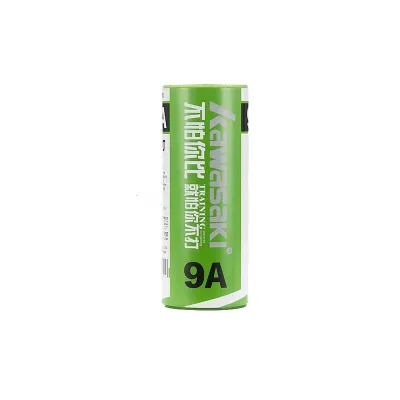
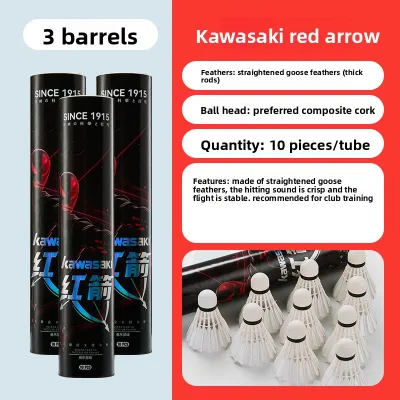
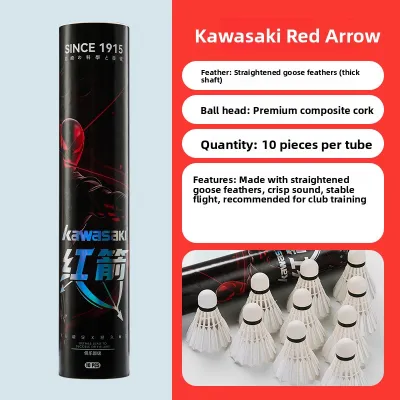
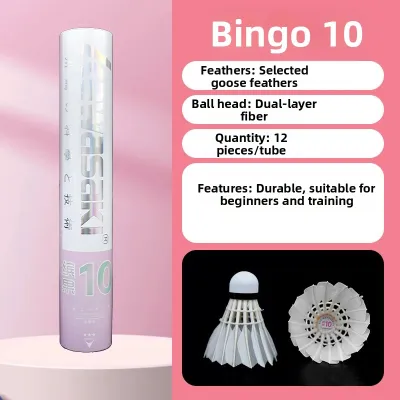
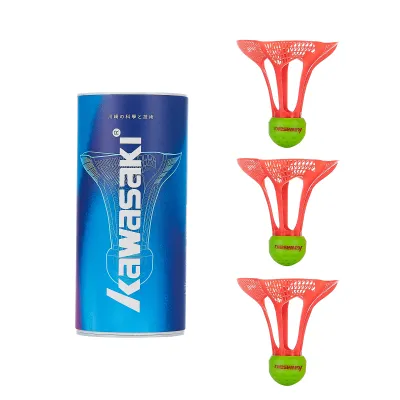
Prices are valid at publication and may change. Please refer to the product page for the latest price.
Regular club players who gather multiple times a week require a balance of authentic flight consistency and reasonable lifespan. At this intermediate stage, players have developed cleaner hitting techniques, meaning shuttlecocks are more likely to wear out from natural degradation rather than sudden structural damage from mishits. For these sessions, intermediate-grade feather shuttlecocks provide the necessary control for slices, drops, and net play without becoming a massive financial burden.
Competitive and tournament players demand uncompromising flight precision, speed consistency, and tactile feedback. At this level, even a minor wobble in the air can disrupt a delicate net shot or a high-speed smash. These players require premium-grade shuttlecocks that maintain a true trajectory, even if it means replacing the shuttlecock multiple times during a single match.
Your playing environment also dictates your choice. Natural feather shuttlecocks are highly sensitive to air currents and are designed strictly for indoor courts. Drafty community centers or outdoor spaces will quickly render feather shuttlecocks unusable, as wind easily disrupts their delicate flight paths. For outdoor play or highly ventilated halls, synthetic nylon shuttlecocks are the practical choice.
Finally, consider your personal tolerance for replacement frequency versus upfront cost. While a tube of premium feather shuttlecocks offers an unmatched playing experience, the cost per game can escalate quickly if you go through multiple shuttles per session. Balancing your budget against your performance expectations is key to finding a sustainable option.
Decoding Kawasaki Shuttlecock Specifications and Labels
Understanding how to read manufacturer packaging and specifications is essential for selecting the right Kawasaki shuttlecock. Without relying on vague marketing terms, you can determine a shuttlecock’s performance traits by examining its material composition, speed rating, and structural components.

Kawasaki packages its shuttlecocks with clear indicators of material composition. You will typically find options labeled as goose feather, duck feather, or synthetic nylon. Goose feathers are premium options, known for thicker fibers and stronger shafts that offer superior flight stability and durability. Duck feathers are slightly thinner and more brittle, making them a cost-effective alternative for everyday practice. Synthetic nylon options mimic the shape of a feather shuttlecock but are molded from durable plastics.
Speed ratings are another critical specification found on the tube, usually indicated by numbers like 76, 77, or 78. These numbers correspond to the weight and flight distance of the shuttlecock under specific environmental conditions. In Singapore’s warm and humid tropical climate, the air is less dense, which naturally causes shuttlecocks to fly faster and farther. Consequently, a slower speed rating like 76 or 77 is typically preferred for local indoor halls to prevent the shuttlecock from constantly flying out of bounds. In cooler, air-conditioned sports halls, the air is denser, meaning a speed 77 or 78 may be required to achieve a natural flight length.
To evaluate durability and flight stability before hitting the court, look at the cork and feather grade indicators on the packaging. The cork base is the point of contact for your racket and heavily influences the feel of your shots. Natural cork, harvested in solid pieces, offers the most consistent rebound and tactile feedback but is found primarily in high-end models. Composite or sandwich cork utilizes a mix of natural cork and synthetic foam or fiberboard, offering a balanced feel at a lower price point. Synthetic or EVA foam corks are highly durable and waterproof, making them ideal for recreational nylon shuttlecocks but less responsive for advanced play.
Feather grade indicators on Kawasaki tubes often refer to the cut and alignment of the feathers. Premium models use fully rounded, aerodynamically symmetrical feathers that ensure a smooth spin and stable deceleration. Lower-grade options may use pointed or slightly asymmetrical feathers, which are more economical but can result in a less predictable flight path.
Matching Shuttlecock Materials to Your Player Profile
To simplify your decision, you can use a conditional framework to match Kawasaki’s material offerings directly to your player profile and budget.
Choose synthetic or nylon shuttlecocks if you are a beginner, play outdoors, or prioritize maximum durability. Nylon shuttlecocks can survive hundreds of heavy mishits, scraping against the floor, and windy conditions without losing their shape. While they do not offer the crisp feel or rapid deceleration of natural feathers, they are incredibly cost-effective and allow beginners to focus on developing hand-eye coordination and basic footwork without worrying about equipment costs.
Choose standard duck feather shuttlecocks if you are an intermediate club player seeking a balance of authentic flight consistency and reasonable lifespan. Duck feather models provide the classic sound, spin, and flight trajectory required for proper badminton training. They allow you to practice advanced techniques like slice drops and net spins with realistic feedback, making them the ideal choice for regular social sessions and club training where players have consistent contact but still want to manage expenses.
Choose premium goose feather shuttlecocks if you are an advanced or competitive player demanding precise flight trajectories and tournament-level feel. The structural integrity of high-grade goose feathers ensures that the shuttlecock retains its aerodynamic shape even after high-speed smashes. This consistency is vital for players who rely on precise court placement and subtle touch at the net, where any deviation in flight path can mean the difference between a winning shot and an error.
Be aware that no single shuttlecock can deliver tournament-grade flight feel while surviving months of heavy beginner mishits. If you expect a premium feather shuttlecock to last through hours of off-center hits, you will likely be disappointed by the rapid destruction of the feathers. You must accept a compromise: choose nylon for ultimate durability, or accept the recurring cost of natural feathers for superior performance.
Always verify official certifications rather than relying solely on product titles or online descriptions. If you are purchasing shuttlecocks for official tournament play, check the packaging physically for the official Badminton World Federation (BWF) approval logo. This certification guarantees that the model has passed strict quality control tests for weight, flight trajectory, and speed consistency.
Pre-Purchase Inspection and Maintenance Checklist
To ensure you get the best performance and lifespan from your Kawasaki shuttlecocks, perform a quick visual inspection upon purchase and follow proper storage and maintenance practices.
When opening a new tube of feather shuttlecocks, perform these quick visual checks:
- Feather Alignment: Ensure all feathers are overlapping in a uniform, clockwise direction without any gaps or bent tips.
- Glue Integrity: Check that the double line of thread binding the feathers is securely glued and free of loose threads or excess adhesive clumps.
- Cork Shape: Verify that the cork base is perfectly round and securely attached to the feather skirt without any visible gaps or misalignment.
Proper storage is crucial for maintaining feather flexibility, especially in climates with varying humidity. In air-conditioned rooms, the air can become dry, causing natural feathers to lose their moisture, become brittle, and snap easily on impact. Store your shuttlecock tubes vertically with the cork side facing down to prevent unnecessary pressure on the feathers. Keep them in a cool, shaded area away from direct sunlight or extreme heat sources, which can dry out the glue and cork.
During play, monitor the shuttlecock for observable signs of flight degradation. A wobbly flight path, a sudden drop in speed, or a cracked feather shaft are clear indicators that the shuttlecock is no longer suitable for match play. Instead of throwing these degraded shuttlecocks away, retire them to a separate container to use for multi-shuttle drilling, warm-up exercises, or basic feeding practices.
Frequently Asked Questions (FAQ)
How do I know if a Kawasaki shuttlecock is authentic?
To verify the authenticity of a Kawasaki shuttlecock tube, look for the official anti-counterfeit holographic sticker or scratch-off QR code on the packaging. Genuine tubes feature high-quality, crisp printing with clear alignment of logos and text. Purchasing your equipment from authorized local sports retailers or official brand stores on online marketplaces is the most reliable way to avoid counterfeit products.
Can I use feather shuttlecocks for outdoor badminton?
Using natural feather shuttlecocks outdoors is not recommended. Wind currents easily disrupt the lightweight feather skirt, making stable flight impossible, while rough outdoor surfaces like concrete or asphalt will instantly destroy the delicate feathers upon contact. For outdoor recreational play, synthetic nylon shuttlecocks or specialized outdoor wind-resistant shuttles are much more practical and durable.
What is the best way to humidify feather shuttlecocks?
To extend the lifespan of dry feather shuttlecocks, you can use a gentle steam humidification method. Carefully expose the open feather end of the tube to warm water vapor from a steamer or kettle for a few seconds, ensuring the steam does not directly contact the cork or the adhesive binding. Always check the manufacturer’s care instructions on the tube before applying any moisture treatment, as improper humidification can soften the cork and ruin the shuttlecock’s flight balance.
Community discussion
Share your experience or ask a question. Comments are reviewed before publication.