
Finding the ideal Kingsmith treadmill for a Singapore HDB flat requires balancing your home’s physical layout with your personal fitness goals. Kingsmith is highly regarded for its space-saving, double-folding designs, but choosing the right model goes beyond looking at the folded footprint. By assessing your daily floor space, delivery pathways, and workout habits, you can select a model that enhances your fitness routine without cluttering your living area.
Assessing Your HDB Space and Delivery Pathways
Singapore HDB flats, whether they are compact 3-room units or spacious 5-room homes, have distinct spatial limitations. Before purchasing a Kingsmith treadmill, you must carefully evaluate the intended placement area. Start by measuring the exact floor dimensions of your chosen spot, keeping in mind the difference between the “stored” footprint and the “in-use” footprint. A treadmill that tucks neatly against a wall when folded still requires ample open space when fully deployed for a workout.
Do not overlook the physical delivery process. Measure the width of your main entrance, bedroom doors, hallway turns, and the interior dimensions of your HDB block’s lift. Kingsmith treadmills are shipped in large, heavy boxes. Ensuring the package can clear tight corners and fit into the elevator is vital to avoid delivery complications or accidental damage to your walls and doorways.
Products mentioned in this guide
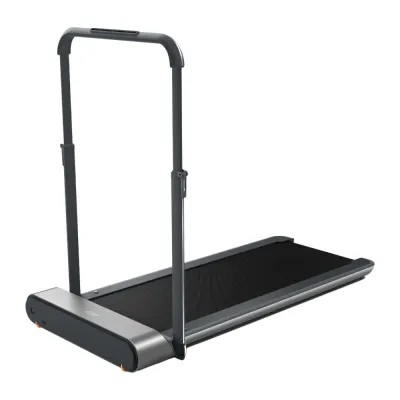
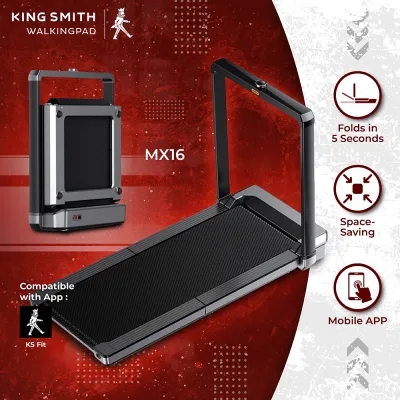
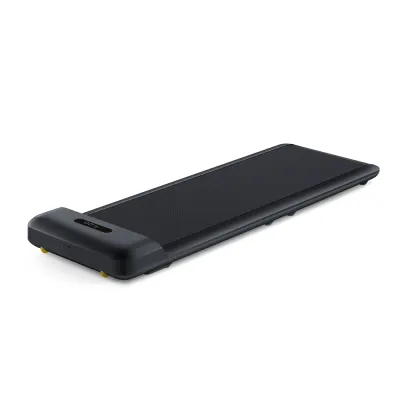
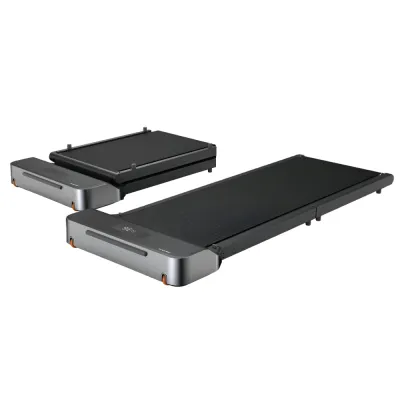
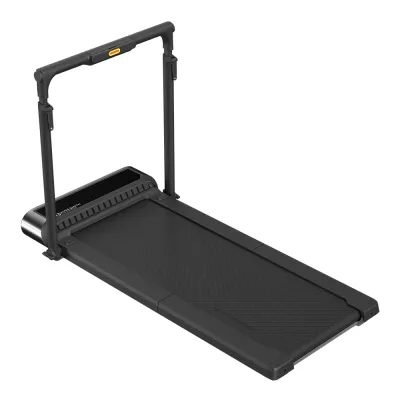
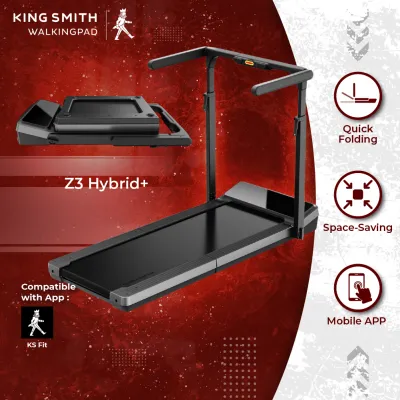
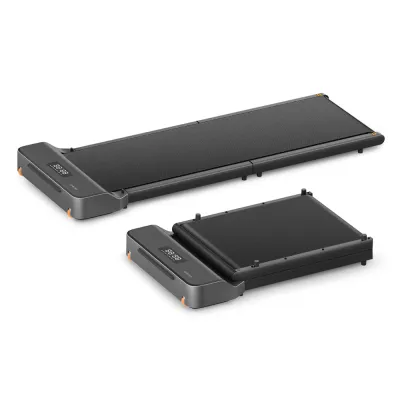
Prices are valid at publication and may change. Please refer to the product page for the latest price.
It is also wise to consider the structural load limits of HDB floors. While standard residential floors in Singapore are engineered to support a static load of 150 kg per square meter—which easily accommodates a treadmill and its user—it is best practice to ensure your setup does not concentrate excessive weight in a single vulnerable spot. Avoid placing heavy cardio equipment directly over delicate floor joints or floating vinyl planks without proper load-distributing protection.
Ensure the treadmill does not block essential pathways, emergency exits, windows, or air-conditioning airflow. Blocking a main corridor or a fire escape route is a safety hazard, while obstructing air-con vents can lead to poor ventilation and motor overheating.
Finally, check for a standard 230V wall socket directly adjacent to your setup area. High-wattage fitness equipment should always be plugged directly into a wall outlet. Avoid using cheap extension cords or multi-way adapters, as these can overheat under the sustained load of a treadmill motor and pose a significant electrical risk.
Comparing Kingsmith Footprints and Folding Designs
Kingsmith offers several equipment categories, primarily divided into ultra-compact walking pads and more robust folding treadmills. Understanding how these categories occupy space when stored, as well as the physical effort required to manage them daily, will help you choose the right design for your household.

Walking pads are designed for low-to-medium intensity exercise. They typically feature a flat, low-profile deck, and many models either omit handrails entirely or feature a simple, fold-down handrail. This minimalist design allows them to slide effortlessly under a platform bed, a sofa, or inside a built-in wardrobe when not in use, making them highly suitable for multi-purpose rooms.
Traditional folding treadmills from Kingsmith, on the other hand, are engineered for active running. They feature sturdier frames, upright consoles, and sometimes manual or motorized incline capabilities. These models are significantly bulkier and are designed to fold vertically, standing upright against a wall or inside a dedicated storage nook.
To make an informed decision, always consult the manufacturer’s official specifications for the exact folded dimensions, assembled dimensions, and net weight of the specific model you are considering. Do not rely on generic product photos, as perspective can make machines look smaller than they are in reality.
Think about the daily physical effort required to move and set up the machine. While Kingsmith designs include transport wheels, a unit weighing over 30 or 40 kilograms still requires moderate physical strength to fold, unfold, and maneuver across the floor. If multiple family members of varying physical abilities will use the machine, choose a lighter walking pad or a model with gas-assisted folding mechanisms to ensure safe and easy daily operation.
Matching Running Surface Size to Your Workout Needs
The dimensions of the running belt directly influence your safety, comfort, and stride naturalness. A belt that is too narrow or too short can make you feel restricted, increasing the risk of stepping off the side or slipping during a high-speed workout. You must weigh the trade-off between a larger running belt for comfort and a smaller machine for space saving.
Compact walking pads generally offer a shorter and narrower belt, which is perfectly adequate for walking or light jogging. Because walking involves a shorter stride length, these smaller dimensions save valuable floor space without compromising safety. If your primary goal is to hit your daily step count while watching television, a compact walking pad is a highly efficient choice.
However, if you plan to run at higher speeds, your stride naturally lengthens and widens. For active running, you will require a larger folding treadmill that offers a wider and longer belt. This extra surface area provides a safety buffer, allowing you to focus on your pace rather than your foot placement.
Match the belt size to your height, natural stride, and fitness goals. Taller users (above 1.8 meters) should pay extra attention to belt length, as a short deck may force them to shorten their natural running stride, leading to joint strain or balance issues over time.
Additionally, check the motor’s continuous horsepower (CHP) and the manufacturer’s recommended user weight limits. Walking pads often use smaller motors designed for sustained, lower-speed walking. Running at higher speeds for extended periods requires a more powerful motor to prevent overheating and premature wear. Always verify the maximum speed caps and weight capacities on the product page before purchasing.
Setup Clearances, Vibration, and HDB Neighbor Etiquette
Operating a treadmill in a high-density HDB block requires careful consideration of safety and neighborly harmony. Because homes are built close together, noise and vibration can easily travel through shared structures.
Safety guidelines recommend maintaining a clear zone of at least 1.5 to 2 meters behind the treadmill and 0.5 meters on both sides. This space is crucial to prevent serious injury if you lose your balance and are thrown off the back of the moving belt. Never place the rear of the treadmill directly against a wall, wardrobe, or glass door.
Vibration and impact noise are major concerns in concrete HDB structures. Every footstrike sends shockwaves down through the floor, which can easily translate into a loud, rhythmic thudding sound in the unit below you. To mitigate this, always place a high-density, heavy-duty anti-vibration mat under your treadmill. These specialized mats absorb shock, protect your flooring, and significantly dampen noise transmission.
Position the treadmill away from shared party walls. Placing the machine against a wall shared with a neighbor’s bedroom can transmit airborne motor noise directly into their quiet space. Opt for an interior wall or a central living area instead, and try to schedule your workouts during reasonable daylight hours.
Maintain your equipment to keep it quiet. Regularly inspect the belt alignment to ensure it does not rub against the side rails, and lubricate the running deck according to the user manual. Proper lubrication reduces motor strain, minimizes friction noise, and extends the lifespan of your Kingsmith treadmill.
Common Space-Matching Mistakes to Avoid
One of the most common mistakes is measuring only the folded footprint of the machine. Buyers often forget that they need extra physical space around the treadmill not just for safety clearances, but also for their own arm swings and body movement during a workout.
Avoid placing your treadmill in direct sunlight near HDB windows or in humid, semi-exposed areas like service yards or balconies. High humidity and direct UV exposure can rapidly degrade the electronic console, crack the rubber belt, and cause internal rust, potentially voiding your warranty. Keep the machine in a dry, shaded, and well-ventilated indoor environment.
Be realistic about your daily habits. Buying a heavy, high-end running treadmill with the intention of folding it away every day can backfire if you find the process too tedious. If the machine is too heavy to move easily, it will either permanently occupy valuable floor space or become an expensive clothes rack.
Lastly, review the warranty terms carefully. Most home-use treadmills are only warrantied for residential use. Placing the machine in a shared condo gym, office space, or non-residential setting may void the manufacturer’s warranty entirely. Always check if the local distributor covers warranty services for self-imported models.
Frequently Asked Questions (FAQ)
Can I keep a Kingsmith treadmill in my HDB bedroom?
Yes, you can keep a Kingsmith treadmill in an HDB bedroom, provided you have sufficient floor space for both the in-use footprint and safety clearances. Ensure the room is well-ventilated to prevent the motor from overheating, and check that the machine does not block access to built-in wardrobes, windows, or air-conditioning trunking. It is also wise to verify that the heavy machine does not damage delicate bedroom flooring, such as vinyl or parquet, by using a protective mat.
Do I need a special mat for a treadmill in an HDB flat?
While not strictly mandatory for the treadmill’s operation, using a high-density anti-vibration mat is highly recommended in an HDB flat. It plays a critical role in absorbing impact shock, preventing the transfer of thudding noises to your downstairs neighbors, and protecting your floor from sweat, scratches, and scuff marks. A good mat also stabilizes the treadmill, reducing frame vibration during high-speed runs.
Are walking pads better than folding treadmills for small spaces?
Walking pads are superior for extremely tight spaces because they are lighter, thinner, and can easily slide under furniture or stand upright in narrow gaps. They are ideal for light exercise and under-desk use. However, they lack the robust handrails, motor power, and belt length required for high-speed running. If your primary goal is running, a folding treadmill is a better choice, despite requiring more storage space and physical effort to move.
Community discussion
Share your experience or ask a question. Comments are reviewed before publication.