
Selecting the right badminton shuttlecock is one of the most critical decisions you can make to improve your game, manage your budget, and prevent frustration on the court. The ideal choice depends on matching your current technical skill, playing frequency, and local court conditions to the correct shuttlecock material and speed rating. While advanced players require the precise flight and spin of premium goose feathers, beginners and recreational players often benefit from the extreme durability and cost-effectiveness of synthetic nylon options.
By understanding how different models are constructed and how they perform under various environmental conditions, you can make an informed purchase that maximizes your playing time and enhances your development. This guide breaks down the selection process to help you find the perfect match for your needs.
Quick Guide: Matching Your Skill Level to Li-Ning Shuttlecocks
To help you quickly identify the best starting point, the matrix below maps player profiles to their most suitable shuttlecock categories based on material, performance priorities, and typical playing environments.
Products mentioned in this guide
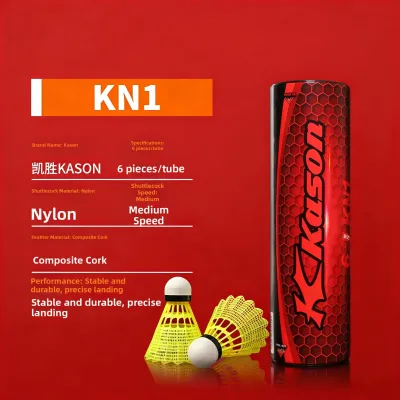
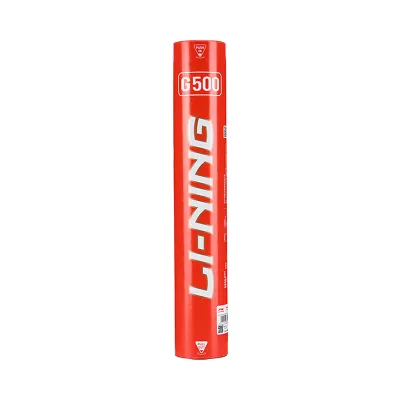
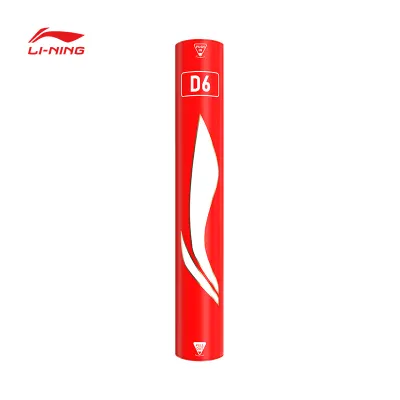
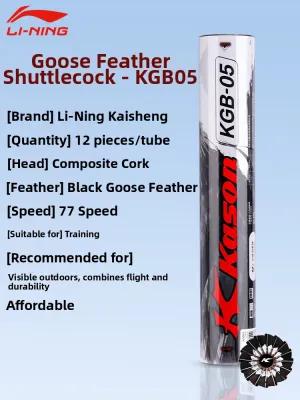
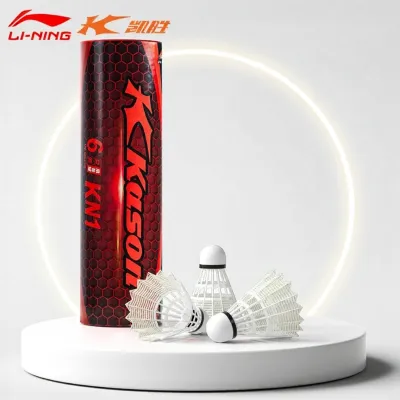
Prices are valid at publication and may change. Please refer to the product page for the latest price.
| Player Skill Level | Recommended Material | Primary Performance Priority | Key Selection Focus |
|---|---|---|---|
| Beginner | Synthetic / Nylon | Durability and structural forgiveness | High impact resistance, standard speed |
| Intermediate | Mid-Tier Feather (Duck) | Balance of authentic feel and longevity | Consistent flight, moderate cost per session |
| Advanced / Competitive | Premium Feather (Goose) | Aerodynamic precision and spin control | BWF-approved specifications, exact deceleration |
When assessing your skill level, consider how cleanly you strike the shuttlecock. Beginners who frequently hit the shuttlecock off-center or contact the feathers with the racket frame will quickly destroy natural feather models, making synthetic options far more practical. As your striking accuracy improves, transitioning to natural feathers allows you to develop advanced shot-making techniques, such as slices, tight net drops, and deceptive cross-court shots.
Decoding Li-Ning Shuttlecock Lines: Feather vs. Synthetic
Understanding the structural differences between natural feather and synthetic shuttlecocks is essential for narrowing down your choices. Natural feather shuttlecocks, such as those in the AeroSensa series, are constructed using real bird feathers inserted into a solid cork base. This design provides a unique aerodynamic profile: when smashed, the feather skirt compresses slightly, allowing the shuttlecock to accelerate rapidly, and then expands to create high drag, resulting in a controlled, predictable deceleration. This natural spin and flight path are critical for executing precise drop shots and tight net play.

In contrast, synthetic or nylon shuttlecocks, such as those in specialized recreational lines, utilize a molded plastic skirt attached to a synthetic or composite cork base. While synthetic models do not offer the exact flight deceleration or spin of natural feathers, they are exceptionally durable. A single nylon shuttlecock can often withstand multiple sessions of heavy hitting and frame contact without losing its shape or tearing, making it highly economical for casual play.
When evaluating Li-Ning packaging, you will encounter several technical specifications that dictate performance:
- Speed Ratings: Typically designated by numbers such as 76, 77, or 78. These numbers indicate the weight and speed of the shuttlecock, which must be matched to local temperature and altitude.
- Material Grades: Labels will specify whether the shuttlecock uses duck feathers or premium goose feathers. Goose feathers are generally stronger, thicker, and offer more consistent flight, while duck feathers are more economical but slightly more brittle.
- Base Construction: Look for indications of natural cork, composite cork, or synthetic foam bases. Natural cork offers the best rebound feel and durability, while composite and foam bases are common in budget-friendly and synthetic models.
Choosing the Right Model for Your Skill Level
Aligning your technical abilities with the aerodynamic and structural profiles of different shuttlecock tiers ensures that you do not waste money on premium models that degrade prematurely, nor hold back your progress with low-performance options.
Beginners: Prioritizing Durability and Forgiveness
For players who are still mastering their timing, footwork, and racket contact, durability is the single most important factor. During the learning phase, off-center hits are common. When a racket frame strikes the delicate shaft of a natural feather, the feather instantly snaps, permanently ruining the shuttlecock’s flight trajectory.
For this reason, synthetic nylon models or highly durable entry-level feather models are strongly recommended. These options are designed to absorb high-impact frame collisions without breaking. When shopping, look for packaging that highlights “training grade” or “high durability.” For indoor community courts, standard speed ratings are ideal, as they provide a predictable pace that allows you to focus on developing clean stroke mechanics and consistent baseline-to-baseline clears.
Intermediate Players: Balancing Feel and Longevity
Intermediate players who play regularly in social clubs or local leagues generally hit the shuttlecock cleanly and require a higher level of control than synthetic models can provide. At this stage, transitioning to mid-tier natural feather shuttlecocks is highly beneficial. These models allow you to practice advanced techniques, such as slicing the shuttlecock to create spin and executing tight net drops that tumble over the tape.
When choosing a mid-tier model, you must evaluate the trade-off between duck and goose feathers. Duck feather models are highly popular among intermediate club players because they offer an authentic feather feel at a lower price point. However, because duck feathers have thinner stems, they tend to wear out faster during intense rallies. If your budget allows, opting for mid-tier goose feather models can provide a noticeable boost in longevity, often lasting through several intense games before requiring replacement.
Advanced and Competitive Players: Demanding Precision
For advanced, tournament-level, and highly competitive players, flight precision and absolute consistency are non-negotiable. At this level, players hit with immense power and expect the shuttlecock to behave identically from the first rally to the last. Premium goose feather models are engineered specifically to meet these demands.
These top-tier shuttlecocks feature carefully selected goose feathers with thick, sturdy shafts and uniform shapes, paired with high-grade natural cork bases. This construction ensures maximum aerodynamic stability, allowing for precise control over flight paths, predictable deceleration, and excellent response to slicing and spinning techniques. When purchasing for competitive play, check the tube for official tournament approval labels, such as those from the Badminton World Federation (BWF), which verify that the shuttlecocks meet strict international standards for weight, balance, and flight accuracy.
Adjusting for Playing Frequency, Environment, and Budget
Once you have identified the correct category for your skill level, you must refine your choice by analyzing your playing environment, frequency, and overall budget.
Calculating Cost-per-Session
To manage your badminton expenses effectively, look beyond the initial purchase price of a tube of shuttlecocks and calculate your actual cost-per-session. You can do this by tracking how many shuttlecocks your group uses during a typical two-hour session.
For example, if a group of intermediate players uses an entire tube of budget duck feather shuttlecocks during a fast-paced session, the cost-per-session is equal to the price of that tube. However, if a slightly more expensive tube of mid-tier goose feather shuttlecocks lasts for two full sessions because the feathers are more resilient, the higher-quality option actually results in a lower cost-per-session. Keep a simple log of your usage to determine which tier offers the best economic value for your group’s playing style.
Environmental Factors and Speed Ratings
Air density plays a massive role in how a shuttlecock flies. Temperature and humidity directly affect air density, which in turn determines the aerodynamic drag acting on the shuttlecock. In Singapore, players must navigate two distinct indoor environments:
- Non-Air-Conditioned Community Halls: These venues are typically hot and highly humid. Warm, humid air is less dense, which means there is less air resistance. In these conditions, shuttlecocks fly faster and further. To compensate, players should use a slower speed rating, such as Speed 76, to prevent clears from constantly flying out of bounds.
- Air-Conditioned Sports Complexes: These halls are cooler and drier. Cold air is denser, creating more aerodynamic drag on the shuttlecock. In these environments, shuttlecocks fly slower and feel heavier. To maintain a natural baseline-to-baseline clearing distance without straining your shoulder, switch to a faster speed rating, such as Speed 77.
Setting a Consumables Budget
Because shuttlecocks are consumable items that inevitably degrade, setting a realistic monthly budget is essential for regular players. If you play multiple times a week, the cost of natural feathers can add up quickly.
If you find that your monthly shuttlecock expenses are becoming too high, consider a hybrid approach: use durable synthetic or entry-level feather models for warm-ups, drills, and casual practice, and save your higher-quality feather shuttlecocks exclusively for competitive matches and scored games. This practice significantly extends the lifespan of your premium tubes while keeping your monthly hobby costs manageable.
Purchasing Safely and Verifying Authenticity
Due to the high demand for quality badminton gear, counterfeit shuttlecocks are common in the marketplace. Using counterfeit products leads to poor flight performance, rapid breakage, and a frustrating playing experience. Protecting your purchase requires careful sourcing and proper storage.
Sourcing and Verification Steps
To ensure you are buying genuine products, always purchase from authorized physical sporting goods retailers or official brand stores on reputable ecommerce platforms. Avoid buying from unverified third-party sellers offering prices that seem too good to be true.
Upon receiving your shuttlecocks, perform the following authenticity checks:
- Examine the Security Seal: Genuine tubes feature a high-quality security seal or holographic sticker on the end caps. Check that the seal is intact and has not been tampered with.
- Locate the Anti-Counterfeit Label: Look for the official scratch-off panel on the tube. Scratching this panel reveals a unique security code.
- Verify Online: Enter the revealed security code directly into the official verification portal on the manufacturer's website. The system will confirm whether the code is authentic and if it has been searched previously.
Proper Storage and Care
Natural feathers are highly sensitive to environmental conditions. If stored incorrectly, the feathers will dry out, become brittle, and snap almost immediately upon impact. To preserve their performance, follow these storage guidelines:
- Store Vertically: Always store your shuttlecock tubes vertically with the cork ends facing downward. This prevents the feathers from warping or bending under their own weight.
- Avoid Extreme Heat and Sunlight: Never leave your shuttlecock tubes in the trunk of a car, near windows, or in direct sunlight, as high temperatures dry out the natural oils in the feathers.
- Control Humidity: Store your tubes in a cool, shaded area. If you live in a very dry environment or use air conditioning constantly, consider using specialized humidifying storage tubes or storage accessories to maintain feather moisture.
Frequently Asked Questions (FAQ)
How can I extend the lifespan of my feather shuttlecocks?
To extend the lifespan of your feather shuttlecocks, you can humidify them before play. A common and effective method is to gently steam the inside of the tube. Carefully expose the open end of the shuttlecock tube to steam from a kettle for a few seconds, allowing the warm moisture to enter the tube, then quickly seal both end caps. Doing this 24 to 48 hours before your session allows the feathers to absorb moisture, making the shafts more flexible and significantly less prone to snapping on impact. Additionally, perform visual checks during play: if you notice slightly misaligned feathers, gently smooth them back into place to maintain stable flight and prevent uneven wear.
Do I need to change shuttlecock speeds depending on the hall's air conditioning?
Yes, adjusting your shuttlecock speed based on the hall’s air conditioning is highly recommended. Air-conditioned halls are cooler, which increases air density and creates more aerodynamic drag, causing the shuttlecock to fly slower. To compensate for this heavy air and maintain a natural clearing distance, you should use a faster speed rating, such as Speed 77. In contrast, non-air-conditioned halls are warmer and less dense, allowing the shuttlecock to fly faster; in these warmer environments, a slower speed rating, such as Speed 76, is preferred to keep your shots controllable and within the court boundaries.
Community discussion
Share your experience or ask a question. Comments are reviewed before publication.