
Selecting the right flotation device is a critical decision to make before heading out onto the water. Whether you are paddling through calm reservoir waters, sailing along coastal channels, or training in open water, your safety equipment must match your specific activity, swimming ability, and environmental conditions. A common mistake is assuming that any device labeled as a “life jacket” provides universal protection. In reality, flotation gear is highly specialized, and choosing the wrong type can compromise your safety in an emergency.
To make an informed choice, you must evaluate the water conditions you expect to encounter and your own physical capabilities. Some devices are designed to keep you afloat with minimal physical effort, while others require active swimming to keep your head above water. Understanding these distinctions, along with verifying the fit and safety certifications of your gear, ensures you remain safe and compliant with local water safety guidelines.
Understand the Core Differences: PFDs vs. Buoyancy Aids
The terms “life jacket” and “buoyancy aid” are often used interchangeably, but they represent two distinct categories of safety equipment with different engineering standards. A true Personal Flotation Device (PFD), commonly referred to as a life jacket, is designed as a life-saving device. Its primary engineering feature is the ability to turn an unconscious wearer from a face-down position in the water to a face-up position, keeping the airway clear of water. This is achieved through strategic foam distribution or inflatable chambers that concentrate buoyancy around the chest and neck. PFDs are essential for offshore sailing, boating in rough waters, or any activity where rescue might be delayed and the wearer risks losing consciousness.
Products mentioned in this guide
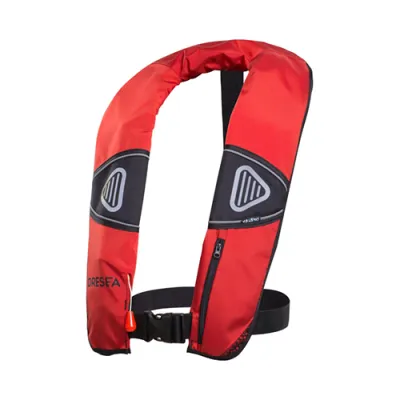
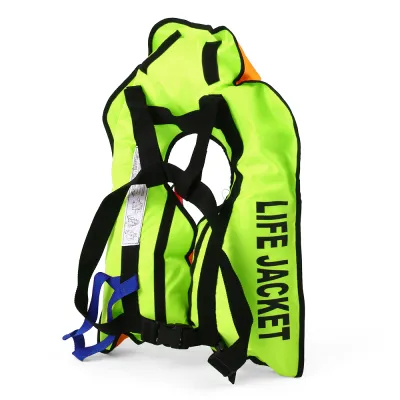
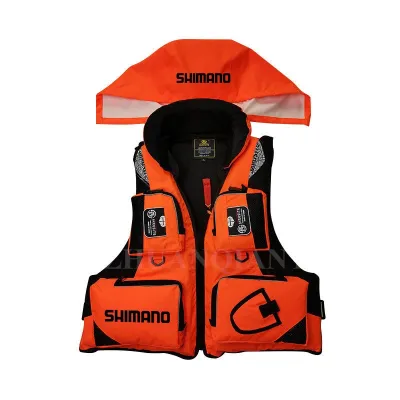
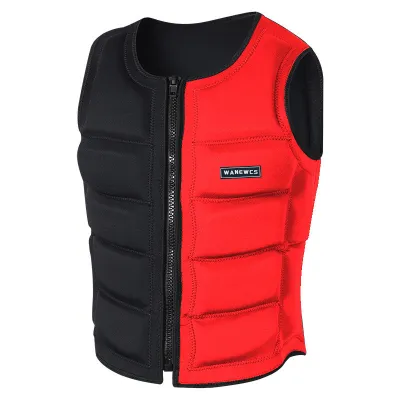
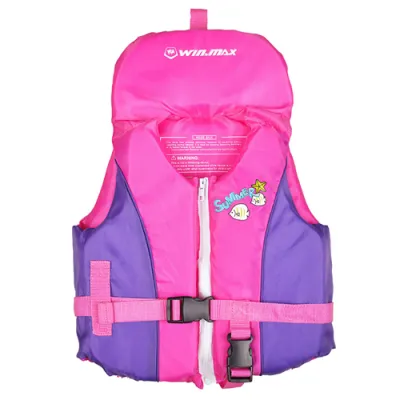
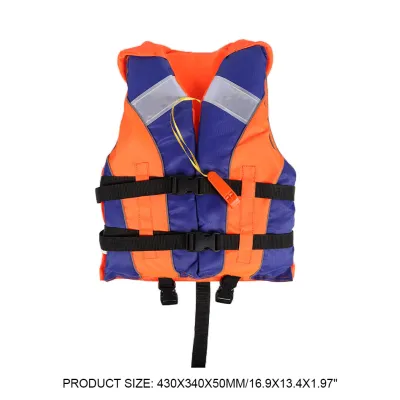
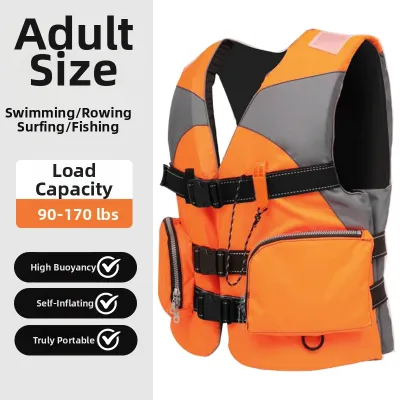
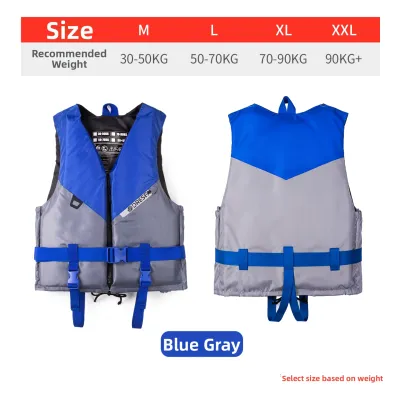
Prices are valid at publication and may change. Please refer to the product page for the latest price.
In contrast, a buoyancy aid is designed specifically for conscious, capable swimmers who are close to shore or have immediate assistance nearby. These devices provide a moderate amount of flotation to help reduce fatigue, but they do not have the capability to turn an unconscious person face-up. If a wearer becomes incapacitated while wearing a buoyancy aid, their face may remain submerged. Buoyancy aids are typically lighter, less bulky, and offer greater freedom of movement, making them popular for active water sports where the wearer expects to fall into the water frequently but can swim back to safety.
When selecting gear, you must read the manufacturer’s physical label carefully rather than relying on generic product descriptions. The label contains critical information regarding the device’s intended use, buoyancy rating, and performance limitations. Look for official certification markings relevant to your region, which indicate that the device has undergone standardized testing for buoyancy and material durability. Never assume a device is safe for a specific activity unless the manufacturer’s label explicitly states it is rated for that environment.
Match the Flotation Gear to Your Water Activity
Matching your flotation gear to your specific water sport is not just about comfort; it directly impacts your safety and performance. Different activities demand different levels of mobility, buoyancy, and visibility. Using offshore sailing gear for paddleboarding will restrict your movement and cause rapid fatigue, while using a light buoyancy aid for open-ocean boating leaves you vulnerable in rough conditions.

Kayaking, Paddleboarding, and Active Water Sports
Active water sports like kayaking, stand-up paddleboarding, and wakeboarding require continuous upper-body movement. For these activities, standard bulky life jackets are highly impractical because they restrict arm movement and rub against the torso. Look for specialized buoyancy aids or low-profile PFDs designed with large armholes and a shorter torso cut. These design features prevent the device from riding up toward your chin when you are seated in a kayak or paddling on a board.
Because these sports are typically conducted in relatively calm coastal waters, reservoirs, or designated wakeboarding zones, a buoyancy aid is often a suitable choice for competent swimmers. However, you must recognize your own swimming limits. If you are paddling in areas with strong tidal currents or offshore winds, or if your swimming skills are limited, a low-profile PFD with higher buoyancy is a safer choice. Always ensure that the device allows you to climb back onto your board or kayak from the water without catching on the deck or rigging.
Boating, Sailing, and Offshore Excursions
When you are on a motorized boat, sailing vessel, or embarking on offshore excursions, the risk profile changes significantly. You may find yourself far from shore, in deep water, or facing unpredictable weather and rough sea conditions. In these scenarios, a high-buoyancy PFD with integrated collar support is necessary. The collar support is designed to cradle the head and keep the mouth and nose well clear of the water, even in choppy conditions or if you are injured.
Boaters must choose between inherent foam designs and inflatable PFDs. Inherent foam jackets are highly reliable because they require no activation and cannot be punctured, but they are bulky to wear in warm tropical climates. Inflatable PFDs, which use a carbon dioxide cylinder to inflate either automatically upon immersion or manually via a pull-tab, are incredibly low-profile and comfortable to wear. However, inflatables require strict adherence to manufacturer maintenance schedules, including regular inspection of the inflation mechanism and cylinder. They are also unsuitable for high-impact water sports where you expect to hit the water at high speeds.
Open Water Swimming and Snorkeling
Open water swimmers and snorkelers face a unique challenge: they need visibility and a safety backup without the drag and restriction of a traditional life jacket. Standard PFDs and buoyancy aids alter a swimmer’s body position, making natural swimming strokes like freestyle or breaststroke nearly impossible. For these activities, specialized gear such as swim safety buoys or snorkeling vests are the standard.
A swim safety buoy is an inflatable, brightly colored bag that straps around the swimmer’s waist with a leash. It floats behind the swimmer, providing high visibility to passing boats and jet skis without interfering with the swim stroke. While it is not a life jacket and should not be relied upon as a primary life-saving device, it allows the swimmer to pause and rest by holding onto it if they experience cramps or fatigue. Snorkeling vests, on the other hand, are worn over the chest and can be orally inflated to provide just enough buoyancy to rest at the surface, then deflated when the snorkeler wishes to dive down to observe marine life. Always verify that the manufacturer’s instructions support your intended depth and activity level.
Verify the Fit, Features, and Safety Labels
Even a highly rated flotation device will fail to protect you if it does not fit correctly or lacks the necessary safety features. Before purchasing or entering the water with any device, you must perform a physical fit test. Start by loosening all straps, putting the device on, and then tightening them from the waist upward. The device should feel snug but comfortable, allowing you to breathe normally without restriction.
To test the fit, have a companion pull upward on the shoulder straps of the device while you stand. If the device slides up past your nose, chin, or ears, it is too large or the straps are not sufficiently tightened. A loose device can easily slip off in the water or ride up and force your head underwater rather than keeping it clear. For children, this test is especially critical, and many children’s flotation devices include a crotch strap to prevent the jacket from slipping over their head; this strap must always be securely fastened.
Beyond fit, look for essential safety features tailored to your environment. High-visibility colors like bright orange, yellow, or red are crucial for rescue visibility, especially in low-light conditions or rough seas. Reflective tape panels significantly increase your visibility to searchlights at night. A marine-grade whistle attached to the device allows you to signal for help over long distances when your voice would be drowned out by wind or waves. Finally, always check the physical label on the inside of the jacket to verify that your weight and chest size fall within the manufacturer’s specified limits. Never use a device that is rated for a lower weight class, as it will not provide sufficient buoyancy to keep you afloat.
When to Replace or Upgrade Your Flotation Gear
Flotation gear does not last indefinitely, and using degraded equipment can put your life at risk. Over time, exposure to ultraviolet (UV) radiation from the sun, saltwater, chlorine, and physical compression will degrade the materials. You must perform regular visual and tactile inspections of your gear to diagnose its condition. Look for signs of fabric fading, which indicates UV damage that weakens the outer shell, and check for tears, frayed straps, or cracked plastic buckles.
The internal flotation material also requires inspection. Inherent foam devices rely on closed-cell foam to provide buoyancy. If you notice that the foam feels permanently compressed, lumpy, or brittle, the cells have broken down, and the device has lost its buoyancy capacity. Never sit on a foam life jacket or use it as a boat cushion, as this accelerates foam compression and ruins its effectiveness. For inflatable devices, inspect the fabric chamber for leaks by inflating it orally and leaving it overnight to check if it holds pressure, and replace any expired inflation cartridges according to the manufacturer’s guidelines.
You must upgrade or replace your gear immediately if your physical profile or activities change. If you have gained weight, your chest size has increased, or your swimming proficiency has changed, your old device may no longer be safe. Additionally, if you transition from calm inland kayaking to offshore sailing, your buoyancy aid must be replaced with a high-buoyancy PFD. Any device that has been altered, repaired without manufacturer authorization, or has an unreadable safety label must be discarded immediately.
Frequently Asked Questions (FAQ)
Can I use a buoyancy aid instead of a life jacket for boating?
No, you should not use a buoyancy aid as a substitute for a life jacket when boating in open or rough waters. Buoyancy aids are designed only for conscious swimmers in calm, supervised environments and do not have the capability to turn an unconscious person face-up. In a boating accident, there is a risk of injury or sudden immersion that could render you unconscious, making a true PFD essential. Additionally, you must check local maritime regulations and the manufacturer’s guidelines, as many jurisdictions require specific certified PFDs to be on board for every passenger.
Do life jackets expire or lose buoyancy over time?
While the closed-cell foam inside a traditional life jacket does not have a strict expiration date, it will lose buoyancy over time due to wear, compression, and environmental exposure. Inflatable PFDs do have components that expire, such as the carbon dioxide cylinders and automatic firing bobbins, which must be replaced according to the manufacturer’s schedule. To maximize the lifespan of your gear, always rinse it with fresh water after use, dry it thoroughly out of direct sunlight, and store it in a cool, dry place. If the foam feels hard, thin, or crumbles under pressure, the device must be replaced.
Community discussion
Share your experience or ask a question. Comments are reviewed before publication.