
Selecting the right LP knee support is a critical decision for athletes looking to protect their joints, manage discomfort, or recover from minor strains. The knee is a complex hinge joint subjected to immense forces during physical activity, and no single support model is universally suitable for every sport. Choosing the wrong type of brace can lead to restricted movement, inadequate protection, or even exacerbated joint issues. To find the ideal match, you must analyze the specific movement patterns of your sport, understand the structural features of different support designs, and verify the correct fit based on manufacturer guidelines.
Identifying the Physical Demands of Your Sport
Before selecting a knee support, you must evaluate the specific physical stresses your sport places on your joints. Different activities subject the knee to distinct forces, requiring different levels of stabilization and flexibility.
Linear sports, such as running, cycling, and straight-line walking, primarily involve repetitive flexion and extension. The knee moves almost exclusively in a single plane. The primary challenges here are repetitive stress, joint friction, and muscle fatigue over long distances. A support for these activities should prioritize lightweight compression, heat retention to keep muscles warm, and minimal bulk to prevent chafing. For instance, a runner training on outdoor paths in Singapore’s humid climate needs a highly breathable sleeve that stays in place without restricting the natural stride.
Products mentioned in this guide
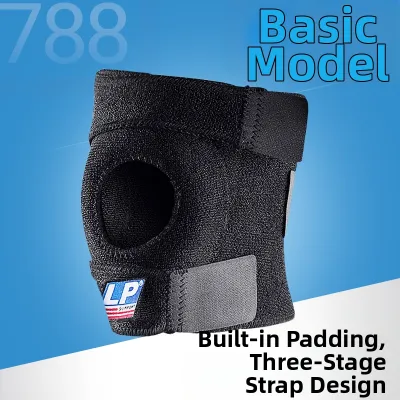
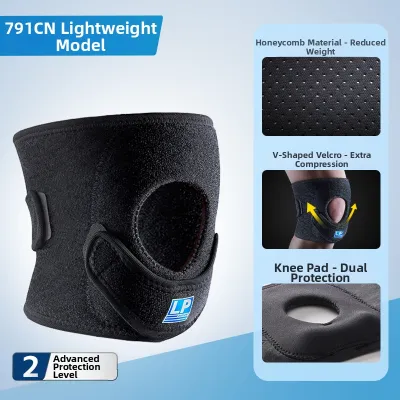
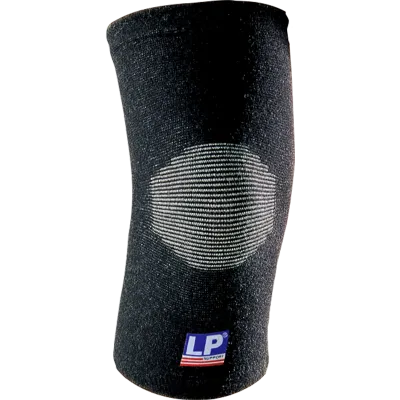
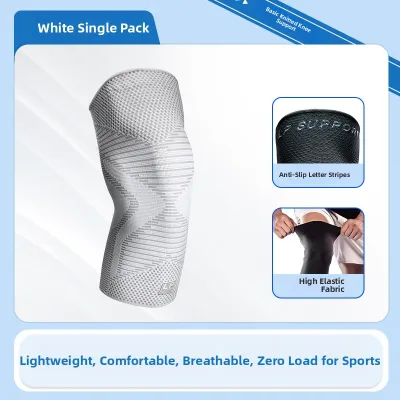
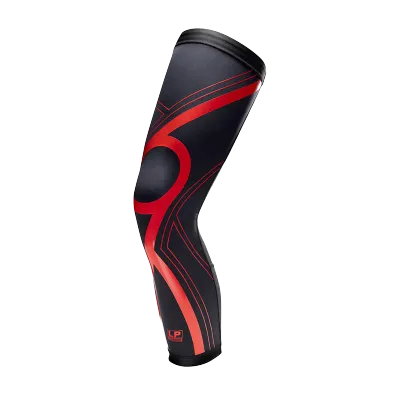
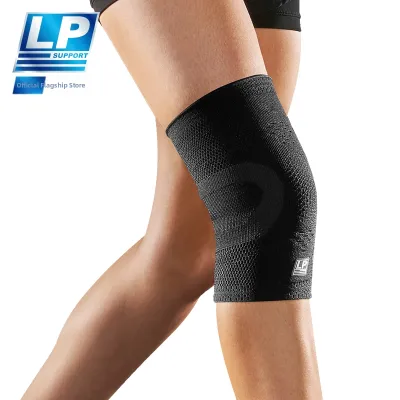
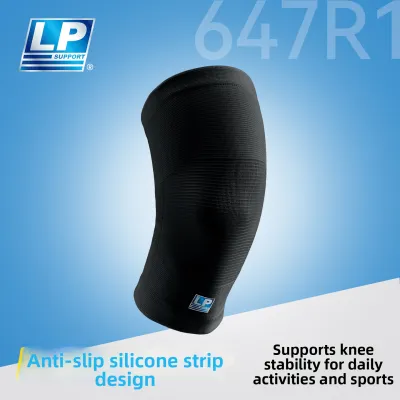
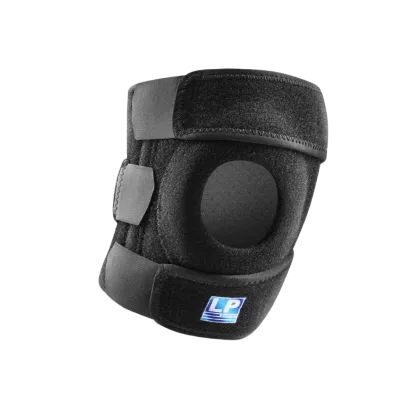
Prices are valid at publication and may change. Please refer to the product page for the latest price.
Multi-directional sports, such as badminton, basketball, tennis, and football, involve rapid acceleration, sudden stops, pivoting, and lateral cutting. These movements subject the knee to rotational and shear forces, which can strain the collateral ligaments. Athletes playing court sports require lateral stability. A basic compression sleeve is often insufficient for these demands; instead, supports with built-in side stabilizers or adjustable straps are necessary to help manage lateral shifting and provide joint feedback during quick changes of direction.
High-impact and heavy-loading activities, such as weightlifting, functional fitness, or jumping sports like volleyball, place high axial loads on the patellofemoral joint. Squatting with heavy weights or landing from a jump compresses the kneecap against the femur. Supports for these activities must focus on patellar tracking and heavy-duty compression to distribute the load evenly.
Your selection must also account for your physical history and personal factors. If you have a history of mild joint swelling, an adjustable wrap may be preferable to a pull-on sleeve, as it allows you to loosen the compression when swelling increases. If you experience general muscle fatigue during long hikes, a light compression sleeve can enhance proprioception—your body’s awareness of joint position—which helps maintain proper alignment as you tire. However, if you are recovering from a significant ligament tear, a highly structured hinged brace is typically required to mechanically limit harmful ranges of motion.
Key Structural Features to Evaluate in LP Knee Supports
Understanding the structural and material differences across the LP product line allows you to match specific design features to your physical needs.

Sleeve designs are pull-on elastic or neoprene tubes that slide over the foot and sit directly on the knee. They provide uniform, 360-degree compression and excellent heat retention. Sleeves are highly low-profile, making them easy to wear under sports clothing. However, because they lack adjustable straps, they rely entirely on an accurate initial fit. If your knee measurements fall between sizes, or if you experience frequent swelling, a sleeve may become too tight or slip down during intense movement.
Wrap-around designs feature open designs with hook-and-loop fasteners, offering exceptional adjustability. You can customize the tension across different parts of the knee, making them ideal for individuals with non-standard leg shapes or fluctuating joint swelling. They are also easier to put on and take off, as you do not need to remove your shoes. The trade-off is increased bulk and the potential for the straps to catch on clothing or lose their grip over time if exposed to dirt and lint.
Hinged designs incorporate rigid or semi-rigid hinges along the sides of the knee. The hinges are designed to mimic the natural bending motion of the joint while physically blocking lateral bending or twisting. This structural reinforcement is crucial for protecting compromised ligaments during rehabilitation or high-contact sports. However, hinged braces are heavier, more restrictive, and require careful alignment with the joint axis to prevent discomfort or skin chafing.
Patella stabilizers are another critical feature to consider. Open patella designs feature a circular cutout that leaves the kneecap exposed, often reinforced with a padded buttress that surrounds the patella. This design helps keep the kneecap tracking in its proper groove, relieves direct pressure on the patella, and improves ventilation. Closed patella designs cover the entire knee joint with continuous material, maximizing heat retention and providing uniform compression across the entire area, which can help soothe general joint aches. However, the continuous fabric can press the kneecap inward, which may cause discomfort during deep knee bends.
Material considerations are vital for comfort and performance. Neoprene is widely used for its excellent durability, elasticity, and heat-retaining properties, keeping the joint warm to improve blood circulation. However, in warm and humid climates, solid neoprene can trap sweat and cause skin irritation. To address this, look for breathable knit fabrics or perforated neoprene alternatives that allow moisture to escape. Additionally, high-quality supports often feature internal silicone grip rings along the upper and lower cuffs to prevent the brace from sliding down during sweaty, high-intensity workouts.
Matching Support Levels to Your Activity Type
To narrow down your choices, you can categorize LP knee supports into three distinct levels of protection based on your activity intensity and physical condition.
Mild Support & Compression
This level is designed for low-impact activities, daily wear, or managing minor, non-specific knee aches. If your primary goal is to keep the joint warm during a morning walk, a light gym session, or a casual cycling ride, a basic elastic or knit sleeve is highly suitable.
These models focus on improving proprioception—the sensory feedback that helps your brain monitor joint position. By enhancing this awareness, mild compression sleeves help you maintain better movement mechanics and reduce muscle fatigue. They offer maximum flexibility and minimal bulk, allowing you to move naturally without restriction. They are not intended to stabilize injured ligaments or manage severe joint instability.
Moderate Support & Stability
Moderate support is ideal for dynamic sports that involve frequent lateral movements, jumping, or moderate joint stress, such as badminton, tennis, or trail running. If you occasionally experience mild ligament fatigue or minor patellar tracking issues, this category provides the necessary reinforcement.
Look for adjustable wrap designs or sleeves equipped with flexible spiral stays. Spiral stays are flexible metal coils embedded along the sides of the support; they bend easily to allow normal flexion and extension while providing resilient resistance against lateral twisting. Models in this category often feature an open patella with a padded stabilizer to keep the kneecap secure during rapid directional changes. This level balances structural reinforcement with athletic agility, ensuring you remain protected without feeling overly restricted on the court.
Maximum Support & Protection
Maximum support is reserved for high-impact contact sports, heavy weightlifting, or individuals returning to activity after a significant knee injury, such as a ligament sprain or meniscus tear. If your sport involves intense physical contact, heavy axial loading, or extreme joint stress, your knee requires mechanical protection.
These supports feature rigid bilateral hinges, heavy-duty neoprene or reinforced knit fabrics, and multiple adjustable straps to lock the brace securely in place. The hinges physically absorb lateral forces, preventing the knee from buckling or bowing inward. When using maximum support braces, it is vital to recognize that the equipment cannot replace proper physical rehabilitation or muscle strengthening. Use these models under the guidance of a healthcare professional, and ensure they are fitted correctly to avoid transferring stress to the hip or ankle joints.
Sizing, Fit, and Pre-Purchase Checks
To ensure the effectiveness and safety of your knee support, accurate sizing is paramount. A brace that is too loose will slide down and fail to provide compression, while a brace that is too tight can restrict blood circulation and cause muscle cramping.
To measure correctly, stand upright with your leg slightly bent at approximately a 30-degree angle. Use a flexible measuring tape to measure the circumference of your leg at the center of the kneecap. Some models may require measurements taken slightly above or below the kneecap; always consult the specific sizing chart on the product packaging before purchasing.
Before finalizing your purchase, carefully review the product label and packaging. Check the material composition to ensure you do not have allergies to components like neoprene, latex, or specific synthetic elastics. Verify the medical device classification if you are purchasing the support for therapeutic or post-operative recovery. Pay close attention to any manufacturer contraindications, such as avoiding use on open wounds, severe circulatory disorders, or immediately after acute trauma without medical clearance.
Once you begin wearing the support, perform an active fit check. Walk, bend your knee, and perform a few light sport-specific movements. Check for signs of an improper fit: if you experience numbness, tingling, coldness in your foot, or deep red indentations on your skin, the support is too tight and must be loosened or sized up immediately. Conversely, if the material bunches behind your knee or slides down after a few strides, you need a smaller size or a more adjustable model.
Care, Maintenance, and When to Replace
Proper care is essential to preserve the elasticity, structural integrity, and hygiene of your knee support. Always refer to the care label attached to the product.
As a general rule, hand wash the support in cold water using a mild, pH-neutral detergent. Avoid using bleach, fabric softeners, or harsh chemical cleaners, as these substances break down the elastic fibers and degrade neoprene. Do not machine wash or use a spin dryer, as the mechanical agitation can warp stabilizers, damage hook-and-loop fasteners, and tear seams.
To dry the support, lay it flat on a clean towel in a shaded, well-ventilated indoor area. Never wring or twist the material aggressively to remove water, as this stretches out the fibers. Keep the support away from direct heat sources, such as radiators, and do not expose it to direct sunlight, which can dry out neoprene and cause it to crack or lose its flexibility.
Regularly inspect your knee support for signs of wear and tear. Over time, constant stretching and exposure to sweat will degrade the materials. Perform visual and tactile checks: look for frayed stitching, stretched-out edges, or hook-and-loop straps that no longer hold securely. If your model has metal hinges, check that they remain aligned and move smoothly without binding. If you notice a significant loss of compression, or if the support no longer stays in place, it is time to replace it. Using a worn-out brace provides a false sense of security and increases your risk of injury.
Always prioritize your safety during use. If you experience increased pain, joint swelling, numbness, skin irritation, or a burning sensation while wearing the support, stop using it immediately, remove the brace, and consult a qualified healthcare professional.
Frequently Asked Questions (FAQ)
Can I wear an LP knee support all day?
Sports knee supports are designed primarily to provide stability and compression during physical activity, rather than continuous, all-day wear. Wearing a compression support for extended periods while resting or sleeping can restrict healthy blood circulation and lead to skin irritation from trapped moisture. Furthermore, relying on a brace constantly during daily sedentary tasks can cause muscle dependency, where the muscles surrounding the knee joint weaken because they are relying on the external support. Unless specifically instructed by a physician or physiotherapist as part of a structured rehabilitation program, limit your wear time to the duration of your sports activities, workouts, or periods of prolonged standing and walking.
Should I consult a doctor before choosing a specific model?
Yes, consulting a healthcare professional is highly recommended, especially if you are managing chronic joint pain, recovering from an acute injury, or experiencing significant joint instability. While mild compression sleeves are generally safe for self-selection to manage minor fatigue, choosing a moderate or maximum support brace without a proper diagnosis can mask underlying structural issues. A physiotherapist, sports physician, or orthopedic specialist can perform a clinical assessment to identify the root cause of your knee discomfort. They can recommend specific structural features—such as lateral stabilizers or patellar tracking guides—and integrate the use of the support into a comprehensive recovery plan that includes targeted strengthening exercises.
Community discussion
Share your experience or ask a question. Comments are reviewed before publication.