
Choosing the right McDavid knee support depends on matching the specific physical demands of your sport with the appropriate level of joint stabilization. Whether you are navigating high-impact lateral cuts on a basketball court or managing repetitive strain during a long run, selecting a brace requires balancing flexibility, breathability, and structural support. The ideal choice is not simply the most heavy-duty model available; rather, it is the one that addresses your specific joint condition while allowing the range of motion your activity demands. By understanding the brand’s structured protection tiers and evaluating how different materials perform in warm, humid climates, you can find a support that protects your joint without hindering your athletic performance.
Understanding McDavid's Protection Levels to Filter Your Options
To narrow down your choices, you must first understand the standardized three-tier protection system that categorizes every McDavid knee support. This classification framework helps you filter options based on the severity of your joint issues or the intensity of your physical activities. Rather than focusing solely on material thickness, this system aligns structural reinforcement with specific levels of joint instability.
Level 1: Primary Protection (Mild Support) This tier focuses on minor support, compression, and therapeutic warmth. Typically designed as pull-on sleeves, Level 1 supports are constructed from materials like neoprene or breathable knit fabrics. They are engineered to deliver mild compression, which promotes blood flow, enhances proprioception (your brain’s awareness of joint position), and helps alleviate minor aches, swelling, or general fatigue. These are best suited for preventative wear or recovery from minor strains.
Products mentioned in this guide
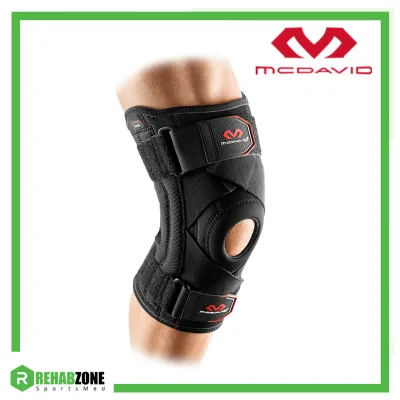
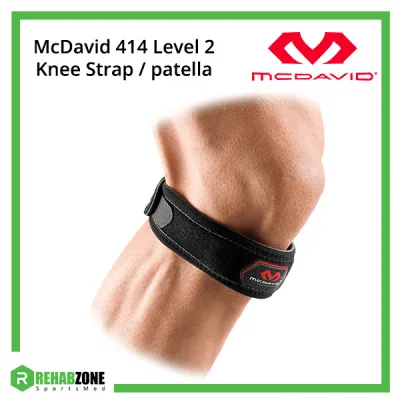
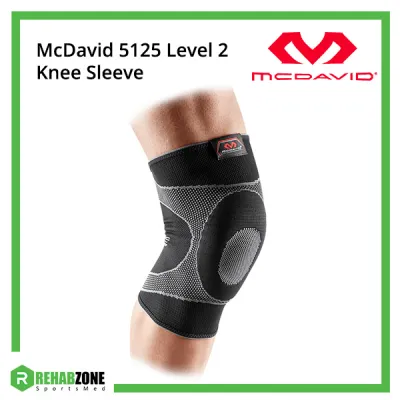
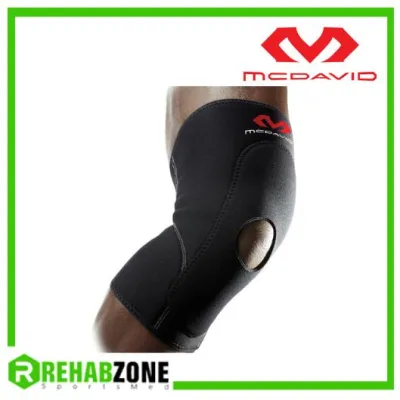
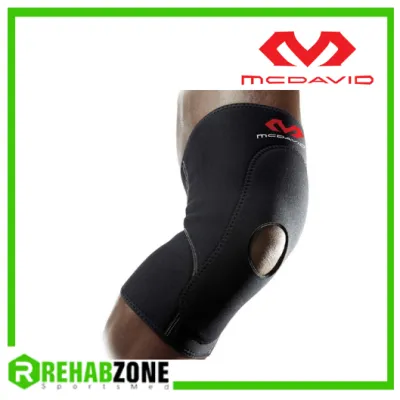
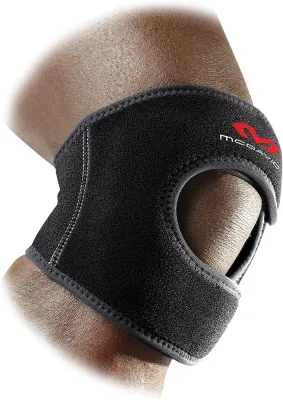
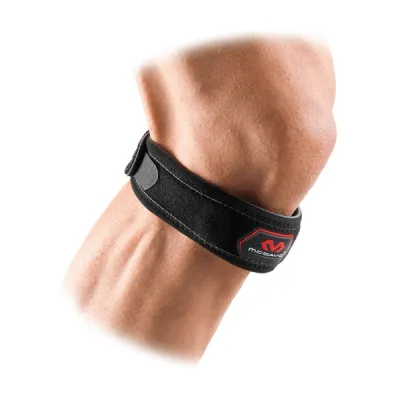
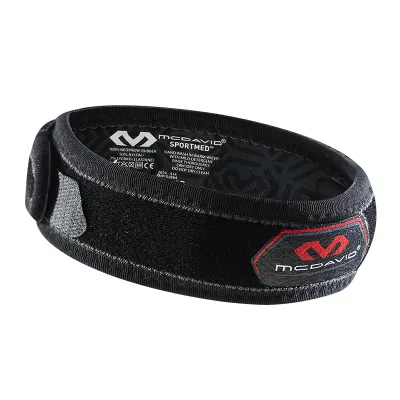
Prices are valid at publication and may change. Please refer to the product page for the latest price.
Level 2: Moderate Protection (Advanced Support) This level offers targeted stability through adjustable wraps, straps, or sleeves reinforced with flexible steel stays. Level 2 supports are designed to address moderate joint pain, minor ligament instabilities, or patellar tracking issues. The inclusion of straps allows you to customize the compression level, while lateral stays provide lateral and medial support without completely restricting your knee’s natural bending motion.
Level 3: Maximum Protection (Ultimate Support) Engineered for severe joint instability, ligament tears (such as ACL, MCL, or LCL strains), or post-surgical rehabilitation, Level 3 supports feature rigid, dual-action hinges. These hinges mimic the natural movement of the knee joint while preventing harmful lateral movement and hyperextension. These braces are highly structured and are designed to shield the joint from external forces during high-risk activities.
In terms of cost, basic Level 1 sleeves generally retail in the lower price band of S$20 to S$40, while advanced Level 3 hinged braces can range from S$80 to over S$120 in local specialty sports shops. Identifying your baseline need is crucial before making a purchase. If you require preventative compression to manage mild stiffness, a Level 1 sleeve is usually sufficient. If you experience localized kneecap pain or require moderate lateral support, Level 2 is more appropriate. For structural joint stabilization following a significant injury, a Level 3 hinged brace is typically required, though this should always be verified with a medical professional.
Matching Knee Supports to Your Specific Sport or Activity
Every sport places unique biomechanical demands on your knees. A brace that excels in the weight room may feel overly restrictive on a running trail or fail to provide enough lateral stability on a tennis court. Matching the support’s structural design to your activity’s specific movement patterns ensures both comfort and safety.

Running, Cycling, and Endurance Sports
Endurance sports involve high-repetition, low-impact movements that place continuous stress on the patella and surrounding tendons. For runners and cyclists, heavy or rigid braces can alter running mechanics, leading to secondary injuries in the hips or ankles. Instead, focus on lightweight, highly breathable Level 1 compression sleeves or Level 2 patella straps.
These supports must feature moisture-wicking fabrics to prevent sweat accumulation and subsequent skin chafing, especially during long-distance sessions in hot conditions. A Level 2 patellar tracking strap or an open-patella sleeve helps keep the kneecap aligned during repetitive flexion and extension, reducing the risk of runner’s knee (patellofemoral pain syndrome). The primary goal here is to provide mild compression and joint warmth to reduce muscle fatigue over long distances without adding unnecessary bulk under your sportswear.
Basketball, Tennis, and Court Sports
Court sports demand rapid acceleration, sudden deceleration, sharp lateral cuts, and frequent jumping. These dynamic, multi-directional movements subject the knee joint to intense shearing forces, making lateral instability a primary concern. For these activities, Level 2 wraps or reinforced sleeves equipped with flexible lateral stays are highly recommended.
These supports provide the necessary medial and lateral resistance to help keep the joint aligned during sudden changes of direction. Look for designs featuring secure, adjustable strapping systems that prevent the brace from migrating or sliding down during explosive movements. Additionally, an open-patella design with a padded buttress is beneficial for court athletes, as it helps absorb shock during hard landings and relieves pressure on the kneecap during deep squats and jumps.
Weightlifting, CrossFit, and Strength Training
Strength training subjects the knees to heavy axial loads during movements like squats, deadlifts, and clean-and-jerks. In these scenarios, the primary requirements are joint warmth, deep compression, and enhanced proprioceptive feedback. Thick neoprene sleeves, typically classified under Level 1 or Level 2 support, are the standard choice for strength athletes.
The thick neoprene retains body heat, keeping the synovial fluid within the joint warm and viscous, which helps lubricate the knee during heavy lifts. The tight compression provides a physical boundary that assists with joint stability and increases your awareness of knee tracking and alignment. However, a critical safety boundary must be noted: knee sleeves and light wraps do not replace proper lifting mechanics, nor can they compensate for severe structural injuries. If you experience sharp pain under load, stop the activity immediately and consult a professional.
Post-Injury Recovery and Contact Sports
Returning to play after a significant knee injury, such as a ligament sprain or meniscus tear, requires maximum joint protection, particularly in contact sports like rugby or football where external impacts are common. In these high-risk scenarios, Level 3 hinged braces or heavy-duty dual-wrap systems are essential.
These braces utilize rigid side hinges to physically block abnormal lateral movements that could re-injure healing ligaments, while built-in stops help prevent joint hyperextension. Because Level 3 braces significantly alter joint mechanics and limit certain ranges of motion, they should only be used under specific conditions. It is critical to consult a sports physiotherapist or orthopedic specialist to verify that a hinged brace is appropriate for your specific rehabilitation phase and return-to-play protocol.
Key Features to Verify for Comfort and Performance
Once you have identified the appropriate protection level and sport category, you must evaluate specific product features on the manufacturer’s label or product page. These details directly impact how the brace performs during actual use, especially when exercising in challenging environmental conditions.
- Breathability and Climate: In Singapore's hot and humid tropical climate, heat retention can quickly lead to excessive sweating, skin maceration, and painful rashes. When selecting a McDavid knee support, verify whether the model utilizes perforated neoprene, knit fabrics, or proprietary moisture-wicking technologies. These materials allow heat and perspiration to escape, keeping the skin drier and cooler during extended outdoor workouts.
- Anti-Slip Mechanisms: A knee brace that constantly slides down your calf is ineffective and distracting. Look for features such as internal silicone grippers, textured liners, or adjustable top and bottom straps. These elements help anchor the brace securely against your skin, maintaining the correct positioning even during high-intensity, sweaty activities.
- Seam and Edge Construction: Repetitive movement against rough seams can cause severe friction burns and chafing, particularly in the sensitive area behind the knee. Prioritize supports constructed with flatlock stitching and bound, elasticized edges. This flat profile minimizes friction against the skin, allowing for a smoother, more comfortable fit during long-duration sports.
Before purchasing, always check the applied product’s label and the manufacturer’s care instructions. Because performance fabrics, elastic bands, and silicone grips can degrade when exposed to harsh chemicals or high heat, adhering to verified care guidelines is essential to preserve the brace’s structural integrity and elasticity over time.
How to Measure and Fit Your Knee Brace for Maximum Effectiveness
Even the most advanced knee support cannot protect your joint if it does not fit correctly. An improperly sized brace can either restrict blood circulation or fail to provide adequate compression, rendering it useless. To ensure maximum effectiveness, follow a systematic approach to measuring and fitting.
To determine your size, use a soft, flexible measuring tape. Refer to the manufacturer’s specific sizing chart, as measurement locations can vary. Typically, you will need to measure the circumference of your knee joint in one of three ways:
- Directly over the center of the patella (kneecap) while standing with your leg slightly bent.
- Approximately 10 to 15 centimeters above the center of the kneecap around the lower thigh.
- Approximately 10 to 15 centimeters below the center of the kneecap around the upper calf.
Once you receive your knee support, perform the “two-finger rule” to verify the fit. Slide the brace onto your leg and adjust any straps to your desired tightness. You should be able to slide two fingers comfortably under the top and bottom edges of the brace. If you cannot fit two fingers, the brace is too tight and may restrict blood flow. Conversely, if there is a visible gap or if the brace slides down when you take a few steps, it is too loose and will not provide sufficient stabilization.
Monitor your body for signs of an improper fit during use. If you experience numbness, tingling, coldness in your foot, skin discoloration, or deep red indentations that persist long after removing the brace, discontinue use immediately. These symptoms indicate restricted circulation or nerve compression, requiring you to adjust the straps or exchange the brace for a larger size.
Frequently Asked Questions (FAQ)
Can I wear a McDavid knee support all day?
Whether you can wear a knee support all day depends entirely on the brace’s design and your specific medical needs. Lightweight Level 1 compression sleeves are generally safe for extended wear to manage mild swelling or keep the joint warm, provided they do not restrict circulation. However, Level 3 hinged braces and highly restrictive Level 2 wraps are not designed for prolonged resting wear, as they can limit natural muscle activation and cause skin irritation. Always check the specific product label, limit resting use, and consult a medical professional for long-term daily wear guidance.
How do I wash my knee brace without ruining the elasticity?
To preserve the elasticity, neoprene structure, and silicone grips of your McDavid knee support, you must follow gentle cleaning practices. Hand wash the brace in cold water using a mild, bleach-free detergent. Avoid using fabric softeners, as they can coat the fibers and destroy the moisture-wicking properties of the fabric. Never place the brace in a mechanical dryer or expose it to direct sunlight; instead, lay it flat to air dry in a well-ventilated, shaded indoor area.
Community discussion
Share your experience or ask a question. Comments are reviewed before publication.