
Choosing the right Molten basketball depends on matching the ball’s outer cover material to your primary playing surface. While a premium leather ball offers the ultimate grip on polished indoor wooden courts, it will quickly degrade and lose its texture on rough outdoor concrete. Conversely, a durable rubber ball withstands abrasive outdoor asphalt but lacks the soft touch and moisture control required for high-level indoor play. By understanding how Molten categorizes its materials and designs its signature 12-panel layout, you can select a model that balances durability, grip, and cost for your specific playing environment.
Understanding Molten's Material and Performance Tiers
Molten basketballs are categorized primarily by their cover materials, which dictate how the ball performs, how long it lasts, and where it should be used. The three main material tiers are rubber, composite (synthetic) leather, and genuine leather. Each tier serves a distinct purpose and behaves differently under various environmental conditions, such as humidity and surface friction.
Rubber models represent the entry-level tier. They are highly durable, resistant to rough surfaces, and generally the most affordable option. Because rubber does not wear down easily when scraped against concrete or asphalt, these balls are excellent for casual outdoor play. However, they offer a firmer, less cushioned feel and can become slippery when exposed to sweat or dust.
Products mentioned in this guide
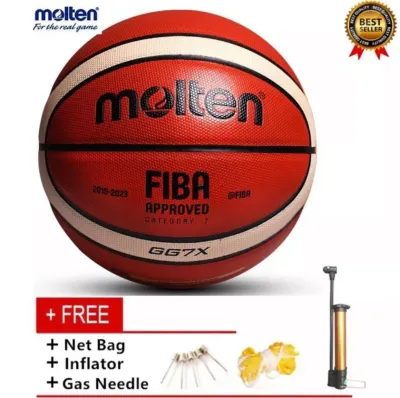
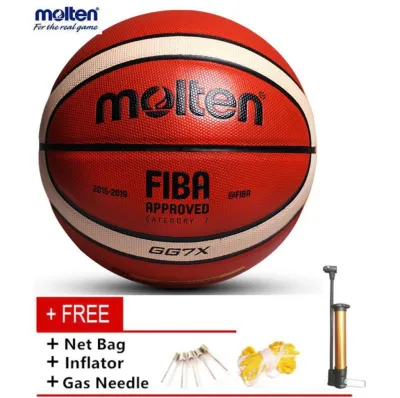
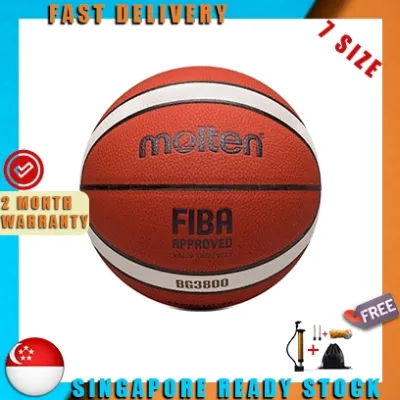
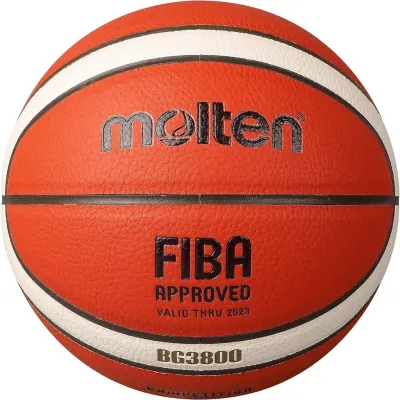
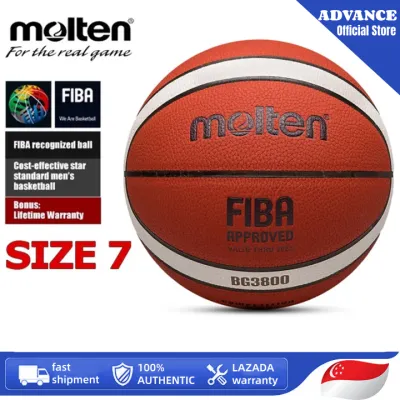
![[Local Seller] Molten number7 indoor outdoor games kid free gift professional FIBA basketball 7号魔腾篮球](https://img.lazcdn.com/g/p/124ed82375567fd1a04666114f86b70e.jpg_400x400q80.jpg_.webp)
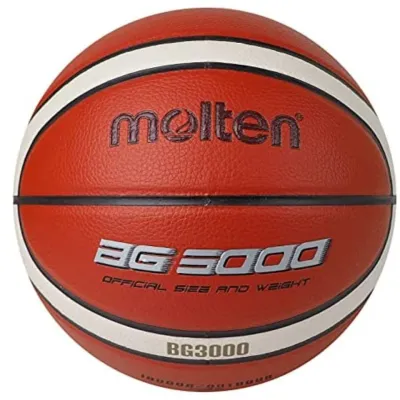
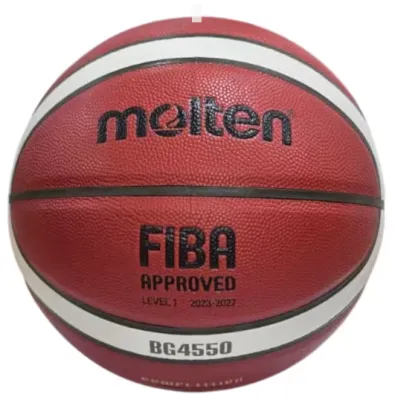
Prices are valid at publication and may change. Please refer to the product page for the latest price.
Composite leather occupies the mid-to-high performance tier. This synthetic material is engineered to mimic the soft feel and grip of genuine leather while offering enhanced durability. Within this tier, you will find variations designed specifically for indoor use, as well as hybrid formulations labeled for both indoor and outdoor play. Composite covers provide excellent moisture management, helping players maintain control even during intense, sweaty sessions.
Genuine leather sits at the top of Molten’s performance hierarchy. Reserved almost exclusively for elite indoor competition, genuine leather balls offer unmatched grip, softness, and tactile feedback. However, they require a dedicated break-in period to reach their optimal texture and are highly sensitive to moisture and rough surfaces. Using a genuine leather ball outdoors will ruin the natural hide almost instantly, making it a strictly indoor investment.
To identify these tiers when shopping, look closely at the product packaging, the embossed text near the inflation valve, or official retail listings. Molten typically prints the material composition and series code directly on the ball, allowing you to verify whether you are purchasing a basic rubber model, a premium composite, or a competition-grade leather ball.
Best Molten Basketball Features for Outdoor Concrete Courts
Outdoor courts, such as those found in neighborhood parks or community spaces, present a harsh environment for basketballs. The abrasive nature of concrete and asphalt acts like sandpaper, rapidly wearing down the outer cover of a ball. To ensure your basketball survives these conditions, you must prioritize durability over premium softness.

High-durability rubber or heavy-duty composite covers are the standard recommendation for outdoor play. These materials are specifically formulated to resist tearing and abrasion. A dedicated outdoor rubber ball will maintain its structural integrity and bounce consistency even after months of scraping against rough concrete, making it a highly cost-effective choice for streetball.
Another critical feature to look for is a deep, wide channel design. Outdoor courts are naturally dusty, and a thin layer of dirt on a basketball can severely compromise your grip. Molten’s signature panel designs often incorporate deep channels that help channel away dust and debris from your fingers. This structural feature ensures you can maintain a secure grip and clean release when shooting, even on a dusty outdoor court.
Always check the manufacturer’s labels specifically for “outdoor” or “indoor/outdoor” suitability before making a purchase. Using an indoor-only composite ball on concrete will lead to rapid degradation, causing the outer panels to peel at the seams and the pebbled texture to smooth out within just a few sessions. Selecting a ball explicitly rated for outdoor use protects your investment and ensures consistent performance.
Selecting a Molten Basketball for Indoor Wooden Courts
Indoor wooden courts offer a controlled environment where grip, control, and precise ball feedback are paramount. On these polished surfaces, the interaction between the ball’s cover and the court floor is entirely different from outdoor settings. To maximize your performance indoors, you should focus on materials that offer optimal traction and moisture absorption.
Premium composite leather or genuine leather covers are the ideal choice for indoor wooden floors. These materials feature a soft, cushioned backing that provides excellent tactile feedback during dribbling and shooting. More importantly, high-quality composite and genuine leathers excel at moisture management. When players’ hands get sweaty, the cover material absorbs or disperses the moisture, preventing the ball from becoming dangerously slick.
Conversely, you should avoid using outdoor rubber balls on indoor wooden courts. Rubber does not absorb moisture, meaning sweat will sit on the surface of the ball, making it incredibly slippery and difficult to control. Furthermore, rubber balls lack the refined cushion and consistent bounce feedback required for precise shooting drills, and their hard exterior can sometimes leave scuff marks on polished wooden floors.
Before purchasing an indoor ball, verify the manufacturer’s intended use to ensure the surface texture is optimized for indoor traction. Indoor-specific models are designed to grip the clean, polished surface of a wooden court, giving you maximum control during quick crossovers and pull-up jumpers. Keeping an indoor ball strictly for indoor use preserves its soft texture and extends its lifespan significantly.
Identifying FIBA-Approved Molten Basketballs for Competition
For players participating in organized leagues or tournament organizers setting up official matches, choosing a certified basketball is essential. Molten is the official ball provider for many international basketball events, and identifying their competition-grade models requires looking for specific certification markings.
The most reliable way to identify a competition ball is to visually verify the official “FIBA Approved” or “FIBA Quality” logo printed directly on the ball’s surface. This logo indicates that the specific model has undergone rigorous laboratory testing to meet international standards. These tests evaluate critical performance metrics, including weight, roundness, bounce height, and durability under high-velocity impacts.
Competition-grade Molten balls typically feature premium materials, such as top-tier composite or genuine leather, and utilize the brand’s signature 12-panel design. This multi-panel construction is not just aesthetic; the contrasting cream and orange panels are engineered to provide high visibility. This helps players, coaches, and spectators easily track the ball’s rotation, speed, and flight path across the court.
Before buying a ball for competitive play, always check your specific local league or tournament rulebook. Different competitions may mandate particular certification tiers or size requirements. Ensuring your ball matches these official guidelines guarantees that your practice sessions translate perfectly to game-day conditions.
Cross-Surface Compatibility: Can One Ball Handle Both Indoor and Outdoor?
Many players look for a single basketball that can transition seamlessly from outdoor concrete pickup games to indoor league matches. While “indoor/outdoor” hybrid balls exist, they come with inherent practical trade-offs that you should carefully consider before purchasing.
Hybrid basketballs typically utilize a specialized composite leather that is tougher than indoor composite but softer than standard rubber. This material is designed to survive the abrasive friction of outdoor concrete while still offering a decent, cushioned feel when brought onto an indoor wooden court. For casual players who split their time evenly between both environments, a hybrid ball offers a convenient, single-purchase solution.
However, this convenience comes with a compromise. A hybrid ball will wear out much faster on rough concrete than a pure rubber ball, and it will never match the premium grip, softness, and moisture absorption of a dedicated indoor composite ball. Over time, outdoor dust and concrete abrasion will degrade the hybrid cover, making it less effective when you transition back to an indoor court.
If you play frequently, it often makes more financial and practical sense to invest in two dedicated balls. Spending a modest amount, such as S$30, on a durable rubber ball for outdoor use and investing in a premium S$80 to S$120 composite ball kept strictly for indoor courts will save you money in the long run. This strategy ensures your indoor ball remains in pristine condition, while your outdoor ball handles the heavy wear and tear of concrete courts.
How to Verify Specifications and Avoid Counterfeits
Due to the popularity of Molten basketballs, counterfeit products are common on various online marketplaces and unauthorized retail channels. Purchasing a counterfeit ball not only results in poor performance and rapid wear but also deprives you of any manufacturer warranty.
To ensure you are buying an authentic product, always check for official holographic stickers, serial numbers, or QR codes provided by the manufacturer. Authentic Molten basketballs sold in authorized regions usually feature a security label with a scratch-off code or a unique serial number printed near the inflation valve. You can verify these codes on the manufacturer’s official website to confirm authenticity.
Additionally, you can compare the ball’s physical specifications against official brand data. Check the ball’s weight, circumference, and panel alignment. Counterfeit balls often exhibit poor quality control, such as misaligned seams, uneven panel gluing, or a strong, unpleasant chemical odor from cheap adhesives. Authentic Molten balls feature precise, symmetrical panel alignment and consistent seam depth.
The safest way to guarantee authenticity is to purchase exclusively from authorized sporting goods retailers, official brand flagship stores, or reputable local distributors. Avoid purchasing from unknown third-party sellers offering steep discounts on generic ecommerce platforms, as these deals are often too good to be true and typically involve counterfeit goods.
Frequently Asked Questions (FAQ)
What size Molten basketball should I buy for my age and gender?
Selecting the correct basketball size is crucial for developing proper shooting form and ball-handling skills. Basketballs are categorized into standard sizes based on circumference and weight:
- Size 7: This is the official size for men and boys aged 15 and older. It has a circumference of approximately 75 to 78 cm.
- Size 6: This is the official size for women and girls aged 12 and older, as well as boys aged 12 to 14. It is also the official size used in international 3×3 basketball competitions. It has a circumference of approximately 72 to 74 cm.
- Size 5: This size is designed for youth players aged 11 and under, featuring a circumference of approximately 69 to 71 cm to accommodate smaller hands.
Always check your local school, league, or tournament regulations before purchasing, as specific youth or community competitions may strictly mandate a particular size regardless of standard age brackets.
How do I break in a new leather or composite Molten basketball?
A brand-new premium composite or genuine leather basketball can feel stiff and slightly slick right out of the box. To achieve the optimal grip and soft feel, you must go through a natural break-in process:
- Regular Play: The most effective way to break in a ball is simply to use it. Regular dribbling, passing, and shooting on clean, appropriate indoor surfaces will naturally soften the outer cover. The natural oils from your hands will gradually condition the material, improving its tackiness and grip over time.
- Avoid Harsh Chemicals: Never use leather conditioners, oils, harsh chemical cleaners, or abrasive tools to speed up the break-in process. These substances can break down the synthetic fibers of composite leather, dissolve the adhesives holding the panels together, or permanently damage the natural hide of a genuine leather ball, which will void the manufacturer's warranty. Stick to natural play and wipe the ball down with a damp cloth if it collects dust.
Community discussion
Share your experience or ask a question. Comments are reviewed before publication.