
Choosing the right Neenca wrist brace depends on matching the brace’s structural rigidity, material breathability, and compression style to your specific daily activities or recovery stage. Whether you are managing mild strain from long hours at a desk in Singapore, seeking extra stability during high-impact sports, or recovering from a diagnosed wrist injury, selecting the correct model ensures you get the right balance of mobility and protection. There is no single universal brace; instead, the ideal choice is determined by how much movement your wrist requires versus how much stabilization is necessary to prevent further irritation. By evaluating key design features—such as removable metal splints, flexible compression sleeves, and adjustable strap systems—you can narrow down the options to find a model that supports your physical needs without causing unnecessary restriction or discomfort.
Understanding Your Wrist Support Needs
Before browsing product listings, it is essential to pinpoint the exact reason you require wrist support. Wrist braces generally fall into three functional categories: preventive support for heavy physical exertion, mild compression for repetitive strain, and rigid stabilization for acute injury recovery. Misidentifying your primary need can lead to purchasing a brace that is either too restrictive for your sport or too flexible to protect a healing joint.
Preventive support is ideal for activities that place sudden, heavy loads on the wrist joint, such as weightlifting, gymnastics, or racket sports. In these scenarios, your goal is to reinforce the joint’s natural limits without completely locking down your range of motion. A highly rigid brace in these situations can actually hinder performance and force other joints, like the elbow or shoulder, to overcompensate, potentially leading to secondary strain.
Products mentioned in this guide
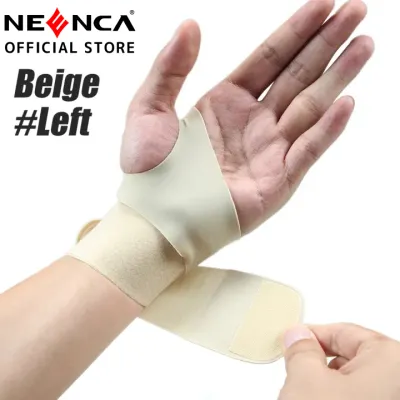
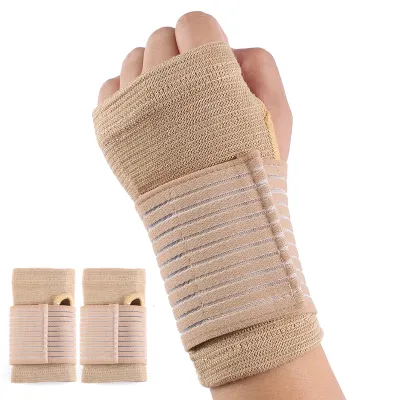
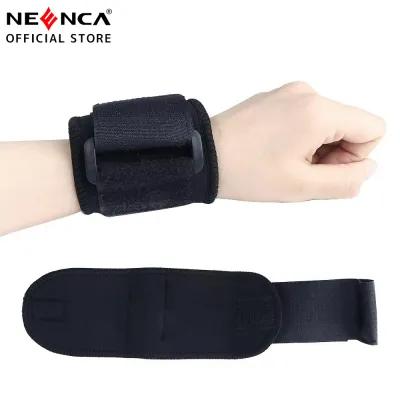
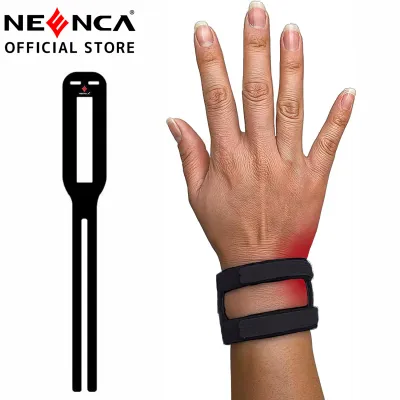
Prices are valid at publication and may change. Please refer to the product page for the latest price.
For mild discomfort arising from repetitive tasks—such as typing, drafting, or assembly line work—the primary objective is to reduce fatigue and maintain healthy alignment. These tasks typically require a low-profile, highly flexible support that provides gentle compression to promote blood flow while allowing full finger and thumb dexterity. The brace should act as a subtle physical reminder to keep the wrist in a neutral position rather than completely immobilizing it.
Post-injury recovery, such as managing sprains, strains, or post-operative healing, demands a completely different approach centered on strict stabilization. Here, limiting movement is crucial to allow damaged ligaments or tendons to heal without being subjected to further stress. These situations require robust internal supports that physically prevent the wrist from bending, and they should always be managed under the guidance of a healthcare professional.
It is vital to recognize when a wrist brace is no longer sufficient and professional medical evaluation is required. If you experience severe pain, visible swelling that does not subside, joint deformity, or an inability to bear any weight on your hand, a brace should not be used as a substitute for medical care. Seeking a proper diagnosis from a doctor or physiotherapist ensures you do not inadvertently worsen a serious underlying condition.
Key Features to Check in Neenca Wrist Braces
When evaluating different Neenca wrist brace models on an online marketplace, paying close attention to specific product specifications will help you determine their suitability. The first feature to analyze is the compression level and the breathability of the materials used. Braces designed for long-term wear, such as during a full workday, must feature moisture-wicking, breathable fabrics to prevent sweat buildup and skin irritation, especially in warm, humid climates like Singapore.

High-intensity, short-term activities can tolerate denser, more supportive materials, but daily-wear options require lightweight, ventilated knits or perforated neoprene. Look closely at the product descriptions to verify if the fabric is designed for airflow. High compression can help reduce minor swelling and provide reassuring sensory feedback, but it must be balanced with material softness to ensure you can wear the brace comfortably for the required duration.
The presence and type of internal supports are critical indicators of a brace’s rigidity. Many supportive models feature built-in splints, often referred to as stays, which are made of aluminum or rigid plastics. Check whether these splints are removable; removable stays offer excellent versatility, allowing you to transition the brace from a highly rigid stabilizer during early recovery to a more flexible support as your strength returns.
Other models utilize flexible gel pads or spring stabilizers instead of rigid metal plates. These components are designed to absorb shock and provide targeted pressure around the wrist bones without locking the joint in place. If your activity requires you to bend your wrist frequently, a model with gel inserts or flexible side stabilizers will offer a much better balance of protection and mobility than one with a solid metal splint.
Finally, examine the strap mechanisms and overall closure design of the brace. Dual-strap or multi-strap configurations allow you to customize the tension across different parts of your hand and wrist, accommodating individual anatomical variations. Wrap-around designs, on the other hand, offer quick application and easy adjustments on the go, making them highly convenient for sports or intermittent tasks where you need to frequently apply and remove the support.
Matching Neenca Brace Types to Specific Scenarios
To simplify your decision-making process, it helps to categorize your daily activities and match them directly to the structural design of the brace. The following sections outline how specific design elements align with athletic, professional, and recovery demands, helping you choose the right configuration for your lifestyle.
For Sports and High-Impact Activities
Athletic pursuits demand a wrist brace that prioritizes dynamic mobility, secure grip, and efficient sweat management. When participating in sports like tennis, badminton, weightlifting, or functional fitness, your wrist must retain enough flexibility to execute precise movements while receiving adequate reinforcement against hyperextension. For these activities, look for flexible compression sleeves or wrap-around straps that do not contain rigid metal splints.
Grip security is another critical factor to verify before purchasing an athletic wrist support. Dynamic movements can cause a brace to slip or bunch up, which not only distracts you but also compromises the support it provides. Check the product specifications for non-slip silicone strips along the inner cuffs or secure thumb-loop designs that anchor the brace firmly in place, ensuring it remains stable even during high-velocity swings or heavy lifts.
Frequent athletic use means the brace will regularly be exposed to sweat and dirt, making durability and ease of maintenance highly important. Verify the manufacturer’s guidelines regarding washing and material resilience to ensure the elastic fibers and Velcro fasteners can withstand frequent cleaning. Opting for high-quality, double-stitched edges and robust hook-and-loop closures will prevent premature fraying and ensure the brace maintains its supportive tension over time.
For Office Work and Typing
Desk-bound professionals require a wrist brace that focuses on ergonomics, low-profile design, and long-term comfort. If your primary goal is to alleviate discomfort from hours of typing, mouse navigation, or writing, a bulky or highly rigid brace will likely hinder your productivity. Instead, prioritize slim, lightweight designs that easily fit under a long-sleeved shirt and do not physically obstruct your desk setup.
The level of compression is a key factor to evaluate for sedentary office environments. While firm compression is helpful for short-term recovery, prolonged static typing sessions require moderate, gentle compression that supports the joint without restricting healthy blood circulation. A brace that is too tight can compress nerves and blood vessels, leading to cold fingers or increased discomfort during long stretches of desk work.
Pay close attention to the construction of the edges and the inner lining of the brace. Because your wrist will frequently rest on or slide across the edge of your desk, any rough seams, exposed Velcro, or hard plastic components can cause friction burns and skin irritation. Look for models featuring seamless edges, soft microfiber linings, and flat-stitched seams to ensure smooth, irritation-free contact with both your skin and your workspace.
For Injury Recovery and Medical Support
When recovering from a diagnosed wrist sprain, tendonitis, or post-operative healing, the primary objective shifts entirely to maximum stabilization and joint immobilization. For these scenarios, you should look for Neenca models that feature rigid or semi-rigid removable aluminum splints. These splints are anatomically contoured to keep your wrist in a neutral, resting position, preventing the harmful flexion and extension that can disrupt the healing process.
Adjustability is crucial during recovery because joint swelling can fluctuate significantly throughout the day. A brace with multiple adjustable straps allows you to loosen or tighten the support to accommodate changes in swelling without sacrificing overall stability. This adaptability ensures that the brace remains comfortable and effective whether your wrist is highly inflamed in the morning or settling down later in the day.
It is absolutely essential to remember that a supportive brace is a tool to assist recovery, not a replacement for professional medical guidance. Always consult your doctor, orthopedist, or physiotherapist to establish a clear protocol for how many hours a day you should wear the brace, when to remove it for gentle rehabilitation exercises, and how tightly it should be fastened. Overusing a rigid brace without professional oversight can lead to muscle weakness and joint stiffness.
How to Verify Fit, Sizing, and Safety Limits
An improperly fitting wrist brace can be counterproductive, either failing to provide adequate support or causing secondary issues due to restricted circulation. To ensure a proper fit, always refer to the manufacturer’s specific sizing chart on the product listing. Do not assume your size based on previous purchases from other brands, as sizing standards vary significantly between manufacturers.
Accurately measuring your hand and wrist is the most critical step in the selection process. Use a flexible measuring tape to measure the circumference of your wrist joint, or if specified by the sizing guide, the widest part of your hand across the knuckles. If your measurement falls directly between two sizes, it is generally advisable to check the manufacturer’s recommendation; often, choosing the larger size allows for better adjustability, while the smaller size provides a tighter, more compressed fit.
Once you receive your brace, it is vital to monitor how your body responds to wearing it. Put the brace on and adjust the straps to a comfortable, snug tension, then check for immediate warning signs of excessive tightness. If you experience numbness, a pins-and-needles sensation, cold fingertips, or a bluish tint in your fingernails, the brace is restricting your blood flow or compressing a nerve. Loosen the straps immediately or remove the brace entirely.
Establish clear stopping conditions to protect your physical well-being. If you notice increased pain while wearing the brace, skin redness that does not fade after removal, skin breakdown, or signs of an allergic reaction to the material, discontinue use immediately. Furthermore, if your symptoms do not show any improvement after a few weeks of consistent use, stop relying solely on the brace and seek a comprehensive evaluation from a qualified healthcare professional.
Where to Buy and What to Check Before Checkout
When purchasing a Neenca wrist brace online, taking a few precautionary steps before finalizing your order can save you time and ensure you receive an authentic, high-quality product. Start by verifying the seller’s credentials on your chosen e-commerce platform. Look for official brand stores or authorized distributors to minimize the risk of purchasing counterfeit goods, which often lack the structural integrity and material quality of genuine products.
Carefully review the platform’s return and exchange policies, paying close attention to any specific restrictions on wearable health and sports items. Because wrist braces come into direct contact with the skin and may absorb sweat, some retailers classify them as hygiene-sensitive products, which can limit your ability to return them once the packaging is opened. Ensure you understand these terms so you know your options if the brace does not fit as expected.
Before clicking the checkout button, double-check that you have selected the correct size and hand orientation from the product dropdown menus. Take a moment to review the localized sizing charts provided in the listing images to confirm your measurements align with the selected size. Finally, check for accessible manufacturer contact details or customer service channels within the listing, giving you a direct line of communication should you have any questions about the product upon delivery.
Frequently Asked Questions (FAQ)
Can I wear a Neenca wrist brace while sleeping?
Whether you can safely wear a wrist brace overnight depends entirely on the design of the specific model and your underlying condition. Braces designed specifically for night use typically feature a neutral, contoured splint that keeps the wrist straight to prevent accidental bending during sleep, which is highly beneficial for conditions like carpal tunnel syndrome. However, daytime compression sleeves or highly restrictive athletic wraps are generally not suitable for overnight wear, as prolonged, unmonitored compression can restrict blood circulation and compress nerves while you sleep. Always consult a healthcare professional to determine if overnight splinting is appropriate for your recovery and to get a recommendation on the safest model to use.
How do I clean and maintain my wrist brace?
Proper maintenance is essential to preserve the elasticity, hygiene, and structural integrity of your wrist brace over time. Always begin by checking the manufacturer’s care label stitched inside the brace for specific washing instructions. As a general rule, hand-washing the brace in cold water with a mild, gentle soap is the safest method to remove sweat and oils without damaging the technical fabrics. Avoid using harsh detergents, fabric softeners, or bleach, as these chemicals can rapidly degrade the elastic fibers and weaken the hook-and-loop fasteners. After washing, gently squeeze out excess water without wringing the fabric, and lay the brace flat to air-dry in a well-ventilated area away from direct sunlight or direct heat sources like radiators. Never place the brace in a mechanical dryer, as the high heat can warp plastic components, shrink the fabric, and ruin the adhesive backing of the Velcro.
Should I wear the brace on my left or right wrist?
When purchasing a wrist brace, it is crucial to determine whether the model you are selecting is hand-specific or ambidextrous. Some models feature a symmetrical design that can be worn interchangeably on either the left or right hand, which offers excellent versatility if you experience bilateral discomfort. However, many highly supportive models, especially those with pre-curved aluminum splints, are anatomically contoured specifically for either the left or right wrist to ensure proper alignment and comfort. Carefully read the product title, description, and selection dropdowns on the online marketplace to ensure you select the correct hand orientation before placing your order. Upon delivery, physically inspect the brace to verify that the thumb hole and the curvature of any internal splints align naturally with the hand you intend to support.

Community discussion
Share your experience or ask a question. Comments are reviewed before publication.