
To choose the right neuro ball, you must first clarify whether your primary objective is building raw grip strength or recovering from a hand injury. Grip training requires high-density, firm materials that challenge your muscles and forearms, whereas hand rehabilitation demands low-resistance, highly textured surfaces to stimulate nerves and gently restore joint mobility. Selecting the wrong type not only stalls your progress but can also lead to chronic strain or re-injury.
Identify Your Goal: Are You Training for Strength or Recovering?
Understanding the physiological differences between active conditioning and therapeutic recovery is the first step in selecting your equipment. Grip training focuses on mechanical overload to stimulate muscle hypertrophy and tendon adaptation in the hand, wrist, and forearm. This process requires progressive resistance to build crushing power, pinch strength, and support endurance for athletic activities like rock climbing, weightlifting, or racket sports.
In contrast, hand rehabilitation focuses on restoring functional mobility, improving localized blood circulation, and re-establishing neuromuscular pathways after an injury or prolonged immobilization. Rather than pushing tissues to their physical limits, rehabilitation aims to gently mobilize stiff joints, reduce swelling, and re-educate the sensory receptors in your palm and fingers.
Products mentioned in this guide
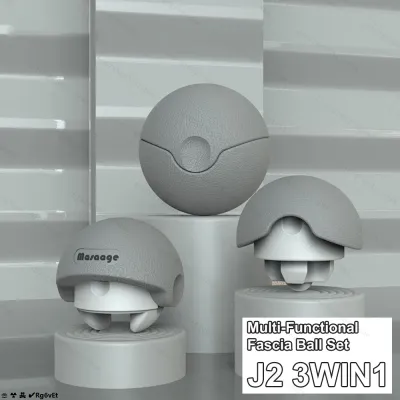
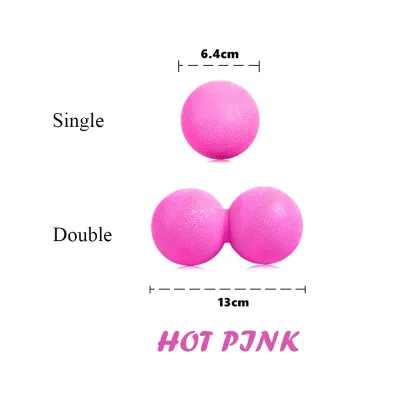
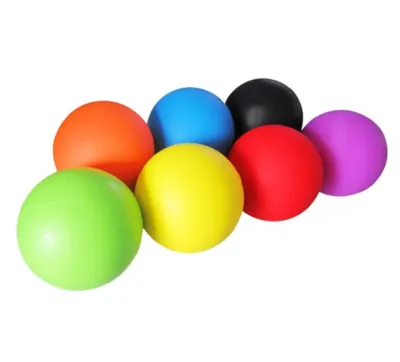
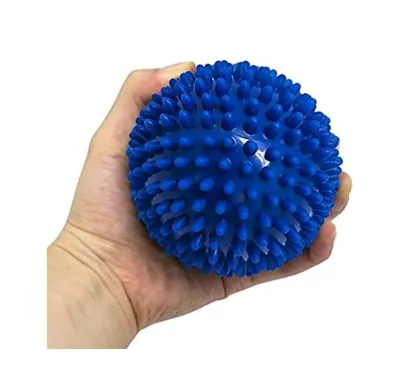
Prices are valid at publication and may change. Please refer to the product page for the latest price.
To determine which pathway fits your current physical state, ask yourself the following self-assessment questions:
- Are you free from pain during daily tasks like opening jars, typing, or turning doorknobs?
- Is your primary goal to lift heavier weights, hang longer on a climbing wall, or improve athletic performance?
- Are you currently recovering from a diagnosed medical condition, such as carpal tunnel syndrome, arthritis, tendonitis, or a recent fracture?
- Do you experience sharp pain, swelling, or joint stiffness when performing basic hand movements?
If you answered yes to the first two questions, your focus is grip training. If you answered yes to either of the last two questions, you are in the rehabilitation phase.
Using a high-resistance grip ball when your hand tissues are inflamed or healing can cause micro-tears in vulnerable tendons, worsening conditions like repetitive strain injuries (RSI) or tendonitis. Conversely, squeezing a soft, sensory-focused ball will not provide enough mechanical tension to trigger muscle growth or increase crushing strength for an experienced athlete.
Regardless of your long-term athletic ambitions, the baseline rule for hand care is that joint health and pain-free movement must always precede strength gains. Attempting to train through joint inflammation or structural pain will inevitably lead to longer setbacks and potential long-term mobility loss.
Choosing a Neuro Ball for Grip Training: Firmness and Durability
When your goal is to build a powerful grip, your neuro ball must act as a serious training partner that forces your forearm flexors and intrinsic hand muscles to work against significant resistance. Firmness is the most critical factor here because muscles only adapt and grow stronger when subjected to progressive mechanical tension. A high-quality grip ball should require a deliberate, forceful effort to compress, ensuring that your muscles are fully engaged throughout the entire squeezing motion.

The physical size of the training ball must align with your hand anatomy to facilitate a safe and effective range of motion. If the ball is too small, your fingers will curl too tightly, placing excessive stress on your finger joints and limiting the engagement of your forearm muscles. If the ball is too large, you will struggle to wrap your fingers around it securely, which can force your wrist into awkward, compromised angles that increase the risk of wrist strain during heavy squeeze routines.
Sweaty hands are a common challenge during intense gym sessions, which makes the surface texture of your training ball highly important. Look for a ball with a moderate, non-slip texture—such as fine ribbing, matte finishes, or subtle geometric patterns—that provides secure traction without being overly abrasive. Extremely sharp spikes or rough textures can cause painful skin tears or blisters when compressed with high force, which will disrupt your training consistency.
Durability is another essential consideration because grip training involves repetitive, high-force crushing over long periods. Cheap foam or low-grade silicone balls tend to degrade quickly, permanently losing their shape, splitting open, or softening until they no longer provide adequate resistance. Investing in high-density, vulcanized rubber or premium medical-grade silicone ensures the ball maintains its structural integrity and resistance profile through years of rigorous use.
When shopping in Singapore, look for materials that resist moisture and humidity, as high-humidity environments can accelerate the breakdown of low-quality plastics and synthetic foams. Premium silicone and dense rubber options remain stable and easy to clean, making them ideal for local tropical conditions.
Choosing a Neuro Ball for Hand Rehabilitation: Texture and Gentle Resistance
Rehabilitating a hand requires an entirely different design philosophy focused on low resistance, high sensory feedback, and gentle tissue mobilization. When recovering from surgery, injury, or chronic conditions like arthritis, your hand’s tendons and ligaments are highly vulnerable to strain. A rehabilitation ball must be exceptionally soft and easily compressible, allowing you to perform gentle squeezing movements without triggering pain or overloading healing tissues.
The defining feature of a true neuro ball is its specialized surface texture, which typically features pronounced, rounded nodules or flexible spikes. These sensory elements are designed to stimulate the dense network of nerve endings in your palm and fingertips, which helps restore proprioception (your brain’s awareness of your hand’s position) and improves fine motor control. The physical sensation of these nodules pressing into the skin also helps desensitize hypersensitive scar tissue and promotes localized blood flow to accelerate healing.
A successful rehabilitation program relies on a progressive loading strategy, starting with the absolute lowest resistance level available. In the early stages of recovery, your focus should be entirely on restoring joint range of motion and reducing stiffness, rather than building muscle. As your hand heals and your pain-free mobility increases, you can gradually transition to slightly firmer variations to rebuild basic functional strength.
Because hand anatomy and injury recovery pathways are highly individual, always consult a qualified physiotherapist or medical professional before starting any new exercise routine. A professional can assess your specific condition, recommend the appropriate initial firmness level, and design a customized program that ensures you do not inadvertently delay your recovery.
Safe Usage Guidelines and When to Stop
To maximize the benefits of your neuro ball and protect your hand health, you must follow structured, goal-specific guidelines tailored to your current physical condition.
For those focusing on grip training, structure your sessions around controlled repetitions and timed holds to build both crushing power and endurance. For example, perform 3 sets of 10 to 12 slow, deliberate squeezes, holding each squeeze for 3 to 5 seconds before slowly releasing. Always maintain a neutral, straight wrist alignment during these exercises, as bending your wrist while applying high force can compress the median nerve and lead to wrist strain.
If you are using the ball for rehabilitation, shift your focus away from high-intensity squeezing toward gentle, high-repetition movements designed to promote circulation and mobility. Practice light, pain-free squeezes, roll the ball gently between your palms, or use the textured surface to massage tight forearm muscles. You can also place the ball on a flat surface and press individual fingers into it to work on isolated finger extension and coordination.
Regardless of your goals, you must listen to your body and watch for clear warning signs that indicate you need to stop immediately. If you experience sharp or shooting pain, sudden numbness, tingling in your fingers, clicking in your joints, or increased swelling after a session, stop using the ball and seek professional medical advice. These symptoms often indicate nerve compression, joint instability, or acute tendon inflammation that requires professional evaluation.
Finally, maintain proper equipment hygiene and safety by inspecting your neuro ball regularly for signs of wear, such as deep cracks, tears, or sticky surface degradation. Clean the ball after every use by wiping it down with a damp cloth and mild soap, then letting it air dry completely away from direct sunlight. Keeping the surface clean prevents the buildup of sweat, oils, and bacteria, ensuring a hygienic grip for your next session.
Frequently Asked Questions (FAQ)
Can I use the same neuro ball for both grip training and rehabilitation?
Using a single neuro ball for both purposes is generally not recommended because the physical demands of training and recovery are fundamentally opposed. A ball firm enough to build athletic grip strength will be too stiff and painful for a recovering hand, while a soft rehabilitation ball will not provide enough resistance to stimulate muscle growth. However, if you are transitioning from the late stages of rehab back into active training, purchasing a multi-density set or a progressive resistance kit can provide a safe, step-by-step pathway to bridge the gap.
How often should I use a neuro ball for hand recovery?
For rehabilitation and active recovery, gentle, low-intensity sessions can often be performed daily or even multiple times a day to relieve stiffness and promote blood flow. These sessions should never cause fatigue or pain and should focus on light mobility and sensory stimulation. In contrast, intense grip training sessions that target muscle hypertrophy require dedicated rest days—typically 48 hours between workouts—to allow your forearm muscles and tendons to repair and grow stronger.
Are large spiky massage balls the same as neuro balls for grip?
No, large spiky massage balls and hand-sized neuro balls serve very different functions and should not be used interchangeably. Large spiky balls are designed with hard, rigid plastics meant to withstand full body weight for myofascial release on large muscle groups like the back, glutes, or calves. Neuro balls designed for the hands are smaller, softer, and ergonomically shaped to fit comfortably within a closed fist, allowing for controlled squeezing, finger isolation, and targeted nerve stimulation without damaging the delicate structures of the hand.
Community discussion
Share your experience or ask a question. Comments are reviewed before publication.