
Selecting the perfect pool float kids use during swim sessions involves more than picking a bright color or a fun animal shape. In Singapore’s year-round tropical climate, where weekend visits to condominium pools or public ActiveSG swimming complexes are a staple of family life, ensuring your child has the right flotation support is paramount. The ideal pool float must align perfectly with your child’s current swimming ability, physical size, and water confidence. Relying solely on age recommendations printed on packaging can lead to safety hazards or hinder your child’s natural progression in learning how to swim. Understanding how to evaluate your child’s comfort in the water and matching it to the correct float design ensures both safety and fun.
Assessing Your Child's Water Confidence Before Choosing a Float
Before browsing online marketplaces or local sports stores for a pool float kids can use, you must objectively evaluate your child’s current water confidence. Age is a helpful starting point, but physical development and psychological comfort in the water vary significantly from child to child. A two-year-old who has attended infant swim classes since birth will have vastly different needs than a four-year-old experiencing a large pool for the first time.
To accurately assess your child’s water confidence, look for specific, observable behaviors during pool sessions. Note how they react to water splashing near their face. Children who comfortably submerge their mouth and nose, blow bubbles willingly, and splash without panic exhibit high baseline confidence. Conversely, if a child clings tightly to your neck, avoids letting water touch their face, or stands frozen on the shallow steps, their confidence level is still in the introductory phase.
Products mentioned in this guide
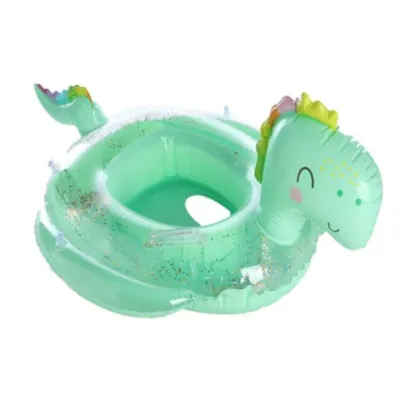
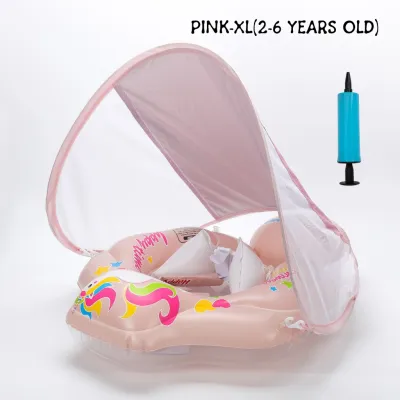
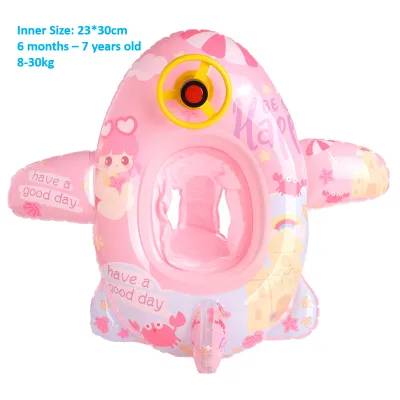
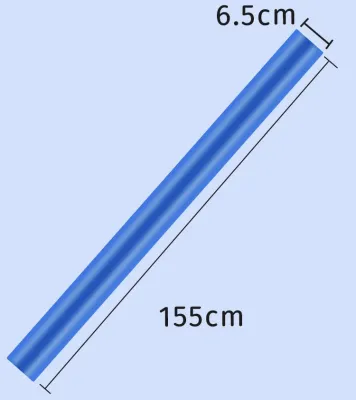
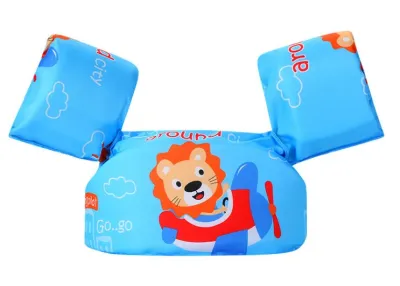
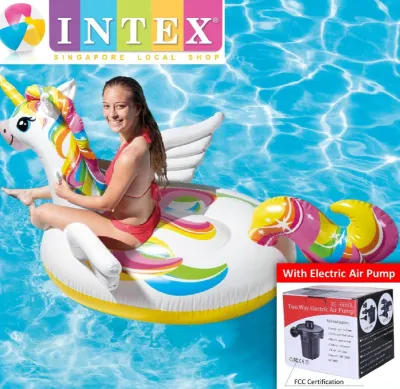
Prices are valid at publication and may change. Please refer to the product page for the latest price.
Based on these observations, children generally fall into one of three distinct swimming skill levels:
- Non-swimmers: These children require full physical support at all times. They cannot keep their head above water independently, may panic when splashed, and lack the motor skills or strength to propel themselves. For this group, pool floats serve as a tool for water familiarization rather than independent exploration.
- Beginners: These children are starting to develop basic propulsion. They are comfortable splashing, can blow bubbles, and may attempt independent dog-paddling or kicking when lightly supported. They need floats that offer buoyancy while allowing their limbs to move freely to practice basic strokes.
- Confident Swimmers: These children can comfortably submerge their entire head, float on their backs, tread water for short periods, and swim short distances without assistance. For them, floats are recreational toys used for lounging or play, rather than critical buoyancy aids.
Never let age-based marketing labels override these real-world observations. A float labeled for ages three to six might be highly dangerous for an anxious six-year-old non-swimmer, just as it might restrict a highly capable three-year-old beginner. Always prioritize your child’s physical size, weight, and actual water comfort over the age range printed on the box.
Matching Pool Float Designs to Age and Swimming Levels
Different pool float designs offer varying degrees of physical support, stability, and freedom of movement. Matching the design to your child’s assessed skill level prevents accidents and supports their developmental progress.

Infant and Toddler Seats (Ages 6 Months to 2 Years)
For infants and toddlers who are non-swimmers, the primary goal of pool time is gentle water introduction and parent-child bonding. Float designs for this category typically feature a secure, built-in seat with smooth leg holes and, in some cases, a safety harness. These seats keep the child’s lower body submerged while holding their chest and head securely above the water line.
It is vital to understand that these seated floats are strictly recreational tools for water familiarization. They do not teach independent swimming or water safety skills. Because a baby’s center of gravity is high, these floats carry a risk of tipping over if the child leans too far or if a sudden wave disturbs the water.
When selecting a seat float, always verify that the design features a wide, stable outer ring base to minimize the risk of flipping. Check the manufacturer’s weight specifications carefully; a child who is too light may sit too high and tip over, while a child who exceeds the weight limit can cause the float to sit dangerously low in the water.
Support Rings and Arm Floats (Ages 2 to 4 Years)
As toddlers transition into preschoolers, their desire for independence in the water grows. This stage requires a shift from passive, seated floats to active support designs like swim vests, arm bands, or chest-and-arm hybrid floats. These designs position the child in a more natural, horizontal swimming posture, encouraging them to practice kicking and basic arm strokes.
Achieving a proper fit is the most critical factor when choosing support rings or wearable arm floats. A device that is too loose can easily slip off when the child jumps into the pool or lifts their arms, posing an immediate drowning risk. Conversely, a device that is too tight will chafe the skin, restrict blood circulation, and limit the natural shoulder movement required to learn proper arm strokes.
Even though these devices allow children to float upright or horizontally with minimal assistance, they do not make a child drown-proof. Children in this category still require constant, active, touch-distance adult supervision. A parent must remain within arm’s reach at all times, ready to assist if the child slips through a ring or struggles to keep their face out of the water.
Loungers and Ride-Ons for Confident Swimmers (Ages 4+ Years)
For older children who have achieved independent swimming skills, pool floats transition from safety aids to pure recreational toys. This category includes large inflatable ride-ons (such as swans, flamingos, or vehicles), flat loungers, and oversized inflatable rings. These items are designed for play, balancing, and relaxing in the sun.
These large floats should only be used by children who are already capable, confident swimmers. Ride-ons and loungers are inherently unstable; they can easily flip over when a child tries to climb aboard, or drift rapidly toward the deep end of the pool under the influence of wind or currents. A child who cannot swim confidently could easily panic and submerge if thrown unexpectedly into deep water.
Additionally, parents must exercise caution regarding the physical dimensions of these floats. Large, opaque ride-on toys can block a lifeguard’s or parent’s line of sight, hiding a struggling child beneath the float. Always choose sizes that are appropriate for your pool’s dimensions and ensure you maintain a clear, unobstructed view of your child at all times.
Safety Features and Specifications to Verify Before Purchase
When shopping for a pool float kids will use, safety must take precedence over aesthetics. Before finalizing your purchase, run through this practical checklist to verify the design’s build quality, materials, and safety certifications.
- Air Chambers and Valves: High-quality inflatable floats feature multiple independent air chambers rather than a single large chamber. If one chamber suffers a puncture, the remaining chambers will provide enough residual buoyancy to keep the float from sinking instantly. Additionally, look for secure, recessed safety valves that push flat into the float's surface. This design prevents small hands from accidentally pulling the valve open during play and prevents the valve from snagging on swimwear.
- Sun Protection: In Singapore's intense tropical climate, UV exposure is a constant concern. For outdoor pools, prioritize infant and toddler floats equipped with integrated, removable sun canopies. Verify that the canopy material carries a certified UPF (Ultraviolet Protection Factor) rating, ideally UPF 50+, to shield your child's delicate skin from harmful ultraviolet rays.
- Grab Handles and Materials: Look for heavy-duty, welded plastic grab handles on the sides of the float. These handles give parents a secure point to hold onto and help older kids maintain their balance. Inspect the material composition on the packaging; high-quality floats are constructed from thick, puncture-resistant vinyl or PVC that is explicitly certified as non-toxic and free from harmful phthalates.
- Label Verification: Never rely on visual estimates of a float's size or suitability. Always read the product packaging or manufacturer's specification sheet to verify the exact weight limits, age recommendations, and safety warnings. If your child's weight is close to the upper limit of a specific category, transition to the next size up, provided their physical proportions fit securely.
When to Transition Away from Recreational Pool Floats
While recreational pool floats offer excellent opportunities for water play, relying on them for too long can actually hinder your child’s swimming development. Recognizing when to transition away from these devices is key to helping your child become a truly independent and safe swimmer.
A primary sign that a float is hindering development is when a child exhibits a false sense of security. If your child refuses to enter the water without their float, or if they rely entirely on the device’s buoyancy instead of practicing kicking, treading water, or proper breathing techniques, the float has become a crutch. Over-reliance on flotation toys can prevent children from learning how their bodies naturally float, balance, and move in the water.
It is crucial to differentiate between recreational pool floats and certified swimming aids or personal flotation devices (PFDs). Recreational floats are classified as toys; they are not subject to the rigorous safety testing required for lifesaving equipment. If your goal shifts from casual water play to teaching your child survival swimming skills, you should transition to instructor-approved swim training aids, such as kickboards, pull buoys, or swim belts, under the guidance of a qualified swim coach.
Enrolling your child in formal swimming lessons is the safest way to build genuine water independence. Professional instructors use structured, progressive techniques that gradually reduce reliance on flotation support, ensuring your child develops the physical strength, coordination, and safety habits needed to navigate the water confidently without any artificial aids.
Frequently Asked Questions (FAQ)
Can a pool float replace a life jacket?
No, a recreational pool float can never replace a certified life jacket or personal flotation device (PFD). Pool floats are legally classified as toys and do not meet the strict safety, buoyancy, and self-righting standards required for lifesaving equipment. A pool float can easily puncture, deflate, or slip away from a child in an instant. Life jackets are mandatory for open water activities, boating, or any scenario where immediate rescue is not guaranteed. In contrast, recreational pool floats are strictly designed for supervised play in calm, enclosed swimming pools where an adult is within arm’s reach.
How do I clean and store inflatable pool floats?
Proper maintenance extends the lifespan of your inflatable pool floats and prevents hygienic issues like mold and mildew. After every pool session, rinse the float thoroughly with clean, fresh tap water to remove residual chlorine, salt, sunscreen, and body oils, which can degrade the plastic over time. Allow the float to air-dry completely in a shaded area; avoid leaving it in direct sunlight, as intense UV rays can weaken the material and cause the colors to fade. Once fully dry, deflate the float completely and store it in a cool, dry indoor space away from sharp objects, pests, and extreme heat.
Community discussion
Share your experience or ask a question. Comments are reviewed before publication.