
Finding the right pull up bar for your Housing & Development Board (HDB) flat requires balancing your fitness goals with the structural realities of Singaporean public housing. Because HDB layouts feature specific wall compositions, standardized door frames, and compact room dimensions, a pull up bar that works in a spacious landed property may not be safe or practical in your flat. Choosing the wrong type can lead to cracked door architraves, damaged drywall, or structural drilling violations.
To make an informed decision, you must evaluate three primary options: doorway bars, wall-mounted systems, and freestanding power towers. Doorway bars offer a drill-free setup ideal for renters but require highly specific frame dimensions. Wall-mounted bars provide excellent stability for dynamic workouts but demand careful navigation of HDB wall types. Freestanding stations offer versatility and zero installation hassle but require a substantial floor footprint. By analyzing your flat’s layout and structural limits, you can select a secure setup that protects both your body and your home.
Measure Your HDB Space: Key Dimensions for Pull Up Bars
Before purchasing any fitness equipment, you must map out the physical boundaries of your intended workout zone. In an HDB flat, potential locations typically include bedrooms, living rooms, covered balconies, or the hallway. Each area presents distinct spatial challenges, such as proximity to ceiling fans, light fixtures, and high-traffic walkways. Failing to measure these areas beforehand can result in an unusable setup or accidental collisions during exercise.
Products mentioned in this guide
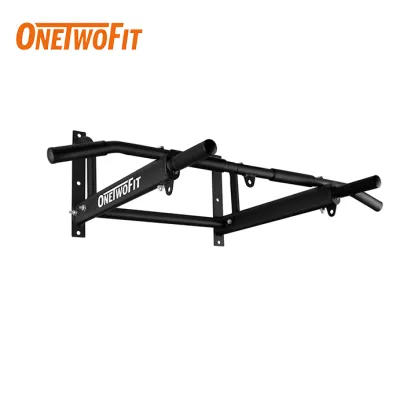
![[Ready Stock] UltimateSup Wall Mounted Pull Up Bars Portable Home Chin Up Fitness Equipment Pull Up Bar No Drilling Load Bearing](https://img.lazcdn.com/g/p/9e3a5040799705b35dace88921b6ab7b.png_400x400q80.png_.webp)
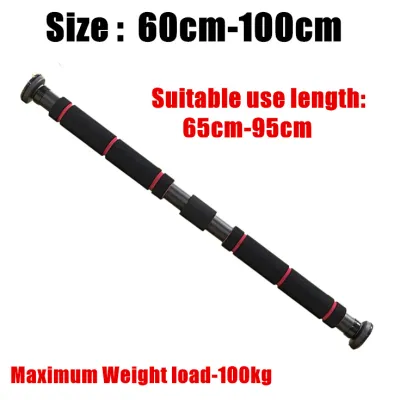
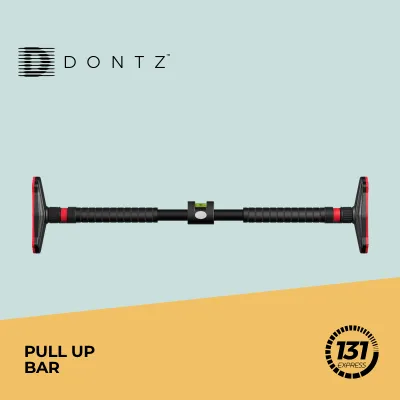
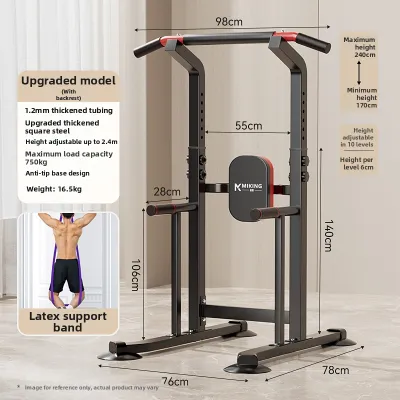
Prices are valid at publication and may change. Please refer to the product page for the latest price.
To establish a safe workout environment, compile a precise checklist of your space’s physical dimensions. Measure the width and depth of your target door frames, the ceiling height from floor to concrete slab, and the available floor area. For wall-mounted options, check the clearance distance between the wall and nearby furniture. You must also account for the dynamic swing radius of your body; a standard pull-up requires at least one meter of clear space both in front of and behind the bar to accommodate natural body sway without hitting obstacles.
Understanding your flat’s wall composition is critical because it dictates whether you can safely drill into the surface. HDB flats contain two main wall types: structural concrete walls and non-structural partition walls. Structural walls, such as precast reinforced concrete panels and shear walls, carry the building’s load and are highly resistant to standard drilling. Non-structural walls, typically made of lightweight concrete blocks or drywall, are easier to drill but have lower load-bearing capacities. You must identify these wall types using your flat’s official floor plan before planning any wall-mounted installations.
Doorway Pull Up Bars: Navigating HDB Door Frames and Widths
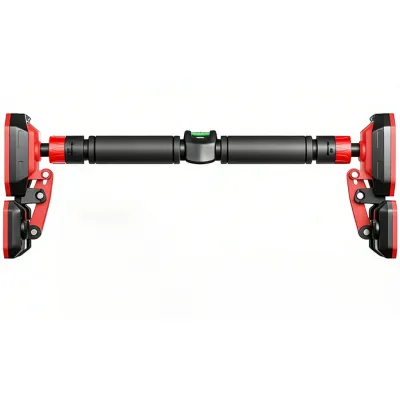
Doorway pull up bars are popular for their convenience and lack of permanent installation requirements. These bars generally fall into two categories: telescopic (friction-fit) bars and leverage (hook-on) bars. Telescopic bars extend outward to press tightly against the inner sides of the door frame, relying entirely on friction and pressure. Leverage bars hook over the top of the door architrave on one side and use your body weight to press against the front of the frame on the other side.

Standard HDB bedroom door frames typically feature widths ranging between 70cm and 90cm, with frame depths of 10cm to 15cm. Before buying a leverage bar, verify that your door frame’s top trim or architrave is wide and sturdy enough to support the hook. If your flat has modern metal door frames or lack protruding wooden architraves, a leverage bar may not sit securely. In contrast, telescopic bars are highly adaptable to various widths but require a solid, non-slip surface to prevent sliding.
Mounting equipment inside a doorway carries a distinct risk of cosmetic or structural damage to your flat. The intense lateral pressure from telescopic bars can warp or crack wooden door frames, while leverage bars can leave deep dents or scuffs on plaster and paint. To mitigate this risk, look for bars equipped with wide, non-marking silicone pads that distribute pressure evenly. Alternatively, choose no-screw designs that utilize large endpieces to spread the load across a broader surface area of the frame.
While doorway bars are an excellent temporary solution for renters, they have strict weight and usability limitations. Most doorway bars are rated for user weights between 100kg and 120kg, but this capacity is ultimately limited by the strength of your door frame rather than the metal bar itself. Always inspect your door frame for signs of wood rot, loose joints, or hollow metal construction before use. Additionally, keep in mind that doorway bars reduce overhead clearance, which can obstruct normal foot traffic and prevent you from fully closing the bedroom door.
Wall-Mounted Bars: Space Planning and HDB Wall Limits
Wall-mounted pull up bars are the preferred choice for dedicated home gyms because they offer superior stability and allow for a wider range of motion. Because these bars are bolted directly into the wall, they can easily support heavier loads and dynamic movements like chin-ups, wide-grip pull-ups, and leg raises. However, installing one requires permanent alterations and careful spatial planning to ensure the bar does not interfere with daily household activities.
When planning a wall-mounted setup, you must ensure there is sufficient clearance around the equipment. The bar should protrude far enough from the wall (typically 40cm to 50cm) to allow your knees and chest to clear the surface during exercises, but not so far that it blocks narrow corridors or bedroom walkways. Dedicated workout zones, such as a cleared corner of a spare bedroom or a study room, are ideal because they keep the workout area separate from high-traffic living spaces.
Identifying the correct wall for installation is a critical safety step. In Singapore, drilling into HDB structural concrete walls, columns, or beams with heavy-duty rotary hammers is restricted because it can damage internal steel reinforcement bars (rebars). Instead, target non-structural partition walls, which are designed to divide internal spaces. Always refer to your flat’s layout plan—structural walls are indicated by thick, bold lines, while non-structural walls are represented by thin lines.
To ensure a wall-mounted bar remains securely anchored under dynamic loads, you must use high-quality wall fasteners. Standard plastic wall plugs are highly prone to pulling out under the shifting weight of a human body. Instead, use heavy-duty steel sleeve anchors or shield anchors that expand inside the concrete block to lock the bracket in place. If your partition wall is made of drywall, you must locate the internal timber or metal studs and mount the bar directly to them; never attempt to mount a pull up bar directly to unsupported plasterboard.
For smaller HDB flats where space is at a premium, look for space-saving hardware designs. Foldable wall-mounted bars feature hinge mechanisms that allow you to fold the pull-up frame flat against the wall when your workout is complete. Other wall-hugging models feature multi-grip configurations that minimize outward protrusion while still providing a variety of hand positions for targeting different muscle groups.
Freestanding and Ceiling Options: Footprint and Height Checks
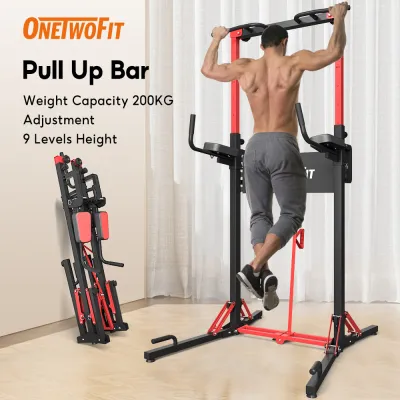
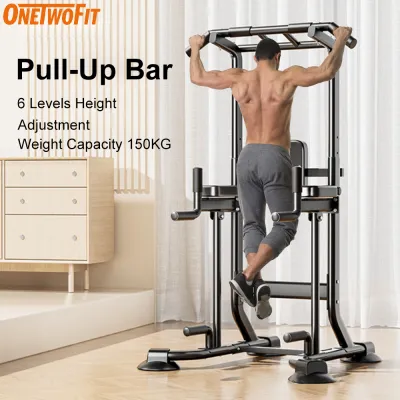
Freestanding pull up stations, commonly referred to as power towers, offer a complete upper-body workout setup without requiring any wall drilling or door frame attachment. These units typically combine a pull up bar with dip handles, push-up bars, and vertical knee-raise stations. While highly versatile, they demand a significant amount of dedicated floor space, usually requiring a footprint of at least 1 meter wide by 1.2 meters deep.
Because power towers rely on a wide base for stability, they are best suited for larger HDB flats, such as five-room units, executive apartments, or spacious living room corners. If you plan to place a freestanding unit on a covered balcony, ensure the area is fully protected from Singapore’s high humidity and rain to prevent the steel frame from rusting. To protect your flat’s flooring—whether it is vinyl, laminate, or parquet—always place a thick, high-density rubber gym mat underneath the unit’s metal base to distribute the weight and absorb vibrations.
Ceiling-mounted pull up bars offer an alternative that keeps your walls and doorways completely clear, but they face severe structural and safety constraints in an HDB environment. Standard HDB ceiling heights are typically around 2.6 meters. To perform a safe pull-up, you need at least 30cm to 40cm of clearance between the top of the bar and the ceiling to avoid striking your head during the upward phase of the exercise. This leaves a narrow margin for positioning the bar at an accessible hanging height.
Furthermore, drilling into HDB ceiling slabs is highly risky and strictly regulated. Ceiling slabs house concealed electrical conduits, structural tension cables, and steel reinforcement. Striking any of these elements during drilling can cause localized power outages, structural damage, or severe personal injury. Given these extreme risks, ceiling-mounted installations are generally not recommended for standard HDB flats unless executed by a licensed contractor who has verified the slab’s internal layout.
Installation Safety and HDB Drilling Guidelines
When installing any fitness equipment that requires mechanical fastening, you must comply with general HDB renovation and safety guidelines. HDB maintains strict regulations to preserve the structural integrity of public housing blocks. Hacking, deep drilling, or altering structural reinforced concrete elements, columns, and household shelter (bomb shelter) walls is strictly prohibited. These blast-resistant shelters are designed to protect occupants during emergencies, and any modification can compromise their safety rating.
If you are uncertain about the load-bearing capacity of a specific wall or cannot confidently identify structural elements on your floor plan, consult the official HDB renovation guidelines or seek professional assistance. Hiring a licensed handyman or contractor ensures that the drilling is performed safely, using the correct drill bits and fasteners for your specific wall material. This professional check helps prevent costly structural damage and ensures the installation is fully compliant with local housing rules.
Before using any newly installed pull up bar, perform a comprehensive safety inspection to verify its stability:
- Verify Fasteners: Check that all screws, bolts, and expansion anchors are driven completely flush against the mounting brackets and show no signs of play.
- Gradual Weight Test: Do not immediately perform dynamic exercises. Begin by gently applying partial body weight, then transition to a full dead hang to observe how the wall or door frame responds.
- Listen for Movement: Pay close attention to any cracking, creaking, or bowing sounds from the mounting surface.
- Establish a Maintenance Routine: Conduct monthly checks to tighten any hardware that may have loosened due to the vibrations of regular use.
Improper installation on an unsuitable surface is a leading cause of home gym accidents. If a wall anchor pulls loose or a door frame splinters mid-exercise, it can result in severe spinal injuries, concussions, or broken bones, alongside expensive property damage. Prioritizing safety checks and adhering to structural guidelines is essential for protecting both yourself and your home.
Common Clearance and Sizing Mistakes to Avoid
One of the most frequent errors made by home gym users is neglecting top head clearance. When mounting a wall bar or adjusting a doorway bar, you must ensure there is enough vertical space above the bar for your head and neck to clear the top of the frame or ceiling. If the bar is positioned too high, you risk striking your head against the ceiling during explosive movements, which can cause serious neck injuries.
Conversely, setting the bar too low creates insufficient leg clearance. If you have to bend your knees excessively or cross your legs deeply behind you to avoid touching the floor, you compromise your core engagement and ruin your exercise form. Ideally, a pull up bar should be mounted at a height that allows you to hang with fully extended arms while keeping your toes just off the ground, promoting a clean hollow-body position.
Another common mistake is ignoring the lateral swing radius. Dynamic movements, kipping pull-ups, or even minor body sway can cause your elbows, knees, or feet to swing outward. If the bar is installed too close to adjacent walls, glass window panels, or bulky furniture, you run the risk of painful impacts. Ensure there is a clear buffer zone of at least 1 meter on all sides of the equipment.
Finally, always calculate your mounting height based on your personal standing reach rather than generic online recommendations. Stand flat on the floor, extend your arms straight overhead, and measure the distance from the floor to your fingertips. Add a few centimeters to this measurement to determine the ideal height for your bar, ensuring you can reach it with a slight hop while maintaining safe clearance from both the floor and the ceiling.
Frequently Asked Questions (FAQ)
Can I mount a pull up bar on my HDB household shelter door?
No, you must never mount a pull up bar or any other fitness equipment on your HDB household shelter (bomb shelter) door or its surrounding steel frame. The household shelter is a highly specialized, blast-resistant structure designed with a heavy, airtight steel door, tight rubber gaskets, and reinforced hinges. Attaching equipment to the door or drilling into the frame can warp the steel, damage the airtight sealing mechanism, and compromise its protective function during an emergency. Furthermore, altering or damaging any part of the household shelter violates HDB regulations and can result in heavy fines and mandatory restoration costs.
Do I need HDB approval to drill holes for a wall-mounted pull up bar?
Generally, minor DIY drilling works for mounting household fixtures like a pull up bar on approved, non-structural partition walls do not require a formal permit from HDB. However, you are fully responsible for ensuring that you do not drill into structural concrete walls, columns, beams, or concealed utility pipes and electrical wiring. If you reside in a newly completed Build-To-Order (BTO) flat, be aware of specific restriction periods regarding wall modifications. If you are unsure of your wall’s composition or lack the proper tools, it is highly recommended to consult a professional contractor to perform the installation safely.
Community discussion
Share your experience or ask a question. Comments are reviewed before publication.