
Selecting the right football requires matching the ball’s construction, materials, and certification to your primary playing environment and frequency of play. Puma offers a diverse range of soccer balls engineered for distinct scenarios, from high-stakes league matches to daily training drills and casual street kickabouts. Choosing the wrong tier can lead to premature wear on abrasive surfaces or underperformance during competitive games.
To make an informed purchase, you must understand how Puma designs and categorizes its footballs. By aligning your budget and playing habits with the appropriate tier, you ensure optimal flight stability, touch, and longevity. This guide breaks down Puma’s soccer ball lineup to help you identify the perfect model for your specific playing conditions, budget, and performance expectations.
How Puma Categorizes Its Soccer Balls: Match, Training, and Play
Puma segments its football lineup into three primary tiers: Match, Training, and Recreational/Street. Each tier is engineered with specific materials, panel bonding methods, and internal bladders to suit different intensities of play. Understanding these distinctions prevents players and coaches from overspending on premium match balls for casual kickabouts, or conversely, using low-cost recreational balls that fail to perform consistently in competitive league matches.
Products mentioned in this guide
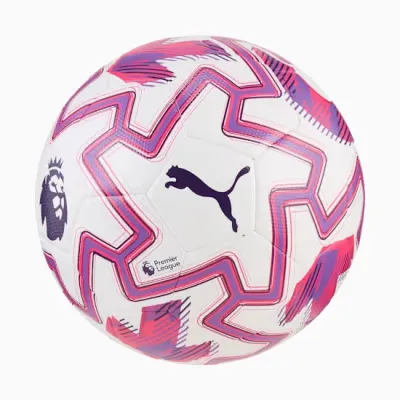
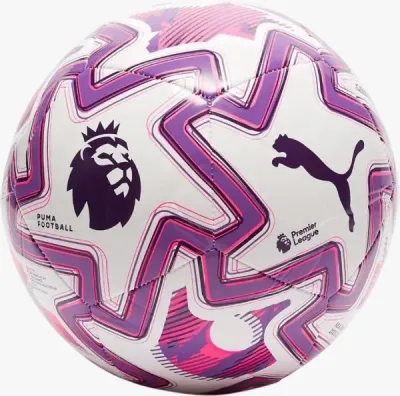
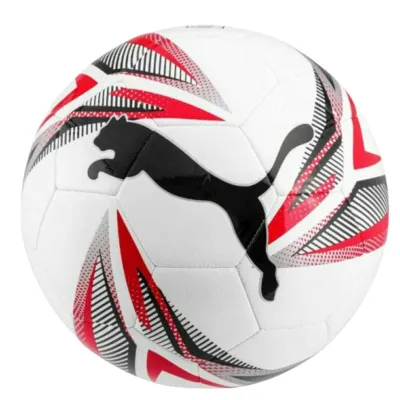
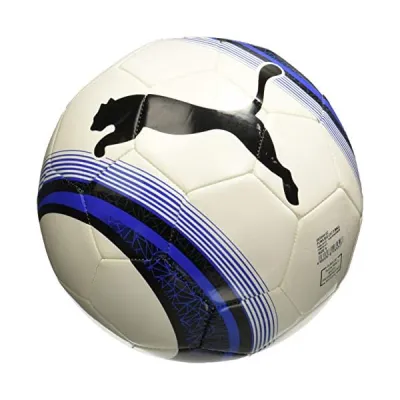
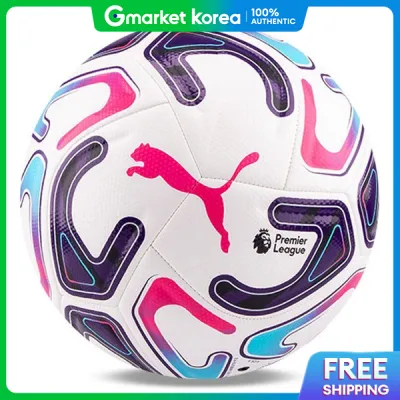
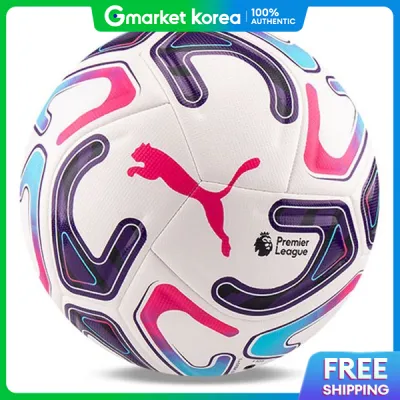
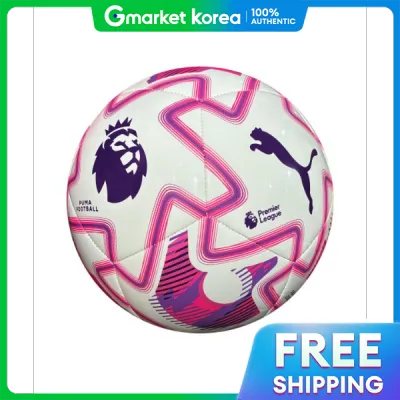
Prices are valid at publication and may change. Please refer to the product page for the latest price.
When browsing Puma’s selection, look for official certification labels printed on the casing, which indicate that the ball has undergone rigorous testing by governing bodies. The highest certification is FIFA Quality Pro, which guarantees professional-grade performance in terms of weight, circumference, roundness, bounce, water absorption, loss of pressure, and shape retention. The standard FIFA Quality mark and the IMS (International Match Standard) certification also indicate high-performance standards suitable for official amateur and youth league play, whereas non-certified balls are designed strictly for training or casual recreation.
Panel construction is the primary differentiator across Puma’s tiers, directly influencing aerodynamics, water resistance, and durability. Premium match balls utilize thermal bonding, a seamless construction method where panels are glued together under heat, resulting in a perfectly spherical shape and virtually zero water absorption. Training balls often feature hybrid construction—which combines machine stitching with adhesive sealing along the seams—or robust machine stitching using high-tensile polyester threads. Recreational and street balls typically rely on standard machine stitching or molded rubber designs built to withstand high-impact wear on rough surfaces.
Bladder material also varies by tier, affecting how well the ball retains air and responds to your foot. Match-tier balls frequently use high-grade latex bladders, which offer superior responsiveness, a soft touch, and explosive bounce, though they naturally seep air over a few days and require regular pumping. In contrast, training and recreational balls utilize butyl or synthetic rubber bladders, which prioritize air retention over long periods, reducing the need for daily maintenance and ensuring the ball is ready to play whenever you are.
Choosing a Puma Match Ball for Competitive Games
Puma’s match-tier soccer balls, such as those in the renowned Orbita line, are designed specifically for competitive players, amateur league participants, and serious enthusiasts who require tournament-grade equipment. These balls are engineered to deliver maximum flight stability, precise touch, and predictable rebound characteristics under intense match conditions. They are the exact models utilized in professional leagues globally, representing the pinnacle of Puma’s aerodynamic and materials engineering.

The defining feature of a Puma match ball is its seamless, thermally bonded panel configuration. By eliminating traditional stitched seams, thermal bonding prevents water from penetrating the casing, ensuring the ball maintains its exact weight and flight trajectory even during sudden tropical downpours. Furthermore, the outer casing is constructed from high-performance polyurethane (PU) and features a textured, dimpled surface—similar to the dimples on a golf ball—which stabilizes the boundary layer of air around the ball, reducing drag and preventing unpredictable “knuckling” when struck with power.
To experience the full performance benefits of a Puma match ball, you should play on well-maintained natural grass or high-quality, modern artificial turf (3G or 4G pitches). These surfaces allow the ball’s advanced aerodynamics and soft latex bladder to shine, providing a consistent roll, predictable bounce height, and excellent cushioning off the foot. Using a match ball on these surfaces preserves the delicate outer texture and keeps the seamless bonds intact over multiple competitive seasons.
However, premium match balls come with specific limitations and strict care requirements. They carry a higher price point, often ranging from S$120 to over S$200, making them a significant investment. The soft PU casing and latex bladder are highly susceptible to rapid wear, scuffing, and puncture if used on abrasive concrete, gravel, or poorly maintained dirt pitches. To preserve their structural integrity, these balls must be cleaned with a damp cloth after use, stored in a cool, dry place away from direct sunlight, and slightly deflated when not in use for extended periods to relieve tension on the thermal bonds.
Selecting a Puma Training Ball for Durability and Consistency
For club players, youth academies, and individuals conducting daily technical drills, durability and consistent performance are the top priorities. Puma’s training soccer balls are engineered to bridge the gap between high-performance match play and the rugged durability required for repetitive practice sessions. These balls are built to withstand hundreds of high-impact kicks, wall rebounds, and abrasive surface contact without losing their shape or structural integrity.
The longevity of Puma training balls stems from their reinforced hybrid or machine-stitched panel construction. Hybrid construction is particularly effective, as it stitches the panels internally before sealing them with a specialized adhesive along the seams. This dual-method design protects the stitching threads from direct contact with abrasive surfaces while significantly reducing water intake compared to standard machine-stitched balls. The outer casing is typically made from a thicker, more scratch-resistant polyurethane (PU) or thermoplastic polyurethane (TPU) layer, which resists scuffing and tearing over months of intense use.
While training balls offer exceptional durability, they do involve minor performance trade-offs compared to premium match balls. They generally feature a butyl bladder to ensure excellent air retention, meaning you will not have to pump them up before every single practice session. However, butyl bladders provide a slightly stiffer, heavier feel off the foot and a marginally less explosive bounce than latex bladders. Additionally, because the seams are slightly raised compared to thermally bonded match balls, the flight trajectory at high speeds may be slightly less aerodynamic, though still highly consistent for training purposes.
One of the greatest advantages of a Puma training ball is its versatility across various playing surfaces. These balls perform reliably on standard artificial turf, hard ground, and uneven public grass pitches. The thicker casing and protected seams are highly resistant to the abrasive friction generated by artificial grass fibers, making them the most cost-effective and practical choice for regular team practices and individual skills development.
Picking a Puma Recreational Ball for Casual Kicks and Street Play
If your primary goal is casual weekend kickabouts in the park, street football, or informal games on concrete courts, a Puma recreational ball is the ideal choice. These balls are designed for beginners, children, and casual groups who prioritize fun, low maintenance, and high durability on unforgiving surfaces. They are engineered to survive environments that would quickly ruin a premium match or training ball.
Recreational and street balls are typically constructed from heavy-duty PVC (polyvinyl chloride) or molded rubber. PVC is a highly rigid plastic polymer that offers extreme resistance to scuffs, scratches, and punctures, making it perfect for play on asphalt, concrete void decks, and gravel. Molded rubber balls, often featuring textured outer skins, provide exceptional grip on dusty outdoor courts and are virtually indestructible, maintaining their structural shape even after repeated impacts against concrete walls and metal fences.
In terms of design, Puma’s recreational lineup often features high-visibility colorways, bold graphic prints, and street-specific aesthetics. These vibrant designs serve a practical purpose, making the ball easy to track in low-light conditions, such as evening games at neighborhood multi-purpose courts. Many street-specific models are also designed with a low-rebound bladder, which keeps the ball closer to the ground to facilitate tight dribbling and quick passing in confined urban spaces.
These balls represent the most cost-effective option in Puma’s catalog, requiring minimal maintenance. The synthetic rubber or butyl bladders retain air for weeks or even months at a time, and the tough outer shells require no special cleaning or storage protocols. While they lack the soft touch, precise aerodynamics, and high bounce of competitive match balls, their ability to withstand harsh outdoor elements and rough handling makes them an indispensable option for casual, everyday play.
Comparing Puma Soccer Balls by Use Case and Specifications
To help you quickly identify the right tier for your playing habits, the table below compares Puma’s three primary soccer ball categories across key manufacturing and performance dimensions.
| Use Case | Typical Certification | Panel Construction | Best Surfaces | Durability Focus |
|---|---|---|---|---|
| Match Play | FIFA Quality Pro / FIFA Quality | Thermal Bonded (Seamless) | Natural Grass, Premium Turf | Aerodynamic Consistency & Low Water Uptake |
| Regular Training | FIFA Quality / IMS / None | Hybrid or Machine Stitched | Artificial Turf, Hard Ground | Shape Retention & Abrasion Resistance |
| Casual/Street Play | None | Machine Stitched or Rubber Molded | Concrete, Asphalt, Public Parks | High Scuff Resistance & Low Maintenance |
When finalizing your decision, cross-reference this matrix with the surface you play on most frequently. If you split your time equally between league matches on premium turf and casual drills on hard ground, owning one dedicated match ball and one durable training ball is often the most practical strategy.
Essential Checks Before You Buy Your Puma Soccer Ball
Before purchasing your Puma soccer ball, walk through a few final checks to ensure you select the correct size, verify product quality, and choose a model compatible with local playing conditions.
First, select the correct ball size based on the age group and format of play:
- Size 5: The standard size for players aged 12 and older, including all adult professional and amateur matches. It features a circumference of 68–70 cm.
- Size 4: Designed for youth players aged 8 to 12, as well as specific indoor formats and futsal. It has a circumference of 63.5–66 cm and is slightly lighter to help younger players develop proper passing and shooting techniques.
- Size 3: Engineered for young children aged 8 and under, with a circumference of 58–60 cm, making it highly manageable for early skills development.
Second, perform a valve and air pressure check. Every Puma soccer ball has its recommended inflation pressure—usually measured in pounds per square inch (PSI) or bar—printed directly around the inflation valve (typically ranging from 8 to 12 PSI). Over-inflating a ball can split the seams, stretch the outer casing, and damage the internal bladder, while under-inflation ruins its aerodynamic properties and bounce. Always use a pump equipped with a reliable pressure gauge, and moisten the inflation needle with a drop of silicone oil or glycerin before inserting it to prevent tearing the delicate rubber valve.
Third, ensure product authenticity by purchasing through verified retail channels. To avoid counterfeit products that lack proper safety, weight, and aerodynamic standards, purchase your football directly from official Puma physical stores, authorized sports department stores, or verified online flagship stores on reputable regional ecommerce platforms. Authentic Puma balls will feature crisp, clear logo prints, precise alignment of panels, and official packaging containing correct certification labels.
Finally, match the ball to your local environment. In regions like Singapore, where tropical heat, high humidity, and sudden heavy rainstorms are common, and where many matches take place on abrasive artificial turf, weather-resistant and durable gear is essential. If you play primarily on artificial turf pitches, prioritize a hybrid-constructed training ball with a thick PU cover. This combination resists the high frictional heat and abrasive wear of synthetic grass fibers while preventing water absorption during sudden downpours.
Frequently Asked Questions (FAQ)
What size Puma soccer ball should I buy for my age group?
For players aged 12 and older, including all adult leagues, you should buy a standard Size 5 ball. Youth players aged 8 to 12 should use a Size 4 ball, which is also the standard size for futsal and indoor variants. For children aged 8 and under, select a Size 3 ball to ensure they can practice dribbling and kicking safely with a lightweight, appropriately scaled target. Always check with your local school, academy, or league coordinator, as some youth competitions enforce specific size mandates.
How do I maintain the air pressure and shape of my Puma ball?
To maintain the ball’s shape and air pressure, always inflate it using a pump with an integrated pressure gauge, keeping the pressure strictly within the PSI range printed near the valve. Before inserting the pump needle, lubricate it with a drop of silicone oil or glycerin to protect the valve from tearing or pushing inward. After playing, wipe the ball clean with a damp cloth, dry it thoroughly, and store it in a cool, dry indoor space. Never store your ball in direct sunlight or inside a hot car trunk, as extreme heat can warp the bladder and weaken thermal adhesives.
Can I use a Puma match ball for regular training on artificial turf?
While you can physically use a premium Puma match ball on artificial turf, doing so is not recommended for regular training. The highly abrasive nature of synthetic turf fibers and the black rubber infill will rapidly scuff and degrade the specialized textured PU casing, weakening the seamless thermal bonds and compromising the ball’s aerodynamic flight. To maximize your investment, dedicate a durable, hybrid-constructed training ball for your regular practice sessions on artificial turf, and reserve your premium match ball strictly for competitive match days.
Community discussion
Share your experience or ask a question. Comments are reviewed before publication.