
Finding the most suitable front bag requires balancing your riding style with your bicycle’s geometry. Rhinowalk offers a diverse range of front bags, from compact pouches for casual weekend spins to high-capacity roll-top bags designed for multi-day touring. Choosing the most appropriate model is not just about picking the largest volume; it is about matching the bag’s mounting system, accessibility, and weatherproofing to your specific cycling routine. By evaluating how you ride, where you ride, and what you need to carry, you can select a front bag that enhances your journey without compromising your bike’s handling or safety.
Matching Front Bag Styles to Your Cycling Routine
Your bicycle’s front cockpit is a highly sensitive area where weight, bulk, and mounting style directly impact steering dynamics. Before diving into specific product specifications, you must analyze your primary riding scenarios and how they dictate your gear requirements. A bag that is well-suited for a slow, scenic ride along a flat park connector might prove unstable or excessively bulky during a fast road training session or a rugged gravel tour.
The geometry of your handlebars—whether you ride a drop-bar road bike, a flat-bar hybrid, or a compact folding bike—determines the physical space available for a front bag. Additionally, your riding posture influences how easily you can reach into a bag while on the move. By categorizing your cycling habits into daily commuting, weekend touring, or casual urban riding, you can narrow down the most appropriate bag shape, capacity, and mounting mechanism to ensure a seamless fit.
Products mentioned in this guide
![[SG SELLER] Rhinowalk Bike Bicycle Front Bag Multi Functional Shoulder Cycling Water Resistant Front Basket bag Handlebar Rain Cover](https://img.lazcdn.com/g/p/ba301ca8d3214450c0354670437c0bf2.jpg_400x400q80.jpg_.webp)
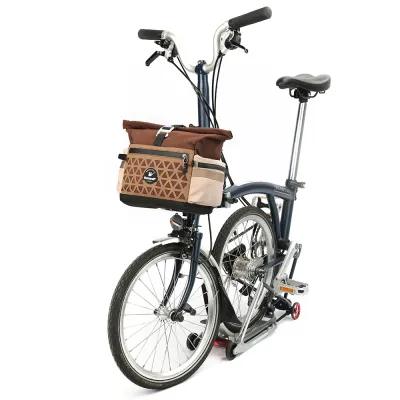
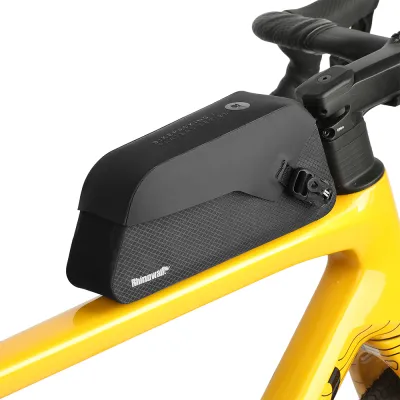
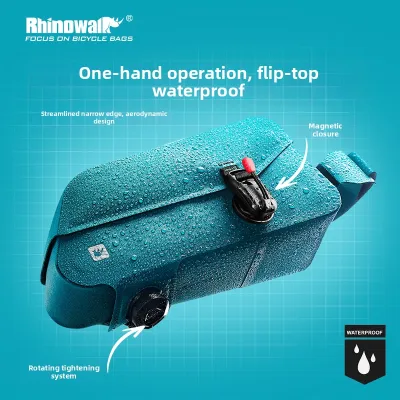
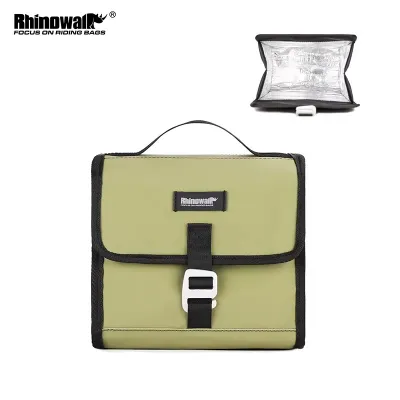
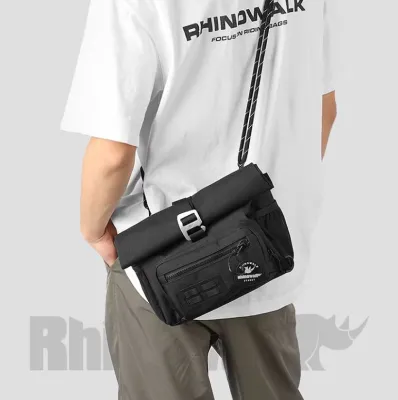
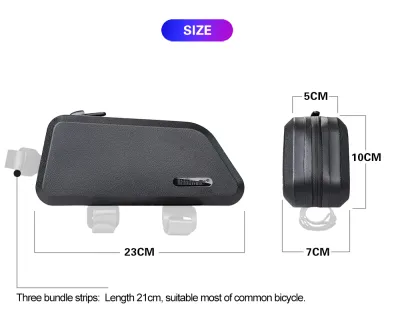
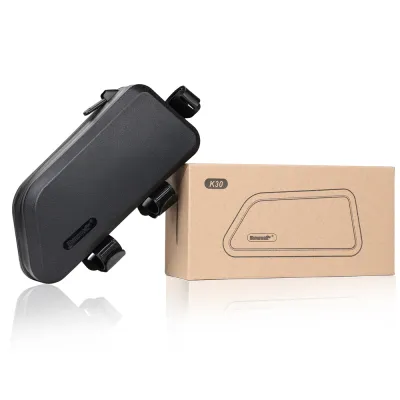
Prices are valid at publication and may change. Please refer to the product page for the latest price.
Daily Commuting: Quick Access and Weather Protection
Commuting in an urban environment requires a front bag that can handle rapid transitions, sudden weather shifts, and the need for quick access to essentials. When navigating busy city streets or transitioning through transit hubs, you need immediate access to items like your phone, transit cards, keys, and office passes. Look for front bags featuring external zippered pockets, quick-access magnetic flaps, or transparent top lids that allow you to view your phone’s navigation screen at a glance.
Weather protection is a critical consideration for daily commuters, especially when facing unpredictable tropical downpours. To safeguard your electronics, documents, or spare clothing, prioritize bags constructed from highly water-resistant materials such as thermoplastic polyurethane (TPU) or heavy-duty laminated fabrics. Check for welded seams rather than stitched seams, and verify if the model includes a dedicated, high-visibility rain cover for extreme weather.
Finally, urban commuting demands agile steering to navigate tight spaces. Your chosen bag must strike a balance between providing sufficient daily capacity (typically 2 to 5 litres) and maintaining adequate handlebar clearance. A bag that is too wide can interfere with hand placement on the grips or restrict brake levers, compromising safety during sudden stops.
Weekend Touring: Capacity and Stability for Long Rides
For long-distance touring or weekend bikepacking, your front bag serves as a primary storage hub for heavy tools, spare layers, and nutrition. These scenarios demand high-volume capacities, often ranging from 8 to 15 litres. To accommodate varying gear loads, look for roll-top closures or expandable compartments that allow you to compress or expand the bag’s volume as your cargo changes throughout the day.
High-volume front bags require robust mounting systems to prevent the bag from swaying, bouncing, or sagging onto the front wheel. Verify whether the bag utilizes a rigid support bracket, a multi-point harness system, or a decker-style mount that anchors firmly to the handlebar stem. These systems distribute the weight evenly across the front axle, minimizing the sluggish steering feel associated with heavy front loads.
When packing, place the heaviest items—such as multi-tools, spare tubes, and dense food items—at the bottom and closest to the headtube of the bike. This keeps the center of gravity low and tight against the steering axis, reducing steering fatigue and ensuring predictable handling on descents and gravel paths.
Casual and Urban Rides: Compact Design and Easy Mounting
If your cycling consists of relaxed weekend rides, cafe runs, or short neighborhood errands, a minimalist approach is highly beneficial. For these casual outings, focus on small-capacity, lightweight handlebar bags (typically under 2 litres) that provide just enough space for a windbreaker, a wallet, and a puncture repair kit.
A compact design ensures that your front bag does not obstruct essential cockpit accessories such as bike computers, bells, safety lights, or GPS mounts. Look for cylindrical bar bags or small box-shaped pouches that sit neatly below the handlebar line. These compact profiles integrate beautifully with casual commuter frames, classic steel road bikes, and folding bicycles, maintaining a sleek and uncluttered look.
Convenience is key when parking your bike outside shops or cafes. Choose bags that feature simple, tool-free strap-on mounts using high-quality hook-and-loop fasteners, or models equipped with quick-release buckle mechanisms. This allows you to detach the bag in seconds and carry it with you using an included shoulder strap, protecting your valuables from theft while you are away from your bicycle.
Essential Specifications to Verify Before Purchase
To make an informed decision, you must look beyond aesthetic appeal and carefully evaluate the technical specifications of each front bag model. Start by analyzing the volume and physical dimensions. Manufacturers measure volume in litres, but the shape of the bag determines its usability. A long, narrow cylindrical bag might have the same volume as a deep, boxy bag, but it will accommodate different items. Measure your handlebar width between the hoods (for drop bars) or the available flat space (for flat bars) to ensure the bag’s external width does not interfere with your controls.

Next, examine the mounting hardware. Standard adjustable strap mounts are highly versatile and fit almost any handlebar diameter, but they can cause paint wear over time if not paired with protective tape. Proprietary bracket systems offer a rigid, click-in connection that keeps the bag suspended away from the frame, but they add weight and require permanent installation. Harness attachments are highly suitable for bikepacking, as they allow you to leave the mounting harness on the bike while easily removing the dry bag insert.
Material durability and weatherproofing levels are critical for long-term satisfaction. Look for fabrics rated by denier (such as 500D or 1000D polyester or nylon), which indicates the material’s thickness and abrasion resistance. TPU-coated fabrics with radio-frequency (RF) welded seams offer the highest level of water resistance, virtually eliminating water ingress through stitch holes. If the bag uses standard zippers, verify if they are water-resistant polyurethane-coated zippers, or if the bag relies on a roll-top closure to seal out moisture.
Lastly, assess the accessibility and security features of the bag. High-quality buckles, such as Duraflex or magnetic quick-release systems, ensure that your bag remains securely closed over rough terrain while still allowing for easy, one-handed operation. Check the zipper pulls; large, textured loops are much easier to grab while wearing cycling gloves or when riding in wet conditions.
Installation, Clearance, and Safety Checks
Proper installation is paramount to ensure your front bag does not compromise your safety on the road or trail. Before mounting any bag, thoroughly clean your handlebars and headtube to remove grit that could scratch the finish. When positioning the straps or brackets, carefully route them around your brake hoses, gear cables, and electronic shifting wires. Compressing these cables against the frame can impair shifting performance or, more critically, pinch your hydraulic brake lines, leading to sudden brake failure.
Once the bag is mounted, perform a comprehensive clearance check. Rotate your handlebars fully; the bag must not contact the frame, restrict your steering angle, or interfere with the movement of your brake and shifter levers. Ensure that your front safety light is not blocked by the bag’s bulk, and that your bike computer remains fully visible. If the bag sags downward, it must maintain a minimum clearance of several centimeters above the front tire to account for suspension compression or road bumps.
Establish a quick pre-ride safety check routine before every outing. Tug on the mounting straps to confirm they have not loosened, and check that any quick-release brackets are fully engaged and locked. Lift the bike slightly and drop it from a height of a few centimeters to observe if the bag bounces excessively or shifts position.
While riding, remain vigilant for signs of instability. If you experience severe sway, steering restriction, or hear the bag rubbing against your tire or cables, stop immediately in a safe location. Do not attempt to adjust the bag while in motion. If the issue cannot be resolved by tightening the straps or redistributing the load, remove the bag and secure it elsewhere until you can make proper adjustments.
Frequently Asked Questions (FAQ)
Can I mount a front bag on a carbon handlebar?
Yes, you can mount a front bag on a carbon handlebar, but you must exercise extreme caution. Carbon fiber is highly sensitive to localized crushing forces and abrasive wear. Overtightening mounting straps or rigid plastic brackets can crimp or crack the carbon tubes, leading to catastrophic handlebar failure. Always check your handlebar manufacturer’s manual for specific weight limits and clamping torque restrictions. To protect the carbon surface, apply a layer of thick, protective polyurethane tape where the straps or brackets contact the bar. Use torque-limited tools when installing rigid brackets, and prefer soft, wide hook-and-loop straps over rigid clamps to distribute the clamping pressure more evenly.
How do I prevent the bag from rubbing against my front tire?
Tire rub is a common issue, especially on smaller bike frames or bikes with low handlebar-to-tire clearance. To prevent this, always utilize the lower support straps or bungee cords provided with the bag to anchor its base to your bike’s headtube or fork crown. This prevents the bag from swinging forward and sagging downward. Avoid overloading the bag beyond its recommended weight capacity, as excess weight stretches straps and causes the bag to droop. When packing, place lighter, bulkier items at the bottom and heavier items closer to the handlebar attachment point. If clearance remains an issue, consider installing a small front support rack or a specialized handlebar extender bracket to lift the bag higher and hold it securely away from the tire.
Community discussion
Share your experience or ask a question. Comments are reviewed before publication.