
Selecting your first fishing rod can feel overwhelming, especially with the wide variety of specialized gear on the market. If you are a beginner angler in Singapore looking for a balance between affordability and reliable performance, Seasir offers some of the most practical options available. The best Seasir rod for you depends entirely on where you plan to fish: a 6-foot to 7-foot Medium-Light spinning rod is the most versatile choice for reservoir fishing, a 9-foot to 12-foot Medium-Heavy surf rod is essential for coastal beach casting, and a compact 5-foot to 6-foot Light spinning or telescopic rod is ideal for navigating tight urban canals.
By matching your gear to Singapore’s unique fishing environments—ranging from manicured reservoir banks to high-salinity coastal breakwaters—you can avoid equipment damage and significantly improve your chances of landing a catch. This guide breaks down how to choose the right Seasir configuration based on your preferred local spots, target species, and commuting habits.
Why Seasir is a Practical Starting Point for Singapore Anglers
For those entering the sport, Seasir has become a highly popular brand due to its exceptional cost-effectiveness. Most beginner-friendly models are priced within a very accessible range, typically between S$20 and S$60 on local online marketplaces and in select tackle shops. This low barrier to entry allows novices to try out different fishing styles without committing to a massive upfront financial investment.
Products mentioned in this guide
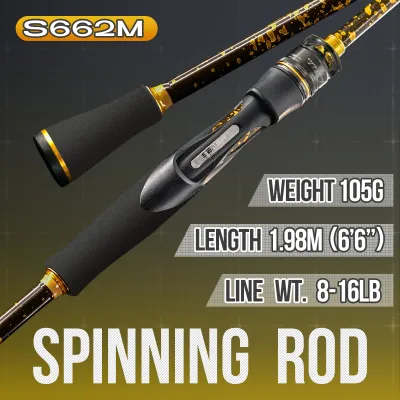
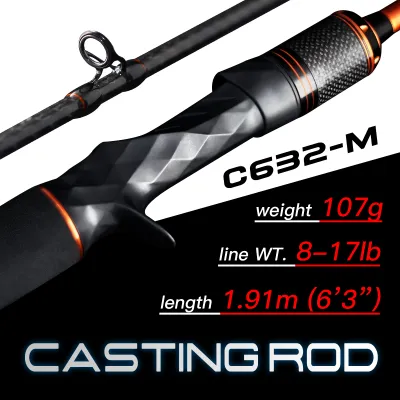
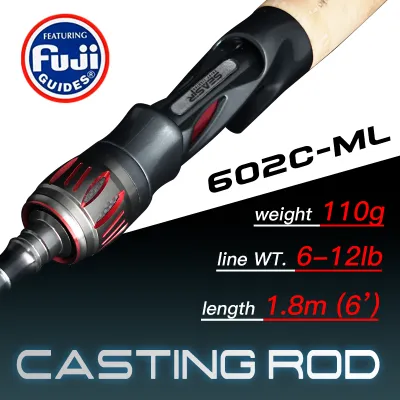
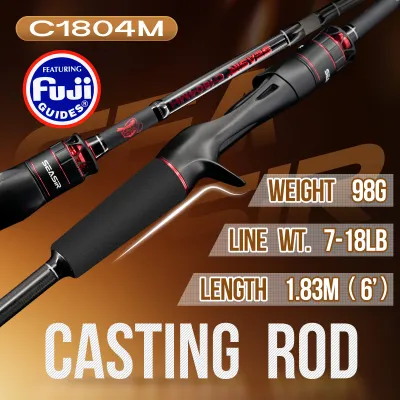
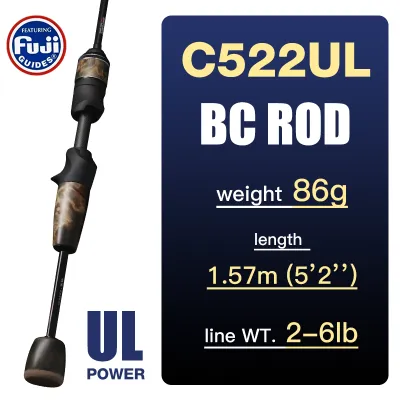
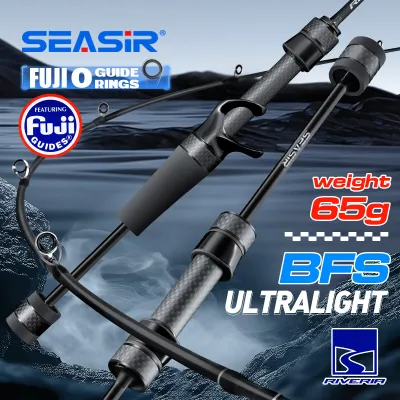
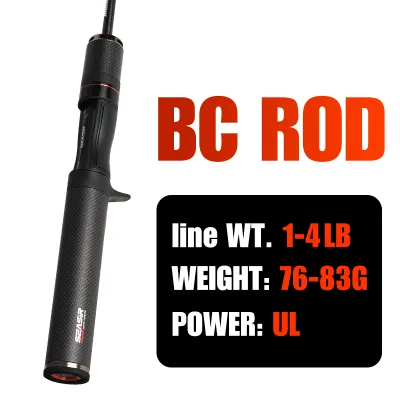
Prices are valid at publication and may change. Please refer to the product page for the latest price.
Beyond cost, Seasir rods are frequently designed with forgiving carbon-composite or fiberglass blanks. As a beginner, you are highly likely to make common handling mistakes, such as “high-sticking” (holding the rod vertically during a fight, which concentrates stress on the tip) or accidentally striking the rod against concrete railings. A forgiving blank is more elastic and resilient than high-modulus, ultra-sensitive carbon rods, meaning it can absorb these structural stresses without snapping on your first few outings.
Singapore’s tropical climate also demands specific gear considerations. With average humidity levels hovering around 80% to 90% and constant exposure to intense heat, equipment degrades rapidly. Furthermore, if you plan to fish in coastal areas, the high salinity of the Singapore Strait will quickly corrode cheap metal components. Seasir addresses these environmental challenges by utilizing epoxy-coated blanks and corrosion-resistant guide inserts, providing a durable platform for local anglers to hone their casting and fish-fighting skills.
How to Read Seasir Rod Specs for Your Skill Level
Before purchasing any rod, you must understand the technical specifications printed near the handle of every Seasir blank. These markings are not mere marketing jargon; they dictate how the rod will behave under load and what type of terminal tackle you can safely cast.

Rod Length
Rod length is typically printed in feet or meters (e.g., 6’0″ or 1.8m). Shorter rods (5 to 6 feet) excel in tight spaces where overhanging trees or concrete structures limit your casting stroke. Longer rods (8 to 12 feet) are designed to maximize casting distance by leverage, which is crucial when you need to send your bait past breaking waves along the coast.
Power Ratings
Power refers to the amount of force required to bend the rod blank. It ranges from Ultra-Light (UL) to Heavy (H). For general versatility, beginners should look for Medium-Light (ML) or Medium (M) power ratings. These ratings provide enough backbone to hook and control active local species while remaining sensitive enough to transmit the feel of subtle nibbles to your hands.
Rod Action
Action describes where the rod bends along its length when pressure is applied.
- Fast Action: Bends primarily near the tip, offering high sensitivity and quick hook sets.
- Moderate or Slow Action: Bends deeper into the middle of the blank, creating a parabolic curve.
Beginners should prioritize moderate or moderate-fast action rods. These are much easier to cast because they load (bend) more slowly, giving you a wider window of error to release the line during your casting motion.
Line and Lure Weight Limits
Every rod has a recommended line rating (e.g., PE 0.8–1.5 or 6–12 lb) and lure weight range (e.g., 7–21g). Staying within these boundaries is critical. If you attempt to cast a lure that is heavier than the maximum rating, you risk snapping the rod tip during the forward swing. Conversely, using a line heavier than the rod’s rating can result in the rod breaking before the line does when you pull against a heavy snag.
Best Seasir Configurations for Reservoir Fishing
Singapore’s freshwater reservoirs—such as Bedok Reservoir, Lower Seletar Reservoir, and Pandan Reservoir—are managed under the Public Utilities Board (PUB) Active, Beautiful, Clean Waters (ABC Waters) program. These locations feature clean, paved banks, gravel edges, and patches of aquatic vegetation. The primary target species here are highly active predators, including Peacock Bass, Tilapia, and the powerful Giant Snakehead (Toman).
For these environments, the ideal setup is a 6-foot-6-inch to 7-foot Seasir spinning rod with Medium-Light to Medium power. This length provides the necessary casting distance to reach drop-offs and weed edges where Peacock Bass patrol, while still allowing you to navigate around other bank-side anglers or occasional low-hanging branches.
This configuration offers several key advantages:
- Lure Versatility: It easily casts lightweight soft plastics, small minnows, and topwater lures weighing between 5g and 15g.
- Finesse Control: The Medium-Light power ensures you can feel the rapid, vibrating strike of a Peacock Bass, yet has enough backbone in the lower half of the rod to stop a fish from diving into thick weed beds.
- Commuting Convenience: Since many local anglers rely on the MRT or buses to reach reservoirs, a 2-piece Seasir rod of this length breaks down to roughly 1.05 meters, making it highly portable and compliant with public transit size limits.
However, this reservoir setup has distinct limitations. It is not designed to cast heavy lead sinkers or cut bait into strong tidal currents, nor can it withstand the abrasive environment of rocky coastal breakwaters. Additionally, when fishing at local reservoirs, always verify the designated fishing zones and ensure you are using artificial lures with barbless hooks, as mandated by local conservation regulations.
Best Seasir Configurations for Coastal and Beach Casting
Coastal fishing in Singapore—along East Coast Park, Changi Beach, Labrador Park, or the Southern Islands—presents a completely different set of challenges. Here, you must contend with strong tidal currents, wind, breaking waves, and highly abrasive sandy or rocky bottoms. Common target species include Barramundi (Kaman), Snappers, Groupers, and Whiptail Rays.
To overcome these elements, you need a heavier, longer Seasir configuration: a 9-foot to 12-foot surf or heavy casting rod with Medium-Heavy to Heavy power. This length is absolutely necessary to lift your mainline above the crashing surf and achieve the long-distance casts required to reach deeper channels where larger marine predators feed.
When choosing a coastal rod, pay close attention to the following factors:
- Casting Weight Capacity: The rod must be rated to cast heavy sinkers (typically 60g to 120g) to keep your bait stationary in the strong currents of the Singapore Strait.
- Corrosion Resistance: Saltwater is highly destructive. Ensure the Seasir model you select features ceramic guide inserts (such as aluminum oxide) housed in corrosion-resistant stainless steel frames. Even with these materials, you must inspect the guides regularly for green copper-carbonate buildup or rust.
- Physical Demands: Casting a 10-foot rod repeatedly is physically demanding and can lead to wrist or shoulder fatigue. Beginners should start with shorter casting sessions and practice their casting technique in open parks before heading to a crowded beach.
Always check the integrity of your rod guides and reel seat before heading out. If you notice any loose components or cracked guide rings, do not use the rod, as the high tension of coastal fishing will cause immediate line breakage or structural failure.
Best Seasir Configurations for Canal and Urban Drainages
Singapore’s extensive network of urban canals and concrete drainage systems offers unique “street fishing” opportunities. Areas like the Geylang River or various urban canals host species such as Tilapia, Catfish, and juvenile Snakeheads. However, these spots present severe physical constraints: narrow concrete walkways, metal railings, low overhead bridges, and overhanging trees.
For urban street fishing, a compact 5-foot to 6-foot Seasir spinning rod or a high-quality telescopic rod with Light to Medium-Light power is the ultimate tool. A short rod allows you to make precise, short-range underhand casts or vertical “drop shots” directly over concrete railings without hitting the structures behind or above you.
Key benefits of this compact setup include:
- Maneuverability: You can easily walk along narrow paths and fish under low bridges where a longer rod would be completely unusable.
- High Sensitivity: The Light power rating provides a very sensitive tip, allowing you to detect the subtle, cautious nibbles of urban Tilapia or small catfish.
- Extreme Portability: Telescopic or multi-jointed travel rods can easily slide into a standard backpack, allowing you to commute discreetly on public transport.
Safety and Compliance Warning: Urban canal fishing carries specific risks. Concrete slopes near waterways can become incredibly slippery due to algae growth; never step onto wet concrete slopes. Furthermore, Singapore is prone to sudden, severe tropical downpours that can cause water levels in canals to rise to dangerous heights within minutes. Always monitor the weather, listen for PUB flash flood warning sirens, and immediately retreat to high ground if rain begins. Carbon fiber rods conduct electricity; if you hear thunder or see lightning, stop fishing immediately, collapse your rod, and seek shelter.
Quick Comparison: Matching Seasir Rod Specs to Local Spots
To help you quickly identify the right gear for your preferred fishing style, use this summary table to match general rod specifications to Singapore’s common fishing environments.
| Fishing Environment | Recommended Seasir Rod Type | Ideal Length Range | Rod Power | Primary Target Species |
|---|---|---|---|---|
| Reservoirs (e.g., Bedok, Lower Seletar) | 2-Piece Spinning Rod | 6'6" to 7'0" (1.98m – 2.13m) | Medium-Light to Medium | Peacock Bass, Tilapia, Toman |
| Coastal & Beaches (e.g., East Coast, Changi) | Surf / Heavy Casting Rod | 9'0" to 12'0" (2.74m – 3.66m) | Medium-Heavy to Heavy | Snapper, Grouper, Barramundi, Rays |
| Canals & Urban Drains (e.g., Geylang River) | Compact Spinning / Telescopic | 5'0" to 6'0" (1.52m – 1.83m) | Light to Medium-Light | Catfish, Tilapia, Juvenile Snakehead |
Essential Pre-Purchase Checks and Basic Maintenance
To ensure your Seasir rod performs reliably and lasts for years, you must perform a thorough inspection before buying and commit to a simple post-trip maintenance routine.
Pre-Purchase Inspection Checklist
- The Cotton Swab Test: Run a cotton swab or a piece of tissue paper through the inside of every guide ring. If the cotton snags, it indicates a microscopic crack or chip in the ceramic insert. These tiny imperfections act like razor blades, slicing through your fishing line under tension.
- Reel Seat Security: Mount a reel onto the rod and tighten the locking nut. Ensure the reel foot sits perfectly flush and does not wobble or twist when twisted firmly.
- Blank Alignment: Hold the rod at eye level and look down the blank from the handle to the tip. The guides must line up in a perfectly straight line, and the blank itself should have no visible curves or twists.
- Resin and Finish Check: Inspect the epoxy wraps securing the guides. Look for bubbles, cracks, or uneven resin application, which can lead to guide failure over time.
Post-Trip Maintenance Routine
Saltwater, sand, and humidity are the primary enemies of fishing gear. After every trip—especially to coastal areas—rinse your rod thoroughly with lukewarm fresh water to dissolve salt deposits. Wipe down the entire blank and the guides with a soft microfiber cloth.
Warning: Never use high-pressure water hoses, abrasive scrubbing pads, or harsh household detergents. High pressure can force salt particles and water deep into the guide wraps and reel seat joints, accelerating corrosion, while harsh chemicals can strip the rod’s protective clear coat.
Finally, loosen the reel seat locking nut slightly when storing the rod for long periods to prevent the threads from binding or seizing. Store your rod vertically in a cool, dry place away from direct sunlight, preferably inside a protective rod sleeve or hard tube to prevent accidental impacts.
Frequently Asked Questions (FAQ)
Can I use a coastal Seasir surf rod for reservoir fishing?
While physically possible, using a heavy, 9-to-12-foot coastal surf rod in a reservoir is highly impractical. These long rods are heavy and cumbersome, making them exhausting to cast repeatedly over several hours. Furthermore, their stiff, heavy power ratings lack the sensitivity required to detect the delicate bites of freshwater species like Tilapia or Peacock Bass, and they cannot cast the lightweight artificial lures commonly used in reservoirs.
How do I remove salt buildup from my Seasir rod guides?
To safely remove stubborn salt crust or green corrosion from your rod guides, soak the affected areas in lukewarm fresh water for 10 to 15 minutes to soften the salt. Gently scrub the metal frames and ceramic inserts using a soft-bristled toothbrush. Avoid using steel wool, wire brushes, or chemical rust removers, as these will scratch the ceramic lining and damage the protective epoxy coating on the rod wraps. Dry the rod completely with a clean towel before storing.
Community discussion
Share your experience or ask a question. Comments are reviewed before publication.