
Selecting the right skipping rope depends on your primary fitness goal—speed ropes excel at cardiovascular agility and fast footwork, weighted ropes build upper-body strength conditioning, and basic or beaded ropes help you master rhythm and coordination. Choosing a rope that aligns with your specific training objectives ensures your workouts remain effective, engaging, and free from unnecessary frustration.
By evaluating your current skill level, training environment, and physical requirements, you can easily identify the exact style of rope that will support your fitness journey.
Identify Your Primary Training Objective
To narrow down your options, you must first pinpoint what you want to achieve during your workouts. Are you looking to elevate your heart rate quickly for high-intensity conditioning, or do you want to build muscular endurance in your shoulders and forearms? Defining this primary objective prevents you from purchasing equipment that does not align with your training style.
Products mentioned in this guide
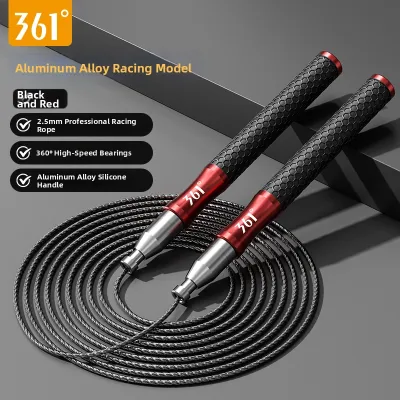
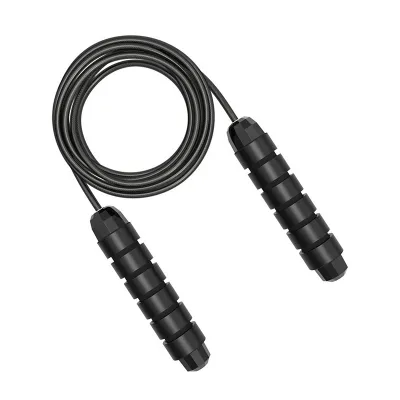
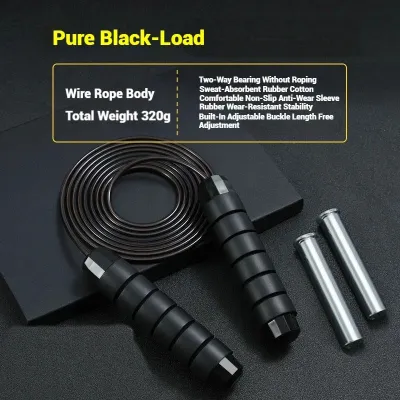
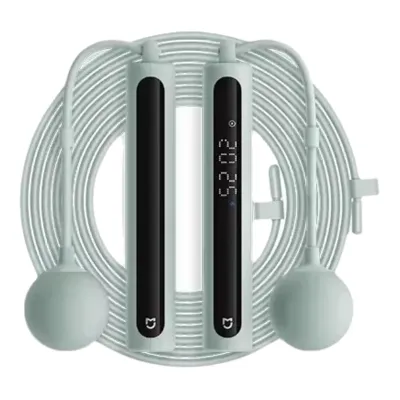
![[Ready Stock] Neon Colour Skipping Rope](https://img.lazcdn.com/g/p/c13444921594b2198d689e2bddcafe33.png_400x400q80.png_.webp)


Prices are valid at publication and may change. Please refer to the product page for the latest price.
If your routine uses jumping rope as a quick warm-up before lifting weights, a simple, versatile rope is often sufficient. For active recovery between heavy sets, a light, steady rhythm helps keep muscles warm without causing premature fatigue or draining your energy reserves.
Specific sports demand specialized tools. Boxers rely on footwork fluidity and rhythm, requiring a rope that responds to subtle wrist movements. CrossFit athletes training for high-intensity intervals need a rope capable of spinning fast enough to clear the feet twice per jump, making speed the absolute priority.
Match Your Goal to the Right Rope Type
Skipping ropes are not uniform; they differ significantly in cable thickness, handle weight, and internal rotation mechanisms. These mechanical variations dictate how fast the rope spins and how much effort is required to keep it moving.

Cable weight directly influences the physical feedback you feel in your hands. A heavier cable moves slower but provides clear physical cues, while a thin wire cable cuts through the air with minimal resistance, demanding rapid wrist action.
Handle designs range from simple plastic grips to advanced ball-bearing systems. Ball bearings reduce friction, allowing the cable to rotate smoothly at high speeds without twisting or tangling during intense sessions.
| Fitness Goal | Recommended Rope Type | Key Mechanical Feature |
|---|---|---|
| Cardio & Agility | Speed Rope | Thin wire cable, ball-bearing handles |
| Strength & Endurance | Weighted Rope | Heavy PVC or braided cable, weighted handles |
| Beginner Rhythm | Basic / Beaded Rope | Thick PVC or plastic beads, lightweight handles |
Speed Ropes for Cardio and Agility
Speed ropes are designed specifically for rapid rotation and high-intensity cardiovascular training. They feature thin, vinyl-coated steel cables that minimize air resistance, allowing you to perform rapid jumps with minimal shoulder fatigue.
These ropes are the standard choice for mastering double unders—where the rope passes under your feet twice per jump—as well as fast-paced boxing footwork drills and high-intensity interval training (HIIT) circuits.
Using a speed rope successfully requires established coordination and precise timing. Because the cable moves incredibly fast, there is very little margin for error; a mistimed jump can result in a stinging whip against your shins.
When selecting a speed rope, check the rotation mechanism in the handles. Look for smooth, dual-axis swivel bearings that allow the cable to spin freely in all directions, and verify that the cable thickness is thin enough for high-velocity movement.
Weighted Ropes for Strength and Muscle Engagement
Weighted ropes introduce physical resistance to your jumping routine, shifting the focus from pure speed to muscular endurance. The resistance forces your upper body to work harder to maintain the rope’s momentum.
This type of rope is highly effective for conditioning your shoulders, forearms, wrists, and core muscles. It provides a demanding workout that combines cardiovascular conditioning with active upper-body engagement.
The primary trade-off is speed. Because of the increased mass, the rotation is significantly slower, making complex footwork, crossovers, and rapid double unders exceptionally difficult to execute.
Before purchasing, check where the weight is distributed. Some ropes place the weight entirely in the handles, while others feature a heavy, thick PVC cable; a weighted cable generally provides clear physical feedback and a more balanced workout. Ensure the handles have a secure, non-slip grip that remains comfortable even when your hands are sweaty.
Basic and Beaded Ropes for Beginners and Coordination
Basic PVC and beaded ropes are the traditional starting point for anyone new to jump rope training. They offer a balanced weight that is neither too fast nor too heavy, making them highly versatile for everyday fitness.
These ropes are ideal for learning the foundational bounce, practicing side swings, and establishing a steady, repeatable rhythm. They are highly forgiving of minor timing errors, allowing beginners to build confidence without constant interruptions.
Beaded ropes, which feature plastic segments threaded over a nylon cord, are particularly useful because they hold their shape in the air. The weight of the beads creates a distinct “clicking” sound when hitting the floor, providing valuable auditory feedback to help you time your jumps.
When inspecting a basic rope, check for kink-resistance. Standard PVC cables should be thick enough to resist tangling when unpacked, and beaded ropes should feature durable, shatterproof plastic beads that can withstand repeated impacts on hard surfaces.
Assess Your Skill Level and Environment
Selecting the right rope also requires an honest assessment of your current physical capabilities and the environment where you plan to train. Matching the equipment to your skill level helps prevent frustration and reduces the risk of repetitive strain injuries in your joints.
Beginners should avoid ultra-light speed ropes, as the lack of physical feedback makes it difficult to learn proper timing, leading to frequent trips and joint jarring. Intermediate and advanced jumpers can safely transition to lighter, faster cables as their wrist control and jump height consistency improve.
The surface you jump on directly affects the lifespan of your rope. Hard, abrasive surfaces like outdoor concrete or asphalt will quickly wear down bare steel cables and crack plastic beads; if training outdoors, look for thick, coated cables or use a protective rubber jumping mat.
Indoor training requires careful spatial checks. Ensure you have adequate ceiling height—typically at least 30 to 50 centimeters of clearance above your head when standing—and sufficient lateral space to prevent the rope from catching on furniture, light fixtures, or walls.
Final Checklist Before You Buy
Before finalizing your choice, run through a practical checklist to ensure the rope fits your body and workout habits.
- Sizing and Adjustability: Step on the center of the rope with one foot and pull the handles upward; the tips of the handles should reach your armpits. Verify that the rope features an adjustable locking mechanism, such as thumb screws or adjustable end caps, so you can shorten it as your form improves.
- Ergonomics and Grip: Check the handle thickness and material. Slim handles are suitable for speed, while thicker, foam-wrapped or textured rubber grips provide better control and prevent slipping during long, sweaty sessions in humid climates.
- Storage and Portability: Look for cables that resist "memory"—the tendency of a rope to remain coiled or kinked after being folded in a gym bag. A flexible, high-quality cable uncoils instantly, saving you time and frustration before your workout.
Frequently Asked Questions (FAQ)
Can I use a speed rope for strength training?
Speed ropes are designed for velocity and cardiovascular efficiency, meaning they have very little mass. Because the physical resistance is minimal, they do not provide enough load to stimulate muscle growth or significant upper-body strength. If your primary goal is to build shoulder and forearm endurance, you should transition to a weighted rope or supplement your routine with dedicated resistance training.
How do I know if my skipping rope is the correct length?
To check the length, stand on the middle of the cable with one foot and pull the handles straight up along your sides. For beginners, the handles should reach your armpits; as your technique improves and your jumps become more compact, you can shorten the rope so the handles align with your lower chest to maximize speed and efficiency.
Community discussion
Share your experience or ask a question. Comments are reviewed before publication.