
Selecting the right soccer ball depends entirely on the surface where you play most of your matches. Using the wrong type on artificial turf, indoor hard courts, or natural grass compromises your control, alters the game’s pace, and accelerates wear on the ball itself. In Singapore, where players frequently transition between damp natural grass, high-friction artificial turf, and polished indoor futsal courts, matching your gear to the specific environment is the key to consistent performance and long-lasting durability.
Matching the Soccer Ball to Your Primary Playing Surface
Natural grass pitches offer a classic playing experience but present unique challenges regarding moisture and consistency. Balls designed for natural grass prioritize aerodynamic stability and water resistance. Because natural grass absorbs impact, these balls feature a standard bounce profile that relies on the natural cushioning of the turf. To prevent waterlogging during sudden tropical downpours, high-quality grass balls utilize sealed seams or advanced water-repellent coatings, ensuring the ball maintains its weight and flight trajectory even on a saturated field.
Artificial turf pitches, which are highly prevalent across Singapore’s community sports hubs, require a completely different design approach. The synthetic blades and underlying rubber infill create intense friction and generate significant heat during play. Standard grass balls used on artificial turf often suffer from rapid cover scuffing and seam failure. To combat this, specialized artificial turf balls are constructed with highly durable, abrasion-resistant outer covers and reinforced backing layers. Additionally, because artificial turf is laid over a hard base, these balls are engineered to deliver a controlled, predictable bounce that does not become excessively lively on the firmer ground.
Products mentioned in this guide
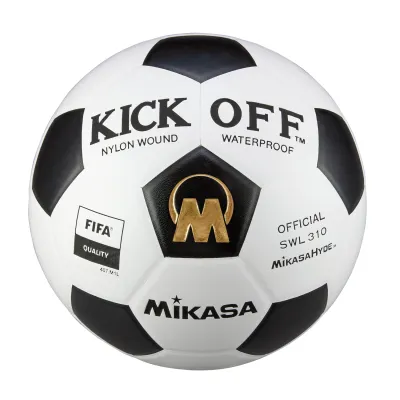
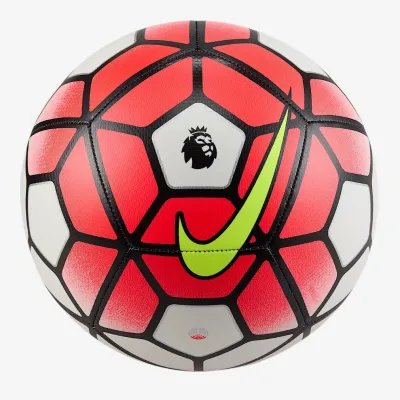
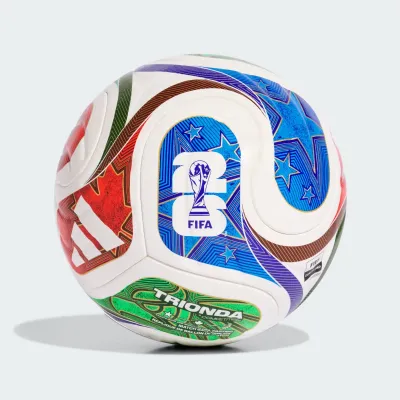
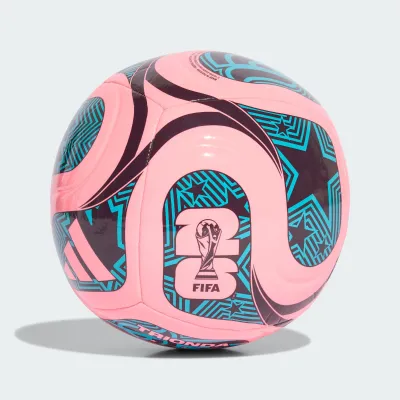
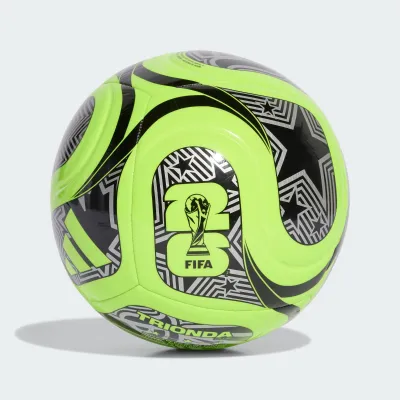
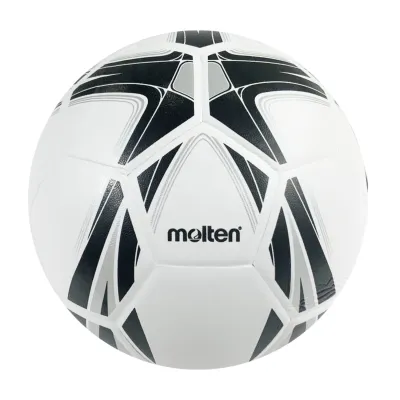
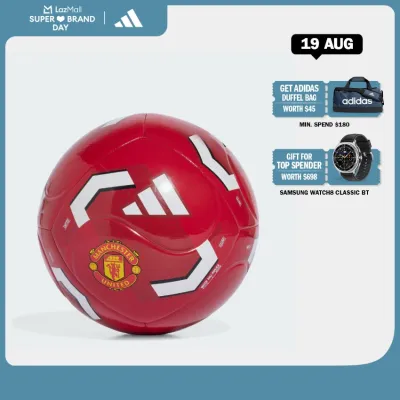
Prices are valid at publication and may change. Please refer to the product page for the latest price.
Indoor futsal courts, typically made of polished wood or synthetic sports flooring, demand a highly specialized ball that behaves differently from outdoor models. Futsal balls are smaller and noticeably heavier, featuring a low-bounce bladder filled with synthetic fibers or foam. This design keeps the ball close to the floor, facilitating the rapid, short-passing game and close-quarters footwork characteristic of futsal. Using a standard outdoor ball on an indoor court results in an uncontrollable, erratic bounce that disrupts play and increases the risk of the ball flying out of bounds or striking players at high speeds.
Selecting the Right Size and Weight for the Player
Choosing the correct ball size is essential for skill development, player safety, and compliance with official match rules. Size 5 is the standard regulation size for players aged 12 and older, including all adult recreational and professional leagues. It typically measures between 68 and 70 centimeters in circumference, ensuring that adult players experience the correct weight and aerodynamic behavior required for full-field matches. When purchasing, verify that a regulation Size 5 ball weighs between 410 and 450 grams to ensure predictable flight and safe play.

For younger players and specific game formats, smaller sizes are required. Size 4 balls are designed for youth players aged 8 to 12, serving as a crucial transitional tool. Crucially, Size 4 is also the official, mandatory size for futsal across all age groups, including adult play, where its smaller circumference and heavier weight specification (typically 400 to 440 grams) allow for precise ground control on hard indoor surfaces. For children under the age of 8, Size 3 is the recommended standard, offering a lighter and smaller design that allows young players to develop basic skills safely without joint strain.
Checking Material and Construction Specifications
The materials used in a soccer ball’s outer cover directly influence its feel, responsiveness, and durability. Polyurethane (PU) is the preferred material for premium match balls and high-level training balls, offering a soft, responsive touch and excellent elasticity. However, PU is more susceptible to scuffing on rough surfaces. In contrast, Polyvinyl Chloride (PVC) is highly durable and exceptionally resistant to abrasion, making it an excellent choice for rough artificial turf or street courts, though it tends to feel stiffer and less responsive in cooler or highly conditioned indoor environments.
Panel construction is another critical factor determining how well a ball retains its shape and resists water. Thermally bonded panels are fused together using heat and pressure, creating a seamless surface that virtually eliminates water absorption, making them ideal for maintaining a consistent weight on wet grass. Machine-stitched balls, while more affordable, feature visible seams that can absorb moisture over time, though they offer excellent structural durability for everyday training on dry surfaces. Hand-stitched balls provide deep, durable seams and excellent shape retention, making them a favorite for traditionalists.
Inside the ball, the bladder holds the air and dictates the responsiveness of the bounce. Butyl bladders are highly efficient at retaining air, often keeping the ball properly inflated for weeks without needing a top-up, making them highly practical for casual players and school training sessions. Latex bladders, preferred for professional match balls, offer superior responsiveness and a softer feel, but they are porous and lose air pressure daily, requiring inflation before every session. Before finalizing your purchase, always inspect the manufacturer’s label or product specifications for explicit surface compatibility and warranty conditions.
Evaluating Cross-Surface Compatibility for Versatile Players
Many players in Singapore find themselves playing on artificial turf one week and an indoor court or natural grass field the next. While owning a dedicated ball for each surface is ideal, understanding the trade-offs of cross-surface use can help you manage your gear effectively. Using a standard outdoor ball on artificial turf is highly common, but you must expect accelerated wear on the outer cover and a much higher, less predictable bounce. The heat generated by synthetic turf can also weaken the adhesives used in thermally bonded outdoor balls, leading to premature seam separation. Conversely, a futsal ball should strictly remain on indoor or hard courts. The low-bounce properties of a futsal ball are achieved through internal dampening materials that can degrade quickly if exposed to moisture or rough outdoor surfaces, and using them on grass ruins the dynamics of the game.
If you are a casual player looking for a single, versatile option, a multi-surface training ball is a practical compromise. These hybrid balls often combine a durable PU cover with a reinforced butyl bladder, offering a middle ground between the soft touch of a match ball and the rugged durability needed for artificial turf. While they will not deliver the peak performance of a specialized match ball on grass or the low-bounce precision of a futsal ball indoors, they provide a reliable, cost-effective solution for recreational play across different venues.
Basic Maintenance to Extend Ball Lifespan
Proper maintenance is essential to preserve the structural integrity and performance of your soccer ball, especially in Singapore’s hot and humid climate. After playing on damp grass or dusty artificial turf, always wipe the ball down with a soft, damp cloth to remove dirt, mud, and rubber infill debris. Avoid using harsh chemical detergents or abrasive brushes, as these can strip the protective coatings from the synthetic cover and degrade the panel adhesives. Store your soccer ball in a cool, dry place away from direct sunlight, such as an indoor closet rather than a hot balcony or the trunk of a car, to prevent material warping and bladder degradation.
Finally, regular pressure checks are vital for maintaining optimal playability and preventing structural damage. Always verify the inflation levels using a reliable pressure gauge, keeping the pressure within the manufacturer’s recommended PSI range, which is typically printed directly around the valve. Over-inflating a ball stretches the seams and distorts its spherical shape, while under-inflation leads to sluggish performance and increases the risk of the bladder pinching against the outer cover during hard impacts.
Frequently Asked Questions (FAQ)
How Do I Know When It Is Time to Replace My Soccer Ball?
You can identify when a soccer ball needs replacement by looking for clear, physical signs of deterioration. Inspect the cover regularly for deep abrasions, peeling synthetic layers, or visible seam separation where the stitching or bonding has failed. If the ball no longer holds its spherical shape, exhibits an inconsistent or lopsided bounce, or loses significant air pressure within a single day, the internal bladder or structural backing has likely degraded, meaning it is time to replace the ball to ensure safe and predictable play.
Does the Color of the Soccer Ball Affect Visibility on Different Surfaces?
Yes, the color and pattern of a soccer ball significantly impact how easily players can track its movement and spin. For artificial turf and natural grass, high-contrast colors like bright yellow, orange, or high-visibility white with bold patterns are ideal, especially during evening matches under floodlights or in overcast weather. On indoor futsal courts, which often feature light-colored wooden or blue synthetic floors, choosing a ball with vibrant, contrasting graphics helps players maintain visual tracking during fast-paced, close-quarters play.
Community discussion
Share your experience or ask a question. Comments are reviewed before publication.