
Choosing the right swimming goggles for your child is essential for a positive experience in the water. Whether they are splashing in a backyard pool, attending weekly swim lessons, or training for their first competitive swim meet, the right eyewear prevents eye irritation, keeps water out, and allows them to focus on developing their skills. Speedo offers a wide range of kids’ goggles, but finding the ideal pair requires looking beyond bright colors and fun designs. You must evaluate how the goggles fit your child’s unique facial structure, match the lens properties to their swimming environment, and select a design profile that aligns with their specific water activities.
Identifying Your Child's Primary Swimming Activity
To narrow down your options, start by identifying where and how often your child will wear the goggles. Swimming activities generally fall into three main categories: casual pool play, regular swim lessons, and competitive training. Each of these activities demands a different balance between plush, long-wearing comfort and streamlined, low-profile performance.
Casual pool play involves intermittent swimming, jumping, and splashing. For these activities, children prioritize comfort and a wide, unobstructed view of their surroundings. Goggles designed for play typically feature larger, softer frames that distribute pressure over a wider area around the eyes. These are ideal for short sessions where hydrodynamic efficiency is not a priority.
Products mentioned in this guide
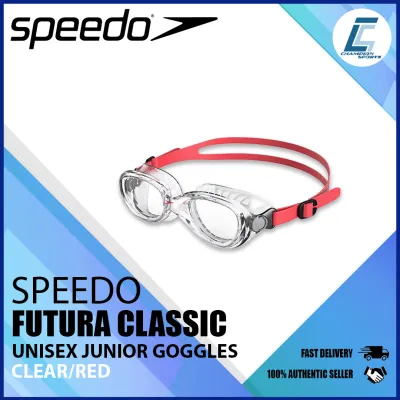
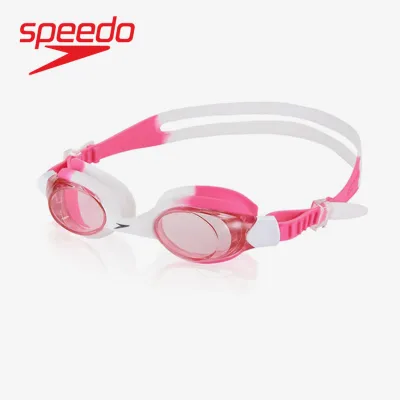
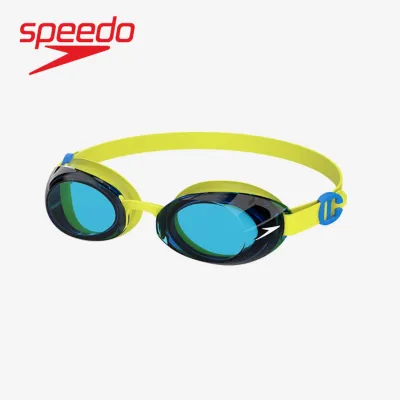
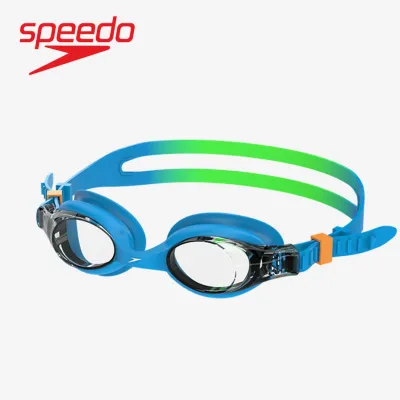
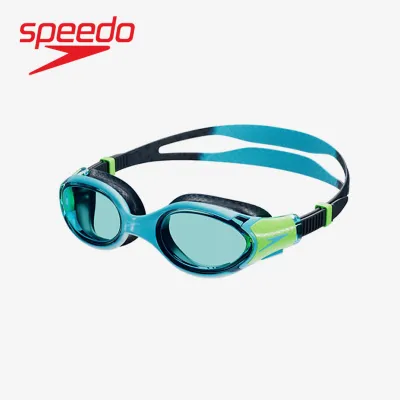
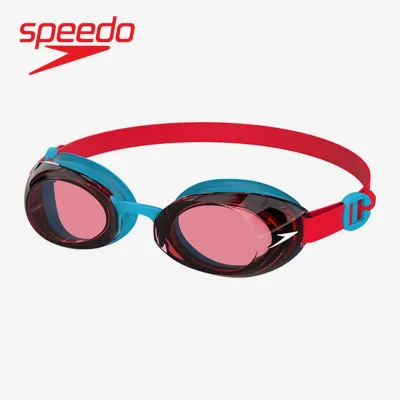
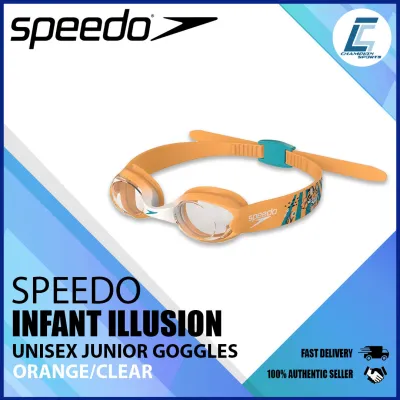
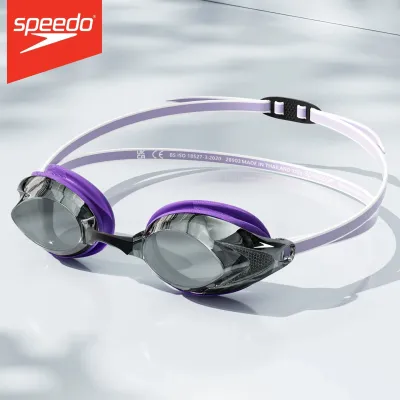
Prices are valid at publication and may change. Please refer to the product page for the latest price.
Regular swim lessons require gear that can withstand consistent weekly use and active instruction. During lessons, children need goggles that stay securely in place during various drills, such as kicking, breathing practice, and floating. The ideal design for lessons balances a secure, watertight seal with durable materials that resist chlorine degradation over months of continuous use.
Competitive racing and swim squad training demand a highly specialized design. Competitive swimmers require low-profile, hydrodynamic goggles that sit snugly inside the eye socket to minimize water resistance. These designs are engineered to remain perfectly secure during high-speed starts, dives, and rapid flip turns. However, because they sit closer to the eye and use firmer gaskets, they may feel less cushioned than leisure models.
To help determine the best category for your child, consider this quick assessment checklist:
- How many hours per week does your child spend in the water? (Leisure: under 1 hour; Lessons: 1 to 2 hours; Competitive: 3 or more hours).
- What is the primary venue? (Outdoor community or condominium pools, indoor swim schools, or open water).
- Does the swimming involve diving off starting blocks or high-speed lap swimming?
- Does your child have sensitive skin or express discomfort when wearing items close to their eyes?
Evaluating Fit, Seal, and Comfort Features
The most critical factor in choosing swimming goggles is the fit. A poorly fitting pair will either leak constantly or pinch the skin, causing discomfort that can ruin a child’s swim session. To ensure a reliable seal, you must evaluate the gasket materials, strap design, and nose bridge adjustability.

Gaskets—the seals that rest directly against your child’s face—are typically made from silicone or thermoplastic elastomers (TPE). High-quality silicone gaskets are highly flexible, hypoallergenic, and conform easily to different facial contours. They maintain their shape and elasticity over time, making them an excellent choice for children with sensitive skin. TPE gaskets are also common and offer a reliable seal, though they may feel slightly firmer than premium liquid silicone. Always check the manufacturer’s product descriptions to verify the gasket material.
Adjustability is key to accommodating a child’s growing facial structure. Look for goggles with adjustable nose bridges. Some models feature interchangeable nose pieces of varying widths, while others use a flexible, self-adjusting nose bridge that stretches to fit. A proper nose bridge width ensures the lenses sit centered over the eyes without pinching the inner corners. Additionally, split head straps are highly recommended. A split strap divides into two bands at the back of the head, distributing tension more evenly and preventing the goggles from slipping down during active play.
Before heading to the pool, you can perform a simple “suction test” at home to verify the fit. Gently press the goggle lenses against your child’s eye sockets without pulling the strap over their head. Instruct them to hold still for a moment. If the goggles stick to their face for a few seconds through gentle suction alone, the shape matches their facial structure and will likely provide a watertight seal. If the goggles fall off immediately, air is escaping, indicating that water will leak in during use.
Selecting the Right Lens Tint and Coating
Matching the lens properties to your child’s swimming environment is essential for clear visibility and eye protection. Lenses come in various tints, each designed for specific lighting conditions, ranging from indoor sports complexes to bright outdoor pools.
Clear lenses are the most versatile option for indoor swimming, low-light environments, or evening sessions. They allow maximum light to reach the eyes, providing natural visibility without altering colors. If your child primarily swims in indoor swim schools or covered pools, clear lenses are typically the most practical choice.
Tinted or colored lenses, such as blue or smoke tints, are designed to reduce overall brightness and glare. They are highly effective for outdoor pools on overcast days or indoor pools with bright, harsh overhead lighting. Blue lenses, in particular, help reduce glare from the water’s surface while maintaining excellent clarity.
Mirrored lenses are engineered to reflect light away from the eyes, making them the ideal choice for bright, direct sunlight. If your child swims in outdoor pools, such as condominium or public pools in Singapore’s bright tropical climate, mirrored lenses help prevent squinting, reduce eye strain, and block intense glare.
Regardless of the tint, always verify that the product packaging or manufacturer specifications explicitly state “UV Protection” or “UV 400.” Outdoor swimming exposes children’s eyes to harmful ultraviolet radiation, and verified UV protection is a non-negotiable safety feature for any outdoor aquatic activity.
Additionally, check the manufacturer’s claims regarding anti-fog coatings. Most modern kids’ goggles feature an internal anti-fog treatment to prevent condensation from clouding their vision. However, parents should understand that these coatings are temporary. Over time, exposure to chlorine, pool chemicals, and friction will naturally wear the coating away. Understanding this limitation helps you manage expectations and maintain the goggles correctly to prolong their lifespan.
Navigating Speedo’s Kids’ Goggle Categories
Speedo categorizes its youth eyewear to help parents find the right model without needing to memorize specific product names. Understanding these categories allows you to make a targeted choice based on design trade-offs and intended use.
The Leisure or Play category features goggles designed with maximum comfort and ease of use in mind. These models often utilize large, soft frames, sometimes resembling swim masks. They provide a wide field of vision and are incredibly easy for young children to put on and adjust. The trade-off is that they are bulkier and may shift during fast swimming or diving.
The Fitness or Training category is built for regular lap swimming and structured lessons. These goggles offer a more streamlined profile than leisure models while retaining comfortable silicone gaskets. They are designed to stay secure during continuous movement and are highly durable, making them the workhorse option for weekly swim classes.
The Competition category consists of low-profile, rigid designs engineered specifically for racing. These goggles sit snugly inside the eye socket to minimize drag. They feature highly secure strap systems and interchangeable nose bridges to ensure they do not shift during dives or high-speed turns. Because they prioritize stability and hydrodynamics, they offer less cushioning and may not be comfortable for long, casual play sessions.
When shopping, do not assume a model’s purpose based solely on its name or color scheme. Always verify the manufacturer’s intended use tags and age recommendations on the packaging or official product page. This ensures you select a model engineered for your child’s specific developmental stage and activity level.
To guide your decision, use this condition-based framework:
- Choose a Leisure design if your child is under six years old, prioritizes comfort over speed, and primarily swims for short, casual play sessions.
- Choose a Fitness design if your child attends weekly swim lessons, swims laps regularly, and needs a durable, secure goggle that balances comfort and stability.
- Choose a Competition design if your child is part of a swim squad, participates in races, and requires a low-profile, hydrodynamic fit that stays secure during dives.
Step-by-Step Fitting and Adjustment Routine
Even the highest-quality goggles will leak if they are not fitted and adjusted correctly. Establishing a consistent routine before your child enters the water ensures a secure, comfortable, and leak-free experience.
Begin by adjusting the nose bridge if your child’s goggles feature an interchangeable or adjustable system. The lenses should sit comfortably centered over each eye without pulling inward or pinching the bridge of the nose. Once the nose bridge is set, place the goggle lenses over your child’s eyes to establish a gentle seal.
Next, pull the head strap over their head. Ensure the strap sits high on the crown of the head, roughly at a 45-degree angle from the eyes. If the goggles feature a split strap, separate the two bands: position one band higher on the crown and the other slightly lower to distribute the tension evenly. Make sure all hair, bangs, or swim cap edges are completely cleared from underneath the silicone gasket, as even a single strand of hair can break the seal and allow water to seep in.
Adjust the strap tension gradually. A common mistake is overtightening the straps in an attempt to prevent leaks. Overtightening actually distorts the flexible silicone gasket, pulling it away from the face and causing leaks, while also leading to headaches and painful pressure marks. The straps should only be tight enough to keep the goggles secure; the watertight seal should rely primarily on the gasket’s fit against the face.
If you have adjusted the nose bridge, cleared all hair, and set the strap tension correctly, but the goggles still leak or cause discomfort, stop adjusting them. This indicates that the frame shape or size is not compatible with your child’s facial structure. In such cases, consult the retailer or manufacturer to explore alternative models or sizes rather than forcing an improper fit.
Care, Cleaning, and Storage Best Practices
Proper maintenance is essential to preserve the integrity of the silicone seals, maintain lens clarity, and extend the lifespan of the anti-fog coating. Developing simple care habits will keep your child’s goggles performing well for longer.
Immediately after every swim, rinse the goggles thoroughly in cool, fresh tap water. This removes chlorine, salt, sand, and other pool chemicals that can degrade the silicone and damage the lenses over time. Never use hot water, as extreme temperatures can warp the flexible gaskets and straps.
After rinsing, allow the goggles to air dry completely in a shaded, well-ventilated area. Strictly avoid rubbing, wiping, or touching the inside of the lenses with fingers, towels, or cloths. The internal anti-fog coating is highly delicate, and any friction will scratch or rub it off, permanently clouding the lenses.
Once dry, store the goggles in a dedicated protective pouch or hard case. This prevents the lenses from scratching against other swim gear, such as kickboards or keys, inside a swim bag. Keep the goggles away from direct heat sources and prolonged sunlight. Leaving goggles in a hot car or exposed on a sunny balcony can cause the silicone to become brittle, warp, or crack, destroying the watertight seal.
Finally, never use dish soap, glass cleaners, or harsh chemical solvents to clean the goggles. These substances can permanently damage the lens coatings and leave chemical residues that can cause severe eye irritation during your child’s next swim.
Frequently Asked Questions (FAQ)
How often should I replace my child's swimming goggles?
You should replace your child’s goggles when you observe physical signs of material degradation. These signs include persistent leaking that cannot be resolved by adjustments, visible cracks, stickiness, or brittleness in the silicone strap, or mold growth on the gaskets that cannot be washed away. Additionally, because anti-fog coatings naturally wear off over time, you may need to replace the goggles if the lenses cloud up constantly and temporary anti-fog solutions no longer provide clear vision.
Can my child wear standard Speedo goggles if they need vision correction?
Standard swimming goggles do not provide vision correction, but optical or prescription swimming goggles are widely available as an alternative. These specialized goggles feature corrective lenses in various diopters to help children see clearly in and around the pool. Before purchasing, consult an optometrist to determine your child’s correct prescription strength for swimming, and verify that the selected model complies with relevant safety and impact-resistance standards.
What should I do if the goggles leave deep red marks around the eyes?
Deep, painful red marks around the eyes indicate that the goggles are fitting poorly or are adjusted too tightly. First, loosen the head strap; the goggles should rely on a natural suction fit rather than high strap tension to stay waterproof. Next, check if the nose bridge is too narrow, which pulls the lenses too close together and pinches the eye sockets. If adjusting these features does not resolve the issue, the gasket size may be too small or the frame shape may not suit your child’s face, meaning you should switch to a model with a larger, softer gasket.

Community discussion
Share your experience or ask a question. Comments are reviewed before publication.