
Choosing the right sports tape depends entirely on whether you need to immobilize a joint, receive sensory feedback during dynamic movement, or apply compression to manage swelling. Matching the tape’s elasticity and adhesive properties to your specific activity ensures you get the necessary support without restricting essential movement or causing skin irritation. Using the wrong type of tape can hinder your athletic performance and increase your risk of discomfort during intense physical activity.
Assess Your Support Needs and Activity Demands
Before purchasing sports tape, clarify your primary physical objective. If you are recovering from a sprain and need to prevent a joint from moving past a safe angle, your needs differ fundamentally from someone looking to support a muscle group during a high-mileage run. Identifying whether your goal is structural joint stabilization, muscle feedback, or general compression is the first step in narrowing down your options.
Consider the range of motion your activity demands. Sports like basketball, netball, or rugby often require rigid joint stabilization for ankles and fingers to withstand sudden lateral forces. Conversely, activities like gymnastics, running, or swimming require highly flexible support that moves with your body rather than fighting against it. Choosing a tape that matches these movement patterns prevents premature peeling and ensures the tape performs as intended.
Products mentioned in this guide
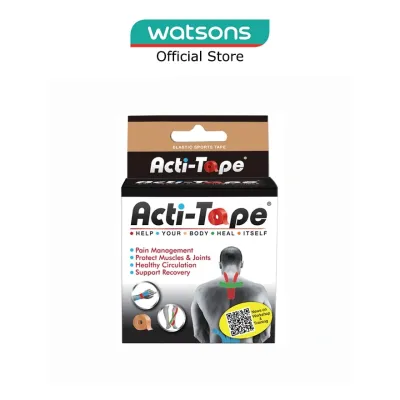
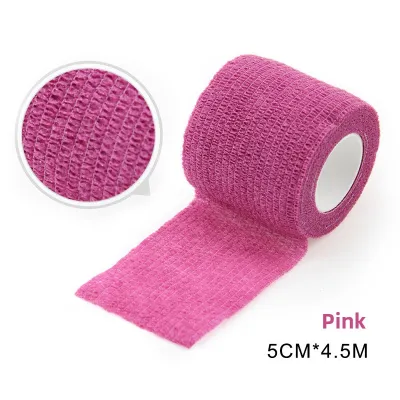
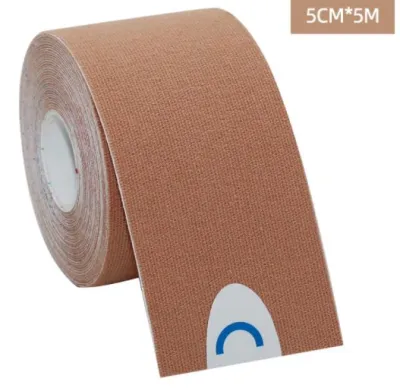
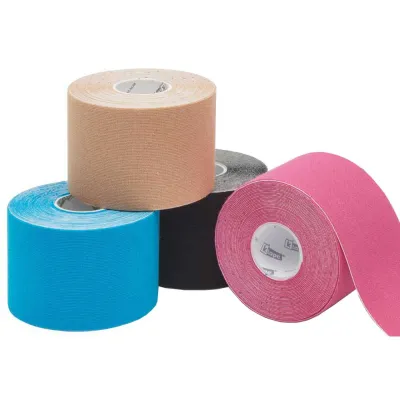
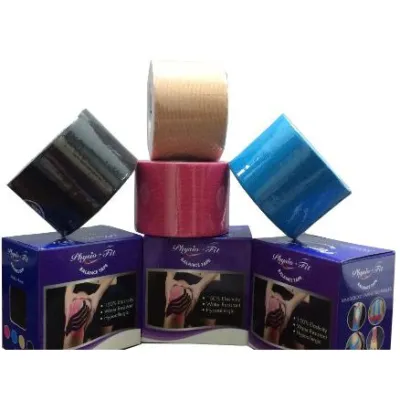
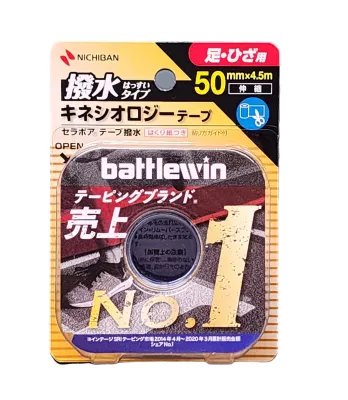
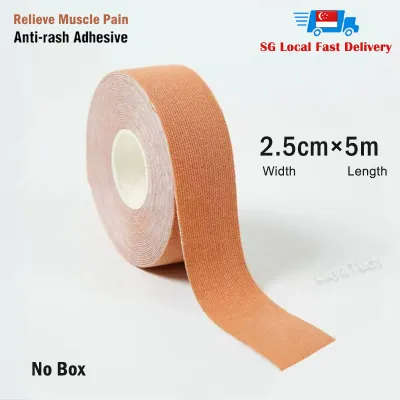
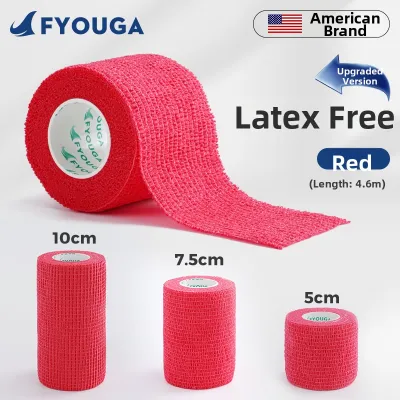
Prices are valid at publication and may change. Please refer to the product page for the latest price.
Environmental factors also play a critical role in how well sports tape adheres and protects. In hot and humid climates, such as during outdoor training sessions in Singapore, heavy sweating can quickly degrade standard adhesives. If you have sensitive skin, the type of adhesive used is just as important as the tape’s physical support capabilities. You must evaluate how your skin reacts to adhesives and whether the tape can withstand moisture without slipping.
Rigid Tape: When to Choose It for Joint Restriction
Rigid sports tape is your primary option when your goal is to restrict joint movement to prevent injury or protect an existing sprain. This non-stretch tape is commonly used in high-impact sports to stabilize joints like ankles, wrists, and fingers. By mechanically limiting the range of motion, rigid tape helps protect vulnerable ligaments from stretching or tearing during sudden changes of direction.

When shopping, check the product packaging for non-stretch materials, typically made from high-tensile cotton and coated with a strong zinc oxide adhesive. These materials are designed to withstand high forces without stretching or giving way during intense physical contact. The adhesive on rigid tape is exceptionally strong, ensuring it remains firmly in place even under significant mechanical stress.
However, rigid tape has distinct limitations. Because it restricts natural movement, improper application can alter your biomechanics and potentially transfer stress to other joints. Precise application is essential, and you should verify the correct wrapping techniques or consult a professional to avoid wrapping too tightly. It is also important to note that rigid tape is generally not designed for long-term wear and should be removed shortly after your activity ends.
Kinesiology Tape: When to Choose It for Muscle Feedback
Kinesiology tape, often referred to as KT or elastic therapeutic tape, is designed to stretch and mimic the natural elasticity of human skin. Instead of mechanically restricting your joints, this tape provides sensory feedback, also known as proprioception, to help your brain register body positioning during dynamic movements. This feedback can help you maintain proper form and muscle activation throughout your workout.
This type of tape is ideal for active recovery and sports that require a full range of motion, such as swimming, tennis, or track events. It gently lifts the skin, which can assist with localized circulation and muscle awareness without locking a joint in place. Because it is highly elastic, it moves dynamically with your muscles, making it comfortable for extended wear during multi-day tournaments or long-distance training.
To get the most out of kinesiology tape, always review the manufacturer’s instructions for specific stretch percentages and anchor point placements. Applying too much tension to the ends of the tape can cause skin irritation or blistering, so the anchor points should always be applied with zero stretch. Understanding how to apply the correct amount of tension to the middle section of the tape is key to achieving the desired sensory feedback.
Elastic and Cohesive Options: When to Choose Them for Compression
When you need a middle ground between rigid restriction and highly elastic sensory feedback, elastic adhesive tapes and cohesive bandages offer versatile alternatives. These options are excellent for managing swelling, securing dressings, or providing moderate, flexible support. They allow for a degree of natural movement while still offering a reliable physical barrier and compression.
Elastic adhesive tape (EAT) stretches to accommodate muscle expansion and contraction while still offering stronger mechanical support than kinesiology tape. It is highly useful for wrapping larger muscle groups or joints that require moderate stabilization during dynamic movements, such as the knees or shoulders. The built-in stretch ensures that the tape does not cut off blood flow as your muscles pump and expand during exercise.
Cohesive bandages, on the other hand, adhere only to themselves and not to your skin or hair. This makes them the perfect choice for securing ice packs, wrapping over underwrap padding, or providing quick, temporary compression on the sidelines without the pain of adhesive removal. Because they do not rely on chemical adhesives, they are also an excellent option for athletes with highly sensitive skin or open wounds that require clean wrapping.
Regardless of which flexible option you choose, you must carefully monitor the wrap tension. Check the wrapped area regularly for signs of restricted circulation, such as coldness, tingling, or discoloration, and loosen the wrap immediately if these symptoms occur. Proper tension should feel supportive and snug but never painful or restrictive to your blood flow.
Safety Checks, Skin Preparation, and Removal Guidelines
Using sports tape safely requires proper skin preparation to prevent irritation and ensure the adhesive performs as intended. Always perform a small patch test on your skin for 24 hours before using a new brand of tape, especially if you have sensitive skin or a history of adhesive allergies. This simple check can prevent widespread skin reactions during your actual training sessions.
Before application, ensure your skin is clean, dry, and completely free of body oils, sweat, or moisturizing lotions. Shaving or trimming excess hair in the target area can also improve adhesion and make the eventual removal process significantly more comfortable. If you are using rigid tape, applying a thin layer of underwrap foam can protect your skin from the strong zinc oxide adhesive.
When it is time to remove the tape, follow the manufacturer’s recommended techniques to avoid tearing the skin. Peel the tape slowly in the direction of hair growth while pressing down on the skin behind the tape, or use warm soapy water or a specialized adhesive remover to loosen the bond. Never rip the tape off quickly, as this can cause painful skin abrasions and epidermal tearing.
Stop using any sports tape immediately if you experience severe itching, burning, blistering, or numbness. These are clear indicators of an adverse reaction or restricted blood flow, and you should consult a healthcare professional if the symptoms do not resolve quickly. Remember that sports tape is a supportive tool and should never be used as a substitute for proper rehabilitation, professional medical advice, or physical training.
Frequently Asked Questions (FAQ)
Can I wear sports tape while swimming or showering?
Whether you can wear sports tape in the water depends entirely on the specific tape type and its adhesive properties. Many kinesiology tapes are designed with water-resistant acrylic adhesives that can withstand swimming or showering, but you must check the product label to verify its water-resistance rating. Prolonged exposure to water will eventually reduce adhesion, so gently pat the tape dry with a towel after getting wet rather than rubbing it. Rigid tapes, however, are rarely water-resistant and will typically peel off quickly when exposed to moisture.
How long can I safely leave sports tape on my skin?
You should always refer to the manufacturer’s recommended maximum wear time printed on the product packaging, as adhesives vary widely. While some kinesiology tapes are rated for multi-day wear, rigid tapes are typically designed to be removed immediately after your training session or match. Regardless of the recommended timeframe, remove the tape immediately if you observe any signs of skin irritation, redness, or physical discomfort. Leaving tape on for too long can trap moisture and sweat against the skin, leading to bacterial growth and severe irritation.
Community discussion
Share your experience or ask a question. Comments are reviewed before publication.