
When training in Singapore’s intense heat and high humidity, keeping your hydration ice-cold is essential for maintaining performance and comfort. While many sports water bottle brands claim to offer the absolute best insulation, no single brand universally guarantees the coldest drink. The actual thermal performance during your workout depends heavily on specific engineering choices, such as the quality of the double-wall vacuum seal, the design of the lid, and how you use and maintain the bottle. To find the right bottle for your routine, you must look past marketing slogans and evaluate key physical specifications, including material grades, lid mechanisms, and exterior coatings.
Key Factors That Determine Cold Retention in Sports Bottles
To understand how a sports bottle keeps your water cold, it helps to look at the physics of heat transfer. Double-wall vacuum insulation is the primary technology used to block heat. This design features an inner and outer stainless steel container welded together, with the air vacuumed out of the space between them. Because a vacuum contains no air molecules, it prevents heat from transferring via conduction or convection. The quality of this vacuum seal, along with the thickness of the steel walls, determines how effectively the bottle resists the ambient tropical heat of Singapore.
The lid of the bottle is another critical factor in thermal performance. While the body of the bottle is made of highly insulated metal, the lid is almost always constructed from plastic or silicone, which are less effective at blocking heat. Consequently, the lid is the primary area where heat exchange occurs. Straw lids and flip tops offer excellent convenience for quick sips during a workout, but they often feature air valves and seals that can allow tiny amounts of warm air to enter. In contrast, a solid, insulated screw cap provides a more complete thermal barrier but requires you to stop and use both hands to open it.
Products mentioned in this guide
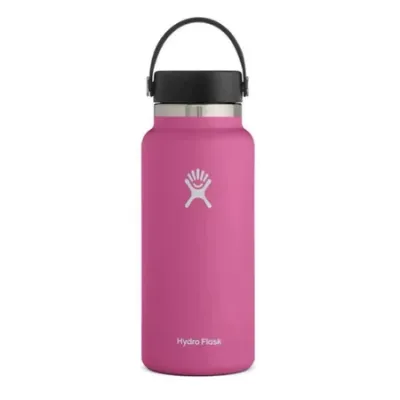
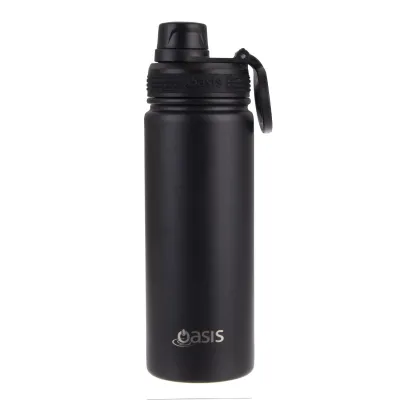
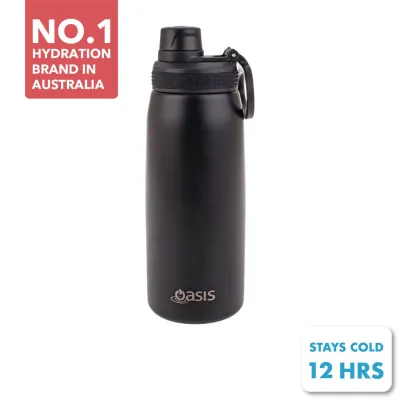
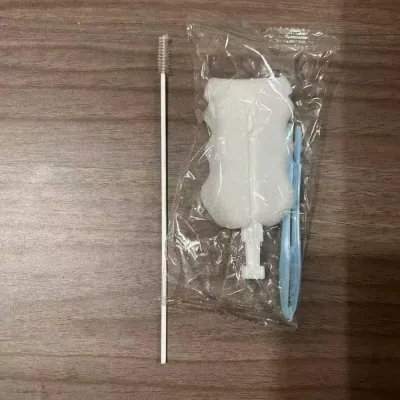
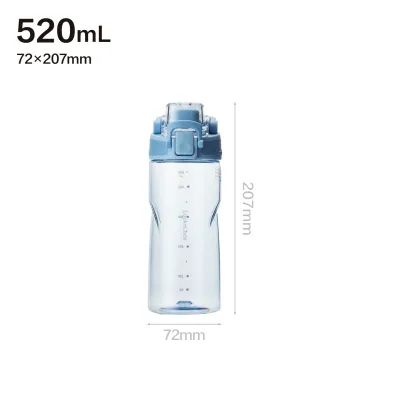
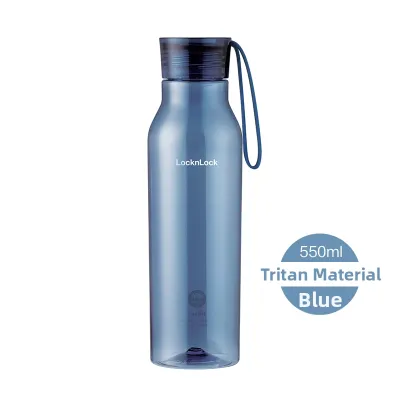
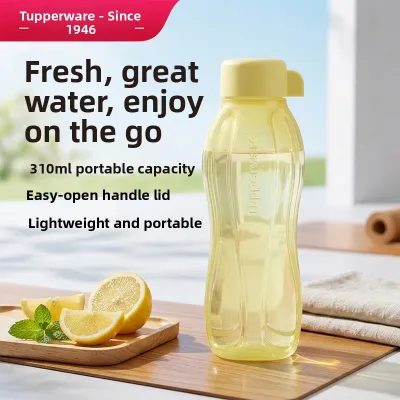
Prices are valid at publication and may change. Please refer to the product page for the latest price.
The width of the bottle’s mouth also plays a significant role in temperature control. A wide-mouth bottle allows you to easily drop in large ice cubes, which significantly lowers the starting temperature of your drink. However, every time you open a wide-mouth bottle, a larger surface area of cold liquid is exposed to the warm, humid air, leading to faster temperature rise. A narrow-mouth bottle limits this air exchange, keeping the contents cold for longer during active use, though it makes filling the bottle with ice or cleaning the interior more challenging.
In Singapore’s humid climate, the exterior finish of your water bottle is more than just an aesthetic choice. When warm, moisture-laden air comes into contact with a cold surface, condensation forms. While a properly insulated bottle should not sweat on its steel body, a high-quality exterior powder coating is still essential. This textured finish provides a secure, non-slip grip when your hands are sweaty from an intense workout. It also acts as a protective barrier against scratches and minor impacts that could otherwise compromise the outer steel layer.
Comparing Insulation Technologies Across Popular Brands
When comparing different sports water bottles on the market, you will find variations in how manufacturers enhance their insulation. Some premium brands incorporate a thin layer of copper plating on the outside of the inner stainless steel wall. Because copper is an excellent thermal reflector, it reflects radiant heat away from the inner flask, further slowing down the warming process. Standard vacuum bottles omit this copper layer, relying solely on the empty space between the steel walls. While copper-lined bottles often offer superior thermal resistance, they can also be slightly heavier and more expensive.

Lid mechanisms must also be evaluated for their durability and leak resistance during dynamic movements. If you are tossing your bottle into a gym bag or carrying it while running, a secure seal is paramount. Look for lids that feature thick, food-grade silicone gaskets and locking latches. Straw lids are highly convenient for cycling or treadmill running because they allow you to drink without tilting your head, but they have more moving parts that can wear out over time. Simple screw caps have fewer failure points and generally provide the most reliable leak-proof seal under pressure.
The trade-off between heavy-duty insulation and overall bottle weight is a crucial consideration for active users. Thicker steel walls, copper linings, and heavy, insulated lids all add weight to your gear. If you are hiking through MacRitchie Reservoir or running long distances outdoors, carrying a heavy insulated bottle can become a physical burden. In these scenarios, you must balance the desire for ice-cold water with the practical need for a lighter load, perhaps opting for a slightly smaller capacity or a bottle designed with thinner, high-strength steel.
To help you compare the physical specifications of common sports water bottles, the table below outlines key verifiable design features rather than unverified marketing claims about cold-retention hours.
| Bottle Category | Typical Material Grade | Common Lid Options | Dishwasher Safety | Primary Design Focus |
|---|---|---|---|---|
| Standard Double-Wall | 18/8 (304) Stainless Steel | Screw cap, sports cap | Hand-wash recommended | General everyday use and gym workouts |
| Copper-Lined Vacuum | 18/8 (304) Stainless Steel | Straw lid, heavy-duty cap | Hand-wash only | Maximum thermal resistance for outdoor heat |
| Lightweight Insulated | Thin-gauge Stainless Steel | Minimalist screw cap | Hand-wash only | Weight reduction for running and hiking |
How to Choose the Right Bottle for Your Workout and Climate
Selecting the ideal sports water bottle requires matching its features to your specific exercise environment and Singapore’s tropical conditions. For high-intensity outdoor training, such as boot camps, outdoor yoga, or beach volleyball, you face direct sunlight and high ambient temperatures. In these settings, prioritize a bottle with a durable powder-coated exterior to ensure a solid grip when your hands are wet. A one-handed straw lid or a quick-release flip top is highly beneficial here, allowing you to hydrate rapidly without interrupting your workout flow or exposing the bottle’s interior to the hot air for too long.
If your routine primarily consists of indoor gym sessions in air-conditioned fitness centers, your insulation needs are slightly different. Because the ambient temperature is controlled, you can focus on capacity and convenience rather than maximum thermal barriers. A larger capacity bottle, such as a 900ml or 1.2L model, ensures you have enough water for a long session without needing constant refills. Since you do not have to carry the bottle over long distances, the extra weight of a fully filled, heavy-duty insulated bottle with a standard screw cap is easily manageable.
For cycling or running, compatibility with your existing gear is the most important factor. Before purchasing, measure the diameter of your bicycle’s bottle cage or the pockets of your running hydration vest to ensure a secure fit. A bottle that is too wide will not fit, while one that is too narrow may bounce out during dynamic movements. Look for bottles that offer absolute leak-proof guarantees and feature a dust cover over the mouthpiece to protect it from road grit and dirt while you ride or run.
Regardless of your sport, always verify the manufacturer’s guidelines regarding material safety and temperature limits before making a purchase. Many insulated sports bottles are specifically rated only for cold liquids; using them for hot drinks can damage the internal seals or cause pressure build-up that leads to dangerous splashing when opened. Ensure the bottle is certified BPA-free and constructed from food-grade 18/8 stainless steel, which resists rust and does not retain flavors from previous sports drinks.
Maintenance and Care to Preserve Insulation Performance
Proper maintenance is essential to keep your insulated sports bottle performing at its best over the long term. While some manufacturers state that their bottles are dishwasher safe, the high heat and harsh chemical detergents used in dishwashers can degrade the exterior powder coating and weaken the adhesive seals over time. To preserve both the appearance and the vacuum insulation of your bottle, hand-washing with warm, soapy water and a soft bottle brush is highly recommended. Avoid using abrasive scrubbers or bleach, which can scratch the stainless steel and damage the protective oxide layer.
Preventing physical damage is crucial because the vacuum insulation relies on a microscopic gap between the two steel walls. If you drop your bottle onto concrete, asphalt, or a hard gym floor, a deep dent can cause the inner and outer walls to make physical contact. Once these walls touch, heat will transfer rapidly through conduction, permanently destroying the bottle’s ability to keep drinks cold. To protect your investment, handle your bottle with care, and consider using a protective silicone boot on the base to cushion impacts.
Finally, regularly inspect and maintain the silicone gaskets inside the bottle’s lid. In Singapore’s warm and humid climate, moisture can easily become trapped in the crevices of the lid, leading to mold growth or the deterioration of the silicone. During cleaning, carefully remove the gaskets using a blunt tool, wash them thoroughly, and allow them to air dry completely before reassembling. If a gasket becomes warped, cracked, or loses its elasticity, replace it immediately to maintain an airtight, leak-proof seal that keeps warm air out.
Frequently Asked Questions (FAQ)
Does adding ice cubes significantly improve cold retention?
Yes, adding ice cubes significantly improves how long your drink stays cold. When you add ice, the thermal energy entering the bottle is absorbed by the ice as it melts (a process known as the latent heat of fusion) rather than raising the temperature of the water. To get the best results, pre-chill your bottle with cold water for a few minutes before filling it, and use larger ice cubes, which melt much slower than crushed ice.
Why does my insulated bottle sweat on the outside?
An insulated bottle should never sweat on its main steel body under normal conditions. If you notice condensation forming on the exterior steel, it is a clear indication that the vacuum seal has failed, allowing heat to transfer directly between the outside air and the cold liquid inside. However, minor condensation around a plastic lid is normal, as plastic does not insulate as effectively as double-wall stainless steel.
Community discussion
Share your experience or ask a question. Comments are reviewed before publication.