
Choosing the right swimming float for kids involves matching the device to your child’s physical development, water confidence, and swimming ability. There is no single float that fits every stage of a child’s journey in the water. Selecting the wrong type can hinder their natural swimming posture or, more critically, compromise their safety. By understanding how different flotation aids support a child’s body, you can make an informed choice that encourages water confidence while keeping safety at the forefront.
Quick Guide: Matching Float Types to Your Child's Stage
Before purchasing any flotation device, you must assess your child’s physical development and comfort level in the water. For infants, the most critical physical signals are strong neck strength and consistent head control. Without these milestones, traditional recreational floats are unsuitable, and the child should only be held directly in an adult’s arms.
As children grow, their water readiness transitions through distinct developmental stages. Infants who can sit upright independently are typically introduced to baby seats or canopy floats. Toddlers who are active but still building basic balance often transition to swim vests or armbands. Older children who are learning active propulsion benefit from streamlined aids that do not restrict their natural arm and leg movements.
Products mentioned in this guide
![[SG Stock] Inflatable Float Ring Kids 2-9 Years 5-25KG Swimming Floatie Pool Swim Safety Vest Jacket Baby Play Toy](https://img.lazcdn.com/g/p/4cda60f853c3e5e2faf635934e31b018.jpg_400x400q80.jpg_.webp)
Prices are valid at publication and may change. Please refer to the product page for the latest price.
It is vital to distinguish between recreational swimming aids and certified life-saving devices. Recreational floats, such as inflatable rings and armbands, are designed solely to assist with buoyancy during supervised play or swim practice. They do not prevent drowning and cannot turn an unconscious swimmer face-up. Certified life jackets or personal flotation devices (PFDs), on the other hand, undergo rigorous testing to meet strict national safety standards and are designed to keep the wearer’s head above water in emergencies.
Comparing Common Swimming Floats and Their Limits
Understanding the design and limitations of each float type allows you to select an option that matches your child’s specific needs and swimming environment.

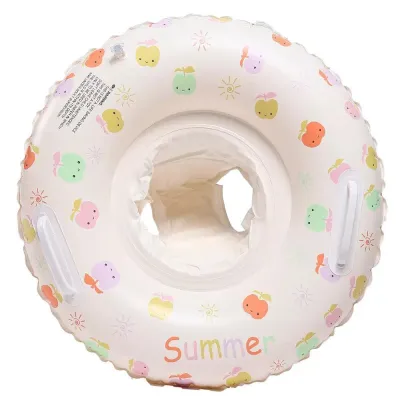
Baby Seats and Rings Baby seats feature a secure leg harness suspended within an inflatable ring, keeping the infant upright and stable. These devices require the child to have achieved the physical milestone of sitting unassisted to prevent slouching or sliding. The primary risk associated with baby seats is tipping; a sudden wave, a push from another child, or the infant leaning too far can flip the seat upside down, trapping the child underwater.
Swimming Vests and Suits Swimming vests and float suits distribute buoyancy evenly around the child’s torso, keeping them in a more natural, upright, or slightly forward-leaning position. This design provides excellent freedom of movement for both arms and legs, making it ideal for children learning to kick and paddle. When choosing a vest, verify the fastening security, looking for heavy-duty zippers, adjustable crotch straps, and secure buckles that prevent the vest from riding up over the child’s chin.
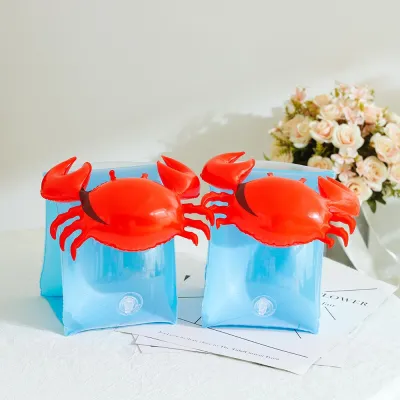
Arm Bands (Water Wings) Arm bands, commonly known as water wings, are inflatable bands worn on the upper arms to provide localized buoyancy. While they allow children to stand upright in shallow water, they significantly restrict arm mobility, which can hinder the development of proper swimming strokes. Before each use, you must perform inflation checks to ensure both chambers are fully firm, and verify that the bands fit snugly enough to prevent them from slipping off during active play or when jumping into the water.
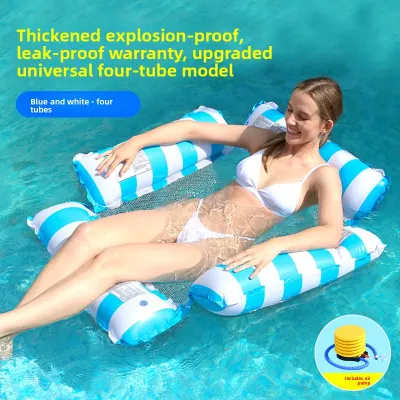
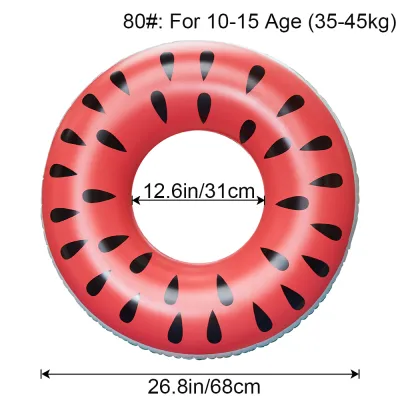
Traditional Swim Rings Traditional circular swim rings are open tubes that a child slips inside or holds onto. These are generally classified as recreational pool toys rather than learning aids because they do not secure the child in place. A child can easily slip through the center of the ring or lose their grip, requiring constant, uninterrupted adult supervision and immediate physical proximity at all times.
How to Choose Based on Your Child's Water Confidence
Selecting the right swimming float for kids requires a progressive approach that aligns with your child’s evolving relationship with the water.
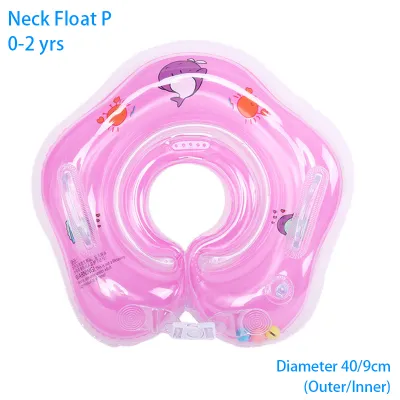
Water Introduction (Infants and Toddlers) For infants and toddlers experiencing the pool for the first time, the primary goal is comfort and gentle acclimation. Look for floats that offer robust head and neck support, a secure multi-point safety harness, and integrated shade features to protect sensitive skin from harsh sunlight. Always verify the manufacturer’s weight and age limits printed on the packaging, as exceeding these limits can compromise the float’s stability and buoyancy.
Beginner Swimmers (Building Confidence) As toddlers transition into active beginners, they need aids that encourage a horizontal swimming position rather than keeping them strictly vertical. Swim vests with removable foam inserts or hybrid shoulder-armband systems are excellent for this stage. These devices allow the child to lean forward naturally, practice kicking, and experience the sensation of floating without feeling restricted.
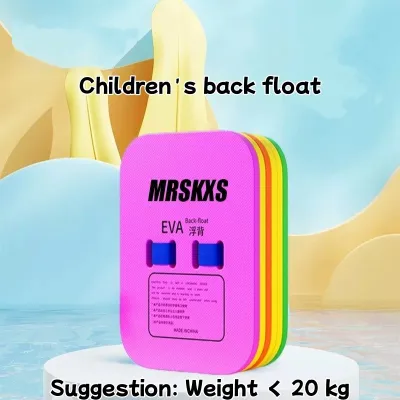
Intermediate Swimmers (Skill Development) For children who are comfortable putting their faces in the water and can perform basic dog paddle strokes, the focus shifts to gradual independence. Adjustable buoyancy aids, such as back floats with removable layers, allow you to slowly reduce the level of assistance as the child’s strength and technique improve. This gradual reduction helps build genuine swimming skills rather than a false sense of security.
Verifying Product Labels Before making any purchase, take the time to read and verify the manufacturer’s specifications on the product label. Never select a float based on age recommendations alone; weight and chest circumference are far more accurate indicators of a safe fit. Ensure the product displays clear safety certifications and compliance markings relevant to your region, indicating it has undergone standard quality and buoyancy testing.
Critical Safety Checks and Supervision Rules
No flotation device can replace active adult supervision or professional swim instruction. Safety in the water relies on strict adherence to operational boundaries and regular equipment maintenance.
The most critical rule of pool safety is constant, touch-distance adult supervision. This means an adult must be in the water, within arm’s reach of the child, and fully focused on them at all times. Flotation aids can fail, slip off, or tip over in a matter of seconds, making passive supervision from the pool deck highly dangerous.
Establish a strict pre-use inspection routine before every swim session. Inspect inflatable floats for slow air leaks, check the integrity of plastic valves to ensure they seal tightly, and examine fabric-covered foam vests for tears, broken buckles, or material degradation caused by chlorine and sun exposure. If you detect any signs of wear or damage, discard the device immediately.
Be aware of environmental limits when using recreational floats. These devices are designed for calm, controlled environments like backyard or public swimming pools. They should never be used in open water, lakes, or oceans, where strong currents, wind, and sudden waves can easily sweep a child away or overpower the float’s buoyancy.
Recognize when it is time to stop using a specific float. If your child has outgrown the weight limit, shows signs of discomfort, or has developed the strength to swim independently, transition them to a lower-buoyancy aid or remove the float entirely under close supervision. Enrolling your child in professional swim lessons is the most effective way to transition them from relying on flotation aids to becoming confident, independent swimmers.
Frequently Asked Questions (FAQ)
Can my child use a swimming float in a public pool or water park?
Public pools and water parks often have strict regulations regarding the types of flotation devices permitted on their premises. Many facilities prohibit large inflatable toys, traditional swim rings, or uncertified armbands due to safety hazards and overcrowding concerns. Before visiting, check the venue’s specific policies; many parks only allow certified life jackets or approved swim vests, and some may provide these devices free of charge or for a small rental fee.
How do I know when my child is ready to move to a smaller float or no float?
Your child may be ready to transition to a smaller float or swim independently when they demonstrate consistent physical milestones in the water. Look for signs such as the ability to maintain a horizontal body position without assistance, comfortable breath control (including blowing bubbles and putting their face in the water), and coordinated arm and leg movements. Always test their independence in shallow water where they can easily stand, and remain within arm’s reach during the transition.
Are inflatable arm bands safer than foam swimming vests?
Foam swimming vests generally offer a higher level of safety and reliability compared to inflatable armbands. Inflatable devices carry an inherent risk of puncture, deflation, or valve failure during active play, whereas foam vests maintain their buoyancy regardless of surface wear. Additionally, foam vests are secured with adjustable straps and buckles that prevent the device from slipping off, whereas armbands can easily slide down a child’s wet skin if they are not perfectly sized.
Community discussion
Share your experience or ask a question. Comments are reviewed before publication.