
Choosing the right percussive therapy device is not about finding a single universal model, but rather matching specific technical capabilities to your individual running demands. Whether you are recovering from high-mileage weeks, preparing for race day, or managing daily muscle tension, the ideal TheraTools massage gun depends on your required intensity, portability needs, and target muscle groups. This guide provides a structured framework to help you evaluate official specifications and select the configuration that best supports your recovery routine.
In a tropical climate like Singapore’s, runners often face unique physical challenges. High humidity and heat accelerate dehydration and electrolyte loss, which can lead to premature muscle fatigue, cramping, and prolonged tightness. Under these conditions, post-run recovery becomes even more critical to prevent chronic overuse injuries. Integrating a percussive therapy device into your routine can help alleviate localized muscle tension, but only if the device’s mechanical output matches the physiological needs of your muscle tissue.
Using a massage gun that is too weak for dense muscle groups will result in the motor stalling, rendering the treatment ineffective. Conversely, using an overly aggressive device on sensitive, fatigued areas like the calves or shins can cause bruising or worsen inflammation. By understanding how different mechanical specifications interact with your body, you can make an informed decision that enhances your training consistency and overall comfort.
Products mentioned in this guide
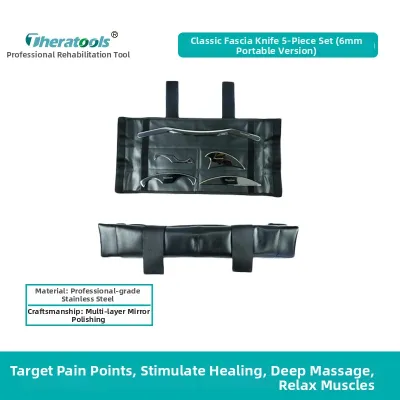
Prices are valid at publication and may change. Please refer to the product page for the latest price.
Identifying Your Specific Running Recovery Needs
To select the most effective percussive therapy tool, you must first analyze your specific running habits and recovery challenges. Not all running routines place the same demands on the body, and a device that works well for a casual jogger may not suffice for an endurance athlete. Begin by identifying whether your primary goal is post-run deep tissue recovery, pre-run muscle activation, or general daily maintenance.
Post-run recovery typically requires a device capable of targeting deep muscle layers to relieve tension accumulated over long distances. For runners tackling high-mileage weeks, the primary focus is often on major muscle groups like the quadriceps, hamstrings, and glutes. These dense muscle masses require deeper penetration to stimulate blood flow and facilitate recovery. If your routine consists of frequent long runs, your device must have the mechanical power to penetrate these layers without stalling.
Pre-run muscle activation, on the other hand, benefits from rapid, surface-level percussive stimulation. This technique helps increase local blood circulation and joint range of motion, preparing the muscles for the upcoming physical stress. If you plan to use your device primarily at the track or trailhead before workouts, portability and quick-start settings become much more important than raw stall force.
Daily maintenance and tension management fall somewhere in between. Runners who experience chronic tightness in specific areas, such as the calves or plantar fascia, need a versatile tool that can be adjusted for sensitive tissues. The calves, for instance, have less fat and muscle cushioning than the glutes, making high-intensity percussion uncomfortable. For daily maintenance, a device with a wide range of speed settings and highly adaptable attachments is essential.
Portability is another critical factor that depends heavily on your lifestyle. If you do most of your recovery at home, a larger, heavy-duty cordless model is highly practical. However, if you frequently travel for away races, attend training camps, or commute to a local running club, a compact form factor is a necessity. A heavy, bulky device is likely to be left behind, defeating the purpose of having a portable recovery tool. Consider where you will realistically use the device most often before prioritizing size or power.
Finally, identify your primary target muscle groups and the specific attachments required to treat them. Different muscle shapes and locations respond best to tailored attachment heads. For example, a large ball attachment is excellent for broad areas like the glutes, while a dampener head is preferred for sensitive areas near bones. A cone attachment can target deep trigger points in the arches of the feet, and a fork attachment is designed to navigate around the Achilles tendon. Ensure the device configuration you choose includes the specific attachments necessary for your trouble spots.
Core Specifications to Evaluate in TheraTools Models
When evaluating different TheraTools models, you must look past marketing claims and focus on verifiable technical specifications. The performance of a percussive therapy device is determined by a few key metrics that dictate how the device interacts with your muscles. Understanding these specifications allows you to compare models objectively and choose the one that aligns with your physical requirements.

The first and most critical specification to evaluate is amplitude, which refers to the distance the massage head travels back and forth. Measured in millimeters, amplitude determines the depth of the percussive stroke. A higher amplitude, typically between 12mm and 16mm, allows the device to reach deeper into the muscle tissue, providing a true deep-tissue massage. Devices with lower amplitudes, such as 8mm to 10mm, offer a more vibrating sensation that is highly effective for superficial muscle activation and sensitive areas but may feel insufficient for deep glute or hamstring release.
Stall force is the next vital metric, representing the amount of pressure required to stop the motor from running. This is measured in kilograms or pounds and directly impacts how hard you can press the device into your muscles. For larger, denser muscle groups, you need a higher stall force so the device continues to operate even when you apply significant downward pressure. If a device has a low stall force, the motor will stall as soon as you try to target deep tension in your quadriceps, rendering the tool ineffective for deep-tissue work.
Weight and ergonomics play a major role in how comfortable the device is to use. Because you will be administering the therapy to yourself, the device must be easy to hold and maneuver. A heavy device can quickly cause wrist and arm fatigue, especially when you are trying to reach awkward angles like the upper hamstrings or lower back. Look for ergonomic handle designs that allow for multiple grip positions, which helps distribute the weight of the device and reduces strain on your hands during longer recovery sessions.
Battery life and charging specifications are also essential, particularly for runners who are frequently on the move. Verify the estimated runtime per charge and the type of charging interface used. Many modern devices utilize universal USB-C charging, which simplifies travel by allowing you to use the same charger for your phone and your recovery tool. If you participate in multi-day trail events or off-grid training camps where electricity is limited, prioritizing a model with an extended battery life or swappable batteries is highly beneficial.
Always verify these technical specifications against the official TheraTools product labels, user manuals, or authorized retail listings. Avoid relying on generalized online reviews that may misstate these metrics. Knowing the exact amplitude, stall force, and weight ensures you select a device that is mechanically capable of delivering the specific type of therapy your body requires.
Matching TheraTools Configurations to Runner Profiles
To simplify your decision, you can match your running profile to specific categories of TheraTools configurations. By grouping your training habits into distinct profiles, you can quickly identify which set of specifications will serve you best. This structured approach prevents you from overpaying for unnecessary features or purchasing a device that lacks the power to meet your recovery needs.
High-mileage runners, marathoners, and ultra-endurance athletes demand the highest level of performance from their recovery tools. If you are consistently logging high weekly mileage, your muscles are subjected to repetitive stress that leads to deep, chronic tension. For this profile, a heavy-duty TheraTools configuration is recommended. Prioritize a model with a deep amplitude (14mm to 16mm) and a high stall force to ensure you can effectively target deep tissue in the glutes, hamstrings, and quadriceps. These models should also come with a comprehensive set of specialized attachments to address different muscle groups.
Commuter runners, frequent travelers, and those who train away from home require a highly portable solution. If your recovery routine takes place in a gym locker room, at the office after a run commute, or in a hotel room during away races, a compact TheraTools model is the ideal choice. These travel-friendly configurations prioritize a lightweight, ergonomic design and a smaller footprint. While they may offer slightly lower stall force and amplitude than full-sized models, their portability ensures you can maintain your recovery routine consistently, no matter where your training takes you. Ensure the battery specifications comply with airline carry-on regulations if you plan to fly frequently.
Casual runners, fitness enthusiasts, and those focused on general wellness and daily maintenance should look for a balanced, mid-range configuration. If you run a few times a week for fitness and do not experience severe muscle tightness, you do not need the most powerful or the most compact device. Instead, focus on a versatile model that offers a moderate amplitude (10mm to 12mm), adjustable speed settings, and a comfortable grip. This profile benefits from a quieter motor and a more accessible price point, providing excellent value for regular, everyday recovery without the premium cost of specialized athletic models.
Before making a final purchase, always cross-reference these profile recommendations with the current official specifications provided by TheraTools. Product lineups can change, and new models may introduce updated features. By comparing your personal running profile against the verified technical data in the manufacturer’s official documentation, you can confidently select the configuration that offers the best balance of power, portability, and utility for your specific athletic journey.
Safe Usage, Maintenance, and When to Stop
While percussive therapy is a highly effective tool for running recovery, it must be used correctly to avoid injury and ensure the longevity of the device. Massage guns exert significant mechanical force on the body, and improper application can lead to soft tissue damage, bruising, or worsened inflammation. Establishing clear safety boundaries and maintenance routines is essential for every runner.
First and foremost, never apply the massage gun directly to bones, joints, the spine, or areas with major blood vessels and nerves. Percussive therapy is strictly designed for skeletal muscle tissue. Applying direct force to bony prominences, such as the kneecap, shinbone, or hip bones, can cause severe pain and bone bruising. If you are targeting a muscle group near a joint, such as the quadriceps near the knee, always stop the device well before the joint line. If you are unsure about how to navigate a specific anatomical area, consult a qualified physiotherapist for guidance.
Session duration must be carefully managed to prevent over-stimulation of the muscle tissue. It is a common misconception that more time yields better results; in reality, prolonged exposure to percussive force can cause micro-trauma to the muscles. Follow the manufacturer’s guidelines, which typically recommend limiting use to 1 to 2 minutes per muscle group. Keep the device moving continuously over the muscle belly rather than holding it in one spot for too long. This approach ensures even stimulation and prevents localized bruising.
Proper maintenance of your TheraTools device is also crucial for hygiene and performance. After a run, your skin is often covered in sweat, dirt, and sunscreen, which can transfer to the device’s attachments. Clean the attachment heads regularly using a damp cloth and mild soap, ensuring they are completely dry before reattaching them. Never submerge the device itself in water. Additionally, maintain the battery by storing the device in a cool, dry place and avoiding leaving it in direct sunlight or a hot car, which can degrade battery capacity over time.
Most importantly, you must recognize the stop conditions that require you to cease use immediately. Percussive therapy should feel like a deep, intense pressure, but it should never cause sharp, shooting, or radiating pain. If you experience sudden pain, numbness, tingling, or a pins-and-needles sensation, turn off the device immediately. These symptoms indicate that you may be pressing on a nerve or an acute injury, such as a muscle tear or stress fracture. In such cases, discontinue use and seek professional medical advice before resuming any percussive therapy.
Frequently Asked Questions (FAQ)
Can I use a TheraTools massage gun on my IT band?
The iliotibial (IT) band is a thick, dense band of fibrous fascia rather than a contractile muscle. Because it lacks the elasticity of muscle tissue, applying direct percussive force to the IT band can cause significant irritation, friction, and inflammation against the underlying bone. Instead of targeting the IT band directly, you should use your TheraTools device on the surrounding muscles that control its tension. Focus on the tensor fasciae latae (TFL) at the hip, the gluteus maximus, and the quadriceps. Relieving tension in these connecting muscles will help reduce pull on the IT band far more effectively and safely.
How soon after a long run should I use the massage gun?
You should avoid using a massage gun immediately after finishing a strenuous long run. Right after exercise, your muscles are highly fatigued, potentially micro-torn, and your heart rate is elevated. Allow your body to cool down, rehydrate, and let your heart rate return to its resting zone first. A safe window is typically 30 to 60 minutes post-run, once you have completed basic stretching and hydration. When you do begin, use a lower intensity setting to gently flush the muscles rather than applying deep, aggressive pressure, and always follow the specific recovery protocols outlined in your device’s user manual.
Are third-party attachments safe to use with TheraTools devices?
Using third-party or non-official attachments with your TheraTools device is generally not recommended. These accessories may not match the precise connection specifications of your model, which can lead to loose fittings, excessive vibration, or damage to the motor shaft. Furthermore, third-party attachments may use materials that have not been tested for skin safety or durability under high-frequency percussion. Using unauthorized accessories can also void your manufacturer’s warranty. To ensure safe operation and protect your investment, stick to official TheraTools attachments or those explicitly approved in your user manual.
Community discussion
Share your experience or ask a question. Comments are reviewed before publication.