
Selecting the ideal pair of tifosi sunglasses requires matching specific lens technologies and frame designs to the physical demands and lighting of your sport. In Singapore’s tropical climate, outdoor enthusiasts face distinct challenges: intense overhead sunlight, sudden rain showers, and high humidity that can quickly fog up standard eyewear. Whether you are cycling along East Coast Park, trail running through MacRitchie Reservoir, or kayaking off Sentosa, choosing the right model is key to protecting your eyes and maintaining clear visibility.
Decoding Tifosi Lens Technologies for Different Environments
Tifosi offers several specialized lens configurations designed to address specific visual challenges, allowing athletes to maintain optical clarity across diverse outdoor environments.
Fototec (Photochromic) Lenses These photochromic lenses contain microscopic molecules that react to ultraviolet (UV) radiation, automatically darkening in bright sunlight and clearing up in shaded conditions. This technology is highly beneficial for sports where lighting changes rapidly, such as moving from open, sun-baked roads into deeply shaded jungle trails. A single pair of Fototec lenses adapts dynamically, ensuring you are never left struggling to see in the dark or squinting in sudden glare.
Products mentioned in this guide
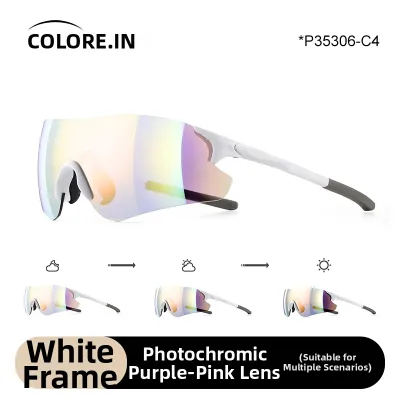
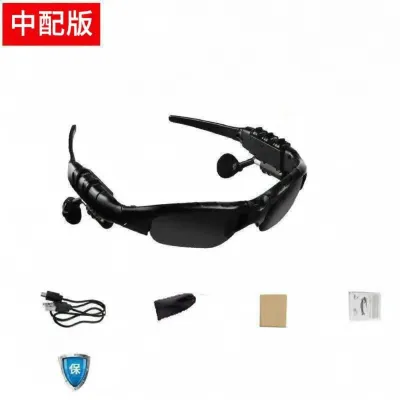
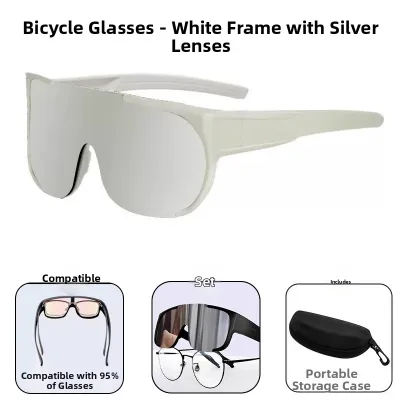
Prices are valid at publication and may change. Please refer to the product page for the latest price.
Polarized Lenses Polarized lenses feature a special filter that blocks intense, reflected horizontal light, commonly referred to as glare. This glare typically bounces off flat surfaces such as open water, wet asphalt after a tropical downpour, or vehicle hoods. While polarization significantly reduces eye strain on bright days, it can make digital screens—such as those on bike computers or sports watches—more difficult to read at certain angles, which is an important consideration to verify before purchasing.
Interchangeable Lens Systems For athletes who prefer manual control, Tifosi’s interchangeable models allow you to physically swap out lenses to match the day’s weather or training schedule. These systems typically come with three distinct lenses: a dark tint for full sun, a high-contrast tint (such as AC Red) for overcast skies, and a clear lens for night training. This manual versatility ensures consistent performance without relying on UV exposure to trigger a tint change.
Enzyme Injected and Tinted Lenses Beyond polarization, the specific color tint of a lens plays a crucial role in contrast enhancement. Tifosi utilizes advanced tinting to filter out specific wavelengths of light, making certain colors stand out more vividly against natural backgrounds. For example, a light rose or red tint helps highlight changes in terrain and trail hazards, while a yellow or clear lens maximizes light transmission during pre-dawn runs or night cycling sessions.
Choosing the Right Tifosi Sunglasses Frame Design for High-Movement Sports
A lens is only as good as the frame that holds it, and selecting a design that remains secure, comfortable, and fog-free during vigorous movement is essential for peak performance.

Grilamid TR-90 Frames The foundation of Tifosi’s sports lineup is Grilamid TR-90, a highly durable homopolyamide nylon material characterized by low density and high resistance to chemical and UV damage. This material makes the frames incredibly lightweight and flexible, allowing them to bend slightly under pressure rather than snapping. For active sports, this impact resistance provides physical protection against flying gravel, low-hanging branches, or accidental drops.
Hydrophilic Rubber Components Standard plastic frames often slip down the nose when you begin to sweat, which can be highly distracting during a workout. Tifosi addresses this by incorporating hydrophilic rubber nose pads and ear pieces into their designs. This specialized material is engineered to increase its grip as it becomes wet, meaning the sunglasses actually hold more securely to your face the more you sweat or when exposed to humid conditions.
Wraparound vs. Semi-Rimless Designs The shape of the frame directly impacts both your field of view and the level of protection you receive. Full-coverage wraparound or shield styles provide a continuous physical barrier against wind, dust, insects, and peripheral glare, making them highly suitable for high-speed activities like cycling. Conversely, semi-rimless designs eliminate the lower portion of the frame, offering an unobstructed downward view and allowing significantly more airflow to pass behind the lens, which helps prevent condensation in high-humidity environments.
Adjustable Nose Pads Because face shapes and nose bridges vary widely, a one-size-fits-all frame can often rest uncomfortably on the cheeks or sit too close to the eyes, trapping heat and sweat. Many Tifosi models feature adjustable nose pieces with a flexible metallic core encased in hydrophilic rubber. By gently bending these pads, you can customize the height and distance of the frame relative to your face, optimizing comfort and promoting ventilation to reduce lens fogging during high-exertion efforts.
Scene-by-Scene Selection Guide
To help you narrow down your choices, let us examine how specific lens and frame combinations perform across popular outdoor activities.
Running and Road Cycling
High-speed, forward-facing endurance sports require eyewear that prioritizes wind protection, stability, and reliable sweat management to keep your eyes focused on the path ahead.
- Frame Preference: Full-coverage shield or wraparound styles (such as the Tifosi Rail or Sledge) are highly recommended. These designs block high-speed wind that can dry out your eyes, and they prevent airborne dust, grit, or insects from compromising your vision.
- Lens Choice: For training sessions that span from dawn to full daylight, Fototec lenses are highly effective as they transition smoothly as the sun rises. If you regularly ride or run at night along the PCN, look for interchangeable models that include a dedicated clear lens.
- Key Features: Ensure the model you select features fully adjustable, hydrophilic nose pads and ear pieces to keep the frame locked in place during heavy sweating and rapid head movements.
- Safety Check: When cycling on public roads or shared paths, equipment cannot replace situational awareness. Verify that the frame design does not obstruct your peripheral vision, allowing you to clearly see overtaking vehicles, pedestrians, and sudden obstacles.
Water Sports, Kayaking, and Fishing
Activities on or near the water expose your eyes to intense, multi-directional glare and require specialized protection to maintain visual clarity and reduce fatigue.
- Lens Choice: Polarized lenses are absolutely essential for water-based activities. By filtering out horizontal glare, they allow you to see through the water's surface, helping you spot shallow sandbars, submerged rocks, or marine life.
- Tint Selection: Copper, brown, or amber tints are highly recommended for marine environments as they enhance contrast against blue and green water, making it easier to read the water's surface and depth changes.
- Frame Features: Look for a secure, snug-fitting frame that wraps closely around your face to block peripheral light reflecting off the water.
- Safety and Loss Prevention: Before heading out, verify the secure fit of your sunglasses. Because sports sunglasses do not naturally float, always attach a high-visibility, floating retention strap to prevent losing your eyewear if you capsize or drop them. Additionally, remember that eye protection is secondary to safety equipment; never embark on water activities without a certified personal flotation device (PFD) and proper safety training.
Hiking, Trail Running, and Golf
Navigating uneven natural terrain requires excellent contrast detection to identify obstacles, along with rapid adaptation to constantly shifting light levels.
- Lens Choice: Contrast-enhancing tints, such as light rose, amber, or brown, are ideal for these activities. They help you quickly distinguish between dirt, tree roots, rocks, and grass, which is critical for maintaining your footing on technical trails or tracking a golf ball against the sky and turf.
- Light Adaptation: If your route transitions frequently between open, sun-baked ridges and dense forest canopies (such as the trails around Bukit Timah or MacRitchie), Fototec lenses are highly valuable to prevent the need to constantly remove your glasses in shaded areas.
- Ventilation: Because hiking and trail running are lower-speed, high-exertion sports, lens fogging is a common issue in humid climates. Choose semi-rimless frames or models with integrated lens vents to promote continuous airflow and keep your vision clear.
Cross-Scene Compatibility: Can One Pair Do It All?
Many outdoor enthusiasts participate in multiple sports and wonder if a single pair of sunglasses can handle every activity, or if investing in dedicated pairs is necessary.
Evaluating Activity Overlap Determining whether one pair is sufficient depends on identifying your primary activities and checking for conflicting optical requirements. For instance, if your main sports are road running and casual hiking, a single versatile frame with a photochromic lens can easily manage both environments. The light-adjusting properties will keep you comfortable on open roads and under forest canopies alike.
The Value of Interchangeable Kits If you engage in activities with wildly different lighting conditions, a Tifosi model equipped with a three-lens interchangeable kit offers an excellent compromise. You can install a dark polarized lens for a weekend kayaking trip, swap it for a high-contrast red lens for an overcast trail run, and use a clear lens for a night ride. This approach provides near-custom optical performance for each sport without the expense of buying multiple complete frames.
When to Invest in a Dedicated Pair There are scenarios where a single pair cannot safely cover all activities due to conflicting technical requirements. For example, while polarized lenses are essential for cutting glare during water sports, they are often discouraged for technical mountain biking because they can mask the reflective sheen of wet, slippery tree roots or mud patches, making it harder to judge trail traction. If you participate heavily in both water sports and technical trail riding, investing in two dedicated pairs—one polarized and one high-contrast non-polarized—is a safer and more effective choice.
Care and Maintenance for Active Outdoor Use
Proper care and maintenance are essential to preserve the optical clarity, protective coatings, and physical integrity of your sports sunglasses over years of active use.
Rinsing Protocols After every outdoor session, your sunglasses will likely be coated in sweat, body oils, dust, or saltwater. If left to dry, the salt crystals and chemicals from sunscreen can slowly degrade the lens coatings and cause the hydrophilic rubber components to harden or peel. Always rinse your sunglasses under cool, fresh running water immediately after use to wash away these abrasive particles before wiping them.
Proper Storage When you are not wearing your sunglasses, avoid tossing them loosely into a gear bag or backpack where keys, tools, or dirt can scratch the lenses. Always store them in their dedicated hard-shell protective case. Additionally, never leave your sunglasses on the dashboard of a car parked in the sun; tropical heat can easily exceed safe limits, causing the Grilamid TR-90 frame to warp or the lens coatings to delaminate.
Safe Cleaning To clean the lenses, use only the microfiber cleaning bag provided with your sunglasses or a dedicated microfiber cloth designed for optics. Avoid using paper towels, tissues, or your t-shirt, as these materials contain wood fibers or trapped grit that can leave micro-scratches on the lens surface. For stubborn smudges, use a specialized lens-safe cleaning solution or a drop of mild dish soap with lukewarm water, avoiding harsh household detergents or window cleaners.
Frequently Asked Questions (FAQ)
Can I get prescription lenses for Tifosi sports sunglasses?
Yes, Tifosi offers prescription options for many of their sports models. For shield-style sunglasses, they utilize proprietary Optic Drop-In technology, which allows a prescription lens insert to be securely fitted directly behind the main protective shield. Additionally, for dual-lens frame models, you can have custom-cut prescription lenses fitted by an optometrist or a specialized third-party optical lab, though you should always verify frame compatibility and manufacturer guidelines before proceeding.
Are polarized lenses bad for mountain biking?
Polarized lenses are generally not recommended for technical mountain biking. While they are highly effective at reducing glare, polarization can mask the reflective sheen of wet rocks, slick mud, or damp tree roots, making it difficult to accurately judge trail traction and surface conditions. For mountain biking on technical, shaded trails, high-contrast non-polarized lenses (such as light rose or amber tints) are preferred as they enhance depth perception and shadow contrast without hiding trail hazards.
Community discussion
Share your experience or ask a question. Comments are reviewed before publication.