
When an outdoor accident or high-impact sports injury results in massive, life-threatening extremity bleeding, having a reliable tourniquet on hand can mean the difference between life and death. Selecting the right tourniquet is not a one-size-fits-all decision. The ideal device must align with the physical demands of your specific sport, the environmental conditions you face, and your carrying capacity.
From the high-humidity trails of Bukit Timah to the open waters off Sentosa, different athletic pursuits introduce unique failure points for first aid gear. Understanding how various tourniquet mechanisms perform under stress ensures you pack a device that remains fully functional when seconds count.
Understanding Tourniquet Mechanisms and Verification Standards
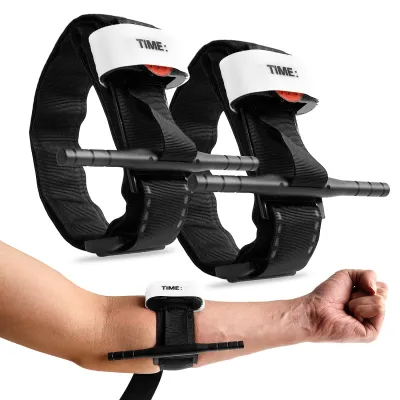
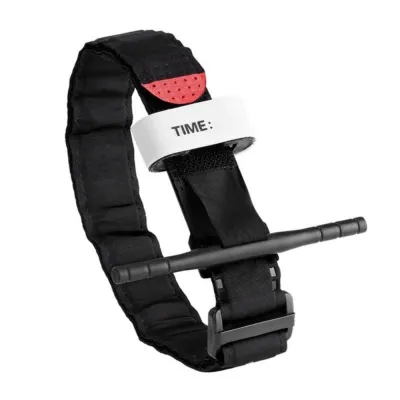
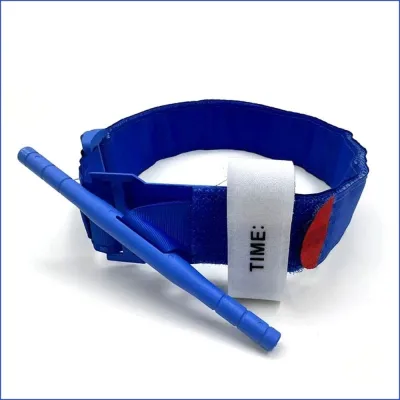
A windlass tourniquet uses a rigid rod (the windlass) to twist an internal band, generating massive mechanical pressure that constricts the limb and occludes arterial blood flow. This mechanism is the gold standard recommended by tactical and emergency medical bodies worldwide for controlling severe extremity hemorrhage.
Products mentioned in this guide
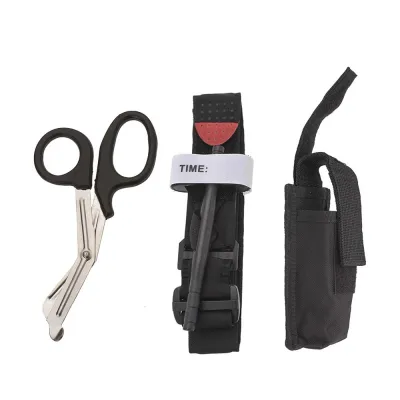
Prices are valid at publication and may change. Please refer to the product page for the latest price.
Many athletes refer to this category as a “combat application tourniquet,” which originally designated a specific, widely recognized windlass design featuring a single-routing buckle and a hook-and-loop strap. When selecting gear, focus on this underlying mechanism—a robust windlass with a reliable friction adapter and heavy-duty strap—rather than generic marketing labels.
Elastic tourniquets, which rely on wrapping elastic bands or tubes tightly around a limb, present distinct risks. Major emergency medical guidelines, including Tactical Combat Casualty Care (TCCC) and mainstream civilian first aid protocols, generally do not recommend elastic bands as primary devices for life-threatening arterial bleeds. They carry a high risk of insufficient pressure, slippage when wet with blood or sweat, and localized tissue damage due to uneven pressure distribution. While they have niche applications for pediatric patients or superficial venous bleeding, they should never replace a verified windlass device in your primary sports first aid kit.
The market is flooded with cheap, unverified replica tourniquets. These counterfeits often look identical to certified medical devices but use substandard plastics. Under the extreme torque required to stop arterial bleeding, a counterfeit windlass rod can easily snap, leading to catastrophic failure. Always purchase your medical gear from authorized medical supply distributors and verify the manufacturer’s security features, such as holographic seals, molded batch numbers, and specific patent markings.
Matching Tourniquets to Specific Sports and Environments
High-Speed and Crash-Prone Sports (Cycling, Mountain Biking)
In high-speed disciplines like road cycling, mountain biking, or gravel riding, the primary risks of severe extremity trauma stem from high-velocity crashes, collisions with obstacles, or deep lacerations from chainrings and brake rotors. If you are riding solo, you must select a windlass tourniquet that allows for reliable one-handed self-application, as an injury to an arm may leave you with only one functional hand. While buddy-aid from a riding partner is more common, self-rescue capability remains a vital safety baseline.

Storage on a bike requires careful planning to prevent environmental contamination. Carrying a tourniquet loose in a jersey pocket exposes it to body sweat, which can degrade the hook-and-loop fasteners over time. Instead, store the device inside a dedicated frame bag, saddlebag, or a compact, weather-resistant belt pouch. This keeps the strap free from mud, grit, and chain grease, all of which can interfere with the buckle mechanism.
Ensure the tourniquet you choose features a textured, high-friction windlass rod. This design allows you to grip and twist the rod effectively even when your hands are sweaty, covered in dirt, or restricted by full-finger cycling gloves.
Remote and Wilderness Activities (Hiking, Trail Running, Climbing)
For wilderness activities like hiking, trail running along reservoir trails, or climbing, emergency medical response times are often measured in hours rather than minutes. In these remote settings, weight and pack volume are critical constraints, but they must never compromise the structural integrity of your life-saving gear. Prioritize lightweight, low-profile windlass tourniquets that can be integrated into a hydration vest, running belt, or climbing harness without adding excessive bulk.
Environmental durability is paramount when navigating rugged terrain. The tourniquet must withstand continuous abrasion from granite or sandstone surfaces, prolonged exposure to dirt, and constant saturation from sweat or tropical downpours. Standard nylon straps must be highly resistant to tearing and stretching.
Visibility is a key factor in rescue scenarios. Opt for a tourniquet with a highly visible color—such as rescue orange—or store it in a clearly marked, easily accessible pouch. If you are incapacitated, your hiking partners or search-and-rescue personnel must be able to locate and deploy your medical gear instantly.
Water and Marine Sports (Surfing, Kayaking, Scuba)
Aquatic environments present some of the harshest conditions for medical equipment. Saltwater corrosion, intense ultraviolet (UV) radiation, and constant moisture will rapidly degrade standard emergency gear. For sports like surfing, sea kayaking, or scuba diving, the materials of your tourniquet must be carefully scrutinized. Saltwater can corrode metal buckles and weaken the adhesive bonds on hook-and-loop straps, while constant wet-dry cycles can cause elastic fibers to rot and lose their tension.
To protect your gear, never store a tourniquet loose on a boat deck or in a wet compartment. Instead, seal the device inside a heavy-duty, waterproof roll-top dry bag or a pressurized hard case. This protective enclosure should be securely lashed to your personal flotation device (PFD), kayak deck rigging, or dive boat console.
If your tourniquet is exposed to saltwater during an outing, you must perform immediate preventative maintenance. Rinse the device thoroughly with clean fresh water to remove salt crystals, and allow it to dry completely in a shaded, well-ventilated area before repacking it. Never store a damp tourniquet, as mold and mildew will weaken the fabric fibers.
Contact and Field Sports (Rugby, Martial Arts, Football)
In organized contact and field sports, the logistics of first aid shift from individual carry to collective sideline preparation. Rugby players, martial artists, and football players do not carry medical gear on their persons during play. Instead, emergency equipment is managed by coaches, team medics, or venue administrators. The sideline trauma kit must be configured to handle high-impact orthopedic injuries, compound fractures, and deep lacerations.
Because field sports can involve multiple players in a single collision, sideline kits should always stock multiple tourniquets—ideally at least two or three units. Having multiple devices allows you to manage multi-casualty incidents or apply a second tourniquet proximal (above) to the first if a single device fails to fully control arterial bleeding on a large limb.
Sideline storage must prioritize rapid, organized access. Store the tourniquets in clearly labeled, dedicated medical pouches within the main trauma bag. Avoid burying them under athletic tape or bandages; they should be the most accessible items in the kit, kept in unsealed but protected compartments that can be ripped open in a split second during a chaotic emergency.
Portability, Storage, and Environmental Degradation
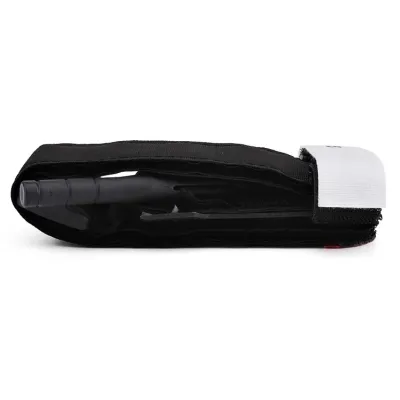
When preparing your sports first aid kit, you must decide whether to keep your tourniquet sealed in its original manufacturer packaging or prep it for immediate deployment. For personal carry during high-risk activities like cycling or trail running, keeping the tourniquet unboxed, pre-routed through its buckle, and folded in a dedicated pouch is highly recommended. This staging process saves critical seconds during a massive hemorrhage, where a victim can lose consciousness in under a minute. Conversely, for venue kits or vehicle first aid bags where immediate individual carry is not required, keeping the tourniquet sealed in its factory plastic wrap protects it from humidity, dust, and accidental damage.
Tropical climates, characterized by high heat, intense UV exposure, and constant humidity, pose severe challenges to medical gear. Prolonged exposure to direct sunlight will degrade nylon webbing, making the strap brittle and prone to tearing under tension. High humidity can also compromise the adhesive backing of hook-and-loop fasteners, reducing their holding power, and can cause rust on non-stainless metal components.
To ensure your device remains reliable, establish a routine monthly inspection checklist:
- Webbing and Straps: Check for any signs of fraying, thinning, or UV-induced fading.
- Windlass Rod and Buckles: Inspect plastic components for hairline cracks, warping, or stiffness.
- Hook-and-Loop Fasteners: Test the grip strength of the Velcro; ensure it is free of lint, sand, and dirt.
- Elastic Components: If using secondary elastic bands, check for dry rot, loss of elasticity, or stickiness.
If a tourniquet fails any part of this inspection, or if it has been carried daily in harsh outdoor environments for more than two to three years, it must be retired from active life-saving duty. Retired tourniquets should be clearly marked with a permanent marker as “TRAINING ONLY” so they are never accidentally relied upon in a real emergency, but they remain highly useful for practicing application techniques.
Critical Safety Boundaries and Training Requirements
A tourniquet is an extreme intervention reserved exclusively for life-threatening extremity hemorrhage. This means massive, spurting, or rapidly pooling arterial bleeding from an arm or leg that cannot be controlled by direct pressure alone. Tourniquets are not designed for minor cuts, shallow lacerations, or slow venous oozing. Furthermore, they cannot be applied to wounds on the neck, torso, groin, or armpits (junctional areas), where pressure dressings, wound packing, or specialized junctional devices are required.
Owning high-quality medical equipment cannot replace hands-on training and clinical judgment. Before packing a tourniquet in your sports kit, you should complete a certified first aid or bleeding control course, such as those offered by the Singapore Red Cross, St John Singapore, or recognized Stop the Bleed providers. These courses teach you critical physical skills, including how to place the device correctly—either “high and tight” over clothing during a chaotic initial assessment, or 2 to 3 inches above the wound directly on the skin during a deliberate application, avoiding placement over joints.
Once a tourniquet is applied, write the exact time of application (e.g., “TK 14:30”) directly on the device’s time strap or on the patient’s forehead using a permanent marker. This information is vital for arriving paramedics and hospital emergency staff, as it dictates their surgical timeline.
Finally, as a layperson responder, you must never loosen or remove an applied tourniquet. Removing the device can reinitiate catastrophic bleeding or release built-up toxins from the ischemic limb back into the bloodstream, causing sudden cardiac arrest. Only qualified medical professionals in a controlled clinical environment should attempt to down-regulate or remove a tourniquet.
Frequently Asked Questions (FAQ)
Can I use a belt or clothing as an improvised tourniquet?
No. Standard leather belts, shoelaces, or torn clothing are highly ineffective and dangerous. They lack the minimum width (typically 1.5 to 2 inches) required to distribute pressure evenly, and they do not have a mechanical windlass to generate the immense force needed to stop arterial blood flow deep within a limb. Using narrow, improvised bands usually fails to stop the bleeding while causing severe, localized tissue crushing, muscle damage, and permanent nerve injury. Always rely on a verified, commercially manufactured windlass tourniquet.
How long can a tourniquet safely remain applied?
In a massive hemorrhage emergency, the immediate priority is always saving the patient’s life over saving the limb. Modern medical guidelines and clinical studies indicate that a limb can typically tolerate tourniquet application for up to two hours without permanent damage, and limbs have been successfully salvaged after longer periods. However, the exact safe window is highly dependent on individual patient factors and environmental conditions. Your role as a first responder is to apply the device, record the time, and arrange for immediate medical evacuation.
Do commercial tourniquets expire or need replacement?
While high-quality commercial tourniquets do not have a strict, printed expiration date like pharmaceuticals, their materials do degrade over time. Exposure to UV radiation, extreme heat, moisture, and friction will weaken nylon, plastic, and hook-and-loop components. If a tourniquet is stored in a climate-controlled environment, it can remain viable for many years. However, any device carried daily in a sports pack, exposed to tropical humidity, or showing signs of wear during routine inspections must be replaced immediately and transitioned to training use.
Community discussion
Share your experience or ask a question. Comments are reviewed before publication.