
Finding the perfect pair of swimming goggles is often the deciding factor between a focused, productive swim and a frustrating session spent clearing water and wiping away fog. Whether you are training at a local ActiveSG pool, diving off the blocks at the OCBC Aquatic Centre, or navigating the open water currents off East Coast Park, your goggles must match your specific swimming style and environment. TYR has developed a diverse range of eyewear designed to address these varying demands, but selecting the right model requires understanding how different designs interact with your face shape, performance goals, and lighting conditions.
To identify the ideal TYR goggles for your needs, you must evaluate three primary factors: your swimming discipline, the environment where you swim, and your physical comfort preferences. A competitive racer seeking to shave fractions of a second off their personal best requires a vastly different goggle profile than a triathlete swimming into a bright morning sunrise or a fitness swimmer completing daily laps. By breaking down your specific habits and matching them to TYR’s targeted design features, you can ensure a leak-free, comfortable swim every time you step onto the wet deck.
Diagnose Your Swimming Style and Environment
Your primary swimming activity dictates the performance characteristics your goggles must possess. If your focus is competitive pool racing, hydrodynamics and security during high-speed entries are paramount. Racing goggles feature a low-profile design that sits tightly within the eye socket, minimizing drag as you glide through the water. These models prioritize a secure fit over long-term cushioning, ensuring the goggles do not shift or flood when you dive off the starting blocks or execute powerful flip turns.
Products mentioned in this guide
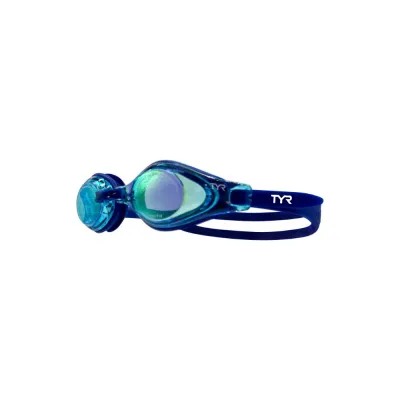
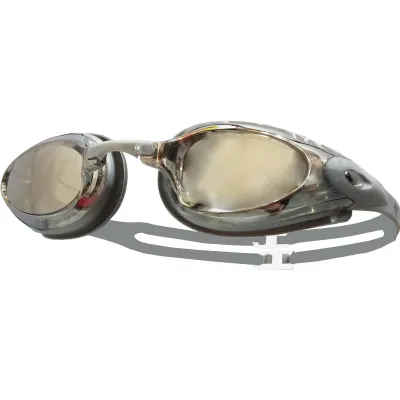
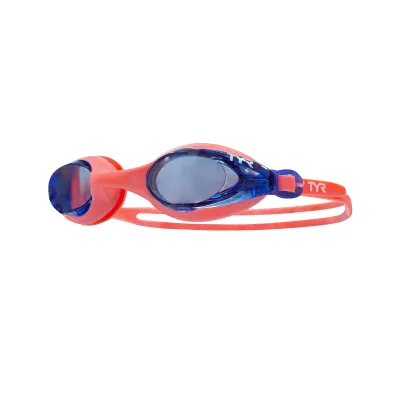
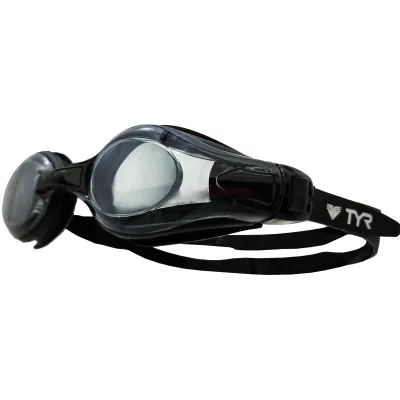
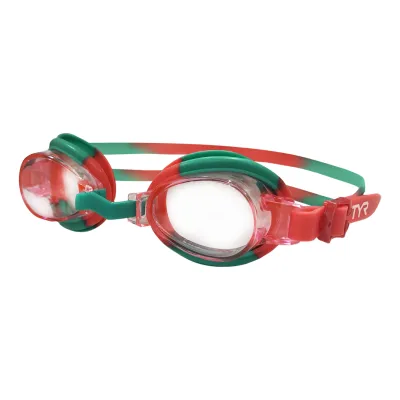
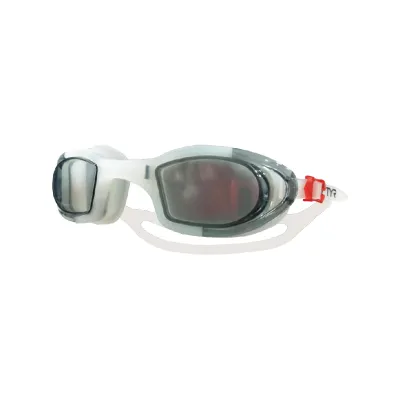
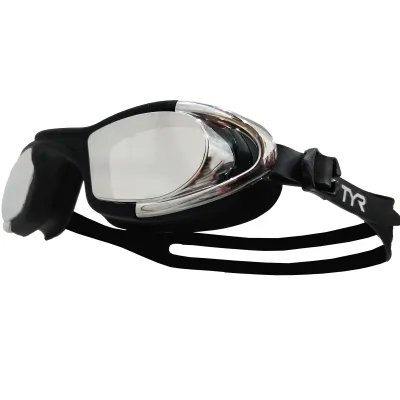
Prices are valid at publication and may change. Please refer to the product page for the latest price.
For daily lap training, your priorities shift toward comfort and durability. Fitness and squad training sessions often last an hour or more, making the intense pressure of a rigid racing goggle uncomfortable over time. Training goggles utilize thicker, softer silicone gaskets that distribute pressure more evenly across the orbital bone. These models are built to withstand the degrading effects of daily chlorine exposure while maintaining a reliable, comfortable seal that does not leave deep, painful red rings around your eyes.
Open water swimming and triathlons introduce a unique set of environmental challenges that pool swimmers rarely encounter. When swimming in the open sea, you must constantly sight buoys, landmarks, and other swimmers, which requires an expanded field of vision. Furthermore, open water goggles must offer robust protection against surface glare and changing sunlight. A wider frame design with specialized lenses is essential for safety, navigation, and visual comfort in these unpredictable natural environments.
Lighting conditions play a critical role in lens selection, especially in Singapore’s tropical climate where sunshine can be intense. Outdoor pools and open water venues expose your eyes to high levels of UV radiation and blinding glare, necessitating dark or mirrored lenses. Conversely, indoor pools with overhead fluorescent lighting require clear or lightly tinted lenses that maximize light transmission and maintain sharp contrast. Evaluating where and when you swim prevents eye strain and ensures optimal visibility.
Finally, consider your physical sensitivity to pressure around the eye sockets. Swimmers with deep-set eyes or high sensitivity to pressure on the orbital bone generally prefer soft, flexible silicone gaskets that sit on the outer edge of the eye socket. Those who prefer a minimalist feel and do not mind a firmer fit often gravitate toward low-profile, hard-socket designs. Understanding your personal comfort threshold prevents you from purchasing a highly technical goggle that is too uncomfortable for your routine.
Match Goggle Features to Your Diagnosed Needs
Once you have diagnosed your swimming style and environment, you can match these needs to specific technical features. The construction of the eye socket, the optical properties of the lenses, and the adjustability of the straps and nose bridges all directly impact how a goggle performs in the water.

Eye Socket Design and Gasket Materials
The physical interface between the goggle and your face is defined by the gasket. TYR utilizes different materials and shapes to balance drag reduction with comfort:
- Swedish-Style Hard Sockets: These goggles feature minimal or no rubber cushioning, sitting directly inside the orbital socket. This design offers the lowest possible profile and minimal drag, making it highly favored by competitive racers who prioritize speed and a locked-in fit.
- Liquid Silicone Gaskets: Made from soft, hypoallergenic silicone, these gaskets conform to the contours of your face to create a watertight seal through gentle suction. They are ideal for long training sessions because they distribute pressure across a wider surface area, reducing eye fatigue.
Lens Tints, Coatings, and Optical Clarity
Choosing the right lens tint is not an aesthetic choice; it is a functional decision that directly affects your vision and safety in the water:
- Mirrored Lenses: These lenses feature a reflective coating that significantly reduces brightness and glare. They are highly effective for outdoor training under the bright midday sun, helping to prevent squinting and eye strain.
- Polarized Lenses: Designed specifically to filter out horizontal light waves, polarized lenses eliminate the harsh glare reflecting off the water's surface. This is a critical feature for open water swimmers who need to spot navigation buoys against the sun.
- Clear and Lightly Tinted Lenses: Clear, blue, or pink lenses are optimized for indoor pools or low-light conditions. They allow maximum light to reach your eyes, providing a clear, bright view of the pool lane markings and pace clocks without distorting colors.
Strap and Bridge Adjustability
A secure fit relies on how well the goggles adapt to your unique facial structure. Look for split headstraps made of durable silicone or liquid silicone, which distribute tension across the back of your head to prevent the goggles from slipping down during starts and turns. Additionally, adjustable or interchangeable nose bridges are crucial. Because the distance between eyes varies significantly from person to person, having multiple nose bridge sizes allows you to customize the frame width, preventing leaks at the inner corners of the eyes.
Navigate TYR Goggle Categories by Activity
To simplify your search, TYR categorizes its eyewear into distinct product lines tailored to specific activities. Understanding these categories allows you to narrow down your options before verifying current availability and specifications with authorized retailers in Singapore.
For Competitive Racing
TYR’s racing category is engineered for maximum hydrodynamics and high-speed stability. The frames are rigid, compact, and designed to sit close to the face to minimize water resistance. A classic example of this design philosophy is the Swedish-style racing goggle, which features a low-profile construction and a highly customizable fit. Many modern racing models also feature extended side stabilizers (removable or integrated) that secure the strap further back on the head to prevent shifting during explosive starts. When selecting a racing model, always check the official manufacturer specifications for hydrodynamic ratings and approved competitive certifications.
For Daily Lap Training
If your routine consists of regular fitness swimming or squad training, look to TYR’s training and fitness categories. These goggles prioritize comfort without sacrificing a secure seal. They typically feature durable, injection-molded silicone gaskets that retain their shape and elasticity over hundreds of hours of chlorine exposure. Many training models utilize a unibody frame design, which incorporates a flexible nose bridge that automatically self-adjusts to your face shape. This category strikes an excellent balance, offering a wide field of vision for lane awareness and a cushioned fit that remains comfortable throughout long endurance sets.
For Open Water and Triathlon
For swimming in open natural bodies of water, look for TYR’s specialized open-water and triathlon categories, such as their dedicated outdoor performance lines. These goggles are characterized by oversized lenses that provide expanded peripheral vision, allowing you to sight landmarks and track competitors without constantly turning your head. They feature robust, thick silicone gaskets designed to absorb accidental impacts from other swimmers’ elbows or kicks during crowded mass starts. These models frequently offer polarized lens options to combat intense marine glare, along with secure, easily adjustable strap systems that can be tightened quickly on the beach.
Because product lineups, model names, and colorways evolve, we recommend visiting authorized local swim shops or checking official online platforms to verify current stock and pricing in Singapore. Expect quality training goggles to range from S$25 to S$45, while highly specialized polarized open-water goggles or advanced racing models may range from S$50 to S$80 or more.
Perform a Quick Fit and Seal Test Before Swimming
Before you head to the pool, you can verify if a pair of goggles is compatible with your facial structure by performing a quick, dry fit test at home. This simple, reversible process ensures you do not waste time adjusting leaking gear in the water.
To perform the “suction test,” hold the goggles gently against your eyes without placing the strap over your head. Press the frames lightly against your face to expel the air inside the cups, then release your hands. If the goggles are a good match for your facial structure, the natural negative pressure should create a secure seal, holding the goggles in place on your face for at least two to three seconds before releasing. If they fall off immediately, air is entering the seal, indicating that the frame shape or nose bridge width is not compatible with your face.
Next, evaluate how the goggles feel against your orbital bone. Pay close attention to the bridge of your nose and the outer corners of your eyes. If you feel hard plastic pressing directly against your bone, or if the nose bridge pinches your skin, the goggles will likely cause pain during a long swim. If the goggles feature interchangeable nose bridges, swap them out to test different widths. A wider bridge can resolve pinching, while a narrower bridge can stop leaks near the inner corners of your eyes. If adjustments do not resolve the discomfort, you may need to switch from a low-profile racing socket to a softer, more cushioned gasket style.
Maintain Your Goggles to Preserve the Seal and Lenses
Proper maintenance is essential to protect your investment and extend the lifespan of your TYR goggles. Chlorine, salt water, sand, and natural body oils will gradually degrade silicone gaskets and ruin lens coatings if they are not cleaned regularly.
Immediately after every swim, rinse your goggles thoroughly with cool, fresh tap water. This simple step removes residual chlorine, salt, and pool chemicals that can cause silicone to become brittle and crack over time. Never use hot water, dish soap, or abrasive detergents, as these harsh chemicals will instantly strip away the factory-applied anti-fog coating on the inside of the lenses.
After rinsing, allow your goggles to air-dry completely in a shaded, well-ventilated indoor area. Never leave your goggles to dry in direct sunlight, on a hot balcony, or inside a parked car. Singapore’s high tropical heat and intense UV rays will warp plastic frames, melt adhesive seals, and degrade the elasticity of silicone straps, rendering the goggles unusable. Once dry, store your goggles in a dedicated hard protective case to prevent keys, zippers, or other swim gear from scratching the delicate outer lens coatings during transit.
Finally, establish a strict “no-touch” rule for the inside of your lenses. The anti-fog coating applied during manufacturing is incredibly thin and delicate. Wiping the inside of the lenses with your fingers, a towel, or a t-shirt sleeve will scratch and rub off this coating, leading to permanent fogging issues. If you notice dust or debris inside the lenses, gently flush them with clean water and let them air-dry.
Frequently Asked Questions (FAQ)
How do I prevent my TYR goggles from fogging up during a swim?
The factory-applied anti-fog coating on your TYR goggles is highly delicate and should never be wiped or touched. To maximize its lifespan, rinse your goggles in cool, clean pool water immediately before putting them on to help equalize the temperature between your face and the water, which reduces condensation. Once the original factory coating naturally wears off over time, you can restore clarity by applying a dedicated, swim-safe anti-fog spray to the inside lenses, rinsing it gently according to the product instructions before your swim.
Can I use my indoor training goggles for open water swimming in Singapore?
While you can physically wear indoor goggles in open water, clear or lightly tinted lenses do not provide adequate protection against the intense UV rays and harsh surface glare found in outdoor environments like Sentosa or East Coast Park. Swimming without proper glare reduction can cause severe eye strain, headaches, and difficulty sighting navigation markers. For outdoor open water swimming, it is highly recommended to use dedicated goggles equipped with polarized or dark mirrored lenses to ensure visual comfort and safety.
How often should I replace my swimming goggles?
The lifespan of your goggles depends on your swimming frequency and how well you maintain them, but most active swimmers replace their goggles every four to six months. You should replace your goggles immediately if you observe persistent leaking that cannot be resolved by adjusting the straps, visible cracks or degradation in the silicone gaskets, or severe scratches on the lenses that impair your vision. Additionally, if the anti-fog coating has completely degraded and no longer responds to anti-fog treatments, upgrading to a new pair will restore safety and visibility.
Community discussion
Share your experience or ask a question. Comments are reviewed before publication.