
The UEFA Champions League (UCL) is the pinnacle of club football, and its iconic “starball” design is instantly recognizable to fans and players alike. If you are looking to purchase a UCL ball in Singapore, navigating the different versions available in retail stores and online marketplaces can be challenging. Manufacturers produce several tiers of the same seasonal design, ranging from premium match balls to budget-friendly training models.
Choosing the right UCL ball depends on your playing frequency, the surfaces you play on, and your budget. While the top-tier official match ball offers the exact specifications used by professional players, it may not always be the most practical or cost-effective choice for casual games on local artificial turf or concrete courts. Understanding the structural differences between these tiers will help you make an informed decision that matches your playing style and environment.
Quick Guide: Matching the UCL Ball Tier to Your Needs
To find the right football, it helps to understand how manufacturers categorize their product lines. The UEFA Champions League ball collection is generally divided into three primary tiers: the Official Match Ball, the Competition ball, and the Training or Replica ball. Each tier is engineered with specific materials and construction methods tailored to different levels of play and frequency of use.
Products mentioned in this guide
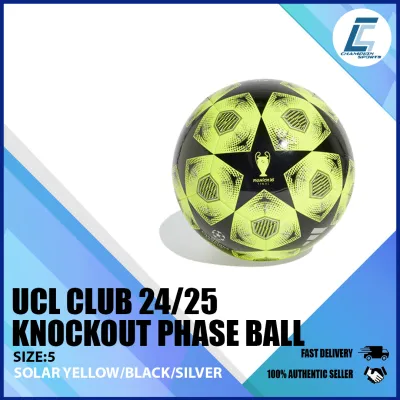
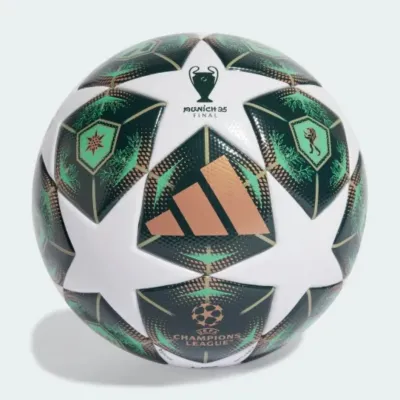
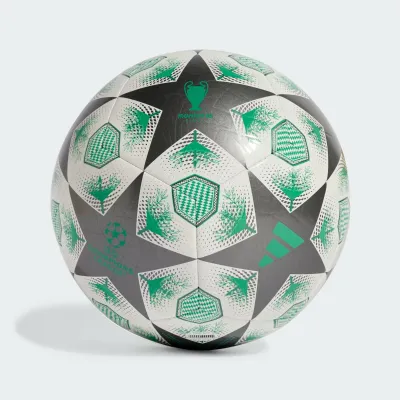
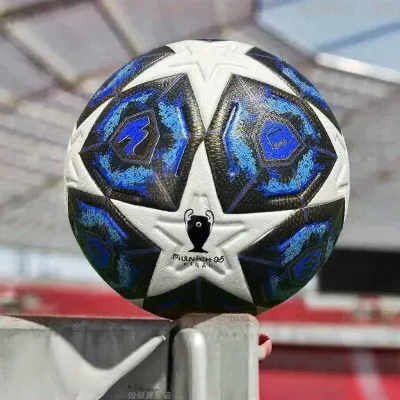
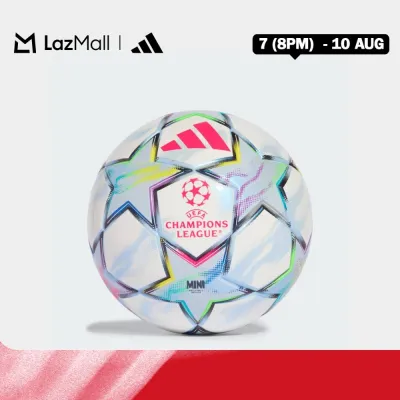
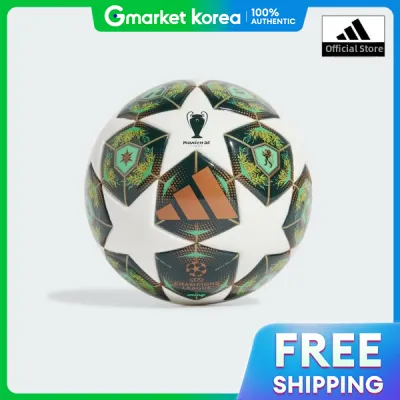
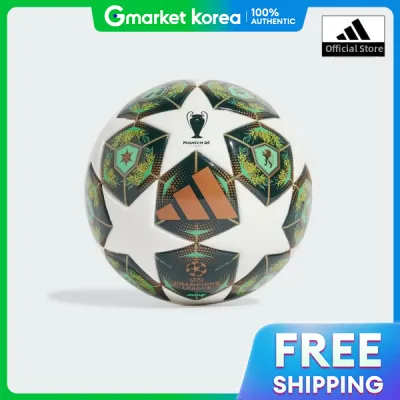
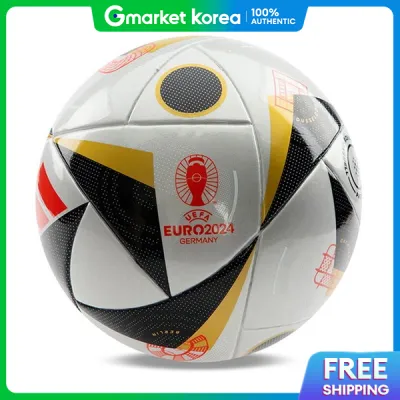
Prices are valid at publication and may change. Please refer to the product page for the latest price.
The Official Match Ball is designed for professional tournaments and high-stakes competitive matches where maximum performance, flight accuracy, and water resistance are required. The Competition tier serves as an excellent middle ground, offering high-quality construction and reliable performance for serious amateur leagues and intensive training sessions. The Training and Replica tier is built primarily for durability and everyday recreational play, making it highly suitable for casual kickabouts and skills practice.
While the visual designs and color schemes of these balls change annually to reflect the latest tournament season, the underlying tier structure remains consistent. Whether you are buying the latest group stage design or a knockout stage edition, the performance characteristics, bladder types, and panel construction of each tier will follow the same standards.
Understanding UCL Ball Tiers: Match, Competition, and Training
The differences between the three tiers of UCL balls lie beneath the surface, starting with how the panels are joined together. The Official Match Ball features a thermally bonded construction, meaning the panels are fused together using heat and pressure rather than being stitched. This seamless surface drastically reduces water absorption and ensures a highly predictable trajectory when the ball is kicked. The outer casing of the match ball also features a sophisticated micro-texture, often consisting of small dimples or debossed patterns, which improves aerodynamic stability and grip in wet conditions.

In contrast, the Competition tier often utilizes a hybrid construction or a slightly simplified thermal bonding process. While it still offers a relatively seamless feel and good water resistance, the outer polyurethane material may be slightly different, and the surface texture is typically less pronounced than that of the official match ball. The Training and Replica tier is usually machine-stitched or hybrid-stitched. Machine stitching is highly durable and cost-effective, but it leaves small gaps between the panels where moisture can enter, which can affect the ball’s weight and performance over time.
Another critical difference is the type of bladder used inside the ball, which directly affects air retention and responsiveness. Official Match Balls typically use high-grade latex bladders, which offer a highly responsive feel, a soft touch, and excellent rebound consistency. However, latex is naturally porous, meaning these balls will slowly lose air pressure over a few days and require regular inflation before every game. Competition and Training balls, on the other hand, generally feature butyl or synthetic rubber bladders. Butyl bladders excel at retaining air pressure for weeks at a time, making them highly convenient for recreational players who do not want to pump their ball before every session.
Flight stability and water absorption are also key performance indicators that vary across the tiers. When playing in wet conditions, a ball that absorbs water will become heavy and sluggish, increasing the risk of strain on your joints and altering the ball’s flight path. Thermally bonded match and competition balls are designed to meet strict international standards for minimal water uptake, ensuring they maintain their original weight and flight characteristics even on wet pitches. Training balls, while durable, will absorb more water due to their stitched seams, making them less ideal for heavy rain.
Key Selection Criteria for Your Playing Environment
Before purchasing a UCL ball, consider the physical conditions and surfaces of the pitches where you play most often. In Singapore, football is played on a wide variety of surfaces, including natural grass, modern artificial turf (3G or 4G pitches), and hard concrete courts. Each surface places different demands on the ball’s outer casing and construction.
Natural grass pitches are the ideal environment for the Official Match Ball, as the soft ground minimizes wear on the premium outer texture. However, many local games are played on artificial turf, which features abrasive synthetic fibers and black rubber infill granules. This environment generates significant friction and heat, which can accelerate the wear of the delicate outer coating on a premium match ball, causing the graphics to fade and the texture to smooth out quickly. For regular play on artificial turf, a Competition ball or a turf-specific model is often a more practical choice that preserves your investment.
If you frequently play on hard courts, concrete surfaces, or under HDB void decks, avoid using premium match or competition balls entirely. The rough concrete will quickly scuff the outer polyurethane layer and can damage the thermal bonding at the seams. For these harsh environments, a highly durable, machine-stitched training ball or a specialized street football is the best option, as they are built to withstand repeated impacts against hard surfaces without splitting.
Weather and moisture are also significant factors in Singapore’s tropical climate, where sudden downpours can quickly turn a dry pitch into a wet one. If you regularly play outdoors during the monsoon seasons, investing in a thermally bonded ball (either Match or Competition tier) is highly beneficial. These balls prevent water from seeping into the inner layers, ensuring that the ball does not become waterlogged and heavy. If you primarily play indoors or on covered futsal courts, water absorption is less of a concern, allowing you to focus more on touch and durability.
Evaluating Budget and Value Across Different Tiers
Balancing cost with your actual performance needs is essential to avoid overspending on features you may not fully utilize. The price difference between the tiers of UCL balls is substantial, and understanding what you are paying for will help you determine the best value for your situation.
In Singapore, the Official Match Ball sits at the top of the price spectrum, typically retailing between S$180 and S$240. This premium price reflects the advanced aerodynamics, thermal bonding technology, latex bladder, and rigorous testing required to meet professional match standards. The Competition tier offers a highly attractive middle ground, generally priced between S$60 and S$100. These balls provide many of the performance benefits of the match ball, such as thermal bonding and a responsive feel, but at a much more accessible price point. Training and replica balls are the most budget-friendly option, usually costing between S$30 and S$50.
For the vast majority of amateur and recreational players, a Competition or Training ball offers the best overall value. The advanced aerodynamic features of an Official Match Ball are highly specialized and are most noticeable when playing on pristine natural grass pitches with professional-grade footwear. On uneven public pitches or high-friction artificial turf, these subtle performance advantages are often minimized, making the high price tag harder to justify for casual games.
However, investing in an Official Match Ball can be highly satisfying if you participate in organized competitive leagues, tournament play, or simply want to experience the exact feel and flight characteristics enjoyed by professional players. If you do decide to purchase a premium match ball, consider reserving it strictly for match days and using a more durable, lower-cost training ball for your mid-week practice sessions to extend the lifespan of both balls.
How to Verify Authenticity and Check Specifications Before Buying
Due to the high popularity of the UEFA Champions League, counterfeit footballs are common on online marketplaces and unauthorized retail channels. Purchasing a counterfeit ball not only results in poor performance and rapid deflation but also poses a safety risk, as cheap materials can split or burst under pressure.
To ensure you are buying a genuine product, look for official licensing details and quality marks. Genuine UCL balls will feature crisp, high-quality printing of the tournament logo, the manufacturer’s branding, and specific holographic stickers or serial numbers on the packaging. Additionally, look for the official FIFA quality marks printed on the ball, such as “FIFA Quality Pro” or “FIFA Quality.” These logos indicate that the ball has undergone independent laboratory testing for weight, circumference, sphericity, loss of pressure, water absorption, and rebound.
It is also important to verify the correct size and weight specifications printed on the ball’s casing near the valve. Size 5 is the standard size for adult players and youth players aged 12 and older. If you are purchasing a ball for younger players, look for Size 4 (for ages 8 to 12) or Size 3 (for ages 8 and under) to ensure proper skill development and reduce the risk of injury.
To guarantee authenticity and ensure you receive proper customer support or warranty coverage, always purchase your football from authorized sporting goods retailers, official brand boutiques, or reputable online platforms. Avoid deals that seem too good to be true, especially from unverified third-party sellers on ecommerce platforms, as these are highly likely to be counterfeit products.
Frequently Asked Questions (FAQ)
Can I use an official match ball on artificial turf?
Yes, you can use an official match ball on artificial turf, but you should expect accelerated wear on the ball’s outer casing. The abrasive nature of synthetic grass fibers and the heat generated by the black rubber infill granules can scuff the premium polyurethane coating and cause the graphics to fade much faster than they would on natural grass. If you regularly play on artificial turf pitches, using a Competition-tier ball or a model specifically designed for synthetic turf is often a more practical and cost-effective choice to preserve your premium match ball for special occasions.
How do I maintain the air pressure and shape of my football?
To maintain your football’s shape and prolong its lifespan, always check the recommended inflation pressure printed directly on the ball near the valve, which is typically measured in PSI or bar. Always use a reliable pressure gauge and moisten the inflation needle with a drop of glycerin or valve oil before inserting it into the valve; this lubricates the mechanism and prevents the bladder from leaking. Store your ball in a cool, dry place away from direct sunlight and extreme heat, and consider releasing a small amount of air pressure if you plan to store the ball unused for an extended period.
Community discussion
Share your experience or ask a question. Comments are reviewed before publication.