
Selecting the right knee support requires matching the specific physical demands of your sport with the structural design of the guard. Rather than choosing a model based solely on popularity or aesthetic appeal, you must evaluate how your knee moves during your chosen activity. Uplief offers a range of knee guards designed for different levels of impact, stabilization, and compression. By understanding your joint’s primary stressors and verifying the structural features of each design, you can find a model that supports your performance without restricting necessary movement.
Assess Your Sport's Knee Demands
Every sport places a unique set of biomechanical stresses on your knee joints. For high-impact and jumping sports like basketball, volleyball, or netball, the knees must absorb repetitive vertical shock. This constant landing can strain the patellar tendon, making targeted patellar tracking or shock absorption a primary requirement. If you frequently play on hard outdoor concrete courts, the cumulative impact can accelerate joint fatigue, requiring a guard that offers both compression and localized patellar support.
In contrast, agility-based sports that require rapid directional changes, such as tennis, badminton, or football, place lateral and rotational stress on the knee. The ligaments supporting the sides of your joint, including the anterior cruciate ligament (ACL) and medial collateral ligament (MCL), are highly active during sudden pivots and lateral lunges. For these activities, simple compression is often insufficient; you need a design that provides lateral stabilization to prevent the knee from shifting out of its natural alignment during quick transitions.
Products mentioned in this guide
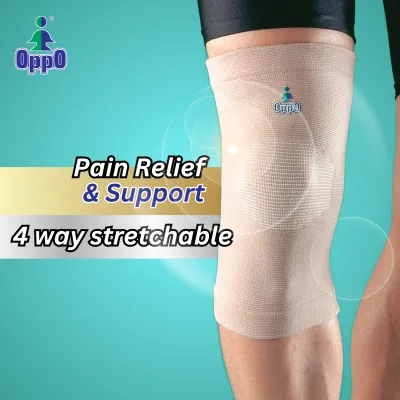
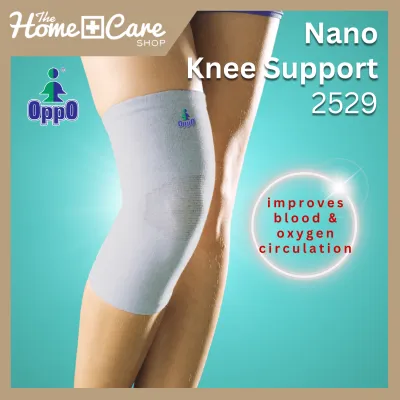
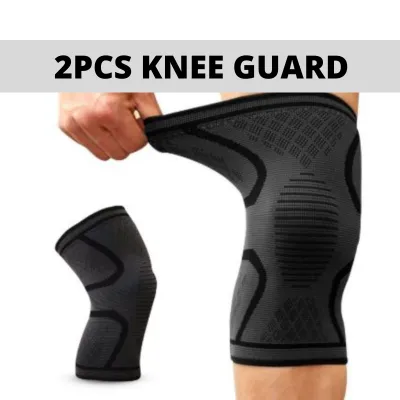
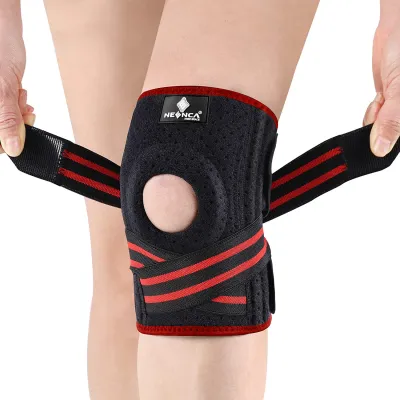
Prices are valid at publication and may change. Please refer to the product page for the latest price.
Endurance and repetitive-motion activities, such as long-distance running along coastal paths or cycling, present a different challenge. These sports involve thousands of identical, low-impact joint cycles. The primary risks here are friction, mild tracking issues, and general muscle fatigue. A lightweight, highly breathable compression sleeve is usually the most appropriate choice for these scenarios, as it promotes blood flow and maintains joint warmth without adding unnecessary bulk or restricting your natural stride.
Match Uplief Knee Guard Designs to Activity Types
When navigating the Uplief product range, it is best to ignore marketing buzzwords and focus entirely on the physical architecture of each model. Uplief categorizes its supports into three primary design families: pull-on compression sleeves, adjustable wraparound straps, and rigid hinged braces. Each configuration represents a direct trade-off between structural restriction and freedom of movement.

Choosing the wrong design can either leave your joint vulnerable or unnecessarily limit your athletic performance. For instance, wearing a heavy, rigid brace for a long-distance run can alter your gait and cause secondary hip or ankle strain. Conversely, relying on a thin compression sleeve during high-impact contact sports provides virtually no protection against lateral ligament sprains. Before purchasing, verify the manufacturer’s current specifications regarding material thickness, joint articulation, and intended activity levels to ensure the design matches your physical needs.
Sleeves and Compression Guards
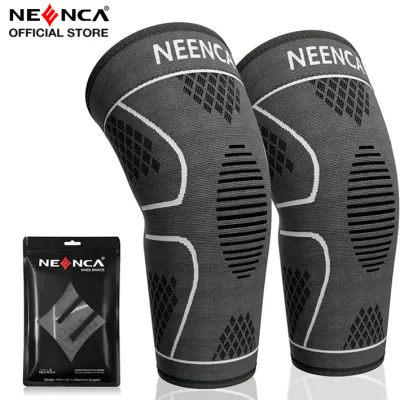
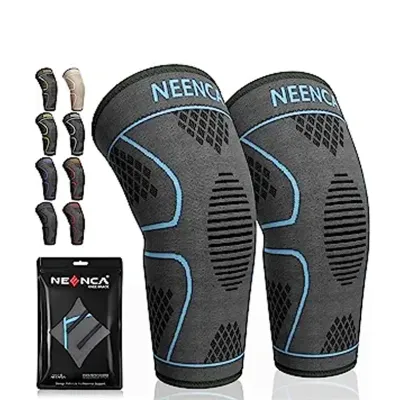
Slip-on compression sleeves are the most streamlined option in the Uplief lineup, designed primarily for low-to-moderate impact activities. These sleeves utilize elasticated or knit fabrics to apply uniform pressure across the entire knee joint. This compression helps retain localized heat, which can improve joint lubrication and muscle responsiveness during gym workouts, weightlifting, or casual jogging.
In Singapore’s warm and humid climate, managing sweat accumulation under a knee sleeve is critical. Look for Uplief models that feature moisture-wicking synthetic blends and integrated anti-slip silicone waves along the inner top cuff. These silicone grips prevent the sleeve from sliding down your thigh during continuous movement. Keep in mind that compression sleeves do not contain rigid structural elements; they are designed for sensory feedback and mild warmth rather than mechanical joint stabilization.
Wraparound and Strap Designs
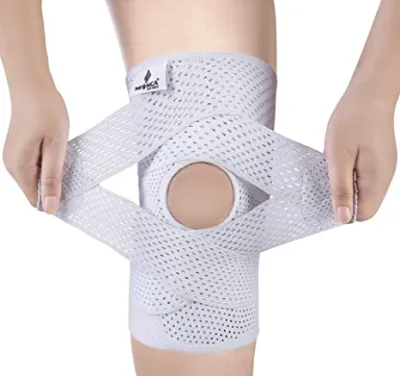
For sports that demand sudden bursts of speed and frequent lateral movements, such as tennis or squash, wraparound guards and targeted patellar straps offer a highly customizable solution. Wraparound models feature adjustable hook-and-loop straps that allow you to control the level of compression and tightness. This design is particularly convenient if you need to apply or remove the guard quickly over clothing or sweaty skin without removing your shoes.
Patellar straps, on the other hand, are narrow bands that sit directly beneath the kneecap. They apply focused pressure to the patellar tendon, which can help stabilize the kneecap and reduce tracking issues during repetitive jumping or running. When selecting a wraparound or strap model, inspect the quality of the fastening mechanisms. Ensure the hook-and-loop sections are wide enough to remain securely locked during dynamic, multi-directional movements on the court.
Hinged and Maximum Support Braces
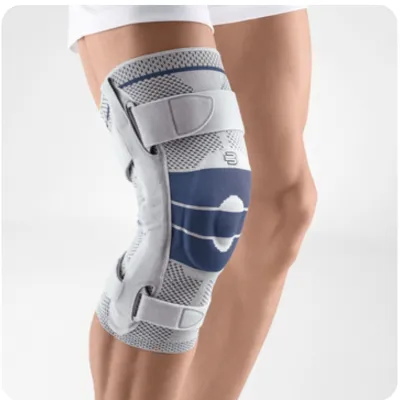
Hinged knee braces represent the highest level of structural support available in the Uplief range. These braces incorporate rigid plastic or metal hinges along the lateral and medial sides of the knee joint. They are specifically designed for high-risk contact sports, heavy powerlifting, or individuals returning to activity after a significant joint injury.
The primary function of a hinged brace is to mechanically prevent lateral buckling and hyperextension while allowing the knee to bend naturally along its normal hinge axis. However, this maximum level of protection comes with a noticeable trade-off in weight and bulk. Before using a hinged model, you must verify that the physical hinges align precisely with your knee’s natural pivot point. Misalignment can cause the brace to fight against your natural movement, leading to joint discomfort or skin chafing.
Key Sizing and Fit Checks for Active Use
An improperly fitted knee guard can cause more harm than good, either by sliding down and failing to support the joint or by restricting blood circulation. To find your correct size, do not rely on general clothing sizes. Use a flexible measuring tape to measure the circumference of your leg at two specific anatomical points: approximately 10 to 15 centimeters above the center of your kneecap (mid-thigh) and 10 to 15 centimeters below the kneecap (upper calf). Compare these exact measurements against the manufacturer’s specific sizing chart.
Once you receive your knee guard, perform a physical fit check before starting a high-intensity workout. Slide the guard on and apply the “two-finger rule”: you should be able to slide two fingers flat under the top and bottom cuffs of the guard. If you cannot fit your fingers, or if you notice immediate skin pinching, deep red indentations, or a cold sensation in your toes, the guard is too tight and must be exchanged for a larger size.
Finally, conduct a low-intensity movement test in a controlled environment. Perform a few slow bodyweight squats, lunges, and light jogs. Observe whether the guard stays firmly in place or begins to bunch behind the knee. If the fabric folds excessively or slides down during these basic movements, adjust the straps or verify if a different size or design is required for your leg shape.
Care and Maintenance for Longevity
Proper maintenance is essential to preserve the elasticity, grip, and structural integrity of your knee guard over time. Sweat, body oils, and outdoor dirt can degrade elastic fibers and weaken hook-and-loop fasteners. To clean your guard, hand-wash it in cool water using a mild, liquid detergent. Avoid using fabric softeners or bleach, as these chemicals break down the synthetic elastane and nylon fibers that provide compression.
Never place your knee guard in a mechanical clothes dryer or expose it to direct sunlight on hot balconies. High heat can warp the fabric, destroy the elasticity, and melt or peel the anti-slip silicone grips. Instead, gently squeeze out excess water without wringing the fabric, and lay the guard flat to air-dry in a well-ventilated indoor area.
Regularly inspect your knee guard for observable signs of wear. Over months of active use, you may notice stretched-out bands, peeling silicone grips, or frayed hook-and-loop straps that no longer hold under tension. When these signs appear, the guard can no longer provide reliable compression or stabilization, indicating it is time to replace the item to maintain joint safety. While basic sleeves may cost around S$20 to S$30, advanced hinged braces can range higher; always verify current pricing on your preferred online marketplace.
Frequently Asked Questions (FAQ)
Can I use the same Uplief knee guard for multiple sports?
While a lightweight compression sleeve can easily transition between running, gym workouts, and casual cycling, specialized guards should not be used interchangeably across vastly different sports. A highly rigid hinged brace designed for heavy lifting or contact sports will severely restrict your stride and comfort during a long-distance run. Additionally, using a guard in chlorinated pool water or muddy trail environments can rapidly degrade the materials. It is best to match the specific structural design of the guard to the unique biomechanical demands and environmental conditions of each activity.
How tight should my knee guard feel during a workout?
A properly fitted knee guard should feel snug, secure, and supportive, providing even pressure around the entire joint without causing discomfort. It should never cause numbness, tingling, sharp pain, or a throbbing sensation, which are clear indicators of restricted blood flow. If you are using an adjustable wraparound model, you may need to loosen the straps slightly mid-workout as your muscles swell from increased blood flow, and then retighten them once your activity level stabilizes.
Community discussion
Share your experience or ask a question. Comments are reviewed before publication.