
No single brand holds an absolute monopoly on cold retention in Singapore’s intense heat. Instead, the longest-lasting cold retention is determined by specific engineering features: the thickness of the double-wall vacuum gap, the presence of internal copper plating, and the sealing efficiency of the lid.
In Singapore’s typical outdoor temperatures, which frequently hover above 30°C with high relative humidity, a standard single-wall bottle will sweat instantly and warm up within minutes. To keep drinks cold for a full day of outdoor activity or an intense workout at the stadium, you must look for a vacuum water bottle with verified double-wall or triple-wall construction.
The lid is the weakest link in any thermal system. While a straw lid offers convenience during a run, a solid, insulated screw cap provides the tightest thermal barrier. Therefore, the most effective bottle is a balance between your specific activity and the lid style you choose.
Products mentioned in this guide
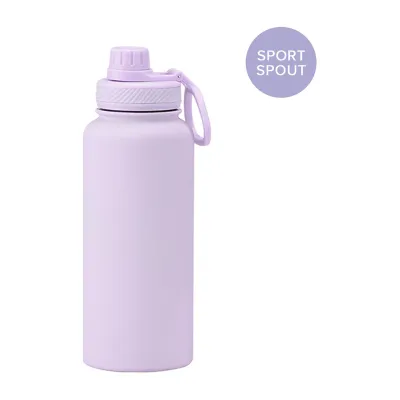
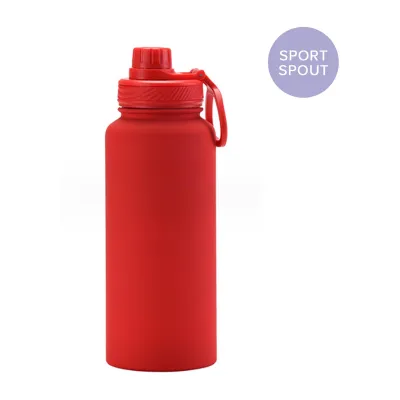
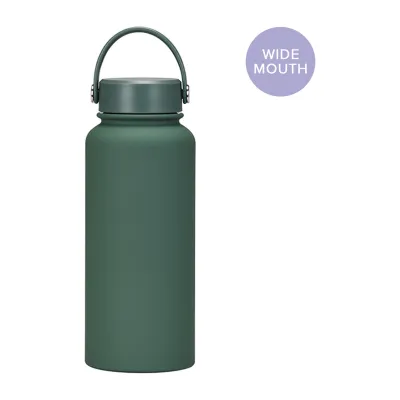
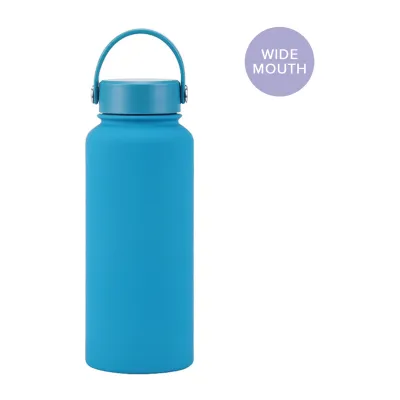
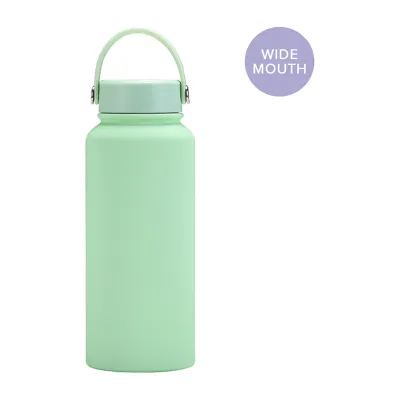
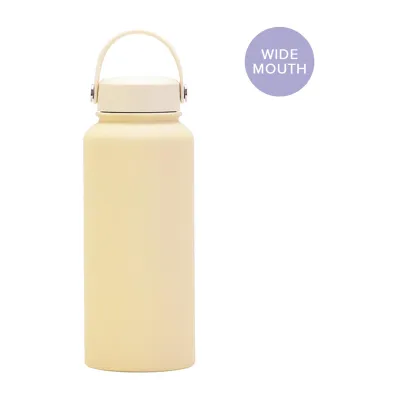
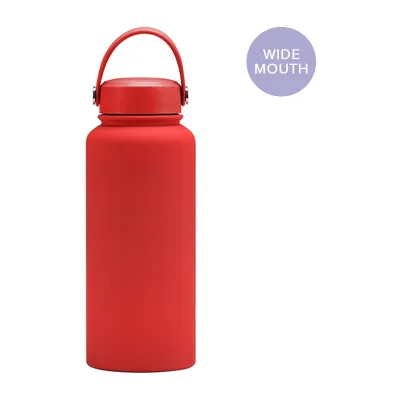
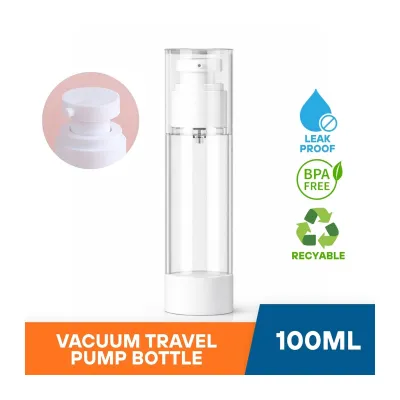
Prices are valid at publication and may change. Please refer to the product page for the latest price.
How to Verify Cold Retention Claims Before You Buy
When shopping for a vacuum water bottle in Singapore, you will encounter various marketing claims promising 24 hours of cold retention. To make an informed decision, you must look past the bold text on the packaging and verify the underlying specifications.
Check the Manufacturer’s Testing Parameters Look for details on the starting water temperature and the ambient testing temperature. A rating tested at a mild room temperature of 20°C will perform differently when exposed to Singapore’s outdoor heat. Reliable manufacturers often specify the testing conditions behind their thermal ratings on their official websites or packaging.
Examine the Insulation Construction True vacuum insulation requires two walls of stainless steel with a vacuum gap in between. Some high-performance bottles feature an additional copper plating on the exterior of the inner wall. This copper layer reflects thermal radiation, further slowing down heat transfer. Check the product specifications for mentions of triple-layer or copper-lined vacuum technology.
Evaluate the Lid Design and Materials Heat enters a bottle primarily through the lid, as plastic and silicone do not insulate as effectively as a vacuum-sealed steel body. A wide-mouth bottle with a simple, thick, insulated screw cap will always retain cold longer than a bottle with a complex straw or flip-top lid. If cold retention is your absolute priority, prioritize thick, threaded caps with heavy-duty silicone gaskets.
Verify the Steel Grade High-quality vacuum bottles typically use 18/8 (Type 304) food-grade stainless steel. This material is durable and highly resistant to corrosion from sports drinks and sweat. Checking the steel grade ensures the bottle maintains its structural integrity, which is vital for preserving the vacuum seal over years of use.
Comparing Insulation Profiles: Which Brand Type Fits Your Workout?
Selecting the right vacuum water bottle requires matching the bottle’s design to your specific sport, venue, and carrying method. There is no universal bottle that excels equally in a fast-paced run and a long day of kayaking.

Heavy-Duty Insulated Bottles for Outdoor Sports If your activities include long cycling trips, hiking through nature reserves, or spending hours on outdoor courts, you need maximum thermal resistance. For these scenarios, choose a heavy-duty, wide-mouth vacuum water bottle made with thick-gauge stainless steel. The wide mouth allows you to pack the bottle with large ice cubes, which melt much slower than small ice chips. While these bottles are heavier and require two hands to open, they offer the most robust defense against ambient heat.
Lightweight, Slim-Profile Bottles for Gym and Running For indoor gym sessions, fitness classes, or short runs where you carry your bottle in a backpack side pocket, portability is key. In these environments, a slim-profile vacuum water bottle is more practical. These bottles use thinner steel walls to reduce weight, making them easier to carry. While they may lose cold slightly faster than their heavy-duty counterparts, the controlled indoor climate of a gym makes this trade-off highly acceptable.
Sport-Cap Bottles for Quick, One-Handed Hydration If you need to drink while moving—such as during a spin class or while jogging—one-handed operation is essential. Bottles equipped with straw lids, push-button flip tops, or bite valves allow you to hydrate without stopping. However, you must accept a slight reduction in cold retention. The internal mechanisms and air vents in sport lids allow more heat exchange than a solid screw cap. To mitigate this, look for sport lids that feature insulated covers or double-gasket seals.
Essential Design Features for Singapore's Humid Climate
Singapore’s unique tropical climate, characterized by high relative humidity and consistent warmth, presents specific challenges for sports gear. A bottle that performs well in a dry, temperate climate may feel slippery or become difficult to maintain here.
Sweat-Proof Exterior Coatings When cold liquid is placed inside a bottle, any temperature transfer to the outer wall will cause moisture in Singapore’s humid air to condense on the surface. A high-quality vacuum water bottle should remain completely dry on the outside. To ensure a secure grip during sweaty workouts, look for bottles with a durable powder-coat finish. This textured exterior prevents slipping, even when your hands are wet from exercise or humidity.
Mold-Resistant and Easy-to-Clean Lids High humidity creates an ideal breeding ground for mold and bacteria, particularly in the small crevices of bottle lids, straws, and silicone gaskets. When choosing a bottle, closely inspect the lid design. Prioritize lids that can be completely disassembled for cleaning. Removable silicone rings and straw mechanisms are essential, as they allow you to scrub away moisture buildup before mold can establish itself.
Durability and Dent Resistance Sports environments are tough on gear. A bottle dropped on a concrete running track or a hard gym floor can easily dent. Because the vacuum insulation relies on a microscopic gap between two steel walls, a deep dent can cause the walls to touch. If this happens, the vacuum is breached, and the bottle will instantly lose its insulating properties. Look for bottles with reinforced base boots or thicker steel construction to safeguard against accidental drops.
Maintenance Tips to Preserve Vacuum Insulation Performance
A premium vacuum water bottle is an investment in your athletic routine, and proper care is necessary to keep it performing at its peak for years. Simple maintenance habits can prevent the degradation of both the vacuum seal and the hygienic quality of the bottle.
Protect the Bottle from Impact The most common cause of sudden insulation failure is physical damage. Even a minor drop can compromise the internal vacuum seal without showing obvious external damage. To protect your bottle, consider using a silicone protective boot on the base. This simple accessory absorbs shock during drops and prevents the bottom of the bottle from denting when placed on rough outdoor surfaces.
Clean Lids and Gaskets Regularly To maintain an airtight seal, the silicone gaskets inside your bottle’s lid must remain clean and free of debris. Over time, sports drink residues, dirt, and mold can accumulate under the seals, causing microscopic gaps that let warm air in and cold air out. Remove the gaskets periodically and wash them in warm, soapy water. Ensure they are completely dry before reassembling them to prevent trapping moisture.
Avoid High Heat and Abrasive Cleaners Unless the manufacturer explicitly states that the bottle is dishwasher safe, always wash your vacuum water bottle by hand. The intense heat and harsh detergents of a dishwasher cycle can damage the exterior powder coating and degrade the silicone seals. Furthermore, never use abrasive scrubbers or bleach on the stainless steel, as these can scratch the protective chromium oxide layer, leading to rust and metallic tastes.
Frequently Asked Questions (FAQ)
Does putting a vacuum water bottle in the fridge improve cold retention?
No, putting a vacuum water bottle in the refrigerator or freezer will not make the liquid inside colder. The vacuum layer between the inner and outer walls is designed to stop heat transfer in both directions. Therefore, the cold air of the fridge cannot penetrate the vacuum to cool the water inside. To get the best results, pre-chill your beverage in a separate container before pouring it into the bottle, or simply add ice cubes directly.
Can I put boiling water in a bottle designed for cold sports drinks?
While the stainless steel body and vacuum insulation can technically handle hot liquids, you must exercise extreme caution with sports-specific lids. Lids with straws, bite valves, or quick-flip buttons are not designed to vent steam. Pouring boiling water into these bottles can cause pressure to build up inside, leading to hot liquid spraying out when you open the lid, which poses a severe burn risk. Always check the manufacturer’s guidelines, and switch to a standard, non-straw screw cap if you intend to carry hot beverages.
Why does my vacuum water bottle sweat even though it claims to be sweat-proof?
If your vacuum water bottle is sweating, it usually indicates one of two things. If condensation only forms around the plastic lid or the very top collar of the bottle, this is normal, as plastic does not insulate as well as the vacuum-sealed steel body. However, if the entire steel body of the bottle is sweating and feels cold to the touch, the internal vacuum seal has likely been compromised, often due to an unnoticed drop or structural defect. In this case, the bottle will no longer retain cold temperatures effectively and may need to be replaced.
Community discussion
Share your experience or ask a question. Comments are reviewed before publication.