
A sports first aid kit is incomplete without a reliable signaling device, and a whistle is often the most effective tool for drawing attention when injured or lost. However, choosing the right whistle is not a one-size-fits-all decision. The environment of your activity, the weather conditions, and the surrounding noise levels dictate which design will perform reliably when you need it most.
For outdoor enthusiasts and sports organizers in Singapore, where high humidity, sudden tropical downpours, and dense forested terrain are common, selecting a whistle requires careful consideration of mechanical design and material limits. A whistle that works perfectly on a dry, indoor court may fail entirely when exposed to heavy rain or submerged in water.
To ensure your emergency kit is truly prepared, you must understand the functional differences between pealess, pea, and electronic whistles. Matching these designs to your specific sport guarantees that your signal will cut through ambient noise and reach potential rescuers.
Products mentioned in this guide
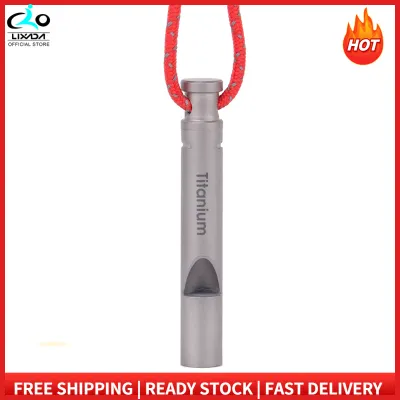
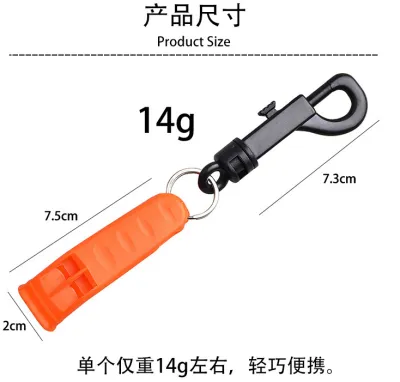
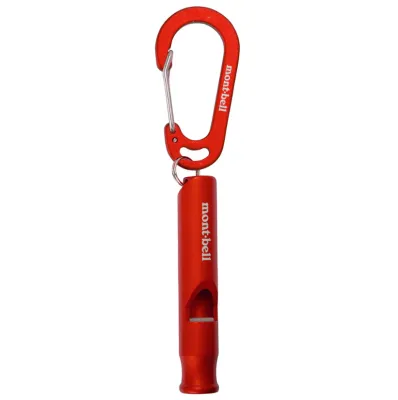
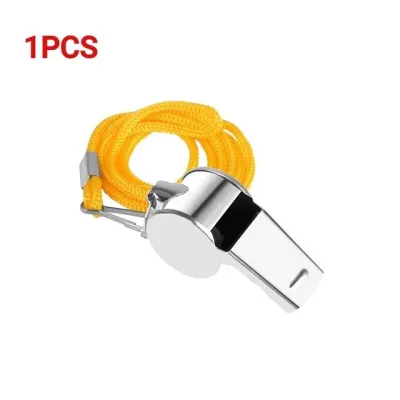
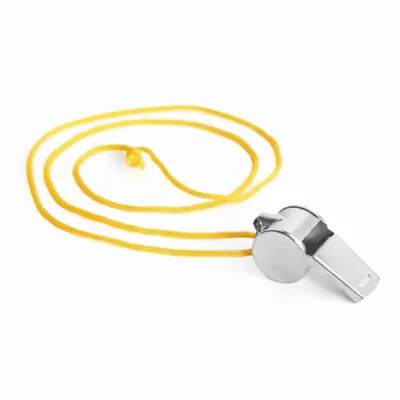
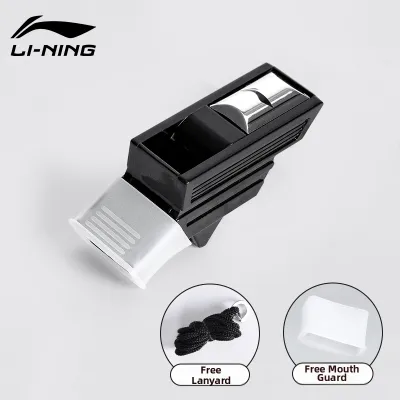
![[SG SELLER] Lifeguard Whistle Lanyard Loudest Pea-Less Rubber Mouth Grip Air Hockey Puck Coaches Referee Whistles Sports](https://img.lazcdn.com/g/p/b10f515d0cbec9460e8dccf87cb54c8d.png_400x400q80.png_.webp)
Prices are valid at publication and may change. Please refer to the product page for the latest price.
Understanding Whistle Types for Emergency Signaling
To select the right signaling tool, you must understand how different whistle designs produce sound and where their mechanical vulnerabilities lie. Whistles generally fall into three categories: pealess, pea, and electronic.
Pealess whistles are engineered without moving internal parts, relying instead on precisely shaped air chambers to compress and split airflow into a high-pitched, penetrating sound. Because they lack a moving “pea,” these whistles remain highly reliable in wet, muddy, or freezing conditions. Water drains instantly from the chambers, allowing you to clear the whistle with a single quick breath. They are the standard choice for marine environments and search-and-rescue operations.
Pea whistles contain a small, loose ball—the pea—inside a sound chamber. Blowing into the whistle forces the pea to spin rapidly, interrupting the airflow to create a distinct, warbling trill. While this trill is highly recognizable, pea whistles have significant failure points. If the whistle gets wet, the pea can stick to the inner wall, rendering the device silent. In cold climates, moisture from your breath can freeze the pea in place, while dirt or sand can easily jam the mechanism.
Electronic whistles replace lung power with battery power, using a push-button switch to activate an electronic speaker that produces a consistent, high-decibel tone instantly. They are highly advantageous if a user is physically exhausted, injured, or suffering from respiratory distress. They also offer hygienic benefits, as multiple first-aiders can share the same device without contact. However, electronic whistles depend entirely on battery life and are vulnerable to water damage unless rated as waterproof. They are also heavier and bulkier than mechanical options.
Matching Whistles to Specific Sports and Outdoor Activities
Selecting a whistle requires matching the device’s physical properties to the environmental challenges of your sport. Different activities present unique acoustic and physical barriers that can muffle or disable your signaling device.

For water sports and high-moisture environments like kayaking, sailing, dragon boating, or open-water swimming, a pealess whistle is the most reliable choice. Traditional pea whistles quickly waterlog, causing the internal ball to stick and fail. In Singapore’s humid tropical climate and frequent heavy downpours, moisture accumulation is a constant factor. A pealess whistle ensures that water can be blown out instantly, maintaining a clear, loud signal regardless of wetness.
Team sports and high-noise arenas, such as football, rugby, or track events held in large stadiums, require a whistle that can cut through intense ambient noise. The primary challenge is overcoming crowd noise, referee whistles from adjacent fields, and physical barriers. A high-decibel pealess whistle with a multi-tone frequency is highly effective here, as the discordant pitch is easily distinguished from background chatter. If you are managing a tournament with multiple fields, coordinating different whistle pitches or utilizing electronic whistles can help medical staff identify specific signals.
Wilderness hiking, trail running, and trekking through dense terrain like MacRitchie Reservoir or Bukit Timah Nature Reserve present distinct acoustic challenges. Vegetation absorbs high-frequency sounds quickly, meaning your whistle must have a frequency range designed to carry over distance through foliage. For these activities, weight and accessibility are critical. A lightweight, plastic pealess whistle attached directly to your backpack strap or first aid kit exterior ensures you can reach it instantly if you slip or become immobilized. Avoid heavy metal whistles that can bounce uncomfortably or become hot to the touch.
Cold-weather and winter sports, though not local to Singapore, are common travel pursuits for skiing, snowboarding, or mountaineering. In sub-zero temperatures, material selection becomes a safety-critical decision. Metal whistles should be strictly avoided in freezing conditions, as the cold metal can instantly freeze to your lips, causing severe skin damage. Furthermore, the moisture from your breath can freeze the internal pea of a traditional whistle within seconds. For alpine environments, choose a high-quality, impact-resistant plastic pealess whistle that remains functional and safe to use.
Essential Features to Check Before Packing Your Whistle
Before adding any whistle to your sports first aid kit, you must verify its specifications and physical design to ensure it will perform reliably during an emergency. Do not assume all whistles are manufactured to the same safety standards.
First, check the manufacturer’s specified decibel output and frequency range. For emergency signaling, a whistle should ideally produce a sound level of at least 100 decibels, with many safety models reaching 115 decibels or more. The frequency is equally important; a dual-tone or triple-tone whistle produces multiple frequencies simultaneously, which prevents the sound from blending into natural background noises like wind or rushing water. Verify these specifications on the product packaging or manufacturer datasheet.
Second, evaluate the material durability of the whistle body. High-impact thermoplastic materials, such as ABS plastic, offer excellent resistance to drops, crushing, and temperature fluctuations. If you choose a metal whistle for dry, temperate environments, ensure it is made from rust-resistant materials like stainless steel or brass. Inspect the construction for seamless joints; whistles molded as a single piece of plastic are generally much tougher than those held together by adhesives or press-fit seams.
Finally, consider the attachment and accessibility options. An emergency whistle is useless if it is buried at the bottom of a packed first aid kit when an accident occurs. Look for whistles that feature integrated clip attachments, lanyard loops, or split rings. If you use a lanyard, ensure it features a safety breakaway clasp to prevent choking hazards if the cord becomes snagged. The whistle should be positioned where it can be reached and operated with one hand, or even with your teeth if your hands are injured.
Safe Usage and Limitations in First Aid Scenarios
While a whistle is an invaluable safety tool, its effectiveness depends entirely on correct usage and an understanding of its limitations. A whistle cannot replace comprehensive safety planning, proper training, or primary communication devices.
When signaling for help, you must use recognized emergency protocols to ensure rescuers identify your sound as a distress call. The international standard emergency signal consists of three short, sharp blasts on the whistle, followed by a pause of one minute, and then repeated. If you hear a response, it is typically two blasts. Conserving your breath is vital; blow firmly but avoid hyperventilating, as you may need to maintain the signal for hours before help arrives.
You must also recognize the physical limitations of acoustic signaling. Whistles are line-of-sight sound devices; their range is severely reduced by heavy wind, dense forest canopy, rain, and terrain obstacles like ridges or canyons. A whistle should never be viewed as a total replacement for communication equipment such as mobile phones, satellite messengers, or two-way radios. If you are traveling into remote areas, always carry redundant signaling methods, including visual aids.
Lastly, establish a routine maintenance and inspection schedule for your first aid kit. Before every trip or sports season, inspect your whistle for physical damage, such as cracks in the plastic or blockages in the sound chambers. For electronic models, test the battery strength and replace the cells according to the manufacturer’s recommended schedule to prevent corrosion or sudden power failure.
Frequently Asked Questions (FAQ)
Can I use a standard referee whistle for outdoor survival emergencies?
While a standard referee whistle is better than no signaling device at all, it is generally not recommended for outdoor survival. Many referee whistles contain an internal pea, which can easily jam when exposed to dirt, water, or freezing temperatures. Additionally, sports whistles are often designed for short-range indoor use and may lack the decibel output or multi-tone frequency required to carry over long distances in open terrain. For your first aid kit, always verify the manufacturer’s specifications to ensure the whistle is rated for outdoor safety and emergency signaling.
How often should I replace the whistle in my first aid kit?
A high-quality plastic pealess whistle has no moving parts and can last for many years, but it should still be inspected regularly. Perform a visual and functional check at least once a year, looking for hairline cracks, UV degradation, or debris blocking the chambers. If the whistle is kept in a marine kit or exposed to saltwater, rinse it thoroughly with fresh water after use to prevent salt crusting. For electronic whistles, check the batteries every six months and replace them annually, or immediately if the sound output begins to weaken.
Community discussion
Share your experience or ask a question. Comments are reviewed before publication.