
The ideal yoga block brand is not a one-size-fits-all solution; rather, the right choice depends on your practice level, material preferences, and specific alignment needs. While some brands focus on ultra-lightweight foam for gentle restorative sessions, others specialize in dense cork or heavy timber designed for unwavering stability in advanced arm balances. To find the perfect match, you must evaluate brands based on their material density, edge finishing, and structural integrity rather than relying solely on marketing labels.
In Singapore’s warm and humid climate, factors like moisture absorption and surface grip become critical decision points. A block that feels secure in an air-conditioned studio might become slippery during a sweaty session at home. By understanding how different brands construct their blocks, you can make an informed investment that supports your progression from basic alignment adjustments to complex, weight-bearing poses.
Understanding Yoga Block Materials and Density
Yoga block brands primarily differentiate themselves through three core materials: ethylene-vinyl acetate (EVA) foam, natural cork, and wood or bamboo. Each material offers a distinct level of firmness, weight, and tactile feedback, which directly influences how the block behaves under pressure.
Products mentioned in this guide
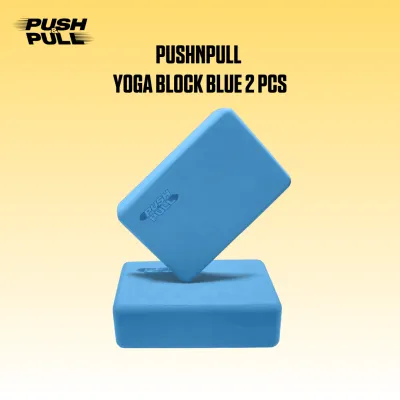
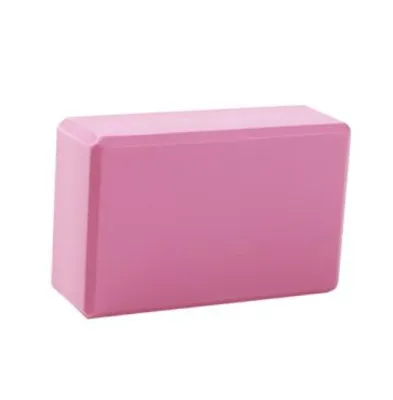
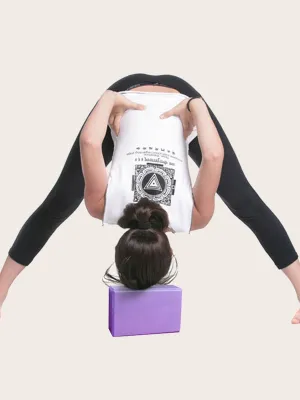
![[✅Sg Ready Stock] Yoga Block Brick RectangularHigh Density 200gram](https://img.lazcdn.com/g/p/c37c451a612d50ff7a0349e72a1d8116.jpg_400x400q80.jpg_.webp)
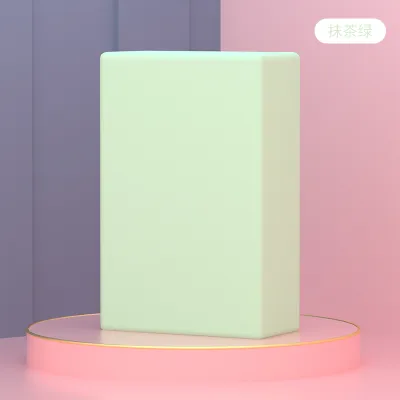
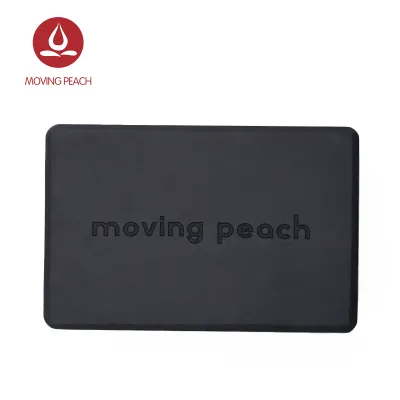
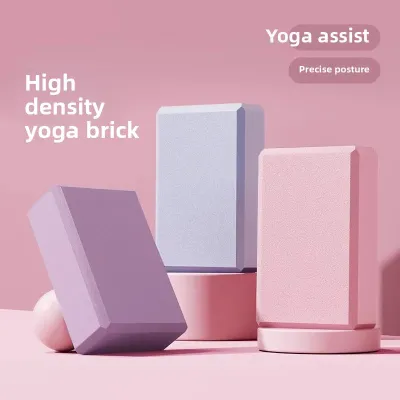
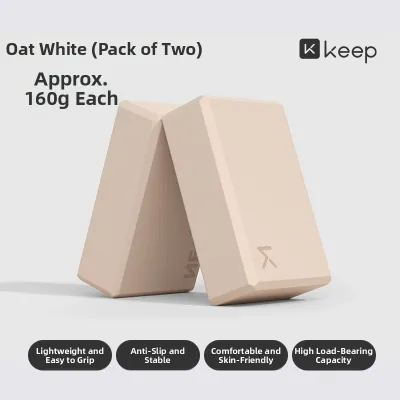
Prices are valid at publication and may change. Please refer to the product page for the latest price.
EVA foam is the most common material used by entry-level and mass-market fitness brands. It is exceptionally lightweight, making it easy to pack in a tote bag for trips to a local studio. However, foam density varies dramatically across different manufacturers. Budget brands often produce soft, highly pliable foam blocks that compress easily under significant weight, which can compromise your balance. Premium yoga brands, on the other hand, utilize high-density EVA foam that offers a firmer, more supportive feel while retaining a comfortable level of give for sensitive joints.
Cork blocks are favored by intermediate and advanced practitioners who require a more substantial, unyielding support system. Sourced from the bark of cork oak trees, these blocks are naturally heavier and far more rigid than foam. When evaluating cork block brands, pay close attention to the grain structure and surface finishing. High-quality brands offer tightly packed, fine-grain cork that resists crumbling and shedding over time, whereas lower-tier options may feel rough or begin to flake at the corners after a few months of regular use.
Bamboo and wood blocks represent the firmest and most durable category on the market. These blocks are virtually indestructible and provide absolute stability, making them excellent for deep, passive stretches where you need a completely solid foundation. However, wood blocks are heavy and offer zero compression, which can feel uncomfortable against bony areas like the sacrum or spine. Brands specializing in wooden blocks typically apply slip-resistant coatings and deep bevels to make the hard material more user-friendly.
Matching Block Features to Your Practice Level
As your yoga practice progresses, your physical relationship with your props changes. Beginners often rely on blocks to bring the floor closer and reduce strain, requiring a forgiving surface that cushions the body. As you progress to intermediate and advanced levels, your blocks transition from passive comfort aids to active, weight-bearing tools that demand absolute stability and precise dimensions.

Beginners: Prioritizing Comfort and Forgiveness
For those new to yoga, the primary goal of a block is to provide accessible support and prevent over-stretching. At this stage, highly rigid blocks can feel punishing against tight muscles and joints. Choosing a brand that offers soft to medium-density foam blocks is ideal, as they provide a gentle buffer when placed under the hands, hips, or spine during foundational poses like Half Moon or Supported Bridge.
When browsing beginner-friendly brands, look for standard dimensions—typically 4 inches by 6 inches by 9 inches. This size is versatile enough to accommodate various hand sizes and flexibility levels. Lightweight foam blocks are also much easier to manipulate and reposition quickly mid-flow, allowing you to focus on alignment rather than struggling with a heavy prop.
Intermediate Practitioners: Balancing Support and Stability
As you transition into intermediate practice, you will begin to hold poses longer and introduce more challenging balancing sequences. This progression requires a block that can support a greater portion of your body weight without wobbling or compressing. Upgrading to a high-density foam block or an entry-level cork block provides the necessary structural integrity to keep you steady during standing balances.
In this phase, surface grip becomes a major factor, especially during active vinyasa classes. Evaluate brands based on surface textures; look for subtle embossing or natural, non-slip finishes that maintain traction when hands are damp. A reliable intermediate block should feel solid enough to lean into with confidence, yet light enough to move around your mat without disrupting your flow.
Advanced Practitioners: Seeking Precision and Firmness
Advanced practitioners use blocks as extensions of their limbs to deepen stretches, engage core muscles, and master complex arm balances. For these demanding applications, any amount of compression or instability can lead to a loss of balance or joint strain. Consequently, advanced yogis generally prefer premium cork or solid wood blocks that offer completely unyielding support.
When selecting a brand for advanced practice, precise manufacturing tolerances are critical. Verify that the blocks have exact, uniform dimensions so that when stacked, they create a perfectly level surface. Additionally, look for brands that offer superior edge beveling, which ensures a secure, comfortable grip when wrapping hands around the block for handstands or deep backbends.
Key Design Features to Compare Across Brands
Beyond the basic material choice, several subtle design elements distinguish high-quality yoga block brands from generic alternatives. Examining these physical details before purchasing will help you avoid common annoyances like slipping, hand fatigue, or premature wear.
Edge beveling is a critical comfort feature to evaluate. The edges of a yoga block can range from sharp, hard angles to deeply rounded, smooth bevels. Brands that invest in deep, radius-cut bevels provide a much more comfortable grip, as the rounded edges do not dig into your palms or wrists when you apply full body weight. This is particularly noticeable with cork and wood blocks, where sharp edges can cause discomfort during long holds.
Surface texture and grip vary widely depending on the brand’s manufacturing process. Some foam block brands feature smooth, glossy surfaces that can become slick when exposed to sweat. To counter this, look for brands that incorporate textured, matte finishes or micro-embossed patterns that enhance friction. For cork blocks, the natural texture provides inherent slip resistance, but some brands refine this further by lightly sanding the surface to a soft, velvety finish.
Size and shape variations are another key point of comparison. While the standard 4-inch block is the industry norm, some brands offer slim-profile blocks (often 3 inches thick) which are easier for smaller hands to grip. Other brands produce oversized blocks for taller practitioners or mini blocks designed specifically for targeted myofascial release. Assessing a brand’s entire product lineup can give you a good indication of their commitment to catering to diverse body types and practice styles.
Evaluating Value Across Different Price Tiers
Yoga blocks are available at a wide range of price points, and understanding what you are paying for in each tier will help you maximize your investment. In Singapore, prices can range from budget-friendly options under S$10 to premium, artisan-crafted blocks costing upwards of S$40 per block.
The budget tier, typically ranging from S$5 to S$15, consists almost entirely of standard EVA foam blocks. These are highly accessible and perfectly adequate for casual practitioners, beginners, or those who primarily practice gentle, restorative yoga. While they may not offer the extreme durability or high density of premium options, they provide excellent value for anyone testing the waters of a regular yoga routine without committing to a major financial investment.
The mid-range tier, generally priced between S$15 and S$30, introduces high-density foam and standard cork blocks. This tier represents the sweet spot for the majority of regular practitioners. Here, you can expect significantly better structural integrity, more refined edge beveling, and materials that resist permanent denting or flaking. Investing in a mid-range block ensures that your props will comfortably support your practice as you transition into more challenging, weight-bearing poses.
The premium tier, which starts around S$30 and can exceed S$50, features sustainably harvested cork, organic bamboo, and specialized ergonomic designs. Brands in this category often emphasize eco-friendly manufacturing processes, non-toxic binders, and exceptional durability. While the upfront cost is higher, these blocks are built to last for years of daily, intense use, making them a highly cost-effective choice for dedicated yogis, yoga teachers, and studio owners who demand the absolute highest level of performance.
How to Verify Brand Claims Before Purchasing
With so many brands claiming to offer the ‘highest density’ or ‘most eco-friendly’ blocks, it is essential to look past the marketing jargon and verify these assertions using objective criteria. Taking a few minutes to research the technical specifications of a block can save you the hassle of returning an unsuitable product.
First, always check the product specification sheets for exact weight and dimensions rather than relying on vague descriptions like ‘ultra-supportive’ or ‘heavy-duty.’ A high-quality cork block, for example, should have a clearly stated weight—typically between 700 grams and 1 kilogram. If a brand advertises a cork block but fails to list its weight, or if the weight is unusually low, it may indicate a lower-density composite cork that is prone to crumbling.
Second, read verified user reviews with a specific focus on long-term wear and physical characteristics. Look for comments mentioning whether foam blocks retain their shape after several months of use, if cork blocks shed fine dust during practice, or if there is any noticeable chemical odor (‘off-gassing’) upon unpacking. Reviews from users who practice in humid environments can also provide valuable insights into how well the block maintains its grip when wet.
Finally, review the retailer’s return and exchange policy before finalizing your purchase. Because firmness and grip are highly subjective physical sensations, you may find that a block that looks perfect online feels too hard or too slippery in your hands. Ensuring that you can easily return or exchange the block allows you to test its compatibility with your body and practice style risk-free.
Frequently Asked Questions (FAQ)
Can I use the same yoga block brand as I progress from beginner to advanced?
Yes, you can certainly stick with a single brand as you progress, provided that the brand offers a diverse range of materials or a highly versatile high-density block from the start. Many practitioners begin with a lightweight foam block from a reliable brand for comfort, and later purchase a pair of cork blocks from the same manufacturer when they require greater stability for advanced poses. Alternatively, investing in a high-density foam block early on can serve you well across all stages of your practice.
Are cork yoga blocks always better than foam blocks?
No, cork blocks are not universally superior to foam blocks; they simply serve different purposes. While cork offers unmatched stability and weight-bearing support, foam blocks are highly preferred for travel due to their lightweight nature. Foam is also much more comfortable for restorative poses where your body rests directly on the block for extended periods, as it provides a gentle cushion that cork cannot replicate.
How many yoga blocks do I actually need for a standard practice?
For a standard, well-rounded practice, purchasing a pair of two yoga blocks is highly recommended. While a single block can assist with basic modifications, having two blocks allows for symmetrical support in standing poses like Triangle, where you might need a block under each hand. A pair of blocks also expands your options for restorative setups, such as supporting both knees in a reclined bound angle pose or elevating both your chest and head in a supported heart opener.
Community discussion
Share your experience or ask a question. Comments are reviewed before publication.