
Selecting the right yoga pad thickness is one of the most critical decisions you will make for your practice. The thickness of your mat directly influences your balance, joint comfort, and overall stability during transitions. If your mat is too thin, kneeling poses can become painful on hard floors; if it is too thick, standing balances can feel unstable and wobbly.
To find the perfect balance, you must match the thickness of your mat to your primary practice style, joint health, and where you plan to practice. While a standard 3 mm mat is highly versatile for dynamic flows, dedicated travel mats or thicker 6 mm comfort mats serve distinct purposes that can elevate or hinder your performance depending on how you use them.
Quick Answer: Which Yoga Pad Thickness Do You Need?
Finding the ideal yoga pad thickness depends on your physical needs and where you practice. The market generally categorizes mats into four distinct thickness ranges, each designed for specific scenarios:
Products mentioned in this guide
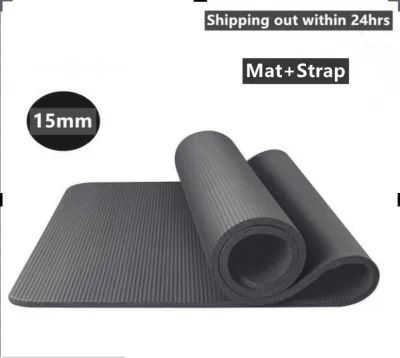
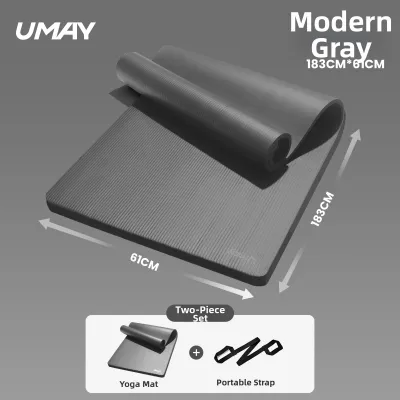
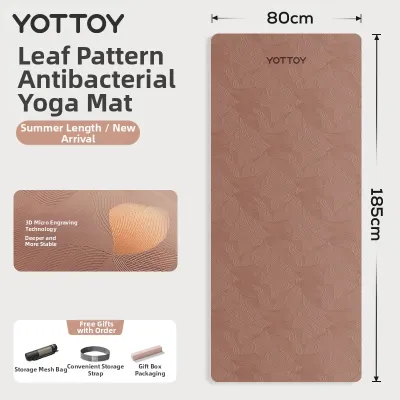
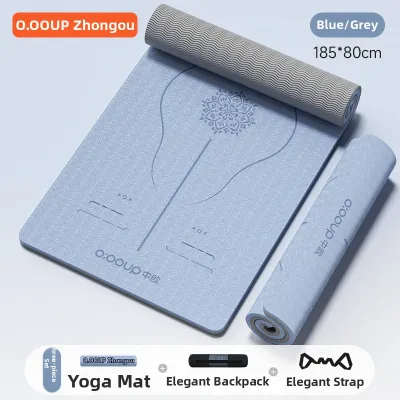
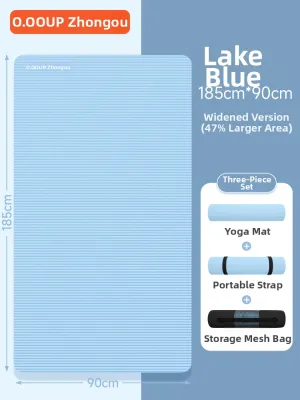
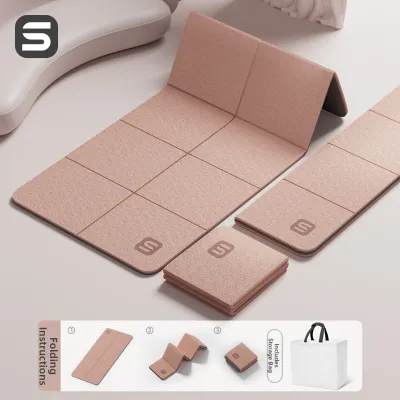
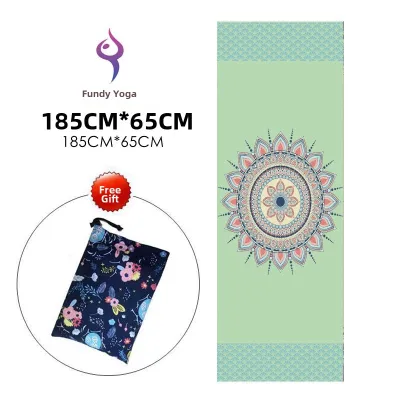
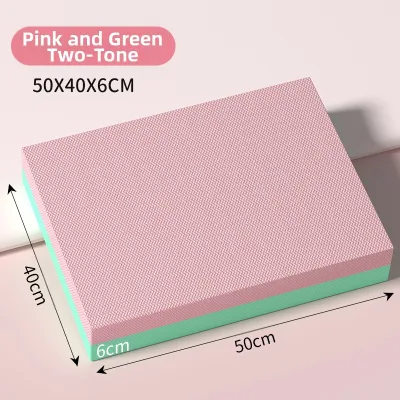
Prices are valid at publication and may change. Please refer to the product page for the latest price.
- Thin / Travel Pads (~1.5 mm or 1/16 inch): These ultra-lightweight mats are designed for portability and maximum ground connection. They fold up easily into a suitcase or backpack, making them ideal for commuters and travelers. However, they offer almost no joint cushioning.
- Standard / All-Around Pads (~3 mm to 4 mm or 1/8 inch): This is the industry standard and the most versatile option. It provides a balanced blend of moderate cushioning and excellent stability, making it the go-to choice for dynamic styles like Vinyasa, Hatha, and Ashtanga.
- Thick / Comfort Pads (~5 mm to 6 mm or 1/4 inch): These mats prioritize joint protection. They are highly recommended for practitioners with sensitive knees, wrists, or ankles, as well as those who practice slower, floor-based styles like Yin or Restorative yoga.
- Extra Thick / Fitness Pads (~12 mm or 1/2 inch and above): These thick foam mats are built for Pilates, core workouts, and general floor stretching. They are not suitable for traditional yoga, as their extreme compression makes standing balance poses unsafe.
Cushioning vs. Stability: Understanding the Thickness Trade-Off
The relationship between yoga pad thickness, cushioning, and stability is governed by basic biomechanics. When you step onto a yoga mat, your body weight exerts downward force. The mat compresses to absorb this force, which reduces the impact on your joints but also alters your connection to the floor.

Thicker mats provide a deeper layer of material to absorb impact, protecting sensitive areas like the patella (kneecap), wrists, and tailbone. However, this extra cushioning comes at the cost of stability. As the material compresses under your feet, it creates an uneven, shifting surface. This reduces your proprioception—the body’s ability to sense its position and balance relative to the floor. During standing balances like Tree Pose or Warrior III, your ankle muscles must work significantly harder to stabilize your body on a squishy surface, leading to quicker fatigue and potential loss of balance.
Conversely, thinner mats keep your center of gravity closer to the solid subfloor. This direct contact provides immediate sensory feedback, allowing you to root down through your feet and hands with precision. Your wrists and ankles remain properly aligned because the mat does not compress or shift laterally under pressure. The trade-off is a complete lack of impact absorption, meaning your joints bear the full force of the hard floor beneath you.
The type of flooring you practice on also plays a major role in this trade-off. For example, many homes in Singapore feature hard, unforgiving flooring materials such as ceramic tiles, marble, or polished concrete. Practicing on these surfaces on a paper-thin mat can quickly cause joint discomfort. If you practice primarily on carpeted floors or suspended wooden studio floors, you already have a layer of natural “give” beneath you, which allows you to use a thinner mat without sacrificing comfort.
Comparing Yoga Pad Thickness Options by Practice Style
To choose the right thickness, it is helpful to look closely at how each category performs across different styles of yoga, along with the specific pros and cons you will encounter.
Thin / Travel Pads (1/16 inch / ~1.5 mm)
Thin travel mats are engineered for maximum portability and direct ground connection. Weighing significantly less than standard mats, they can be folded into tight squares rather than rolled, fitting easily into a tote bag or travel luggage. This makes them highly popular among urban practitioners who commute via public transport or enjoy practicing outdoors in parks.
These mats excel in balance-intensive and alignment-focused practices such as Ashtanga and Iyengar. Because there is virtually no material to compress, your hands and feet remain firmly rooted, allowing for precise transitions and strong structural alignment. Many advanced practitioners also use travel mats as a hygienic topper over studio-provided mats, giving them the grip and cleanliness of their own mat combined with the cushioning of the studio mat underneath.
The primary limitation of a 1.5 mm mat is its complete lack of joint protection. If you attempt a low lunge or a kneeling posture on a hard tiled floor, you will likely feel immediate discomfort in your kneecaps. To mitigate this, you must be prepared to fold the mat over on itself to double the thickness under your knees, or use a separate prop like a folded blanket or foam block.
Standard / All-Around Pads (1/8 inch / ~3 mm)
The 3 mm to 4 mm range represents the sweet spot for the vast majority of yoga practitioners. It is the default thickness found in most commercial studios because it accommodates almost every style of yoga without extreme drawbacks.
For dynamic, fast-paced flows like Vinyasa or Power Yoga, a standard mat provides the perfect foundation. It offers just enough cushioning to take the edge off the hard floor during jump-backs and floor transitions, yet remains firm enough to prevent your wrists from sinking and hyperextending during long sequences of Downward-Facing Dog and planks. The solid surface allows for quick, confident transitions between standing and balancing postures without any lag or instability.
For beginners, a standard mat is highly recommended because it provides a neutral starting point. It allows you to develop ankle strength and balance naturally on a stable surface while offering a basic level of comfort. The only scenario where a standard mat might fall short is for individuals with pre-existing joint issues or those who practice highly passive, floor-heavy styles where comfort is the primary goal.
Thick / Comfort Pads (1/4 inch / ~6 mm)
Thick mats are designed with joint comfort and relaxation in mind. By placing a generous 6 mm barrier between your body and the floor, these mats dramatically reduce pressure points on your joints, spine, and hips.
This thickness is highly beneficial for gentle, slow-paced, or therapeutic practices such as Yin Yoga, Restorative Yoga, and prenatal yoga. In these styles, poses are held for several minutes at a time, and the body remains close to the floor. A thick mat provides the plush, supportive surface needed to allow your muscles to fully relax and release tension without the distraction of a hard floor pressing against your bones.
However, a 6 mm mat presents clear challenges during active, standing practices. The thickness can make standing balances feel highly unstable, as your feet sink into the material and lose direct contact with the floor. Additionally, because these mats contain more material, they are significantly heavier and bulkier to carry, making them less convenient for daily commuting unless you leave them at home or in a dedicated studio locker.
Extra Thick / Fitness Pads (1/2 inch+ / ~12 mm+)
Extra-thick mats, often measuring 12 mm to 15 mm, are widely available but are frequently misunderstood. While they are sometimes marketed as “extra-cushioned yoga mats,” they are actually designed for Pilates, core conditioning, and general gym workouts.
In Pilates and core workouts, many exercises involve rolling along the spine or holding intense floor positions on your tailbone and elbows. These movements require a very thick, soft foam cushion to prevent bruising and discomfort. However, the low-density foam used in these mats lacks the structural lateral stability required for yoga.
If you attempt to perform standing yoga poses on a 12 mm mat, you will experience severe ankle instability. The edges of the mat will compress completely under your weight, while the rest of the mat remains elevated, creating an uneven surface that can easily lead to rolled ankles or strained ligaments. Furthermore, these mats lack the specialized grip needed to prevent your hands and feet from slipping during dry or sweaty yoga sessions.
Beyond Millimeters: Why Material Density Changes the Feel
While the millimeter measurement of a yoga pad is a helpful starting point, it does not tell the whole story. The density and composition of the material used to manufacture the mat play an equally critical role in how supportive and stable it feels under your body.
Two mats with the exact same thickness can perform completely differently based on their material density:
- High-Density Materials (Natural Rubber, Polyurethane, Dense PVC): These materials are heavy, compact, and highly resistant to compression. A 4 mm natural rubber mat, for example, will feel incredibly firm and supportive. When you place your knees or elbows on it, the material resists collapsing, preventing your joints from "bottoming out" and hitting the hard floor. These mats offer excellent joint protection despite being thinner, and they provide superior stability because they do not squish or shift laterally.
- Low-Density Materials (TPE, Lightweight PVC, NBR Foam): These materials are lightweight, airy, and highly compressible. A cheap 6 mm TPE or lightweight PVC mat may feel very soft and cushiony when you first touch it, but as soon as you place your full body weight on a single knee or elbow, the material compresses completely down to a paper-thin layer. This means you lose the benefit of the cushioning exactly where you need it most, resulting in a wobbly surface that still allows your joints to impact the hard floor.
When shopping for a yoga pad, you should look beyond the thickness spec and evaluate the material and weight. High-density mats are significantly heavier—often weighing between 2 kg and 3.5 kg—which is a clear indicator of their supportive structure and durability. If portability is a priority, a medium-density TPE mat can offer a lightweight compromise, but you should check user feedback specifically for “compression resistance” to ensure it will not collapse fully under your weight during kneeling poses.
How to Choose: A Decision Framework for Your Yoga Practice
To simplify your decision, use this structured framework to match your physical needs, practice style, and environment to the correct yoga pad thickness:
- Choose a thin pad (1.5 mm) if: You travel frequently, commute long distances, prioritize a direct and unyielding connection to the ground for advanced balances, or plan to use it as a hygienic layer over a studio mat.
- Choose a standard pad (3 mm to 4 mm) if: You practice dynamic, flowing styles like Vinyasa or Hatha, want a single versatile mat for both home and studio use, and do not suffer from severe joint pain.
- Choose a thick pad (5 mm to 6 mm) if: You have sensitive joints, practice mostly floor-based, restorative, or Yin yoga, and practice on very hard surfaces (like tile or concrete) without a rug or carpet underneath.
- Verify first if you are mixing Pilates and Yoga: If you practice both disciplines, avoid buying a single extra-thick fitness mat. Instead, look for a high-density 4 mm to 5 mm natural rubber or dense PVC mat as a compromise, or invest in a standard yoga pad for your standing flows and a separate thick foam mat for your floor-based Pilates sessions.
To help you compare your options at a glance, refer to the summary table below:
| Thickness | Best Practice Style | Primary Benefit | Main Limitation |
|---|---|---|---|
| Thin (~1.5 mm) | Travel, Ashtanga, Iyengar | Extremely portable; excellent ground feedback | No joint cushioning; cold/hard on tiled floors |
| Standard (~3 mm) | Vinyasa, Hatha, General Use | Perfect balance of stability and moderate cushion | May feel too firm for sensitive knees on tile |
| Thick (~6 mm) | Yin, Restorative, Prenatal | Exceptional joint protection and comfort | Heavy to carry; wobbly during standing balances |
| Extra Thick (12 mm+) | Pilates, Core Workouts | Maximum spine and tailbone cushioning | Unsafe for standing balances; bulky; lacks grip |
Before finalizing your purchase, always check the manufacturer’s care instructions for your chosen material. Natural rubber mats require specific cleaning solutions and must be kept out of direct sunlight to prevent degradation, while polyurethane and PVC mats have different maintenance requirements that affect their longevity and grip.
Frequently Asked Questions (FAQ)
Can I use a thick Pilates mat for yoga?
It is generally not recommended to use a thick Pilates mat (12 mm or more) for traditional yoga. While these mats offer excellent cushioning for floor work, their soft, low-density foam compresses easily and lacks lateral stability. This makes standing balance poses highly unstable and increases the risk of rolling your ankle or straining your joints. Additionally, Pilates mats usually lack the specialized non-slip texture required to keep your hands and feet from sliding during active yoga poses like Downward-Facing Dog.
Is a 4 mm or 5 mm yoga pad a good compromise?
Yes, a 4 mm or 5 mm yoga pad is often an excellent middle-ground compromise. This mid-range thickness is highly popular because it offers slightly more joint protection than a standard 3 mm mat without the extreme weight and instability of a 6 mm mat. However, the performance of a 4 mm or 5 mm mat depends heavily on its material density. A high-density natural rubber or polyurethane mat of this thickness will provide outstanding support and stability, whereas a low-density TPE mat may still compress too easily under concentrated weight.
Community discussion
Share your experience or ask a question. Comments are reviewed before publication.