
Integrating a pull-up bar into a home gym in Singapore requires balancing structural safety with interior design. White pull-up bars have become highly sought after because they blend seamlessly into modern Scandinavian, minimalist, or Japandi home aesthetics, avoiding the harsh, industrial look of traditional black or chrome gym equipment. However, choosing the right white pull-up bar involves more than matching your paint swatch. You must evaluate your home’s structural limits, understand the differences in coating durability, and verify installation safety to ensure your fitness routine does not compromise your living space or your physical safety.
Understanding White Pull-Up Bar Types for Home Spaces
Doorway Pull-Up Bars
Doorway pull-up bars are popular for their convenience and lack of permanent installation requirements. They generally fall into two categories: telescopic bars that extend to wedge inside the frame, and leverage-based bars that hang on the top trim of the door frame. While convenient, these bars rely heavily on the structural integrity of your door frame. In Singapore, many HDB flats and condominiums feature lightweight timber or thin aluminum door frames that can warp, crack, or bend under the intense pressure exerted by these bars.
Wall-Mounted Pull-Up Bars
Wall-mounted bars offer a highly stable platform for pull-ups, chin-ups, and hanging core exercises. These systems must be bolted directly into a solid structural wall to support both your static body weight and the dynamic forces generated during movement. In Singapore housing, wall types vary significantly. Structural shear walls and household shelters (bomb shelters) are made of thick, reinforced concrete, offering the highest load-bearing capacity. Conversely, internal partition walls in newer flats are often made of lightweight concrete panels or drywall, which require specialized anchoring methods or may not support a wall-mounted bar at all.
Products mentioned in this guide
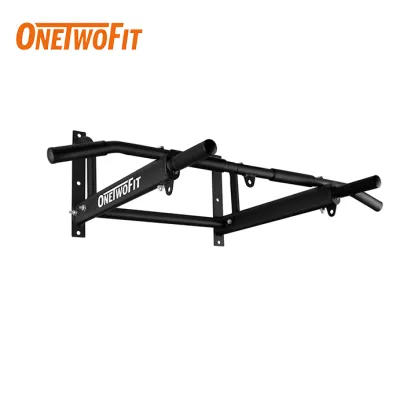
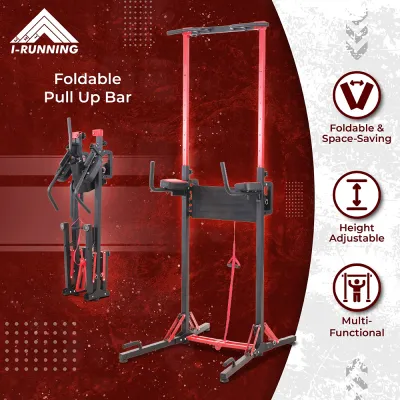
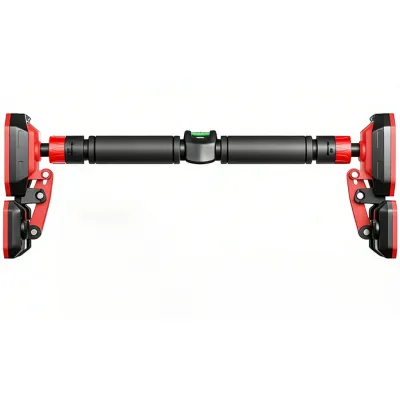
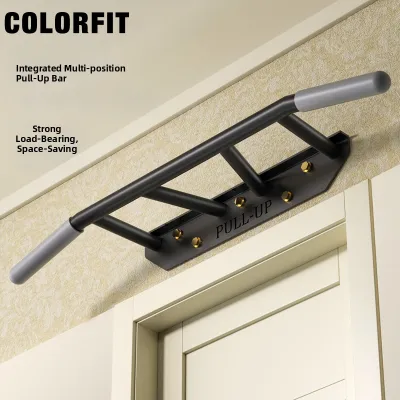
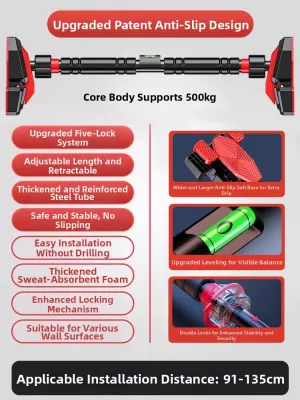
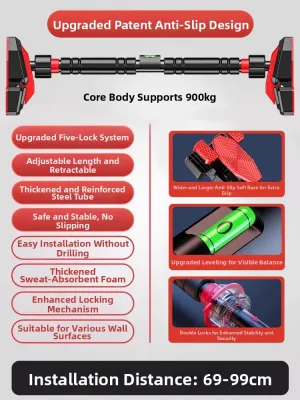
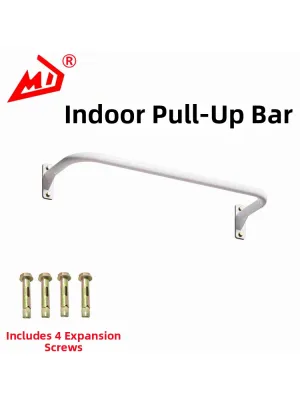
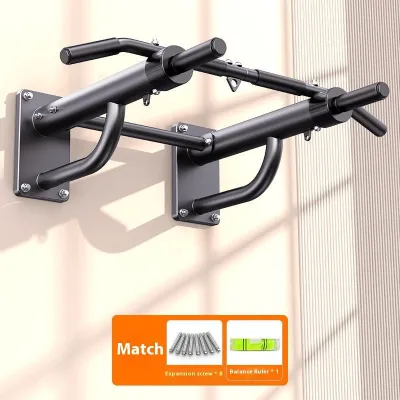
Prices are valid at publication and may change. Please refer to the product page for the latest price.
Ceiling-Mounted Pull-Up Bars
Ceiling-mounted pull-up bars are an excellent alternative when wall space is limited or blocked by built-in wardrobes and shelving. These bars must be anchored directly into the structural concrete ceiling slab to ensure safety. It is critical to distinguish between the structural concrete ceiling and decorative false ceilings. False ceilings, made of plasterboard or gypsum, are commonly installed in modern condominiums and renovated HDB flats to conceal air conditioning trunking, electrical wiring, and water pipes. Attempting to mount a pull-up bar to a false ceiling will result in immediate structural failure and severe injury.
Freestanding Power Towers
For renters or those who prefer not to drill into their walls or ceilings, a freestanding power tower is a highly versatile option. These units often combine a pull-up bar with a dip station and leg-raise station, finished in a clean white powder coat to match your room’s decor. The primary trade-off is the physical footprint. A typical power tower requires at least one square meter of floor space and stands over two meters tall. In a compact three-room or four-room HDB flat, you must carefully measure your floor plan to ensure the tower does not block essential walkways, doors, or natural light sources.
Spatial Clearance and Swing Requirements
Regardless of the mounting style you choose, you must calculate the clearance space around the bar before finalizing your purchase. Ensure there is at least 30 to 50 centimeters of vertical clearance between the bar and your ceiling so your head does not strike the ceiling at the top of the movement. Additionally, verify that you have sufficient horizontal clearance in front of and behind the bar. Dynamic movements, even minor body swings during strict pull-ups, require a clear zone free of glass doors, built-in wardrobes, ceiling fans, and light fixtures to prevent accidental collisions.
Key Selection Criteria for Aesthetics and Performance
Powder Coating vs. Painted Finishes
The durability of a white pull-up bar’s finish is determined by how the color is applied to the metal. High-quality fitness equipment utilizes a powder-coating process, where dry powder is electrostatically applied and cured under high heat to form a hard, resilient skin. Powder coating offers superior resistance to chipping, scratching, and sweat-induced corrosion compared to standard liquid paint. Painted finishes are often cheaper but are highly prone to peeling, yellowing over time, and showing unsightly metal scratches after only a few workouts. For a long-lasting, clean aesthetic, always verify that the product specification explicitly states a powder-coated finish.

Grip Diameter, Texture, and Ergonomics
The physical design of the bar directly impacts your workout comfort and grip strength. Standard pull-up bars typically feature a grip diameter between 28 and 32 millimeters. A thinner bar is generally easier to grip for individuals with smaller hands, while a thicker bar challenges your forearm muscles and builds grip strength. The texture of the white finish is equally important; a completely smooth, glossy white bar will become incredibly slick when your hands begin to sweat. Look for a matte or lightly textured powder coat that provides natural mechanical friction. Additionally, consider bars with ergonomic bends at the ends, which reduce strain on your wrists and elbows during wide-grip pull-ups.
Weight Capacity and Dynamic Safety Margins
When evaluating a pull-up bar, you must look beyond the static weight capacity listed by the manufacturer. A bar rated for 100 kilograms might support your weight while hanging still, but the dynamic forces generated when you pull yourself up, drop down, or perform leg raises can easily exceed your static weight by two to three times. To ensure a safe workout environment, select a bar with a rated weight capacity that offers a generous safety margin. A recommended guideline is to choose a bar rated for at least double your body weight, ensuring the welds, brackets, and mounting hardware can easily handle the dynamic stresses of your daily workouts.
Installation Safety and Weight Capacity Checks
Locating Studs and Selecting Concrete Anchors
A secure installation is the foundation of pull-up bar safety. If you are mounting a bar to a drywall partition wall, you must locate the internal wooden or metal studs using a reliable stud finder. Never attempt to anchor a pull-up bar directly into drywall plasterboard using standard wall plugs or toggle bolts, as the dynamic load will inevitably tear the plasterboard. For concrete installations, which are standard in most Singapore homes, you must use heavy-duty steel expansion bolts (sleeve anchors) rather than plastic wall plugs. Ensure you use a rotary hammer drill to create clean, precise holes in the concrete, and clear out all dust from the holes before inserting and tightening the anchors.
Doorway Frame Integrity and Protection
If you opt for a doorway pull-up bar, you must perform a thorough inspection of the door frame before installation. Ensure the frame is structurally sound, free of wood rot, and securely anchored to the surrounding wall. To protect your home’s interior aesthetics, look for pull-up bars that feature thick, non-marking rubber or silicone pads at the contact points. Cheap foam pads can degrade quickly, leaving black scuff marks, indentations, or paint discoloration on your white door frames. Placing a thin piece of cardboard or a silicone sheet between the bar’s pads and the frame can provide an extra layer of protection against structural damage.
Critical Stopping Conditions
During the installation process, you must remain vigilant and be prepared to stop if you encounter any warning signs. If you are drilling into a concrete wall and your drill bit suddenly hits steel rebar, stop drilling immediately and shift the mounting position slightly to avoid damaging your tools or compromising the building’s structural reinforcement. If the drill bit sinks into the wall with zero resistance, you may have hit a hollow cavity, an electrical conduit, or a water pipe; stop immediately and investigate. If you notice any cracking in the plaster, bowing of the door frame, or if the bar feels unstable during a gentle test hang, do not use the equipment. Consult a qualified professional installer or the manufacturer before proceeding.
Building Your Conditional Shortlist
Matching Bar Type to Your Workout Style
Your fitness goals should dictate the type of white pull-up bar you add to your shortlist. If your routine consists primarily of strict, controlled movements like chin-ups, hanging knee raises, and slow pull-ups, a high-quality doorway bar or a compact wall-mounted bar will serve you well. However, if you plan to perform dynamic cross-training movements, kipping pull-ups, or advanced gymnastics exercises like muscle-ups, you must rule out doorway bars entirely. These high-momentum exercises require the absolute stability of a heavy-duty wall-mounted or ceiling-mounted bar anchored into solid concrete, or a wide-base freestanding power tower.
Width Adjustability for Multi-User Households
In a multi-user household, individual physical proportions can vary significantly. A pull-up bar that is comfortable for a tall user with broad shoulders may cause joint strain or shoulder impingement for a shorter user with a narrower frame. When building your shortlist, look for white pull-up bars that offer adjustable width settings or multiple grip options. Some wall-mounted models allow you to adjust the distance between the mounting brackets during installation, while others feature multi-grip configurations with neutral, wide, and narrow handles, allowing every family member to find an ergonomic grip that matches their shoulder width.
Smart Purchasing on Local Ecommerce Platforms
When shopping for a white pull-up bar on local ecommerce platforms, prices can range from approximately S$30 for basic telescopic doorway bars to over S$200 for premium, multi-grip wall-mounted systems. While budget is an important factor, prioritize structural safety and material quality over the lowest price. Carefully review the shipping dimensions and package weight, as heavy steel bars can incur substantial delivery fees in Singapore. Always check the seller’s return policy and verify if the package includes all necessary mounting hardware, such as concrete expansion bolts, to avoid unexpected trips to the hardware store. Look for products that offer at least a one-year warranty on the structural welds and frame.
Maintenance and Coating Care for White Equipment
Safe Cleaning Protocols
Maintaining the pristine appearance of a white pull-up bar requires regular, gentle cleaning. Because white surfaces easily show dirt, dust, and sweat stains, you may be tempted to use strong household cleaners. However, harsh chemical solvents, bleach, and abrasive scrubbing pads can degrade the protective powder coating, leaving the underlying steel vulnerable to rust. Instead, mix a few drops of mild dish soap with warm water. Use a soft microfiber cloth dampened with this solution to gently wipe down the bar after your workouts, then dry it thoroughly with a clean towel to prevent moisture from sitting on the surface.
Managing Sweat and Chalk Build-Up
Sweat contains natural oils and salts that can slowly corrode metal finishes if left uncleaned. If you use gym chalk to improve your grip, the fine white powder can become embedded in the textured pores of the bar’s coating. Over time, this mixture of sweat and chalk can turn the clean white surface into an unsightly grey or yellowish color, while also reducing the bar’s natural friction. To prevent this, use a soft-bristled nylon brush to gently sweep away dry chalk residue after your workout. Follow up with a damp cloth wipe-down to remove any remaining sweat, ensuring your bar remains hygienic and visually appealing.
Inspecting and Repairing Micro-Chips
Even high-quality powder coatings can experience minor chipping if struck by metal rings, resistance band carabiners, or heavy belt buckles. These micro-chips expose the raw steel beneath to the humid Singapore climate, which can quickly lead to localized oxidation and rust. Periodically inspect your pull-up bar, paying close attention to the mounting joints, weld lines, and grip areas. If you discover a small chip, clean the area thoroughly to remove any dirt or moisture. Apply a tiny dab of white rust-inhibiting metal paint or appliance touch-up paint to seal the exposed metal, preventing rust from spreading beneath the surrounding powder coat.
Frequently Asked Questions (FAQ)
Can I install a wall-mounted bar on hollow block walls?
Hollow block walls do not possess the same structural density or load-bearing capacity as solid reinforced concrete walls. Standard expansion sleeve anchors rely on the friction created against solid concrete to hold weight; when inserted into a hollow block, they cannot expand securely and are highly likely to pull out under dynamic loads. To safely mount a pull-up bar on a hollow block wall, you must use specialized heavy-duty toggle bolts or chemical anchoring systems designed to expand and lock behind the hollow face of the block. If you cannot verify the internal structure of your wall or lack experience with hollow wall anchors, it is highly recommended to abandon wall mounting and opt for a freestanding power tower or a ceiling-mounted bar anchored into a solid concrete slab.
Does a white powder-coated bar get slippery with sweat?
A glossy white powder-coated finish can become exceptionally slippery when exposed to sweat, which compromises your grip and increases the risk of slipping. To avoid this issue, look for a pull-up bar that features a matte, sandblasted, or textured powder coat, which provides natural mechanical friction even when damp. If your existing bar is too smooth, you can use liquid chalk to improve your grip; liquid chalk dries quickly, leaves minimal residue, and is less likely to stain your white bar compared to traditional block chalk. Alternatively, you can wrap the grip areas of the bar with high-quality white athletic tape or silicone grip wraps, which absorb moisture and provide a secure, comfortable grip without compromising the clean, minimalist aesthetic of your home gym.
Community discussion
Share your experience or ask a question. Comments are reviewed before publication.