
A slipping diving mask strap can quickly turn a peaceful underwater exploration into a frustrating cycle of clearing water and adjusting gear. Whether you are snorkeling in the warm waters around Singapore or preparing for a deeper dive, a mask that refuses to stay secure is more than just a minor annoyance. In any water sport, equipment is a secondary support tool; it can never replace formal training, water safety judgment, and physical preparedness. If your mask begins to fail or slip during a session, you should immediately return to a safe, stable platform to address the issue rather than attempting complex adjustments while submerged.
Fortunately, a slipping strap is rarely a sign of a defective mask. Most of the time, the issue stems from simple, correctable factors such as lost friction, improper placement on your head, or the gradual buildup of oils and environmental residues. By understanding how your gear interacts with your hair, skin, and the water, you can quickly diagnose the root cause of the slip and implement a reliable fix. This guide covers immediate troubleshooting checks, the physical and environmental reasons why silicone and neoprene straps lose their grip, and practical steps to secure your fit.
Quick Diagnosis: Immediate Checks for a Slipping Mask Strap
When your mask strap begins to slide mid-dive, you do not necessarily need to abort your swim and head back to shore immediately. Often, a quick physical adjustment can restore enough tension to let you finish your session comfortably. Before assuming your gear is broken, perform these three rapid checks to identify the immediate culprit.
Products mentioned in this guide
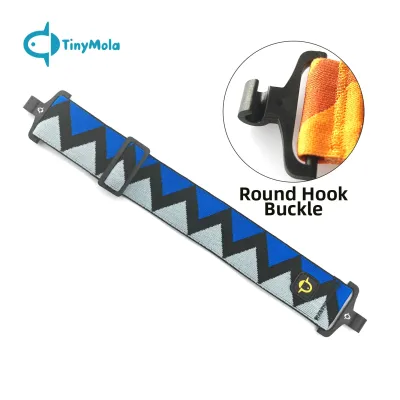
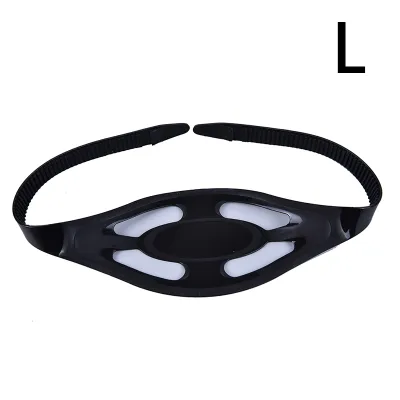
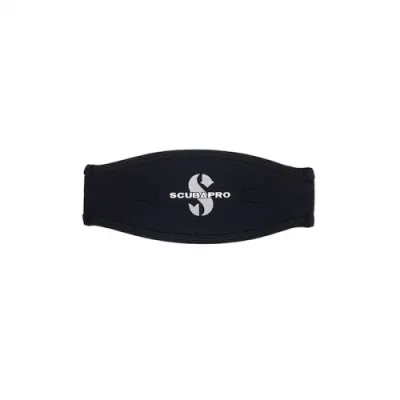
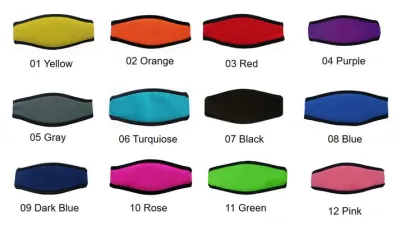
Prices are valid at publication and may change. Please refer to the product page for the latest price.
First, check for hair and skin barriers. Run a finger underneath the strap to clear any stray hair, leave-in conditioner, or thick layers of sunscreen from the silicone surface. Silicone requires direct, clean contact with your skin or hair to create the necessary friction; even a few strands of hair or a thin layer of oil can act as a lubricant, causing the strap to slide freely.
Second, verify the strap’s anatomical position. Ensure the band is resting high on the back of your head, specifically on the crown or just above the widest part of your skull. If the strap has slipped down toward the nape of your neck, the natural slope of your head will continuously pull the mask downward, loosening the seal.
Third, inspect the buckles and strap alignment. Ensure the strap is running straight and flat through the adjustment buckles on both sides of the mask frame. A twisted strap reduces the surface area in contact with your head and can cause the buckle teeth to lose their grip on the silicone ridges, allowing the strap to slowly feed back through the buckle under tension.
Why Your Diving Mask Strap Keeps Slipping
To permanently resolve strap slippage, it helps to understand the physics of how a diving mask stays secured to your face. The strap does not need to squeeze your head tightly; rather, it relies on a balance of moderate tension and surface friction to stay in place. When this friction is compromised by personal care products, poor placement, or material aging, the strap inevitably yields to the water’s drag.

Hair, Sunscreen, and Skin Oils
The most common cause of a sliding diving mask strap is the presence of oils and cosmetic products on your hair and skin. High-quality mask straps are made of liquid silicone, a material chosen for its flexibility, durability, and natural tackiness. However, silicone’s ability to grip relies heavily on dry friction, which is easily compromised by external lubricants.
When you apply water-resistant sunscreen, hair oils, or leave-in conditioners before entering the water, these products do not simply wash away. Instead, they form a microscopic, slippery film over your hair shafts and skin. As the silicone strap presses against this film, the lubricating agents break the physical bond between the silicone and your head, allowing the strap to slide effortlessly with the slightest movement of your head.
Natural sebum—the oil produced by your scalp—also accumulates on the strap over time, especially during active sessions in warm, tropical climates. If you do not clean your mask regularly, this accumulated oil creates a permanent lubricating layer. Even if your hair is clean during a dive, the leftover oils on the strap itself will continue to cause slippage.
Incorrect Strap Placement and Routing
The human skull is naturally curved, tapering downward toward the neck. If you place your diving mask strap too low on the back of your head, near the base of the skull or the nape of the neck, you are placing it on a downward slope. The natural movement of your jaw, neck, and the resistance of the water as you swim forward will inevitably pull the strap down this slope, causing the mask to loosen.
Another common routing error is allowing the strap to twist as it passes through the side buckles or around the back of your head. A twisted strap significantly reduces the surface area of the silicone that actually touches your head. This concentrated tension not only causes discomfort but also prevents the strap from gripping your hair evenly, making it highly susceptible to sliding.
Furthermore, if the strap is folded over on itself inside the buckle, the buckle’s locking mechanism cannot engage the molded ridges of the silicone properly. Most diving mask buckles use a simple friction-and-teeth system that relies on the strap lying perfectly flat. When the strap is twisted or misaligned, the teeth cannot bite into the silicone, allowing the strap to gradually slip through the buckle under the pressure of the water.
Material Degradation and Loss of Elasticity
Like all outdoor gear, a diving mask strap is subject to wear and tear from environmental exposure. Over time, constant exposure to ultraviolet (UV) radiation from the intense tropical sun, salt crystallization from seawater, and chlorine from swimming pools will alter the physical properties of both silicone and neoprene.
When silicone is repeatedly exposed to UV rays and salt water without proper care, it undergoes a process called chemical aging. The material gradually loses its plasticizers, causing it to harden, become brittle, and lose its natural tackiness. A hardened silicone strap can no longer conform to the shape of your head or grip your hair, resulting in a slick surface that slides easily.
For fabric or neoprene straps, environmental exposure breaks down the internal elastic fibers. As these fibers stretch out and lose their elasticity, the strap loses its ability to contract and maintain steady tension. Once the elastic core is permanently stretched, the strap can no longer provide the clamping force needed to keep the mask skirt sealed against your face, even if you pull the strap as tight as the buckles allow.
How to Fix a Slipping Diving Mask Strap
Once you have identified why your strap is slipping, you can apply targeted solutions to restore its grip. Fixing a slipping strap is a straightforward process that involves correcting your technique, performing basic maintenance, or adding simple, inexpensive accessories to your gear setup.
Adjusting Strap Height and Tension Correctly
The key to a secure mask is positioning the strap on the widest part of your skull, known as the crown. When the strap is placed at or slightly above the crown, the tapering shape of your head actually works in your favor, preventing the strap from sliding downward. Before entering the water, use a mirror or ask your dive buddy to verify that the strap is horizontal or angled slightly upward from the mask frame.
When adjusting the tension, pull the strap ends through the buckles evenly on both sides. It is a common mistake to over-tighten the strap in an attempt to stop it from slipping. However, excessive tension is counterproductive; it pulls the soft silicone mask skirt too tightly against your face, causing the skirt to fold, warp, and leak.
The strap should only be tight enough to hold the mask gently against your face. A proper seal is created by the natural suction of the silicone skirt against your skin, not by the clamping force of the strap. If you feel excessive pressure on your forehead or the bridge of your nose, the strap is too tight—loosen it slightly until it feels snug but comfortable.
Cleaning the Strap and Mask Skirt
To restore the natural, tacky grip of a silicone strap, you must regularly strip away the buildup of skin oils, sunscreen, and salt crystals. Before cleaning, check the manufacturer’s care instructions for your specific mask model to ensure you do not use products that could void the warranty.
Prepare a cleaning solution using warm, fresh water and a few drops of mild, non-moisturizing dish soap or baby shampoo. Avoid soaps that contain added moisturizers, essential oils, or fragrances, as these ingredients will leave behind a new residue that promotes slippage. Gently scrub the entire surface of the strap and the mask skirt using your fingers or a soft-bristled toothbrush, paying close attention to the ridges that lock into the buckles.
Never use harsh solvents, rubbing alcohol, or abrasive household cleaners on your mask. These chemicals can permanently degrade the silicone, causing it to become brittle or sticky, which ruins its structural integrity. After scrubbing, rinse the mask thoroughly in clean, running fresh water to remove all soap residue, and allow it to air-dry completely in a shaded, well-ventilated area away from direct sunlight.
Adding Grip with Neoprene Covers or Strap Splitters
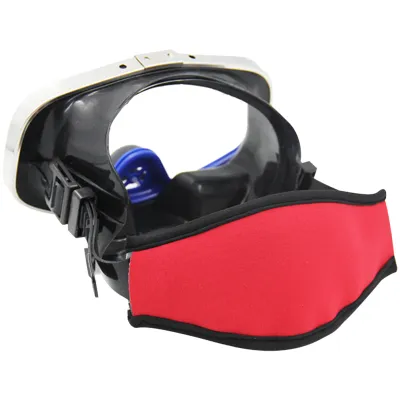
If you have fine, thick, or chemically treated hair, bare silicone can be exceptionally slippery and prone to tangling. An excellent way to solve this is by adding a neoprene mask strap cover. These covers are fabric sleeves that slide over your existing silicone strap, providing a wide, textured surface that grips your hair much better than raw silicone.
Neoprene covers also distribute the strap’s tension across a larger surface area, reducing localized pressure points and preventing the strap from pulling or tangling your hair. They are inexpensive, widely available at local dive shops in Singapore, and can be easily installed by threading the silicone strap through the center of the sleeve.
Another highly effective accessory is a Y-strap splitter. This design splits the single back strap into two separate bands that run parallel to each other. By positioning one band above the crown of your head and the other below it, you anchor the mask from two different angles. This dual-band configuration distributes the physical load evenly and prevents the mask from shifting during active movement or when swimming against a current.
When to Replace Your Mask Strap or Snorkel Mask
While maintenance and adjustments can solve most slippage issues, there comes a point where the materials have degraded beyond repair. Knowing when to replace your strap—or the entire mask—is essential for avoiding gear failure while you are in the water.
Inspect your diving mask strap regularly for visual and tactile signs of permanent wear. Look closely for micro-tears, deep cracks, or discoloration along the edges of the silicone, especially near the adjustment ridges. If you notice any cracks, replace the strap immediately; silicone tears propagate rapidly under tension, and a cracked strap is highly likely to snap completely during a dive.
Check the condition of the adjustment buckles as well. Over time, the plastic teeth inside the buckles can wear down, round off, or chip, preventing them from gripping the ridges of the strap. If you find that the strap holds tension when dry but slowly slips through the buckle when you enter the water, the buckle mechanism itself is likely worn out or damaged.
It is also important to evaluate the mask skirt. If the skirt has become warped or deformed from being stored improperly, it will no longer sit flush against your face. A warped skirt will constantly lift off your skin, creating a levering effect that pulls on the strap and makes it feel as though the strap is slipping. If the skirt is permanently deformed, cleaning or replacing the strap will not resolve the leaks, and you will need to replace the entire mask.
When sourcing a replacement strap, always look for compatible parts from the manufacturer’s official website, authorized brand stores, or a reputable local dive shop. Bring your mask to the shop if possible to ensure the replacement strap’s width and buckle attachment pins match your specific model. Forcing a generic, mismatched strap into a buckle can damage the frame or cause the strap to fail under water pressure.
Daily Maintenance to Prevent Future Slippage
Taking proper care of your diving gear after every session is the most effective way to preserve the elasticity and grip of your mask strap. A simple, consistent post-dive routine will extend the lifespan of your equipment and ensure it performs reliably on your next underwater adventure.
Always rinse your mask thoroughly in clean, fresh water immediately after use. This step is critical for removing salt crystals, sand, and chlorine, which can get trapped inside the buckle mechanisms and wear down the moving parts. If left to dry, salt crystals will form sharp, abrasive edges that can micro-abrasion the silicone strap, accelerating its degradation.
After rinsing, dry your mask in a well-ventilated, shaded area. Avoid leaving your gear in direct tropical sunlight, as the intense UV rays will rapidly break down the silicone, causing it to harden and lose its flexibility. Never use a hair dryer or other heat sources to speed up the drying process, as excessive heat can warp the mask frame and ruin the skirt’s seal.
Finally, store your mask in a rigid protective case rather than tossing it loose into a gear bag. Storing the mask flat and protected prevents the strap and skirt from being bent, crushed, or folded out of shape by heavier equipment. Maintaining the strap’s flat, natural resting shape ensures it retains even tension and holds its grip perfectly the next time you head out into the water.
Frequently Asked Questions (FAQ)
Can I use a swim cap to stop my mask strap from slipping?
Yes, wearing a swim cap is an excellent and highly effective way to prevent your mask strap from slipping. A silicone or latex swim cap provides a uniform, high-friction surface that grips the mask strap much better than natural hair, especially if your hair is fine, thick, or treated with oils. Additionally, a swim cap protects your hair from the drying effects of salt water and chlorine, while preventing the mask strap from tangling or pulling your hair during your dive.
Does a tighter strap prevent mask leaks?
No, tightening your mask strap excessively does not prevent leaks and will usually make them worse. A diving mask relies on the soft, flexible silicone skirt to create a natural, watertight seal by conforming to the unique contours of your face. When you over-tighten the strap, you apply too much pressure, which causes the thin edges of the skirt to fold, buckle, or warp, creating gaps that allow water to enter. For the best seal, adjust the strap so it is just snug enough to hold the mask in place without shifting, allowing the water pressure to gently press the skirt against your face.

Community discussion
Share your experience or ask a question. Comments are reviewed before publication.