
Yes, a Kingsmith treadmill or walking pad can absolutely fit into a typical Singapore HDB flat, thanks to the brand’s signature double-fold technology and ultra-slim profiles. Unlike traditional, bulky commercial treadmills that dominate entire rooms, these compact machines are designed specifically for urban apartments where floor space is at a premium. However, successful integration depends on matching the specific model to your flat’s layout, ensuring safe operational clearances, and managing noise to maintain peace with your downstairs neighbours.
While the prospect of working out from the comfort of your living room is highly appealing, you must carefully evaluate your available space before making a purchase. A treadmill that looks compact on a screen can feel surprisingly large once unfolded in a cozy bedroom. By understanding your flat’s physical boundaries and planning your layout systematically, you can enjoy a seamless home workout experience without compromising your daily living space.
Understanding HDB Space Constraints for Cardio Equipment
Evaluating the spatial limitations of your HDB flat is the crucial first step before choosing any fitness equipment. Typical Singapore public housing layouts—ranging from compact 3-room flats to more generous 4-room and 5-room units—present unique spatial challenges. While older flats often feature slightly larger individual bedrooms, modern Build-To-Order (BTO) flats are characterized by highly optimized, compact rooms where every square meter counts. Consequently, setting up a dedicated, permanent workout zone can be difficult, requiring you to think creatively about multi-functional spaces.
Products mentioned in this guide
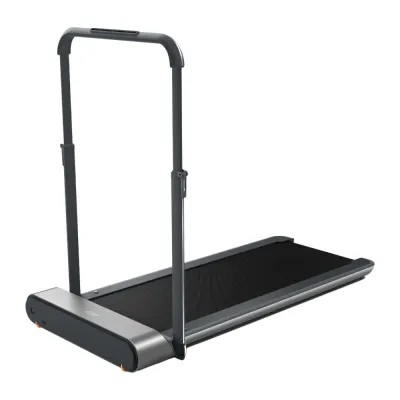
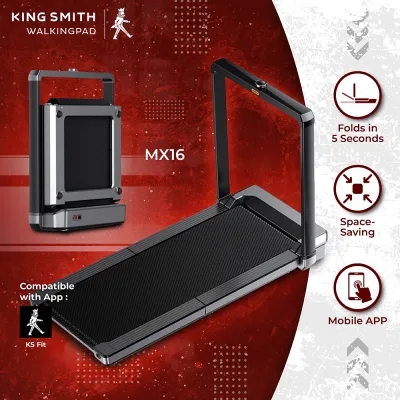
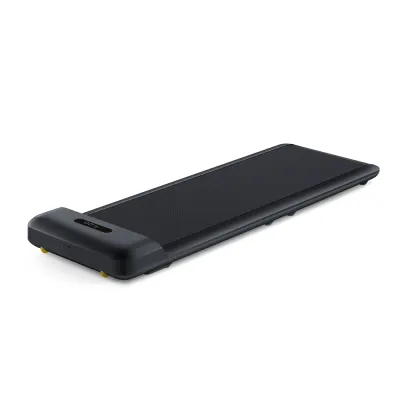
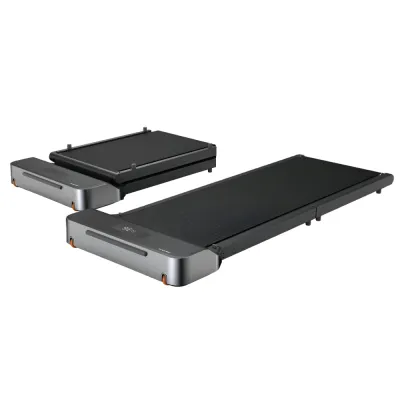
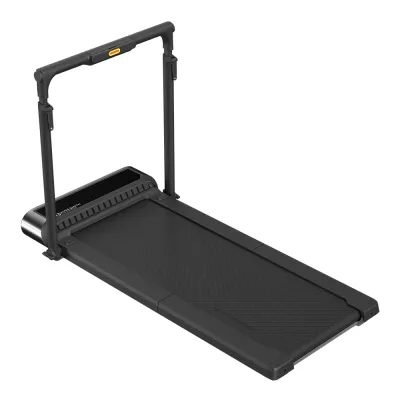
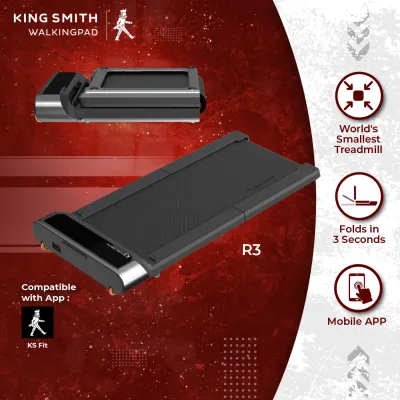
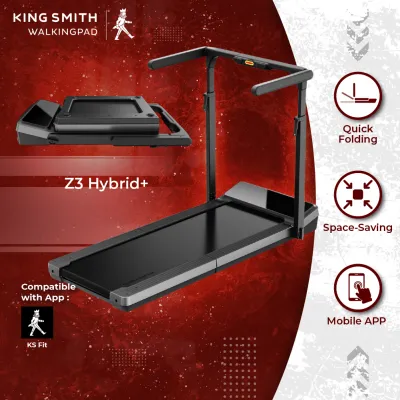
Prices are valid at publication and may change. Please refer to the product page for the latest price.
When planning your layout, you must distinguish between the gross floor area of a room and its actual usable floor space. Built-in furniture, such as floor-to-ceiling wardrobes, custom TV consoles, platform beds, and dining sets, permanently reduces the available open floor area. Before purchasing a treadmill, map out your existing furniture to identify clear, unobstructed zones. A common mistake is assuming a room has plenty of space, only to find that opening a wardrobe door or pulling out a study chair completely blocks the area intended for your workout equipment.
Logistical constraints during delivery and setup also require careful consideration. You must verify whether a fully assembled machine can physically navigate the journey from the delivery truck to your room. Measure the width of your HDB corridor, the dimensions of the passenger lift, and the clearance of your bedroom door frames, which typically measure between 80 to 90 centimetres. Fortunately, many compact Kingsmith models are shipped in flat, highly manageable boxes, making them significantly easier to transport through tight hallway turns than traditional, non-folding fitness equipment.
Kingsmith Treadmill and Walking Pad Dimensions: What to Measure
To choose the right equipment, you must understand the physical differences between a traditional treadmill and a compact walking pad. Traditional treadmills, including some of the robust Kingsmith running models, feature upright handrails, digital consoles, and sometimes mechanical incline features that require a larger permanent footprint. Walking pads, on the other hand, are designed for lower-speed walking or jogging; they are often entirely flat, handrail-free, or feature a simple, fold-down safety bar, making them incredibly low-profile and easy to slide away when not in use.

Before finalizing your purchase, consult the manufacturer’s specification sheet to compare two critical sets of measurements: the unfolded operational footprint and the folded storage dimensions. The operational footprint tells you exactly how much flat floor space the machine requires while you are actively using it. The folded dimensions indicate the height, width, and depth of the unit when it is fully collapsed, which is essential for determining whether it can fit into your designated storage spot, such as under a sofa or inside a utility closet.
Safety clearances are paramount when operating any motorized cardio equipment in a home environment. You must leave adequate clear space around the machine to prevent serious injuries in the event of a slip or fall. The most critical measurement is the rear clearance: always maintain at least 1.0 to 1.5 meters of completely unobstructed space behind the treadmill belt. If you lose your balance, a clear landing zone behind the machine prevents you from being trapped or thrown against a wall or piece of furniture while the belt is still moving.
In addition to rear clearance, you must plan for side and overhead clearances. Leave at least 0.5 meters of clear space on both sides of the machine to allow for natural arm swing, easy mounting, and quick access to the emergency stop switch. For overhead clearance, calculate your height combined with the deck height of the treadmill. While walking pads sit very low to the ground, some treadmill decks are elevated by 10 to 15 centimetres; in standard HDB flats with a ceiling height of approximately 2.6 meters, taller users must ensure they have comfortable head clearance, especially if a ceiling fan is spinning nearby.
Finally, map out the routing of the power cord before starting your workout. Motorized fitness equipment draws a significant amount of electrical current, meaning you should plug the machine directly into a grounded wall outlet rather than using extension cords or multi-way adapters, which can pose electrical fire hazards. Ensure the power cord lies flat along the floor and does not cross major walkways where it could become a tripping hazard for other household members.
Best Layout Spots in an HDB Flat for Your Equipment
Finding the perfect location for your fitness equipment involves balancing convenience, ventilation, and household harmony. Different areas of an HDB flat offer distinct advantages and drawbacks that will directly affect your workout consistency and daily comfort.
Living Room or Dining Area
The living room is often the most popular choice for home workouts because it typically offers the largest open floor area in an HDB flat. This spaciousness provides excellent natural ventilation and allows you to position the machine within view of the television, making longer workout sessions much more engaging. Additionally, placing your equipment in a shared family space makes it highly accessible, encouraging regular use by multiple household members.
However, keeping a treadmill in the living room can disrupt the visual aesthetics of your home and interfere with daily household traffic. To prevent the machine from becoming an eyesore or a physical obstacle, place it parallel to an empty wall or behind a sofa set. Ensure that the unfolded machine does not block natural light from windows or obstruct the direct airflow path of your air conditioning unit, as maintaining a cool environment is essential for comfortable indoor workouts.
Bedroom or Study Room
Placing your equipment in a spare bedroom or study room offers maximum privacy, allowing you to exercise without interrupting the rest of the household. This setup is ideal for individuals who prefer working out in a quiet, focused environment or those who frequently take work calls while walking. It also allows you to leave the machine set up for longer periods without cluttering the main communal areas of the flat.
On the down side, standard HDB bedrooms can feel exceptionally cramped once a bed and wardrobe are factored in. Enclosed rooms also suffer from poor natural air circulation, which can lead to rapid heat buildup and high humidity during intense workouts. To mitigate this, ensure the room has a window that can be opened wide, and position a standing fan nearby to promote active heat dissipation and keep your body cool.
Balcony or Service Yard
Using a balcony or service yard keeps your indoor living spaces entirely free of fitness clutter while providing a refreshing, semi-outdoor workout experience with plenty of natural breeze. For homes with limited indoor floor space, utilizing these transitional areas can seem like the perfect space-saving compromise.
However, Singapore’s tropical climate poses severe risks to outdoor electrical appliances. Direct sunlight can degrade plastic components, while high humidity and sudden rain splashes can easily penetrate the motor housing, causing short circuits, rust, and permanent damage that will void your manufacturer’s warranty. You should only consider utilizing a balcony if the space is fully enclosed with heavy-duty weatherproof zip blinds or glass windows, completely shielded from moisture, and equipped with a safe, professionally installed indoor-grade power outlet.
Noise, Vibration, and Downstairs Neighbours
In high-density HDB living, managing noise and vibration is essential for maintaining good relations with your neighbours. The concrete floor slabs used in HDB construction are highly efficient conductors of structural noise. When you run or walk on a treadmill, the impact of your feet creates low-frequency vibrations that travel directly through the floor, resulting in a loud, rhythmic thumping sound in the unit directly below yours.
To effectively minimize this impact noise, you must use a high-density, shock-absorbing treadmill mat. Standard yoga mats are far too thin and soft; they will compress completely under the weight of the machine, offering zero vibration dampening. Look for a dedicated fitness equipment mat made of dense rubber or thick PVC (ideally 6mm to 10mm thick) that extends well beyond the physical footprint of your machine to absorb both motor vibrations and footfall impacts.
When choosing your Kingsmith model, pay close attention to the motor type and noise specifications. Brushless motors generally operate much more quietly and smoothly than traditional brushed motors, making them highly preferable for apartment settings. Additionally, walking pads operating at lower speeds (under 6 km/h) produce significantly less impact noise than running treadmills, making them a much safer choice for late-night or early-morning exercise sessions.
Practicing basic community etiquette will go a long way in preventing neighbor disputes. Avoid high-intensity running sessions during designated quiet hours, which are generally observed in Singapore between 10:30 PM and 7:00 AM. If you must exercise during these times, limit your machine to low-speed walking modes, ensure your shock-absorbing mat is properly positioned, and keep windows closed if you are playing music or watching television to prevent airborne noise from carrying across the estate.
Storage and Folding Solutions for Small Spaces
One of the primary advantages of Kingsmith equipment is the innovative folding design, which allows you to reclaim valuable floor space when your workout is complete. Understanding how to properly utilize these storage features will help you maintain a clean, clutter-free home.
Many models feature a patented 180-degree folding mechanism, allowing the running deck to fold back over itself, effectively halving the machine’s length. When folding your device, always refer to the manufacturer’s instructions to ensure the locking mechanisms are fully engaged. Never attempt to fold or unfold the machine while it is plugged in, and always ensure the power switch is turned off to prevent accidental activation.
For ultra-slim walking pads, under-furniture storage is an incredibly convenient option. You can easily slide the folded unit under a bed frame, sofa, or television console. Before purchasing, measure the vertical clearance height beneath your furniture; most slim walking pads require a clearance of at least 15 to 20 centimetres. Ensure the storage area is clean, dry, and free of heavy dust buildup, which can clog the machine’s motor ventilation vents over time.
If you prefer vertical storage, some models are designed to stand upright against a wall or inside a utility closet. Always verify that your specific model is officially rated for self-standing vertical storage. If it is, ensure the built-in locking pins are securely in place to prevent the machine from tipping over. Never lean a non-vertical-rated machine loosely against a wall, as it can easily slip, posing a serious safety hazard to children, pets, and your home’s interior walls.
To move your equipment between your workout spot and its storage location, always utilize the built-in transport wheels located on the base of the machine. Lift the unit from the designated handling point and roll it gently across the floor. Take extra care when rolling the machine over delicate flooring materials, such as vinyl, laminate, or parquet; ensure the wheels are clean and free of trapped debris to avoid scratching or scuffing your beautiful HDB floors.
Common Space Planning Mistakes to Avoid
Avoiding common space planning errors can save you from costly returns, damaged flooring, or potential safety hazards. The most frequent mistake is measuring only the static base of the machine while ignoring your own body’s dynamic movement. When running or walking, your stride length increases, and your arms swing outward; you must account for this extra spatial bubble to ensure you do not repeatedly strike nearby walls or furniture while exercising.
Another critical mistake is placing your equipment in a location that blocks essential household pathways or emergency escape routes. Never position a treadmill where it obstructs access to main corridors, bedroom doors, windows, or your home’s main electrical DB box. In an emergency, every second counts, and a bulky piece of fitness equipment blocking a doorway can become a life-threatening obstacle.
Lastly, do not overlook the weight capacity of your equipment relative to the user’s weight, and protect your floors from long-term damage. Heavy motorized machines left in a single spot for extended periods can cause permanent indentations on soft flooring materials, such as vinyl or linoleum. Always place a protective mat under the machine to distribute the weight evenly, and periodically inspect the floor underneath to ensure no moisture or dust has accumulated, which can damage both your flooring and the treadmill’s internal components.
Frequently Asked Questions (FAQ)
Do I need a special floor mat for a Kingsmith treadmill in an HDB?
Yes, a dedicated, high-density treadmill mat is highly recommended for any HDB home gym setup. Standard yoga mats are designed for bodyweight exercises and are far too thin to withstand the weight and mechanical movement of a treadmill. A proper fitness mat, made of dense rubber or heavy-duty PVC, protects your HDB vinyl, parquet, or homogenous tiles from permanent scratches and pressure marks. Furthermore, it plays a vital role in absorbing low-frequency motor vibrations and footfall impacts, significantly reducing the structural noise that travels through the concrete floor to your downstairs neighbours.
Can I keep my walking pad outside on the HDB balcony?
Generally, it is not advisable to store or operate your walking pad on an open HDB balcony. Singapore’s tropical climate—characterized by extreme humidity, intense direct sunlight, and sudden, heavy rainstorms—poses a severe threat to the delicate electronic components, wiring, and motor of the machine. Moisture exposure can easily lead to electrical short circuits, rapid rust formation, and premature mechanical failure, which will void the manufacturer’s warranty. You should only consider keeping your equipment on a balcony if the space is completely enclosed with professional, weatherproof glass windows or zip blinds, remains entirely dry and climate-controlled, and is shielded from direct sunlight.
Community discussion
Share your experience or ask a question. Comments are reviewed before publication.