
Whether a Kingsmith walking pad or compact treadmill can physically fit and be stored in your HDB flat is a crucial question for many Singapore homeowners. High-density living in 3-room, 4-room, or 5-room Build-To-Order (BTO) flats requires careful spatial planning, especially when introducing fitness equipment into shared spaces. Fortunately, Kingsmith machines are designed specifically with space constraints in mind, featuring folding mechanisms that reduce their footprint when not in use. However, ensuring a seamless fit requires looking beyond marketing images and assessing your specific room layout, safety zones, and storage capabilities.
To make an informed decision, you must evaluate the physical dimensions of the machine against your available floor space, ceiling height, and entry paths. Additionally, living in an HDB flat means considering your neighbors, as noise and vibration can easily transfer through concrete floor slabs. By understanding how to measure your home accurately and choosing the right storage strategy, you can enjoy the convenience of indoor cardio without cluttering your living space or disrupting your household.
Understanding Kingsmith Walking Pad Dimensions
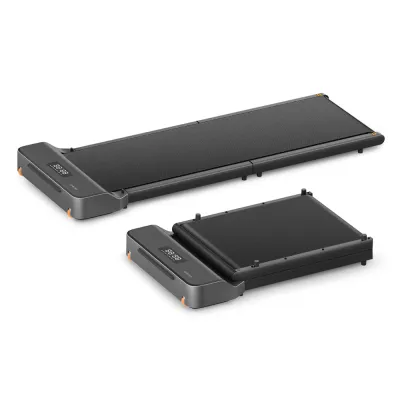
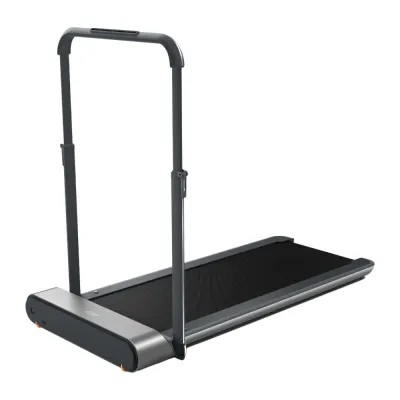
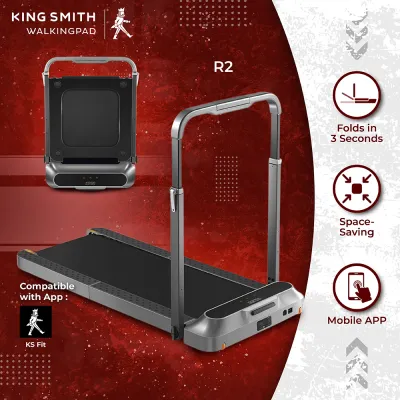
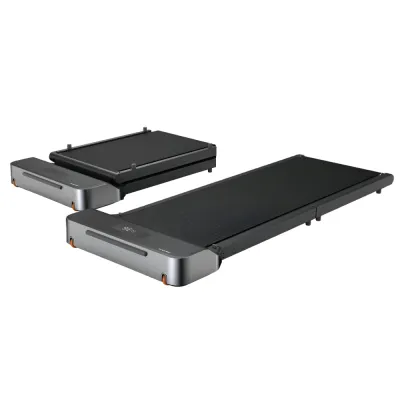
Kingsmith offers two primary form factors designed for home use: ultra-slim walking pads and compact folding treadmills. Walking pads, such as the C-series or A-series, are low-profile machines designed primarily for walking or light jogging, often featuring a handrail-free design or a simple, fold-down bar. Compact folding treadmills, such as the R-series or X-series, are built with sturdier frames, higher speed capacities, and integrated handrails that house digital displays. Understanding these structural differences is the first step in determining which model aligns with your spatial limitations.
Products mentioned in this guide
Prices are valid at publication and may change. Please refer to the product page for the latest price.
When researching models, always check the manufacturer’s official specifications for both the unfolded (active) and folded (storage) states. Marketing materials frequently highlight the slimmest folded profile, which can mislead buyers who do not account for the fully extended length of the running deck during a workout. A machine that appears highly compact in a promotional photo may still require a significant amount of open floor space when unfolded for daily use.
Folded thickness and overall folded length are the two most critical dimensions for storage planning. The folded thickness determines whether the machine can slide under a standard bed frame, sofa, or TV console, while the folded length dictates whether it can stand vertically in a narrow utility closet or behind a door. These dimensions vary across the product lineup, so you must verify the exact measurements of your preferred model rather than assuming all folding pads are identical.
Do not overlook the physical weight of the machine when planning your setup. While these devices are designed to be portable, many models weigh between 22 kg and 40 kg. Lifting, pivoting, and moving this amount of weight requires reasonable physical strength, especially if you plan to transition the machine between vertical storage and active use multiple times a week. If you live alone or have physical limitations, a lighter, walking-only model may be much easier to manage than a heavier, high-speed treadmill.
Measuring Your HDB Space for Daily Use
To calculate the true active footprint of a walking pad in your HDB flat, you must add the machine’s physical length and width to the necessary safety clearances. Safety guidelines generally recommend leaving at least 0.5 meters of clear space on both sides of the running belt to allow for natural arm swing and safe mounting or dismounting. More importantly, you should maintain a minimum of 1 to 1.5 meters of unobstructed space directly behind the rear of the machine to serve as a safety fall zone in case of a slip or sudden stop.

Assess your room’s layout and daily traffic flow before finalizing where to place the machine. The active footprint should not block primary walkways, access to your household shelter, or the swing path of bedroom and toilet doors. If you plan to place the walking pad in your living room, ensure it does not restrict access to balcony sliding doors or interfere with the natural airflow from your air-conditioning units and wall-mounted fans.
Evaluate your ceiling height and overhead clearance, particularly if you are considering a treadmill model with an elevated handrail or if you are taller than average. While standard HDB ceiling heights are typically around 2.6 meters, the addition of low-hanging light fixtures, decorative false ceilings, or rotating ceiling fans can significantly reduce your safe overhead space. Stand in your planned workout spot and ensure that your head will remain a safe distance from any ceiling installations when you are elevated on the running deck.
Positioning the machine near a dedicated power outlet is essential for safety and electrical stability. Avoid running long extension cords across high-traffic walkways, as they present a severe tripping hazard in compact HDB layouts. Furthermore, motorized fitness equipment draws a consistent electrical load, so plugging the machine directly into a wall socket is highly recommended to prevent potential voltage drops or circuit overloads.
Smart Storage Solutions for Compact HDB Layouts
Under-furniture storage is one of the most effective ways to keep your walking pad out of sight in a small apartment. Measure the clearance height of your sofa legs, bed frame, or TV console, and compare it to the folded thickness of your chosen Kingsmith model. Ensure there is a clearance margin of at least 2 to 3 centimeters above the machine to prevent scraping the outer casing or damaging your furniture when sliding the unit in and out.
Vertical and corner storage is an excellent alternative if your furniture sits too low to the ground. Many Kingsmith models are engineered with a patented double-folding mechanism that allows them to stand upright at a 90-degree angle. Before storing your machine vertically, verify in the user manual whether your specific model is designed to stand unassisted or if it requires a wall-leaning precaution. If it must lean, choose a secure corner away from household traffic, and consider using a safety strap to prevent the machine from tipping over, especially in households with young children or active pets.
Navigating Tight Spaces and Protection
- Utilize Transport Wheels: Most models come equipped with small wheels at the base. Lift the lighter end of the folded machine to engage the wheels, then slowly roll and pivot the unit through narrow HDB corridors and bedroom doors to avoid scuffing your walls or door frames.
- Apply Dust Covers: If you store your walking pad in a utility closet, household shelter, or a sheltered balcony space, use a dedicated storage cover. This protects the delicate internal motor components, electronics, and running belt from accumulating dust, lint, and pet hair.
- Manage Humidity: Singapore's high ambient humidity can affect electronic components over time. If storing the machine in a semi-outdoor area like a service yard, ensure it is fully shielded from driving rain and direct sunlight to prevent premature wear or rust.
HDB-Specific Considerations: Noise, Vibration, and Safety
In high-density HDB blocks, structure-borne noise and vibrations from footstrikes travel easily through concrete floor slabs, potentially disturbing neighbors living directly below you. Even if the motor hum of your walking pad is relatively quiet, the physical impact of your steps can create a low-frequency thudding sound that amplifies as it travels through the building’s structure. This is particularly noticeable during early morning or late-night workouts when ambient neighborhood noise is low.
To mitigate vibration and noise transfer, place a high-density, shock-absorbing rubber mat underneath the entire length of the walking pad. A specialized treadmill mat helps dampen the impact energy of your footsteps before it reaches the concrete floor. When selecting a mat, verify its thickness; a mat that is too thick or plush may compress unevenly under the machine’s weight, which can cause the running belt to rub against the floor or compromise the stability of the folding mechanism.
Thermal management is another critical factor to consider during Singapore’s warmer months. Motorized fitness equipment generates heat during operation, and operating the machine in a small, non-air-conditioned room can cause the motor to warm up quickly. Ensure there is adequate open space around the front motor housing to allow for proper heat dissipation, and avoid running the machine continuously for periods that exceed the manufacturer’s recommended single-use limits.
Protecting your flooring from long-term cosmetic damage is also important. The concentrated weight of a walking pad, combined with the dynamic movement of a user, can leave permanent indentations or scuff marks on vinyl luxury tiles, laminate flooring, or traditional parquet. Using a protective mat not only dampens noise but also acts as a crucial barrier that preserves the condition of your floor, which is especially important if you are renting your HDB flat.
Common Space-Measuring Mistakes to Avoid
A frequent mistake buyers make is failing to measure the entry path leading into their flat and the target room. Even if a walking pad fits perfectly in your living room, you must ensure the boxed package can navigate the HDB lift lobby, the main front door, and any narrow internal corridors or bedroom doors during delivery. Check the shipping dimensions of the box, as packaging is always larger than the machine itself, and ensure you have a clear path for assembly.
Another common error is ignoring the rear safety clearance and placing the machine flush against a concrete wall, glass window, or heavy wardrobe. If you lose your footing or the belt speeds up unexpectedly, a lack of rear clearance can trap you against the moving belt and the wall, leading to friction burns or impact injuries. Always prioritize physical safety over aesthetic placement by maintaining the recommended rear safety zone.
Key Verification Checks Before First Use
- Confirm Vertical Storage Compatibility: Do not assume all folding fitness machines can stand upright. Forcing a model designed only for flat storage into a vertical position can cause structural damage or strain the folding hinges.
- Verify Power Cord Length: Check the length of the built-in power cable relative to your outlet. If the cord is too short, rearrange your furniture rather than relying on standard domestic extension blocks, which may not support the electrical draw.
- Test Folding Hinges: Before your first workout, practice folding and unfolding the machine in a clear space to familiarize yourself with the locking mechanisms and ensure no cables are pinched in the joints.
- Inspect Floor Levelness: HDB floors can sometimes have minor slopes or uneven tiles. Ensure the walking pad sits completely flat; use the adjustable leveling feet on the underside of the machine to prevent rocking during use.
Community discussion
Share your experience or ask a question. Comments are reviewed before publication.