
Yes, a Kingsmith walking pad can fit comfortably in a typical Singapore HDB flat, but success depends on matching the specific model’s folded and unfolded dimensions to your available floor space, storage clearance, and delivery pathways. Because HDB bedrooms and living rooms often have tight layouts, you must measure your space and plan for safe clearance margins before purchasing.
Quick Space Assessment: Is a Walking Pad Viable for Your Room?
Before committing to a purchase, you need to evaluate two distinct footprints: the operational footprint when the machine is unfolded and running, and the storage footprint when it is folded away. Many compact cardio machines are marketed as space-saving, but their actual physical impact on a room changes dramatically depending on whether they are in use or stored. A model that seems perfectly compact when folded upright against a wall might block essential walkways once fully extended on the floor.
To get accurate dimensions, avoid relying on general category averages or third-party estimates. Always check the exact model specifications listed on the manufacturer’s official product label or official website, as even minor variations in model generations can affect the length, width, and height. This is especially true for newer BTO flats, where bedroom floor areas are often more constrained than those in older HDB estates.
Products mentioned in this guide
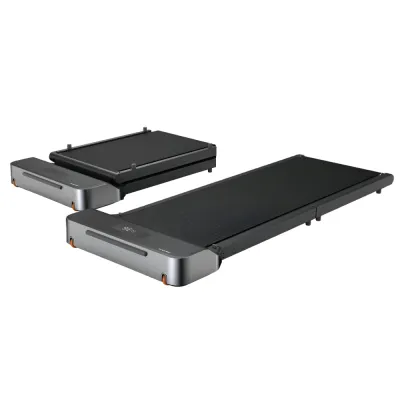
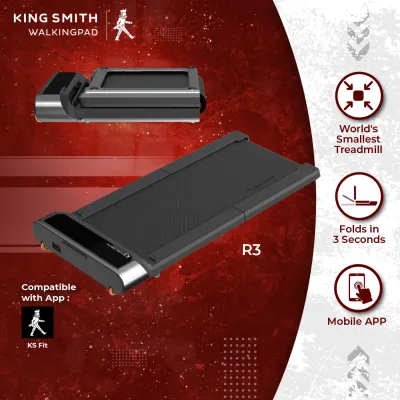
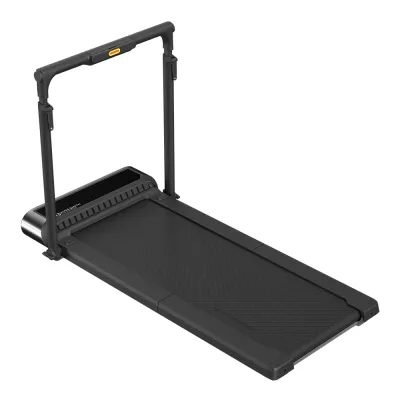
Prices are valid at publication and may change. Please refer to the product page for the latest price.
You must also account for safety clearance margins around the machine. Operating a walking pad flush against a wall or furniture increases the risk of injury during a fall or an emergency stop. Plan for a clear zone behind the belt and on both sides to ensure you can safely mount and dismount the equipment without obstruction.
Measuring Your Floor Space for Safe Daily Operation
Start by mapping out your intended workout zone using a physical measuring tape rather than estimating by eye. Measure the total length and width of the floor area, making sure to account for existing furniture like wardrobes, study desks, and bed frames. Remember to factor in the swing radius of bedroom doors or wardrobe doors that might need to open while the machine is set up.

Overhead clearance is another critical factor, particularly if you are considering a model equipped with an upright handlebar or a console. While standard HDB ceiling heights are generally sufficient for walking, you must verify that your height plus the deck height of the machine does not bring you uncomfortably close to ceiling fans, light fixtures, or low-hanging air conditioning units. If you plan to jog or run on a model that supports higher speeds, the vertical bounce of your stride makes this overhead check even more vital.
To maintain a safe environment, ensure there are clear entry and exit paths on at least two sides of the walking pad. In compact HDB bedrooms, squeezing a machine into a narrow gap between the bed and the wall can create a tripping hazard. Keeping these pathways open allows you to step off the belt quickly and safely if you lose your balance.
Finding the Right Storage Spot When Not in Use
The primary appeal of a folding walking pad is its ability to disappear when your workout is finished. If you plan to slide the unit under a bed or a sofa, you must measure the vertical clearance of your furniture frame. Compare this measurement directly against the manufacturer’s specified folded height, keeping in mind that floor rugs or uneven floorboards can reduce your actual clearance.
For models that support vertical standing, evaluate the stability of your chosen storage spot. Storing a heavy piece of fitness equipment upright requires a flat, level floor surface away from high-traffic areas where it could be accidentally knocked over. If the manufacturer recommends or provides wall anchors or dedicated safety stands for vertical storage, ensure you have the wall space to install them securely.
If you prefer to keep the machine in a utility closet or wardrobe, verify both the folded dimensions and the physical weight of the unit. Daily setup and teardown require you to lift and roll the machine regularly. Ensure the weight is manageable for your physical capability, and check that the built-in transport wheels roll smoothly on your specific flooring type without causing damage.
Navigating HDB Corridors and Doorways During Delivery
A common oversight when purchasing home fitness equipment is assuming the delivery team can easily bring the item into your room. Before placing your order, measure the narrowest points along the entire delivery route from the lift lobby to your designated room. This includes the main HDB gate, the front door frame, bedroom doorways, and any tight turns in your internal hallway.
The dimensions of the product in its shipping box are always larger than the unfolded or folded machine itself. Locate the packaged box dimensions on the retailer’s specification sheet and compare them against your entryway clearances. If your doorway is too narrow for the box, you may need to arrange with the delivery service to unbox the unit in a wider area, such as the lift lobby or living room, provided it is safe to do so.
Additionally, consider the logistics of moving the boxed unit between floors. While standard HDB passenger lifts can accommodate typical fitness equipment packages, you should verify that the weight and length of the box comply with your building’s elevator limits. Planning these details in advance prevents delivery delays or unexpected handling fees.
Managing Noise, Heat, and Floor Protection in HDBs
Living in high-density HDB housing means your daily activities can easily affect your neighbors. The mechanical hum of a walking pad motor combined with the repetitive impact of your footsteps can transmit vibrations through the concrete floor slab. Placing a high-quality, high-density anti-vibration mat beneath the machine is essential to dampen these sounds and protect your floor finishes from scratches or pressure marks.
Electrical safety is another crucial consideration for motorized cardio equipment. Walking pads draw a significant amount of power during operation, so you should plug the unit directly into a dedicated wall socket. Avoid daisy-chaining the machine with extension cords or multi-way adapters, which can overload the circuit and pose a fire hazard in older HDB electrical systems.
Finally, pay attention to the operating environment of the machine. Using a motorized walking pad in a small, enclosed bedroom with poor airflow can cause heat to build up around the motor housing. Ensure the room is well-ventilated, or use a fan to circulate air, which helps keep the motor operating within its safe temperature limits during longer walking sessions.
Frequently Asked Questions (FAQ)
Is an Anti-Vibration Mat Necessary for HDB Floors?
Yes, using an anti-vibration mat is highly recommended when operating a walking pad in an HDB flat. Without a protective barrier, the continuous impact of your feet and the vibration of the motor can create a low-frequency noise that travels easily to the unit below, potentially leading to neighbor disputes. Additionally, the weight and movement of the machine can cause permanent scuffs, scratches, or dents on sensitive flooring materials like vinyl, laminate, or polished tiles.
Will a Model with a Handlebar Fit Under the Bed?
Whether a model with a handlebar fits under your bed depends entirely on the design of the handlebar mechanism. Fixed upright handlebars generally prevent the machine from sliding under standard low-clearance bed frames. If you require under-bed storage, check the product manual to verify if the handlebar can fold completely flat, collapse into the frame, or be easily detached without tools before making your purchase.
Community discussion
Share your experience or ask a question. Comments are reviewed before publication.