
Fitting a Nicoo treadmill into a Singapore Housing & Development Board (HDB) flat is entirely possible, provided you plan around the equipment’s physical footprint and your home’s layout. Because HDB flats prioritize space efficiency, introducing a large piece of cardio equipment requires balancing physical dimensions with daily living comfort. By verifying your specific model’s measurements and mapping out safety clearances, you can enjoy convenient home workouts without overcrowding your living space.
Assessing Treadmill and Room Dimensions
Before purchasing or unboxing your Nicoo treadmill, you must verify its exact physical dimensions in both its active and folded states. Because product specifications can vary across different models and production years, always consult the manufacturer’s official manual or product label for the precise length, width, and height. A treadmill that looks compact in online photos can quickly overwhelm a standard bedroom or living room once fully deployed.
Measuring your intended workout space involves more than just mapping out a rectangle on the floor. You must measure the room’s total length and width, ensuring there is ample space to walk around the machine when it is in use. Additionally, measure your ceiling height and compare it against the combined height of the treadmill deck and the tallest user in your household. Standard HDB ceilings typically range from 2.6 to 2.8 metres, which usually provides sufficient clearance, but taller runners or those using a high incline setting must double-check these vertical limits to avoid head injuries.
Products mentioned in this guide
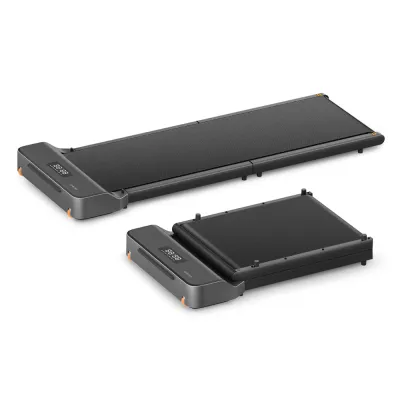
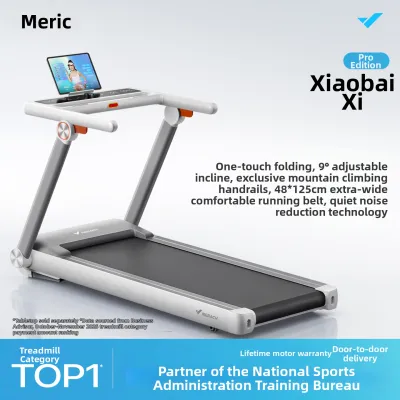
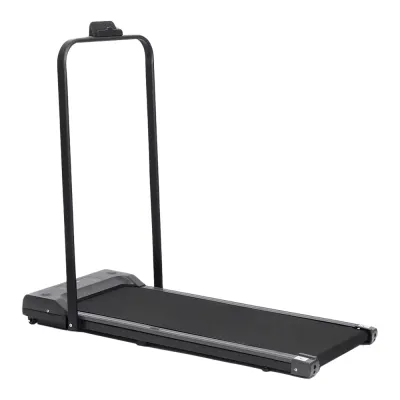
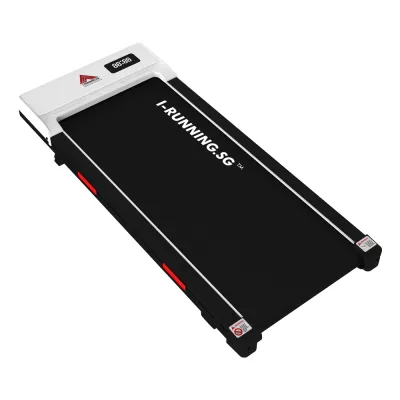
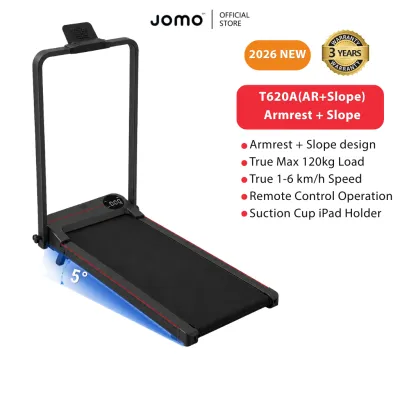
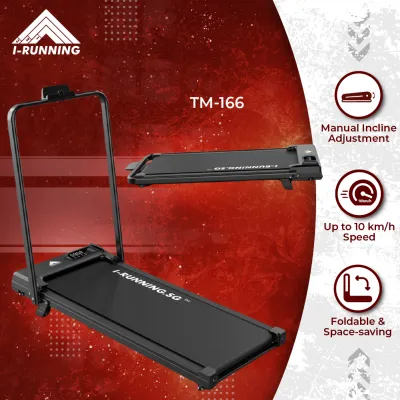
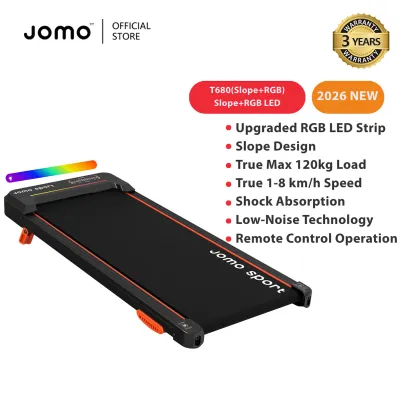
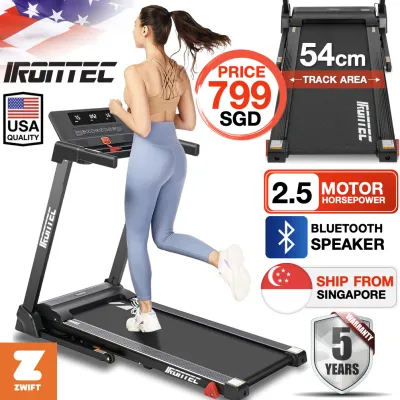
Prices are valid at publication and may change. Please refer to the product page for the latest price.
Your stride length also dictates how much functional space you need. A longer stride requires a longer running belt, which naturally increases the overall length of the treadmill frame. Ensure that your chosen room can accommodate this extended footprint without forcing the machine flush against a wall, which restricts airflow and limits your movement.
Finally, plan the delivery route from the lift lobby to the final setup spot. Measure the clear width of your HDB main gate, main door, bedroom doors, and any narrow corridors or tight corners along the way. Some treadmill frames do not disassemble completely, meaning a narrow doorway can block installation even if the room itself is large enough. Checking these entry points beforehand prevents delivery-day complications and potential damage to your walls or the equipment.
Ideal Placement Zones in an HDB Flat
Finding the right spot for your treadmill requires balancing workout convenience with the daily flow of your household. The living room is a popular choice because it is typically the largest area in an HDB flat, offering excellent ventilation and easy access to entertainment like a television. However, placing a treadmill in the living room means sharing the space with family members, which can lead to distractions or noise disruptions during communal hours.

A spare bedroom or a dedicated study offers a quieter, more private environment for focused training sessions. This setup allows you to leave the treadmill deployed without disrupting the aesthetic or functionality of your main living areas. The trade-off is that bedrooms in newer HDB flats are often compact, meaning the treadmill may leave little room for other furniture or restrict access to wardrobes and windows.
Regardless of the room you choose, prioritize natural ventilation and airflow. Singapore’s warm and humid climate makes indoor workouts sweaty, so placing the treadmill near a window or directly under a ceiling fan helps keep you cool. Be mindful of window positions, however; you want to avoid direct glare on the console screen while running, as this can make it difficult to read your workout metrics.
Safety must always dictate your layout choices. Never place the treadmill in a position that blocks primary walkways, emergency exit routes, or access to critical household utilities. In HDB flats, ensure the machine does not obstruct the electrical distribution board (DB box), household shelter doors, or the path to the kitchen and bathrooms. Keeping these areas clear ensures your home remains safe and compliant with local residential safety guidelines.
Crucial Safety and Practical Considerations
Operating a motorized treadmill safely in a high-rise apartment requires careful attention to electrical setups and structural safety. Always plug your treadmill directly into a dedicated wall socket rather than using extension cords or multi-way adapters. Treadmill motors draw significant electrical current during start-up and high-speed runs, and overloading a shared power strip can trigger your HDB flat’s circuit breaker or pose a fire hazard. Route the power cable flat along the floor, away from foot traffic, and secure it with a cable protector to prevent tripping.
Impact noise and vibrations are common concerns when running in a high-rise building. Every footstrike sends vibrations through the treadmill frame and into the concrete floor slab, which can easily travel to the flat directly below you. To maintain good relations with your neighbors, place a high-quality, high-density anti-vibration rubber mat underneath the treadmill. This mat absorbs the impact energy, dampens the mechanical noise of the motor, and protects your vinyl, tile, or laminate flooring from scratches and pressure marks.
Proper clearance around the machine is essential for both mechanical longevity and personal safety. Leave at least 50 centimetres of open space on both sides of the treadmill and at least 1 to 1.5 metres of clear space behind the rear roller. This rear clearance is a critical safety buffer; if you lose your balance or slip while running, you need a clear zone to safely dismount or slide off the belt without colliding with a wall or furniture.
Additionally, ensure the front motor cover is not pushed flush against a wall or heavy drapes. The motor and internal electronics generate heat during operation, and restricting airflow around the ventilation grilles can cause the system to overheat, leading to premature motor failure or automatic safety shutdowns. Keeping the surrounding area clear allows heat to dissipate naturally, preserving the life of your equipment.
Space Optimization and Storage Tips
If you are working with limited floor space, choosing a folding Nicoo treadmill model allows you to reclaim your room when you are not exercising. Before attempting to fold or move the machine, always turn off the power switch, unplug the cable from the wall, and ensure the incline mechanism is set to its flat, zero-degree position. Familiarise yourself with the safe operation of the hydraulic folding system or manual locking pins, ensuring you hear the safety latch click firmly into place before letting go of the deck.
When storing the treadmill in its upright, folded position, verify its stability on your floor surface. Avoid placing the folded unit on thick, uneven carpets or slippery mats that could cause it to wobble. If you have young children or pets at home, store the folded treadmill in a low-traffic corner or a dedicated room where it cannot be accidentally bumped, pulled, or knocked over.
Singapore’s tropical climate presents unique challenges for indoor fitness equipment. High humidity levels can cause moisture to collect on sensitive electronic consoles and internal motor components, potentially leading to short circuits or rust. Avoid storing or using your treadmill in areas prone to high humidity, such as directly adjacent to a damp bathroom or laundry yard.
Direct sunlight is another factor that can degrade your equipment over time. Prolonged exposure to harsh UV rays through windows can fade and crack plastic console housings, dry out the running belt, and damage digital displays. Position your treadmill away from direct sunlight, or use curtains and blinds to shield the machine during the hottest hours of the day, ensuring your investment remains in peak working condition for years to come.
Frequently Asked Questions (FAQ)
Do I need to inform my HDB management or neighbors before installing a treadmill?
You do not need formal approval from the Housing & Development Board or your town council to install a standard, portable home treadmill, as it is classified as personal fitness equipment rather than a structural home renovation. However, practicing good neighborly etiquette is highly recommended in high-rise estates. Consider speaking with your immediate downstairs neighbors to let them know you are setting up a treadmill, and try to agree on mutually acceptable workout hours. Avoiding high-intensity runs during early mornings or late nights helps prevent noise disputes and fosters a harmonious living environment.
Can I place my Nicoo treadmill on a balcony or outdoor corridor?
Placing your treadmill on an open balcony or an outdoor corridor is highly discouraged and will likely void the manufacturer’s warranty. Singapore’s weather exposes outdoor areas to heavy rain splashes, high humidity, windblown dust, and direct sunlight, all of which can rapidly damage the motor, rust the steel frame, and short-circuit the electronic console. To protect your equipment and ensure safe operation, always install and store the treadmill in a fully enclosed, dry indoor room with adequate ventilation.
Community discussion
Share your experience or ask a question. Comments are reviewed before publication.