
Fitting an under desk treadmill into a Singapore HDB flat workspace is entirely possible, but it requires careful spatial planning and precise measurements. Because HDB bedrooms and study corners are highly optimized for space, you cannot rely on generic product descriptions or assume a standard model will fit your setup. To avoid a costly purchasing mistake, you must evaluate your existing desk dimensions, room layout, power access, and storage options before making a decision.
By taking a systematic approach to measuring your workspace and understanding the physical requirements of cardio equipment, you can create an active workstation that is both safe and functional. This guide outlines the essential steps to determine if an under desk treadmill is compatible with your home office.
Measuring Your Desk Clearance and Treadmill Dimensions
Before purchasing any walking equipment, you must verify the vertical and horizontal clearance of your current desk setup. Start by measuring the exact vertical distance from the floor to the lowest obstruction beneath your desk. This includes checking for low-hanging keyboard trays, structural crossbars, drawers, or manual crank handles that might reduce the usable height under the desktop.
Products mentioned in this guide
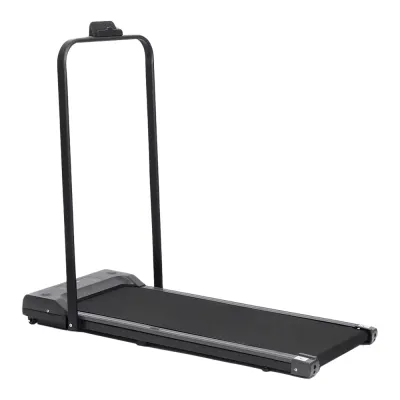
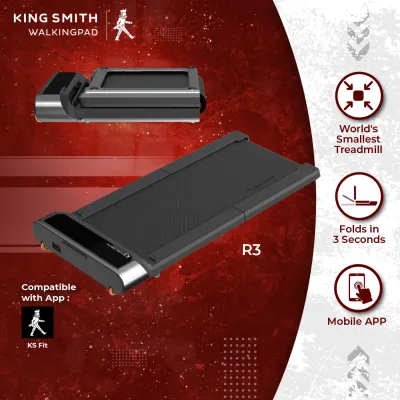
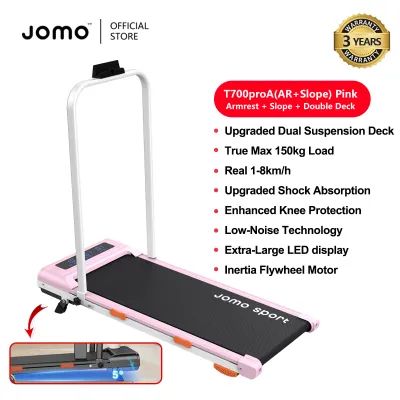
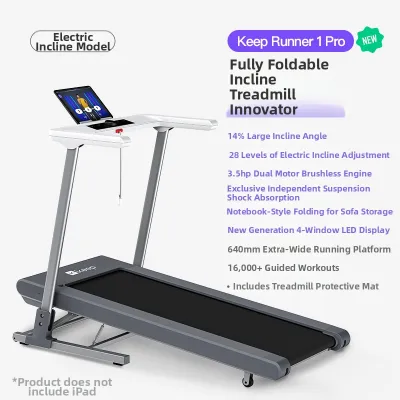
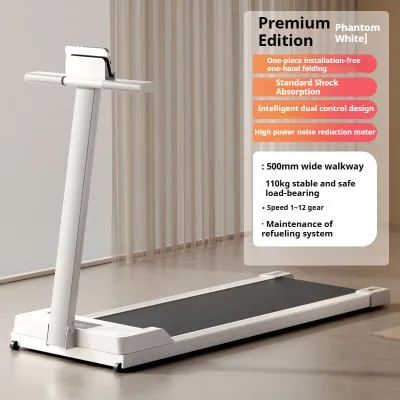
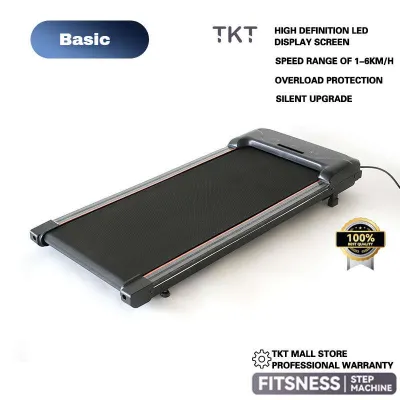
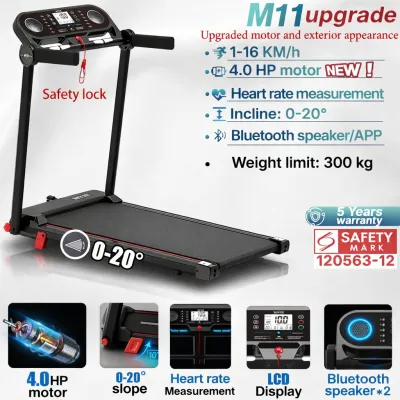
Prices are valid at publication and may change. Please refer to the product page for the latest price.
Next, look closely at the treadmill’s specifications, paying attention to the maximum height of the motor housing. The motor cover at the front of the machine is almost always taller than the walking belt deck itself. If this raised dome is higher than the clearance under your desk, you will not be able to slide the treadmill forward far enough to walk comfortably while typing.
Horizontal clearance is equally critical for safety and usability. Measure the distance between the inside edges of your desk legs and compare this to the total width of the treadmill frame. You should aim for a clearance buffer of at least five to ten centimeters on each side to prevent the machine from scraping against the desk legs during setup or operation.
Finally, consider your own height and physical size when planning your setup. Standing on a treadmill raises your head height by the thickness of the deck, which is typically between 10 and 15 centimeters. Verify that your head will not be uncomfortably close to ceiling fans, light fixtures, or low-hanging air conditioning units when you are standing on the active walking belt.
Evaluating Floor Space and Room Layout in Compact Rooms
An under desk treadmill requires more floor space than its physical dimensions suggest. You must calculate the total operational footprint, which includes the length of the treadmill plus the space required to safely step off the machine. For safety, manufacturers generally recommend leaving a clear zone of at least one meter behind the treadmill in case of sudden stops or loss of balance.

In a compact HDB bedroom or study, you must also plan for how you will transition between sitting and standing. If you plan to use an office chair when not walking, you need enough floor space to roll the chair completely off the treadmill deck. Map out where this chair will sit; it should not block wardrobe doors, bed access, or the main walkway of the room.
The visual weight of fitness equipment can also impact the feel of a small room. A bulky machine permanently placed in the middle of a study corner can make the workspace feel cramped and cluttered, which may negatively affect your focus. Choosing a model with a low profile and clean lines helps maintain a balanced, ergonomic environment.
Your individual walking style and body size should also dictate the treadmill size you choose. Taller users with longer strides require a longer walking belt to prevent their feet from slipping off the back of the deck. Ensure the model you select matches your stride length while still fitting within the physical boundaries of your room layout.
Managing Power, Cable Routing, and Noise in Shared Spaces
Proper electrical planning is essential for safety when operating motorized fitness equipment in a home office. Locate your nearest wall power outlet and measure the distance to the treadmill’s power entry point. Because treadmills draw significant electrical current, they should be plugged directly into a wall socket rather than a light-duty extension cord or multi-way adapter.
Cable management is vital to prevent tripping hazards and equipment damage. Use heavy-duty cable covers or routing ties to secure the power cord along the baseboards, keeping it completely clear of the moving walking belt and the rolling wheels of your office chair. Never run a power cord underneath the treadmill deck where friction could damage the insulation.
Living in a high-density HDB flat means noise and vibration can easily travel through the shared concrete floor to your family members or downstairs neighbors. The sound of the motor combined with the impact of your footsteps can create a low-frequency hum. To mitigate this, plan to place a high-density, shock-absorbing rubber mat beneath the treadmill to dampen vibrations.
Additionally, consider the noise level of the treadmill motor itself, especially if you plan to use it during virtual meetings or late at night. Look for models that specify low-decibel motor operation, and remember that walking at slower speeds generally produces less impact noise than walking at a brisk pace.
Storage and Multi-Use Solutions When Not in Use
If you do not have the luxury of a dedicated, permanent active workstation, you must plan for daily storage. Check the total weight of the treadmill and verify the design of its built-in transport wheels. Moving a machine that weighs 20 to 40 kilograms requires physical effort, so ensure you can comfortably lift and roll the unit before committing to daily transitions.
Vertical storage is an excellent space-saving option for compact flats, but it must be handled safely. If you plan to lean the treadmill against a wall or store it upright in a closet, verify that the manufacturer officially supports vertical storage. The unit must have secure locking mechanisms, stable feet, or safety straps to prevent it from tipping over and causing injury.
For horizontal storage, measure the clearance gap beneath your bed, sofa, or desk drawers. Compare this measurement to the folded or flat height of the treadmill. Storing the machine flat under existing furniture keeps it completely out of sight and preserves valuable floor space when your workday is over.
Keep in mind that the ease of storage directly affects how often you will use the equipment. If retrieving the treadmill from a tight storage space requires heavy lifting and complex setup, you are much less likely to use it regularly. Choose a storage solution that aligns with your physical capabilities and daily routine.
Common Space-Matching Mistakes to Avoid
One of the most common mistakes buyers make is measuring only the flat walking deck and overlooking the raised motor housing. This front dome is often several centimeters taller than the rest of the machine and can prevent the treadmill from sliding fully under a low desk frame or keyboard tray.
Another frequent error is assuming that all standing desks are universally compatible with under desk treadmills. Manual hand-crank desks or desks with low-set crossbars often have structural supports that block the path of the treadmill. Always verify the exact under-desk configuration of your specific furniture model rather than relying on generic compatibility claims.
Finally, do not underestimate the physical effort required to transition your workspace from sitting to walking multiple times a day. If you have to lift, roll, and realign a heavy machine every time you want to take a short walk, the treadmill may quickly become an expensive clothes rack. Be realistic about your physical strength and choose a lightweight or easily maneuverable model if you plan to move it frequently.
Frequently Asked Questions (FAQ)
Can I use an under desk treadmill on vinyl or laminate flooring?
Yes, but you should always use a protective barrier. The weight of the treadmill, combined with the friction of the walking belt and the impact of your steps, can cause scuff marks, indentations, or discoloration on vinyl and laminate floors. Placing a dedicated, non-slip fitness equipment mat under the treadmill protects your flooring, prevents the machine from sliding, and helps dampen operational noise.
Will the treadmill fit if my desk has a center support beam?
A center support beam or low crossbar significantly reduces the available vertical clearance under your desk. To determine if a treadmill will fit, measure the exact height from the floor to the bottom of the support beam. If the clearance is too low, you may need to position the treadmill so the taller motor housing sits in front of the beam, or look for an ultra-low-profile model. Alternatively, you can consider adjusting your desk placement or upgrading to a desk frame that does not utilize a low center crossbar.
Community discussion
Share your experience or ask a question. Comments are reviewed before publication.