
The Yesoul S3 is a popular choice for home fitness, but in the compact environment of an HDB flat, the biggest question is often about space. The short answer is yes, the Yesoul S3 can fit into a typical HDB home, but it requires careful planning beyond just the bike’s footprint. Success depends on accurately measuring your available space, accounting for the room needed to ride safely, and choosing a location that doesn’t disrupt your daily life.
This guide will walk you through how to measure your flat for the Yesoul S3, identify the best placement options, and manage common HDB-specific challenges like noise and heat. With the right approach, you can create a comfortable and effective workout zone without sacrificing your living space.
Comparing the Yesoul S3 Footprint with HDB Room Dimensions
Before you can decide where the bike goes, you need to confirm its exact size and ensure you can get it there. The first step is to find the official dimensions of the Yesoul S3—its length, width, and height. It’s critical to get this information directly from the official Yesoul product page or user manual, as specifications can sometimes be updated.
Products mentioned in this guide
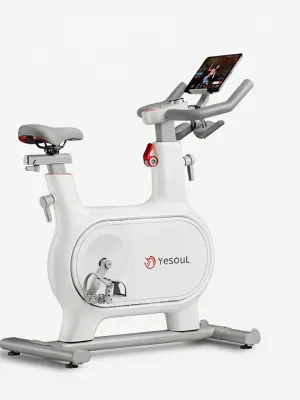
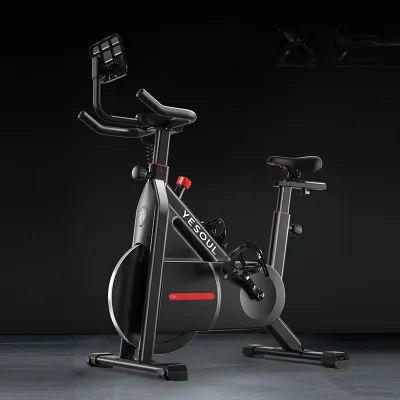
Prices are valid at publication and may change. Please refer to the product page for the latest price.
Once you have the numbers, measure your intended space. A common bedroom in a newer HDB flat is typically around 9 to 11 square metres, while master bedrooms and living rooms offer more flexibility. Compare the bike’s footprint to your measurements to see if it fits statically.
However, delivery is the first major hurdle. Measure the width of your doorways, narrow corridors, and building lift. The Yesoul S3 arrives in a large box, so you must confirm that the package can navigate these tight spaces to reach its final destination. It’s a frustrating experience to have a new piece of equipment that you cannot get into the room.
Calculating the Dynamic Space Needed for Safe Riding
The bike’s footprint is just the beginning. For a safe and comfortable workout, you need to account for “dynamic space”—the total area you’ll occupy while riding. This includes your body movements and any accessories you use.

Plan for adequate clearance on all sides. You’ll need enough space to mount and dismount the bike without contorting yourself or bumping into furniture. When you’re riding out of the saddle, your body will sway slightly, and your arms might extend, so ensure there’s enough room to move freely. A good rule of thumb is to leave at least 50cm of clear space on both sides and at the rear of the bike.
Overhead clearance is also important, especially for taller users or during standing sprints. Make sure you won’t hit your head on a ceiling fan or low-hanging light fixture. Before you commit to a spot, use masking tape on the floor to outline the bike’s footprint plus this recommended buffer zone. This simple trick helps you visualize the true amount of space the bike will consume and whether it obstructs daily foot traffic.
Evaluating the Best Placement Options in an HDB Layout
Finding the perfect spot for your Yesoul S3 involves balancing convenience, space, and household harmony. Most HDB dwellers consider either the living room or a bedroom.
Living Room vs. Bedroom
The living room is often the default choice due to its larger size and better ventilation. Placing the bike here allows you to watch TV for entertainment or follow along with online classes on a big screen. The primary downside is that it puts your fitness equipment in a shared, public space, which can contribute to a cluttered look and feel. It becomes part of the family’s daily environment, which may not be ideal for everyone.
A bedroom offers privacy, allowing you to work out early in the morning or late at night without disturbing others. However, bedrooms in HDB flats are typically much smaller, making the space feel cramped. Air circulation can also be a challenge, and the noise from the bike, however minimal, might be enough to disrupt a sleeping partner.
Balcony, Service Yard, and Study Rooms
If your main living areas are too tight, consider alternative spaces. A spare study or a multi-purpose room is arguably the best-case scenario, creating a dedicated fitness zone that keeps your workout gear out of sight and mind when not in use.
Placing the bike on a balcony or in a service yard can be an excellent space-saver, but it comes with significant risks. You must protect the bike from the elements. Direct sunlight can damage the electronic console and fade plastic parts, while exposure to rain and high humidity can cause the metal frame and components to rust and corrode over time. If you choose this option, you must ensure the area is well-sheltered and consider using a protective cover.
Managing HDB-Specific Challenges: Noise, Heat, and Flooring
Living in a high-rise apartment brings unique considerations that you need to manage for a pleasant workout experience for both you and your neighbours.
Noise is a primary concern. While the Yesoul S3 is generally quiet thanks to its belt-drive system, high-intensity workouts involving fast pedalling or standing sprints can create vibrations. These vibrations can travel through the floor to your downstairs neighbour, creating a low-frequency humming or thudding sound. To prevent this, place a high-density rubber equipment mat under the bike. This is the single most important accessory for apartment fitness, as it dampens vibrations, reduces noise transmission, and protects your floor.
An equipment mat also protects your flooring from damage. Scratches from the bike’s feet and corrosion from sweat drips can permanently mar HDB floor tiles or parquet. The mat creates a protective barrier, keeping your floor in pristine condition.
Finally, manage the heat. HDB rooms can become hot and stuffy quickly during an intense cardio session. Poor ventilation can lead to overheating and an uncomfortable workout. Position your bike to take advantage of cross-ventilation from windows, use a powerful standing fan to create a breeze, or ensure you have easy access to air-conditioning.
Common Space Planning Mistakes to Avoid
Thinking through your layout beforehand can save you the back-breaking effort of moving the bike multiple times. Here are a few common placement errors to avoid in an HDB setting:
- Pushing it against a wall: Don't place the bike flush against a wall or furniture. This can block access to the rear transport wheels, making it difficult to move. It might also obstruct the resistance knob or power input, turning simple adjustments into a frustrating task.
- Blocking a main walkway: Ensure the bike and its dynamic-use zone do not obstruct the primary path through a room. In a compact HDB layout, creating a bottleneck or tripping hazard is a significant safety risk.
- Placing it under an air-con vent: Positioning the bike directly in the path of a cold air-conditioning draft can be uncomfortable during a workout and may not be ideal for the bike's electronic components over the long term.
- Ignoring power outlet proximity: The Yesoul S3 requires a power source for its screen and connectivity features. Choose a spot near a wall outlet to avoid stretching an extension cord across the floor. A loose cord is a major tripping hazard, especially in a busy household.
Community discussion
Share your experience or ask a question. Comments are reviewed before publication.