
Understanding what sets the Wilson Triniti apart from standard pressurized tennis balls requires looking closely at its core design, felt durability, and sustainable packaging. Unlike traditional tennis balls that rely on pressurized gas inside a rubber core to bounce, this model uses a specialized core material designed to maintain its bounce without a pressurized container. This technical shift translates into practical on-court benefits, especially for recreational players, coaches, and clubs looking for consistent performance over multiple sessions. By examining these specifications, you can determine if the premium features align with your practice habits and budget.
Core Technology and Bounce Longevity
Standard pressurized tennis balls are packaged in airtight cans because they rely on internal gas pressure to bounce. Once you open the can, the gas slowly escapes through the porous rubber core, causing the balls to lose their bounce over time, even if they are not being hit. This pressure loss is a common frustration for recreational players who only play once or twice a week, as they often find their balls have gone flat in their bags between sessions.
The Wilson Triniti addresses this issue by using a core made from a lightweight plastomer material. According to the manufacturer, this core features thicker walls that do not rely on pressurized gas to deliver a standard bounce height. To evaluate this bounce consistency, players can perform a simple drop test alongside a fresh pressurized ball, observing how the height compares over several weeks of storage.
Products mentioned in this guide
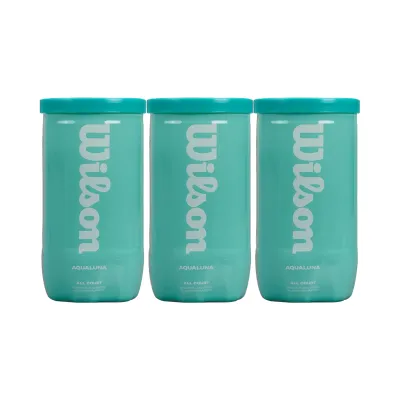
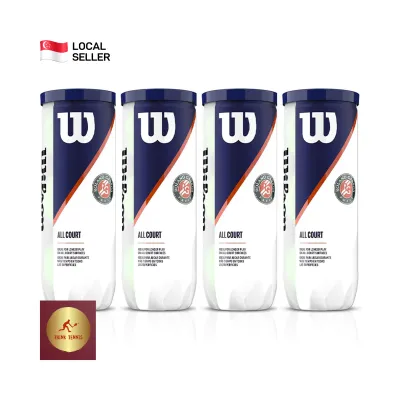
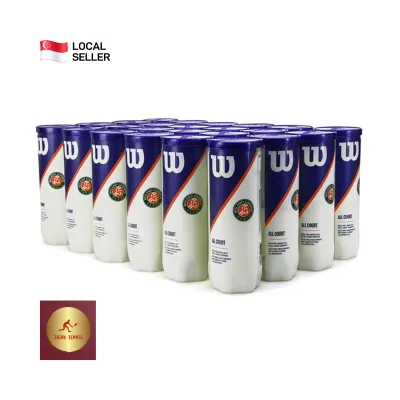
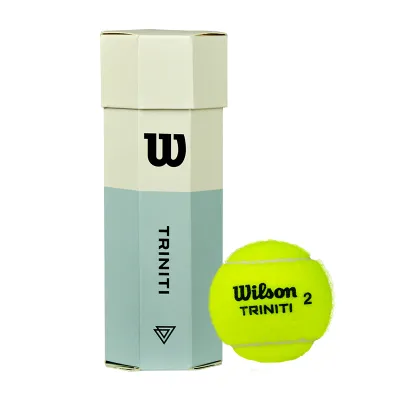
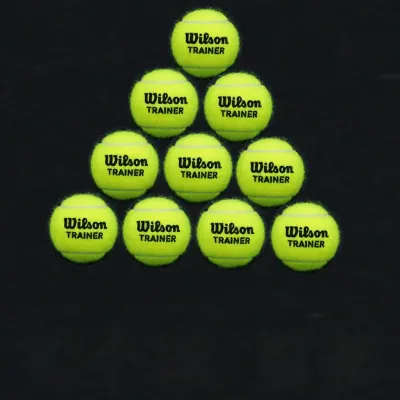
Prices are valid at publication and may change. Please refer to the product page for the latest price.
It is important to note that while the core is designed to resist pressure loss, the actual lifespan and feel of the ball depend heavily on external variables. In warm, humid climates like Singapore, ambient moisture and high temperatures can affect the rubber compounds over time. Additionally, hitting intensity and the abrasiveness of the court surface will gradually wear down the ball’s overall responsiveness, meaning players should still monitor the physical condition of the ball rather than relying solely on the core’s design.
Felt Construction and On-Court Feel
The outer felt of a tennis ball plays a critical role in how it moves through the air and behaves upon contact with the racket. The Triniti utilizes a specialized felt blend designed to offer a balance between long-term durability and a responsive feel. This felt is engineered to resist excessive fluffing, which can slow the ball down and reduce spin potential during play.

As you play, the felt will naturally wear down due to friction against the court and the racket strings. On abrasive hard courts, which are common in public sports facilities, felt wear is typically accelerated compared to clay or grass courts. Players can check the product packaging for the manufacturer’s recommended court surfaces to optimize the felt’s lifespan.
To determine when it is time to replace the balls, look for visual signs of degradation. A balding ball with thin, worn felt will fly faster through the air and slide more on the court, reducing your control and spin generation. Conversely, a ball that has fluffed up excessively will feel heavy and sluggish. Regularly inspecting the felt ensures you maintain a consistent playing experience.
Sustainable Packaging and Environmental Value
One of the most visible differences between this model and traditional tennis balls is the packaging. Standard pressurized balls require rigid plastic tubes sealed with metal pull-tabs to maintain internal pressure before use. The Triniti, because it does not rely on internal pressure to maintain its bounce, can be packaged in fully recyclable, paper-based containers.
This design shift eliminates the single-use plastic tubes that often end up in landfills after a single match. For environmentally conscious players and high-volume tennis facilities, such as coaching academies or school clubs, this packaging choice offers a clear way to reduce plastic waste. To dispose of the packaging properly, players should follow local recycling guidelines, ensuring the paper container is clean and dry before placing it in the appropriate recycling bin.
While this eco-friendly packaging does not directly alter the ball’s on-court performance, it adds distinct value to the overall purchase. It aligns with broader sustainability efforts without requiring players to compromise on the basic playability of the ball itself.
Matching Specs to Your Play Style: Is the Premium Justified?
Deciding whether to invest in these premium balls depends on your playing habits, skill level, and budget. Because they carry a higher upfront cost than standard pressurized balls, it is helpful to calculate the expected cost-per-hour of play. If you are a recreational player who hits once a week, standard pressurized balls may go flat in your bag before the felt wears out, making a pressureless core a highly cost-effective choice.
These balls are also highly suitable for coaching baskets and ball machines, where balls are stored for long periods and subjected to repetitive hits. The consistent bounce ensures that students receive predictable feeds over many weeks of training. However, advanced players or those participating in official competitive matches may still prefer standard pressurized tournament balls, which offer a softer feel and more precise spin generation that matches tournament standards.
Before purchasing, consider this practical checklist:
- Assess your playing frequency: Do you play occasionally, leaving balls in your bag for weeks?
- Evaluate your court surface: Are you playing on highly abrasive hard courts that wear felt quickly?
- Determine your feel preference: Do you prefer a slightly firmer ball that maintains its bounce, or a softer, traditional pressurized feel?
- Compare the upfront price against the cost of replacing standard pressurized balls every few sessions.
Frequently Asked Questions (FAQ)
Can Wilson Triniti balls be used in official tournaments?
While these balls are designed to meet the general size and weight specifications set by tennis governing bodies, they are not always the designated ball for official tournament play. Most sanctioned competitive events require specific tournament-approved pressurized balls to ensure uniform playability. Players should check the specific tournament rulebook, the International Tennis Federation (ITF) approved list, or consult the event organizers before using them in competitive matches.
How should I store these balls to maximize their lifespan?
To maintain the structural integrity of the rubber core and the quality of the outer felt, store the balls in a cool, dry place away from direct sunlight and extreme heat. In tropical environments, avoiding humid storage areas like car trunks or outdoor lockers is particularly important. While the core is engineered to resist pressure loss, prolonged exposure to high temperatures and moisture can still degrade the rubber compounds and felt fibers, reducing the ball’s overall playability.
Community discussion
Share your experience or ask a question. Comments are reviewed before publication.