
Choosing the correct weight for your Windy boxing gloves is a critical decision that directly affects your hand health, punch speed, and the safety of your sparring partners. Windy, a historic Muay Thai and boxing brand from Thailand, designs its gloves with traditional dense padding that behaves differently depending on the ounce (oz) rating. To make the right choice, you must align the glove weight with your specific training activity: 8oz to 12oz for high-speed pad work, 12oz to 16oz for heavy bag protection, and a mandatory 14oz to 16oz (most commonly 16oz) for live sparring. Your body weight, skill level, and gym rules will also dictate your final decision.
While high-quality gear is essential, remember that equipment cannot replace proper technique, defensive training, and sound athletic judgment. Before engaging in high-impact training or live sparring, ensure you have mastered basic defensive movements like parrying, slipping, and blocking. If you ever feel sharp pain, dizziness, or disorientation during a session, stop training immediately.
Understanding Ounces (oz) and Padding Protection
In the world of combat sports, boxing gloves are categorized by weight, measured in ounces (oz), rather than standard sizing like small, medium, or large. This weight rating refers directly to the physical mass of the glove, which is determined by the amount of protective padding packed inside. While a heavier glove naturally has a slightly larger external profile to accommodate more foam, the primary difference across weights is the level of shock absorption and hand protection provided.
Products mentioned in this guide
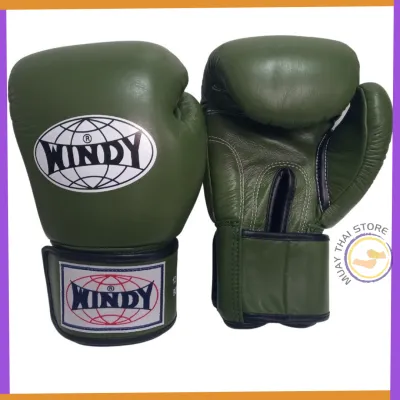
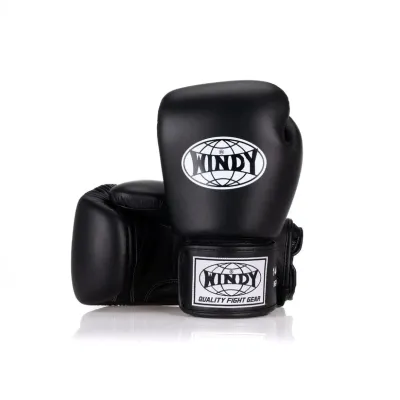
![[SG Stock] Windy BGVH Muay Thai Gloves Boxing Gloves | Premium Leather | Red Color](https://img.lazcdn.com/g/p/4d4b6fd8642b00ddb45272935291f745.png_400x400q80.png_.webp)
![[SG Stock] Mongkol BGM10 Muay Thai Gloves Boxing Gloves | Premium Leather | Black White Vanilla](https://img.lazcdn.com/g/p/fa05fa10757d794094a50ef5fb370a7c.jpg_400x400q80.jpg_.webp)
Prices are valid at publication and may change. Please refer to the product page for the latest price.
As a general rule, heavier gloves contain thicker, multi-layered padding. This extra mass is designed to absorb and disperse the kinetic energy generated by your punches, reducing the impact force transmitted to your knuckles, wrists, and your training partner’s body. Conversely, lighter gloves contain less padding, which translates to a more direct transfer of energy and less built-in cushioning.
Your body weight and natural punching power are key variables when determining your baseline glove weight. A lightweight practitioner weighing 55 kilograms generates significantly less impact force than a heavyweight weighing 90 kilograms. Consequently, heavier individuals require more padding to prevent their punches from “bottoming out”—a dangerous scenario where the foam fully compresses upon impact, leaving the knuckles unprotected against hard surfaces.
Windy has earned a global reputation for manufacturing gloves with highly durable, multi-layered foam systems. These layers typically combine high-density latex foam with shock-absorbing outer materials. This traditional Thai construction is notoriously firm out of the box, requiring a dedicated break-in period, but it offers exceptional long-term structural integrity. Over months of heavy use, the dense layers maintain their protective qualities, preventing the foam from shifting or flattening prematurely.
Optimizing Speed and Feedback for Pad Work
Focus mitts and Thai pads are designed for dynamic, high-velocity training. The primary goals of pad work are to develop hand speed, sharp combinations, precise timing, and rapid defensive reactions. Because you are striking a moving target held by a trainer who can actively feed back punches, your hands must be light and responsive.

For dedicated pad work, lighter glove weights ranging from 8oz to 12oz are highly recommended. Choosing a lighter glove minimizes shoulder fatigue during high-volume, rapid-fire combinations, allowing you to maintain correct punching form throughout long training sessions. Furthermore, lighter gloves provide immediate tactile feedback. You can feel exactly how your knuckles align with the pad upon impact, which is invaluable for correcting minor technical errors in your wrist alignment and fist positioning.
Windy gloves feature a Muay Thai-oriented design, characterized by a relatively compact thumb position and a prominent, solid grip bar inside the palm. This grip bar allows you to form a tight, natural fist without straining your hand muscles. In dynamic pad drills that incorporate defensive maneuvers—such as catching kicks, parrying mock strikes, or transitioning into light clinch work—the compact shape of a 10oz or 12oz Windy glove provides the dexterity needed to execute these movements smoothly.
However, training with lighter gloves carries inherent risks. Because there is less padding to absorb the impact, your hand bones are more vulnerable to stress injuries. You must verify that your hands are meticulously wrapped with high-quality semi-elastic wraps before putting on your gloves. If you are a beginner whose hand conditioning and wrist stability are still developing, starting with a 12oz glove is often a safer choice than jumping straight to an 8oz or 10oz model.
Maximizing Hand Protection for Heavy Bag Work
Unlike focus mitts, which yield slightly upon impact, a heavy bag is a dense, unforgiving target. Striking a heavy bag generates massive, repetitive shockwaves that travel directly up your hand, wrist, and forearm. Over time, this repetitive stress can lead to micro-fractures, tendonitis, and wrist sprains if your equipment is inadequate.
For heavy bag training, hand and wrist protection must take absolute priority over raw speed. Mid-to-heavy gloves, typically ranging from 12oz to 16oz, are the standard recommendation. If you weigh under 65 kilograms, a 12oz glove may provide sufficient cushioning. However, if you weigh more than 75 kilograms or possess significant punching power, you should opt for a 14oz or 16oz glove to ensure adequate shock absorption.
Windy’s dense latex foam construction is particularly well-suited for heavy bag work. The firm, multi-layered padding is engineered to disperse high-impact forces across a wider surface area, preventing the knuckles from breaking through to the hard inner core of the bag. This is especially important in local training environments where heavy bags may be filled with packed materials that settle over time, creating rock-hard zones near the middle and bottom of the bag.
Wrist alignment is another critical factor during heavy bag sessions. When throwing heavy hooks or uppercuts, any deviation in your wrist angle can result in a painful hyperextension or sprain. Windy gloves address this with a wide, stiff hook-and-loop strap (or a traditional lace-up system) that wraps tightly around the wrist joint. This design acts as a splint, keeping your hand and wrist locked in a straight, structurally sound alignment upon impact. Before hitting the bag, always verify that your wrist straps are secured firmly and do not allow your wrist to bend easily.
Prioritizing Safety and Control in Sparring
Live sparring is a high-risk activity that demands a safety-first mindset. When you step into the ring with a training partner, your primary objective is to develop tactical awareness, timing, and defense—not to inflict injury. Because sparring involves unpredictable exchanges and high-force impacts to the head and body, maximizing padding is non-negotiable.
To ensure the safety of both participants, heavier gloves are mandatory. The standard weight for sparring is 16oz, regardless of your weight class. Some gyms may permit lighter fighters (under 60 kilograms) to spar in 14oz gloves, but 16oz remains the gold standard across most reputable combat sports academies worldwide. Using lighter gloves for sparring is a serious breach of gym etiquette, as it subjects your partner to unnecessary risk of facial cuts, bruising, and concussions.
The extra padding in a 16oz Windy glove acts as a crucial buffer, slowing down the deceleration of the punch upon impact and spreading the force over a larger surface area. This significantly reduces the peak trauma experienced by your partner. Additionally, the larger physical profile of a 16oz glove provides a wider defensive shield, making it easier to block incoming head strikes and cover up during intense exchanges.
Windy’s ergonomic design further enhances sparring safety. The gloves are constructed with an attached thumb, which physically prevents the thumb from flaring outward. This design element is critical for eliminating the risk of accidental eye pokes or thumb sprains during chaotic exchanges. Furthermore, the secure velcro closure ensures the glove remains locked in place, preventing the cuff from shifting and scraping your partner’s face during close-range clinching. Before every sparring session, inspect your gloves to verify that the leather is free of tears and the foam has not bottomed out.
Finding an All-in-One Glove for Mixed Training
For many recreational practitioners, purchasing multiple pairs of premium boxing gloves is not immediately practical. If you are looking to buy a single “all-rounder” pair of Windy gloves to handle pad work, heavy bag sessions, and occasional sparring, you must carefully navigate the trade-offs of a single-glove setup.
If you must choose one weight for all training activities, a 14oz or 16oz glove is the most versatile compromise. A 14oz glove offers decent hand protection on the heavy bag and is light enough for pad work, while still being acceptable for light sparring if you are a lighter individual. If you weigh over 75 kilograms or plan to spar regularly, a 16oz glove is the only safe all-in-one option, as you cannot compromise on sparring safety.
However, using a single pair of gloves for all training modalities comes with distinct disadvantages:
- Padding Degradation: Striking dense heavy bags repeatedly will eventually break down and compact the internal foam of your gloves. Once the foam is compromised, those same gloves become unsafe for sparring, as they will no longer protect your partner's face effectively.
- Speed Limitations: Performing high-volume pad work in a heavy 16oz glove can lead to rapid shoulder fatigue, making it difficult to practice fast, snappy combinations and maintain correct punching mechanics.
- Hygiene Issues: Using the same pair of gloves multiple times a week across different drills means they rarely have time to dry completely, leading to rapid bacterial growth and unpleasant odors.
If you train more than three times a week or decide to transition from basic drills to competitive sparring, you should plan to invest in a dedicated second pair. A practical two-glove system consists of a lighter pair (10oz or 12oz) strictly for pad work and bag training, and a heavier pair (16oz) reserved exclusively for sparring. This division of labor extends the lifespan of both pairs and ensures you are training safely and efficiently.
Ensuring the Right Fit and Maintaining Your Gloves
Even if you select the perfect weight, a glove that does not fit correctly will fail to protect your hands. Windy gloves are designed with a traditional Thai fit, which generally features a slightly wider hand compartment and a more spacious finger pocket compared to narrow Western-style boxing gloves. This design is highly intentional, as it provides ample space to accommodate thick, protective hand wraps.
To ensure a proper fit, always try on your Windy gloves while wearing your standard hand wraps. Follow these steps to verify the fit:
- Check the Fingertips: Slide your wrapped hand completely into the glove. Your fingertips should lightly touch the very end of the hand compartment. If your fingers are curled or cramped, the glove is too small.
- Assess the Thumb: Ensure your thumb sits comfortably in its pocket without being pinched or forced into an unnatural angle.
- Verify Wrist Alignment: Secure the wrist strap tightly. The cuff should wrap snugly around your wrist joint, preventing any lateral movement or bending. There should be no loose space inside the hand compartment; your wrapped hand should feel completely secure.
Maintaining your Windy gloves is essential for preserving the leather and preventing the buildup of bacteria, especially in warm, humid climates like Singapore. After every training session, perform these low-risk, reversible maintenance steps:
- Wipe Down: Use a dry or slightly damp microfiber cloth to wipe away sweat and dirt from the exterior leather surface.
- Air Dry: Open the glove cuffs as wide as possible and place them in a well-ventilated, shaded area to dry. Never leave your wet gloves inside a zipped gym bag, as this creates a breeding ground for mold and odor-causing bacteria.
- Avoid Direct Heat: Never expose your gloves to direct sunlight, hair dryers, or radiators, as extreme heat will dry out the natural cowhide leather, causing it to crack and degrade prematurely.
Frequently Asked Questions (FAQ)
Do I need to wear hand wraps with my Windy boxing gloves?
Yes, you must always wear hand wraps under your Windy boxing gloves, regardless of the glove weight you choose. Hand wraps secure the numerous small bones in your hand, support your wrist joint, and prevent your knuckles from rubbing against the inner lining of the glove. Additionally, wraps act as a sponge to absorb sweat during intense training, which keeps the interior of your gloves dry and significantly extends their usable lifespan.
How do I know if my Windy gloves are too small or too big?
Your Windy gloves are too small if your fingers are forced to curl uncomfortably at the tips, if your thumb feels painfully pinched, or if you experience numbness and restricted blood circulation while wearing hand wraps. Conversely, the gloves are too big if your wrapped hand slides around inside the compartment, if your wrist has room to bend laterally even when the strap is fully tightened, or if the glove slips off easily during light movement.
Will heavier gloves make my punches faster when I switch to lighter ones?
Training with heavier gloves (such as 16oz) builds shoulder endurance and conditioning, as your muscles must work harder to keep your hands up and execute punches. When you switch to lighter gloves (such as 10oz) for competition or pad work, your hands will naturally feel lighter and less fatigued. However, true punching speed relies heavily on proper biomechanics, relaxation, and explosive power, which must be developed through specific speed drills and technical training.
Community discussion
Share your experience or ask a question. Comments are reviewed before publication.