
Quick Answer: Which Cricket Stump Material Should You Choose?
Selecting the right cricket stump material for your practice sessions depends on your playing environment, skill level, and training goals. Wooden stumps are the standard choice for formal club matches, advanced net sessions, and players who require authentic match-day feedback, such as the precise sound of leather hitting wood and realistic bail behavior. Conversely, plastic stumps are highly suited for casual backyard games, school physical education classes, beach cricket, and training sessions on synthetic turf or concrete where driving wooden spikes into the ground is impossible. By matching the material to your specific playing surface and practice intensity, you can ensure a safer, more productive, and highly durable training setup.
Core Differences: Wood vs Plastic Cricket Stumps
Understanding the fundamental physical differences between wood and plastic is essential for selecting the equipment that best supports your development. While both materials serve the same basic purpose in the game of cricket, they behave very differently under impact, react uniquely to environmental factors, and require distinct setup procedures. Choosing the wrong material can lead to damaged equipment, compromised training quality, or even surface damage to your practice venue.

Durability and Weather Adaptability
Singapore’s tropical climate, characterized by high relative humidity and sudden heavy downpours, presents distinct challenges for outdoor sports equipment. Plastic cricket stumps, typically manufactured from high-density polyethylene (HDPE) or durable polyvinyl chloride (PVC), are entirely waterproof and impervious to rot. This makes them highly resilient when left on wet grass or subjected to unexpected tropical showers during an outdoor session. They do not absorb moisture, meaning they retain their original shape, weight, and structural integrity regardless of weather conditions.
Products mentioned in this guide
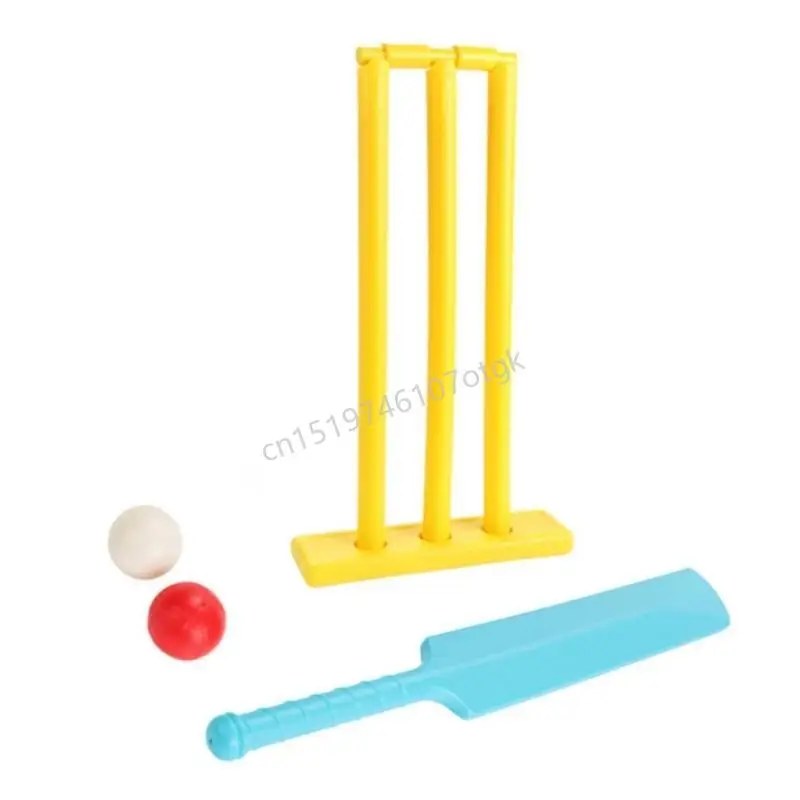
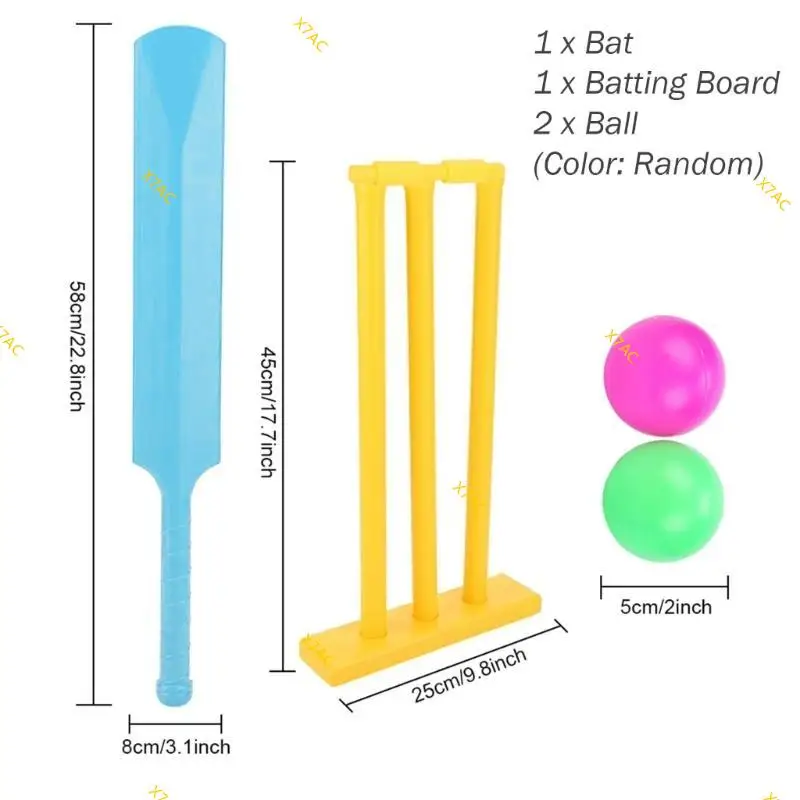
Prices are valid at publication and may change. Please refer to the product page for the latest price.
Wooden stumps, usually crafted from ash, English willow, or other dense hardwoods, are organic materials that naturally absorb moisture from the air and the ground. When exposed to damp grass or high humidity, wooden stumps can swell, warp, or split over time if they are not dried and stored correctly. However, high-quality wooden stumps are structurally robust and designed to withstand the high-impact force of a hard leather cricket ball, whereas low-grade plastics may crack or become brittle under prolonged exposure to intense ultraviolet (UV) radiation from the sun.
Match Realism and Feedback
For serious cricketers, the sensory feedback of a delivery hitting the wickets is an essential part of the training experience. Wooden stumps provide the traditional acoustic “clack” and heavy physical feedback that immediately tells a bowler, batter, and wicketkeeper the exact nature of the strike. The weight of wooden stumps ensures that the bails dislodge in a highly predictable, realistic manner, mimicking the exact conditions of an official league match.
Plastic stumps, being significantly lighter, offer a different acoustic profile, often producing a hollow, high-pitched sound upon impact. Because they lack the density of wood, the bails on a plastic set may fly off with minimal force or, conversely, fail to dislodge realistically if the wind is strong and the set uses lightweight plastic bails. While this difference is negligible for casual players, advanced batters training for competitive matches may find that the lack of realistic feedback slightly compromises their spatial awareness and match preparation.
Portability and Ease of Setup
The logistics of transporting cricket gear to local parks, beaches, or school fields can influence how often you practice. Plastic cricket stump sets are incredibly lightweight and highly portable, often sold as a complete package with a carrying bag, three stumps, two bails, and a stable base. This lightweight design allows players of all ages, including junior cricketers, to carry the equipment effortlessly on public transport or in a small sports bag.
Wooden stumps present a heavier and more demanding setup process. Traditional wooden stumps feature pointed metal or wooden spikes at the bottom, requiring them to be driven directly into a turf wicket or soft grass pitch. This installation typically requires a specialized wooden mallet to avoid damaging the top of the stumps, and setting them up securely in hard, dry clay or sun-baked soil can be physically demanding. For players practicing on varied surfaces, transporting heavy wooden stumps and the necessary installation tools can be a significant logistical hurdle.
When to Choose Wooden Cricket Stumps
Wooden cricket stumps are the undisputed choice for competitive club environments, school first-XI teams, and serious cricketers aiming to replicate professional match conditions. If your training sessions take place on dedicated turf wickets or well-maintained grass outfields, wooden stumps provide the necessary stability and regulatory compliance. Official cricket matches governed by standard playing conditions mandate the use of wooden stumps and bails to ensure fair play, consistent bail-dislodgement mechanics, and compatibility with modern technology like stump microphones.
Furthermore, advanced bowlers and batters benefit significantly from the structural resistance of wood. When a fast bowler delivers a ball at high speeds, a wooden stump absorbs the impact and reacts realistically, either standing firm or cartwheeling out of the ground if struck cleanly. This realistic movement is crucial for bowlers practicing their line and length, as well as wicketkeepers practicing stumping and run-out drills. For players utilizing high-velocity bowling machines or practicing with standard leather cricket balls, wooden stumps offer the durability required to handle repeated high-impact force without bending or shattering.
Additionally, wooden stumps are essential for matches where league regulations dictate specific equipment standards. Many formal leagues require stumps to meet exact height and width specifications, which are strictly maintained in high-quality wooden sets. Investing in wooden stumps ensures that your practice sessions align perfectly with the physical realities of your match days, helping you build accurate muscle memory and situational judgment.
When to Choose Plastic Cricket Stumps
Plastic cricket stumps are highly advantageous for recreational play, junior development programs, and practice sessions conducted on non-traditional surfaces. In Singapore, many casual games and school training sessions are held on concrete multi-purpose courts, artificial turf pitches, or sandy beaches where traditional spiked wooden stumps cannot be installed. Plastic stumps designed with flat, heavy rubber bases or spring-loaded mechanisms stand independently on any flat surface, eliminating the need for soil insertion and protecting synthetic playing surfaces from damage.
Safety is another primary factor that makes plastic stumps the preferred option for junior coaching clinics and family gatherings. Because they do not require sharp metal spikes or heavy mallets for installation, the risk of injury during setup is virtually non-existent. Additionally, if a young player collides with the wickets while fielding or running between the creases, the lightweight plastic construction and flexible bases significantly reduce the impact force, minimizing the risk of bruises or scrapes. For spontaneous backyard matches or quick park sessions, the convenience and safety of a self-standing plastic set are unmatched.
Furthermore, plastic stumps are highly cost-effective and low-maintenance. They do not require specialized drying procedures, protective oils, or delicate handling. If you are a casual player who wants an easy-to-use set that can be thrown into the back of a car or stored in a humid outdoor cupboard without worry, plastic stumps offer the durability and convenience needed for hassle-free recreation.
Side-by-Side Comparison: Wooden vs Plastic Stumps
| Feature | Wooden Stumps | Plastic Stumps |
|---|---|---|
| Material | Premium Ash, Willow, or Hardwood | HDPE, PVC, or ABS Plastic |
| Weather Resistance | Moderate; prone to moisture absorption | High; completely waterproof and rot-proof |
| Match Realism | High; authentic sound, weight, and feel | Low to Moderate; lighter weight and altered sound |
| Portability | Low; heavy and requires installation tools | High; lightweight and often includes carry bags |
| Ground Compatibility | Natural grass, turf wickets, soft soil | Concrete, artificial turf, sand, indoor floors |
| Maintenance Needs | High; requires drying, cleaning, and dry storage | Low; simple rinse and UV-protected storage |
| Ideal User Profile | Club players, advanced nets, turf matches | Juniors, casual players, beach/park games |
Decision Guide: Matching Stumps to Your Practice Needs
To select the ideal cricket stumps for your training regimen, evaluate your primary playing venue, the type of ball you use, and your skill level.
- Choose Wooden Stumps if:
- You regularly play or train on dedicated turf wickets or high-quality grass pitches.
- Your practice sessions involve hard, leather cricket balls delivered at high speeds.
- You are preparing for official club tournaments, school leagues, or representative matches.
- You require authentic acoustic and physical feedback to refine your batting or bowling technique.
- Choose Plastic Stumps if:
- Your primary practice locations are concrete nets, artificial turf, indoor halls, or sandy beaches.
- You are organizing casual, recreational games with family, friends, or colleagues.
- You are coaching young children or beginners who use tennis balls, windballs, or soft training balls.
- Portability and rapid setup are your highest priorities, allowing you to carry the set easily on public transport.
- Verify First if:
- You are purchasing equipment for a school, rented sports facility, or local council ground. Always check the venue's guidelines, as some facility managers strictly prohibit spiked wooden stumps to prevent damage to artificial turf, indoor flooring, or underground irrigation systems. In such cases, you must opt for plastic stumps with rubber bases or specialized spring-loaded wooden stumps mounted on a flat iron plate.
- You are buying online. Verify the product specifications to confirm if the set includes bails, a carrying bag, or a weighted base, as these inclusions vary widely among manufacturers.
In terms of cost, plastic stump sets are highly economical, typically ranging from S$15 to S$40 for a full set on local online marketplaces. In contrast, high-quality wooden stump sets, especially those made from premium English ash with spring-loaded bases, generally range from S$60 to over S$150. Ensure you balance your budget with your long-term training goals to make the most sustainable investment.
Essential Care and Maintenance for Longevity
Proper maintenance ensures your cricket stumps remain in safe, playable condition for multiple seasons, regardless of the material you choose.
- For Wooden Stumps:
- Always wipe off mud, grass clippings, and surface moisture with a dry, clean cloth immediately after your practice session.
- Allow wet or damp wooden stumps to air dry slowly in a well-ventilated, shaded indoor area. Never place them near direct heat sources or leave them in intense, direct sunlight to dry, as rapid temperature changes can cause the wood to warp, crack, or split.
- Store wooden stumps in a dry, climate-controlled environment. Avoid leaving them in damp outdoor sheds, car boots, or balconies where high humidity can lead to mold growth and wood rot.
- Periodically inspect the stumps for splinters, cracks, or loose metal spikes. If you detect minor splintering, sand the affected area lightly with fine-grit sandpaper to prevent hand injuries during setup.
- For Plastic Stumps:
- Rinse the stumps with clean, fresh water after playing on sandy beaches or muddy outfields to remove abrasive particles that can scratch the plastic surface.
- Store plastic stumps in a cool, dark place away from direct sunlight when not in use. Prolonged exposure to ultraviolet (UV) rays can degrade the polymer chains, causing the plastic to fade, become brittle, and crack upon ball impact.
- Regularly check the stability of the base connections and the integrity of the plastic bails. Ensure that any water-filled or sand-filled bases are completely sealed to prevent leaks during transport.
Frequently Asked Questions (FAQ)
Do plastic cricket stumps come with bails?
Most commercially available plastic cricket stump sets are sold as complete packages that include three stumps, two matching plastic bails, and a stable base. However, product configurations can vary significantly between brands and price points. Some budget-friendly options, individual replacement stumps, or specialized training wickets may be sold individually without bails. To avoid disappointment, always review the detailed product description and package contents on the retailer’s page before finalizing your purchase.
Can I use wooden stumps on artificial pitches?
Traditional wooden stumps with pointed spikes should never be driven directly into artificial turf, concrete, or indoor sports flooring. Attempting to do so can cause severe, costly damage to the playing surface and will likely break or blunt the stumps’ spikes. If you prefer the weight and feel of wood but practice on hard surfaces, you should use specialized spring-loaded wooden stumps mounted on a heavy, flat metal base, or opt for a freestanding plastic stump set with a weighted rubber base designed specifically for multi-surface compatibility.
Community discussion
Share your experience or ask a question. Comments are reviewed before publication.