
Choosing your first set of gymnastic rings is a pivotal step in building a versatile home gym, but the decision often comes down to a fundamental material choice: wood versus plastic. For most beginners, wooden gymnastic rings offer the most comfortable and secure grip directly out of the box, making them the standard recommendation for indoor training. However, plastic rings present a highly durable, weather-resistant, and cost-effective alternative that excels in humid environments or outdoor setups.
Your final choice should align with where you plan to hang your rings, your budget, and how you prefer to manage grip friction. While wooden rings absorb sweat to prevent slipping, plastic rings require external grip aids like chalk when your workouts intensify. By evaluating your training environment and budget, you can select the material that best supports your progression in bodyweight strength training.
Grip and Texture: Wood vs Plastic for Beginners
The tactile feedback of a gym ring directly influences your confidence during challenging movements like support holds, pull-ups, and dips. Wooden rings are highly regarded for their natural, slightly porous texture. This organic surface excels at absorbing microscopic amounts of moisture from your palms as you train. For a beginner, this means maintaining a secure, slip-free hold without necessarily relying on chalk, which keeps your workout space cleaner and simplifies your setup.
Products mentioned in this guide
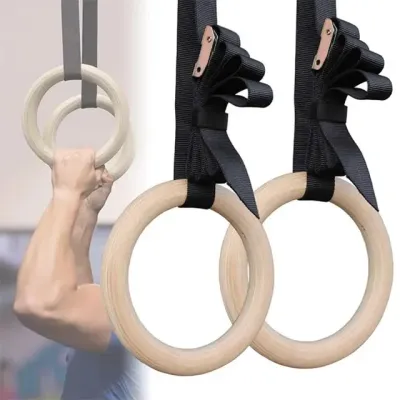


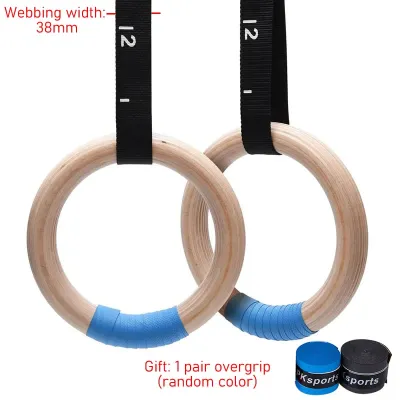

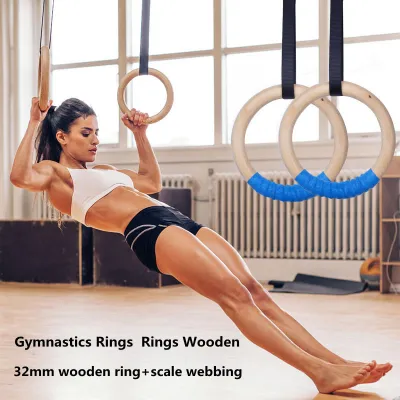
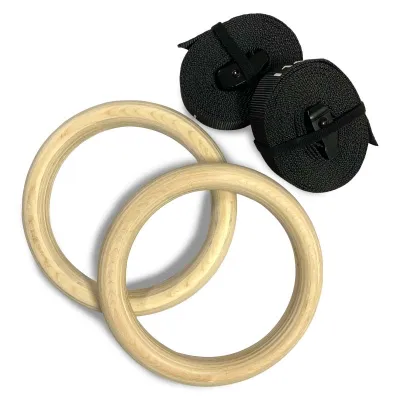
Prices are valid at publication and may change. Please refer to the product page for the latest price.
In contrast, plastic rings typically feature a smooth or lightly textured molded surface. While they feel comfortable when your hands are completely dry, they do not absorb moisture. As soon as you begin to sweat, the surface can become slippery, which compromises your control and safety during hanging exercises. To maintain a reliable hold on plastic, you will almost certainly need to apply gymnastic chalk or wear specialized grip wraps, adding an extra step to your preparation.
The friction characteristics of each material also affect how your skin adapts to ring training. Wood provides a consistent, mild friction that helps distribute pressure evenly across your palms, which can actually reduce the severity of friction-induced blisters as your hands toughen. Plastic, when dry, can sometimes cause localized hot spots due to skin bunching, whereas a sweaty plastic ring can cause your hands to slide, leading to sudden shearing forces that tear calluses. Beginners with sensitive skin often find the organic transition of wood more forgiving during the initial weeks of training.
Durability and Maintenance in a Home Gym
Where you store and use your equipment plays a massive role in how long it remains safe to use. Wooden rings are sensitive to environmental conditions and require a stable, dry indoor climate to preserve their structural integrity. Exposure to high humidity, direct sunlight, or rain can cause the wood fibers to swell, warp, or eventually splinter. If you plan to train on an open balcony, at a neighborhood fitness corner, or in a home setup exposed to Singapore’s year-round high humidity, wooden rings will require diligent care and dry storage after every session.

Plastic rings are virtually impervious to weather-related wear, making them the superior choice for outdoor rigs, open-air garages, or humid environments. They do not warp when exposed to rain, nor do they degrade when subjected to temperature fluctuations. This resilience makes them incredibly low-maintenance; you can leave them hanging on an outdoor pull-up bar or a sturdy tree branch without worrying about rot or structural weakening from moisture.
Regardless of the material you choose, regular safety inspections are essential to prevent equipment failure. For wooden rings, you must routinely run your hands along the circumference to check for fine splinters, hairline cracks along the laminated layers, or soft spots caused by moisture absorption. For plastic rings, inspect the mold lines for any sharp edges that could cut your hands, and look out for deep scratches or stress discoloration that might indicate structural fatigue. Any ring showing signs of deep cracking or material degradation must be retired immediately.
Price and Value: Budgeting for Your First Set
When setting up your first home workout space, balancing your budget against equipment quality is a key consideration. Plastic gym rings are widely positioned as the entry-level option, typically retailing at a lower price point than their wooden counterparts. For casual fitness enthusiasts or those who want to try ring training without a significant financial commitment, plastic provides an accessible gateway to bodyweight movements.
Wooden rings command a premium price, reflecting the manufacturing complexity of laminating, bending, and sanding high-quality timber. However, the tactile benefits, superior grip, and professional feel often justify this extra cost for dedicated trainees who plan to make ring training a core part of their long-term routine. While basic plastic sets might save you a few S$ upfront, investing in a high-quality wooden set is a long-term investment in your training comfort and can save you the subsequent cost of buying chalk, grip tape, or eventually upgrading to a second set once your skills progress.
When comparing prices, it is vital not to evaluate the rings in isolation; the accompanying suspension system is just as important. A cheap set of rings paired with thin, slippery straps and flimsy buckles is a safety hazard. Look for packages that include heavy-duty nylon straps—ideally at least 38mm wide—and robust steel cam buckles. Some premium sets feature numbered measurement markings on the straps, which greatly simplifies the process of leveling your rings and is well worth a slightly higher price tag.
Decision Framework: Choosing Your Beginner Gym Ring
To make the right choice, you must match the ring material to your specific training environment and personal preferences.
You should choose wooden rings if you plan to train strictly indoors, prefer to work out with bare hands, and want a natural grip that feels more secure as your hands warm up. They are ideal for living rooms, dedicated indoor home gyms, or dry garage setups where they can be protected from moisture.
You should choose plastic rings if you intend to hang your equipment outdoors, train in high-humidity environments like open balconies, operate on a strict budget, or do not mind using chalk to manage sweat. Their weather resistance ensures they can handle tough outdoor conditions without deteriorating.
Before finalizing any purchase, verify that the product specifications match your setup. Ensure the straps are long enough for your mounting height, the cam buckles are rated for your body weight, and the ring diameter matches your hand size. Standard gymnastics rings come in two thicknesses: 28mm (preferred for smaller hands and pulling movements) and 32mm (often preferred for larger hands and pushing movements).
Safety and Setup Checks for Home Gym Use
Gymnastic rings introduce a dynamic element to your workouts, which means your safety depends entirely on a secure installation. Before bearing your full body weight, you must verify the structural integrity of your mounting point. Whether you are using a heavy-duty ceiling mount, a sturdy pull-up bar, or a secure outdoor beam, ensure it is rated to support several times your body weight to account for the dynamic forces generated during movement. Never hang rings from decorative fixtures, thin pipes, or unanchored structures.
When threading your straps, always follow the manufacturer’s instructions precisely. Feed the strap through the cam buckle from the correct side—usually from the bottom up while pressing the lever—to ensure the teeth bite securely into the nylon webbing under tension. Pull firmly on each ring to test for slippage before lifting your feet off the ground. Additionally, use the strap markings or a visual reference to ensure both rings are perfectly level; uneven rings can place asymmetrical stress on your shoulders and joints, increasing the risk of strain.
Finally, establish a clear safety zone around your training area. Remove any furniture, sharp corners, or obstacles from the space directly beneath and around the rings. Ensure you have sufficient overhead clearance so you do not strike your head on the ceiling during pull-ups, and maintain enough lateral space to prevent your body from swinging into walls or support posts during dynamic exercises.
Frequently Asked Questions (FAQ)
Can I use wooden gymnastic rings outdoors?
Yes, you can use wooden gymnastic rings outdoors, but only on a temporary basis. You must never leave them exposed to the elements. Rain, morning dew, high humidity, and direct sunlight will quickly damage the wood, leading to warping, cracking, and splintering. To preserve their lifespan, always take your wooden rings down immediately after your workout and store them in a dry, climate-controlled indoor environment.
Do plastic rings require chalk for a secure grip?
Generally, yes. While you can perform basic movements on plastic rings with dry hands, any accumulation of sweat will make the non-porous plastic surface highly slippery. To maintain a safe and secure grip during longer training sessions or dynamic movements, you will need to use block chalk, liquid chalk, or athletic grip tape wrapped around the rings.
Community discussion
Share your experience or ask a question. Comments are reviewed before publication.