
Choosing the right wrist weights for women doing home workouts in Singapore requires balancing physical fitness goals with the unique realities of tropical apartment living. In compact spaces like HDB flats, where storage is at a premium and high humidity is a constant factor, the ideal wearable weights must be compact, hygienic, and highly adjustable. Rather than searching for a single universal winner, finding the best pair involves matching your specific workout style—whether that is low-impact pilates, brisk walking, or targeted bodyweight exercises—with materials that resist moisture and straps that securely fit smaller wrist circumferences.
Determining If Wrist Weights Fit Your Home Fitness Goals
Before purchasing fitness gear, determine if wrist weights align with your physical baseline and training objectives. Wrist weights excel at adding light, hands-free resistance to cardiovascular activities, such as walking, light aerobics, or shadowboxing. They increase the metabolic demand of these movements without requiring you to grip a heavy object, making them an efficient tool for endurance training.
However, for targeted strength training aimed at building significant muscle mass, wrist weights are less effective than traditional dumbbells or resistance bands. Because they are typically limited to lower weight ranges (often between 0.5 kg and 2 kg), they do not provide the heavy load required for progressive muscle hypertrophy. Understanding this distinction prevents unrealistic expectations and ensures you use the right tool for your specific goals.
Products mentioned in this guide
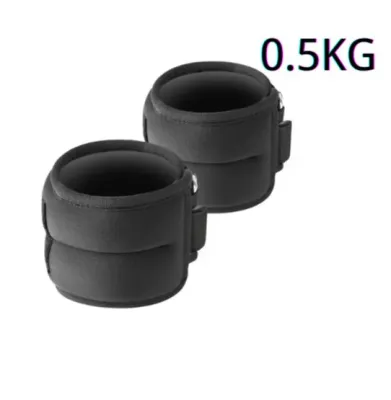
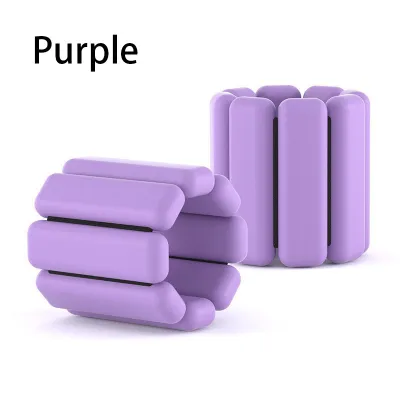
![🇸🇬 [In Stock]Womens Pilates wrist and ankle weights wearable arm and leg weights (1 lb each) for yoga dance Pilates cardio and walking](https://img.lazcdn.com/g/p/9e694d05bf87bf697057b0fbf4ed73e3.jpg_400x400q80.jpg_.webp)
![[SG InStock]Ankle Wrist Weight Sand Bag Training Wrist Guard Adjustable Weight-Beare Steel Sandbag Yoga Dance Practice](https://img.lazcdn.com/g/p/2c1ae80fd20149203acf5d38edc0ff5e.jpg_400x400q80.jpg_.webp)
![[SG In Stock] Silicone Adjustable Wrist Ankle Weight Bands | Leg Arm Weights Straps for Yoga Running Fitness Exercise](https://img.lazcdn.com/g/p/13a78bcec6aa29222e298e2ef63ca87b.jpg_400x400q80.jpg_.webp)
![🇸🇬 [In Stock]NEW Weights Bracelet Silicone Ankle Wrist Exercise Adjustable Weight Wrist Band Gravity Belt Yoga Running](https://img.lazcdn.com/g/p/254907748d7487e447cdefa180cdeee4.jpg_400x400q80.jpg_.webp)
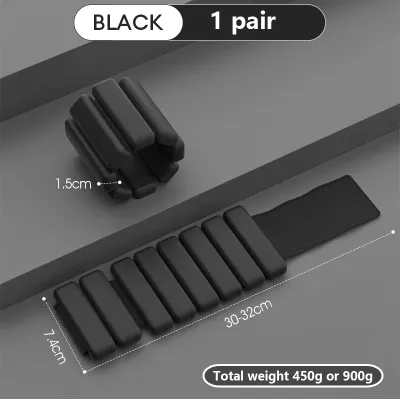
Prices are valid at publication and may change. Please refer to the product page for the latest price.
Adding weight to your extremities also increases the lever arm of your limbs, which can place additional torque on your joints. If you have a history of joint instability or are recovering from an injury, adding load to your wrists during high-velocity movements can lead to micro-trauma or joint strain. Conversely, for slow, controlled movements like leg lifts, glute bridges, or core work where the arms are held static or moved gently, wrist weights provide a safe, progressive challenge.
The functional difference between wrist weights and light dumbbells lies primarily in grip engagement. Dumbbells require active grip strength, which engages the muscles of the forearm and hand. While this is beneficial for overall upper-body strength, it can lead to premature fatigue during long cardio sessions. Wrist weights leave your hands completely free, allowing you to maintain a natural arm swing during a walk or easily transition to floor exercises, yoga poses, or adjusting your home workout screen without constantly picking up and putting down equipment.
Evaluating Key Features for Comfort and Performance
To ensure your physical gear does not end up gathering dust in a drawer, you must evaluate specific product dimensions against your body shape and workout environment. A poor fit leads to sliding, which causes friction burns, while an overly tight strap can restrict blood flow. Prioritizing comfort and adjustability over aesthetics ensures that your equipment supports your fitness journey rather than hindering it.

Because physical fitness equipment fits everyone differently, it is highly recommended to verify the return and exchange policies of online marketplaces or local sports retailers before purchasing. Testing the fit at home—ensuring the strap can tighten sufficiently around your wrist without overlapping excessively or leaving sharp Velcro edges exposed—is the only way to guarantee long-term comfort and performance.
Weight Increments and Adjustability
When selecting wrist weights, you will generally choose between fixed-weight designs (often made of sleek silicone or soft neoprene) and adjustable designs that feature pockets for removable sand or iron shot packets. Fixed-weight options are highly durable and easy to clean, but they limit your ability to progress. Adjustable models allow you to start light and gradually increase the resistance as your strength improves, making them highly versatile for progressive overload.
For beginners, starting with a very light resistance—such as 0.5 kg per wrist—is highly recommended. This allows your tendons and ligaments to adapt to the new load before you step up to 1 kg or 1.5 kg. Intermediate exercisers who already perform regular strength training may find a starting point of 1 kg to 1.5 kg appropriate for low-impact workouts, but form should always take priority over weight.
Always verify how the weight is distributed within the band. In poorly constructed weights, the internal sand or metal shot can shift to one side, creating an uneven pull that forces your wrist into an unnatural angle during dynamic movements. Look for segmented pockets or solid, uniform weight bars that distribute the load evenly around the entire circumference of your wrist to prevent joint strain.
Breathable Materials and Skin Comfort
The material of your wrist weights directly impacts how your skin reacts during a sweaty home workout. Neoprene is soft, cushioned, and comfortable against the skin initially, but it acts like a sponge, absorbing sweat and body oils. Silicone, on the other hand, is non-porous, water-resistant, and incredibly easy to wipe clean, though it can feel slightly slippery if sweat accumulates underneath. Moisture-wicking fabrics offer a middle ground, keeping the skin dry, but they still require regular washing to prevent odor.
If you have sensitive skin or are prone to contact dermatitis, prioritize hypoallergenic materials. Silicone is generally the safest choice for sensitive skin because it does not harbor bacteria or mold and can be sanitized instantly. If you prefer fabric, ensure it is breathable and free from harsh chemical dyes that could bleed when exposed to sweat.
In Singapore’s tropical climate, high humidity accelerates the degradation of certain materials. Neoprene and untreated fabrics that remain damp for extended periods will quickly develop a musty odor and may even harbor mold. Choosing materials that dry rapidly or can be completely wiped dry with a towel immediately after use is essential for maintaining hygiene and extending the lifespan of your gear.
Secure Fastening and Fit for Smaller Wrists
A secure fastening system is critical to prevent the weights from shifting during movement. Velcro (hook-and-loop) is the most common fastening method, offering infinite adjustability. However, the quality of the Velcro matters; cheap fasteners can lose their grip over time or scratch your skin. Buckle systems provide a highly secure, mechanical lock but can sometimes feel bulky. Elastic slip-on bands offer a seamless look but lack adjustability, meaning they may slide off smaller wrists or pinch larger ones.
For women with smaller wrist circumferences, standard “one-size-fits-all” weights often slide up and down the forearm, causing painful chafing and distracting from the workout. Look for products that explicitly state their minimum wrist circumference or feature extra-long hook-and-loop straps that allow for a tight, customized wrap. This ensures the weight remains anchored to your wrist, even during dynamic movements.
Pay close attention to the width of the strap and the presence of internal padding. A very narrow strap concentrates the weight on a small surface area, which can restrict circulation and press uncomfortably against the wrist bones. A wider band with soft, padded edges distributes the pressure more evenly, allowing you to exercise comfortably for longer periods without experiencing numbness or red marks.
Managing Space and Humidity in Apartment Workouts
Living in a typical Singapore apartment or HDB flat means maximizing every square meter of space. Bulky fitness equipment can quickly clutter your living area. Fortunately, wrist weights are inherently compact. To keep your home organized, look for sleek, stackable designs or options that come with a dedicated, breathable mesh carrying bag. Some modern silicone wrist weights are designed with an aesthetic, minimalist look, allowing them to be stored neatly on a shelf or in a small basket without looking like cluttered gym gear.
Working out in a non-climate-controlled room with only a ceiling fan can lead to intense sweating. When sweat accumulates under your wrist weights, it can cause them to slip and slide, throwing off your balance and irritating your skin. To mitigate this, consider wearing a thin, moisture-wicking sweatband underneath your wrist weights. This simple barrier absorbs excess sweat, prevents slipping, and protects your skin from friction.
The combination of sweat and Singapore’s high ambient humidity creates the perfect breeding ground for mold, mildew, and bacteria. To prevent your equipment from deteriorating or developing unpleasant odors, establish a strict post-workout care routine. Never toss damp wrist weights directly into a closed drawer or gym bag. Instead, wipe silicone weights down with a damp cloth and mild soap, then dry them thoroughly with a towel. For fabric or neoprene weights, hang them in a well-ventilated area out of direct sunlight to air dry completely before storing them away.
Creating Your Personalized Purchasing Shortlist
To help you navigate the wide variety of options available on local ecommerce platforms and in sports retail stores, use this structured evaluation matrix to narrow down your choices based on your specific living situation and fitness routine:
First, define your primary use case. If your focus is high-sweat cardio or outdoor walking, prioritize water-resistant, easy-to-clean silicone. If your focus is slow, controlled floor workouts or pilates, soft neoprene or adjustable fabric weights may offer superior comfort. Second, set a realistic budget. Basic neoprene sand-filled weights typically range from S$10 to S$25, while premium, aesthetically designed silicone adjustable bands can range from S$30 to S$60 or more. Consider how often you will use them to determine if the premium materials are worth the investment. Third, evaluate your storage and maintenance limits. If you have limited drying space, avoid thick neoprene that takes hours to dry; instead, opt for quick-drying or wipe-clean materials.
Before making your final purchase, run through this pre-purchase verification checklist to ensure the product meets your needs:
- Check the Minimum Circumference: Ensure the product specifications match your actual wrist measurement to prevent sliding.
- Verify the Return Policy: Confirm that the seller allows returns or exchanges if the fit is uncomfortable or the strap is too loose.
- Read User Reviews for Durability: Look specifically for feedback regarding Velcro longevity, stitching quality, and whether the internal sand or metal weights shift over time.
- Inspect Closure Width: Ensure the strap is wide enough to distribute pressure comfortably without digging into your skin.
By cross-referencing product descriptions with actual user feedback, you can avoid common pitfalls such as weak Velcro that fails after a few weeks of use or materials that retain odors despite regular washing. This structured approach ensures you invest in a pair of wrist weights that will safely and effectively support your home workouts for years to come.
Integrating Wrist Weights Safely Into Your Routine
Once you have selected the perfect pair, integrating them safely into your home workouts is key to achieving your fitness goals without injury. Wrist weights are highly beneficial for low-impact, controlled movements. They add a gentle challenge to lower-body exercises like glute bridges, donkey kicks, and fire hydrants by increasing your overall body weight. They are also excellent for adding light resistance to brisk walking, arm circles, and pilates routines, helping to tone the upper body without heavy lifting.
However, there are several movements where wrist weights should be avoided or modified. Do not wear them during high-impact jumping exercises, such as burpees, jumping jacks, or tuck jumps. The rapid, jarring forces of landing can cause the weights to whip around, putting excessive stress on your wrist and elbow joints. Similarly, avoid using them during heavy overhead presses or complex weightlifting movements, as they can alter your natural biomechanics and compromise your form.
Always listen to your body’s signals. If you experience any sharp pain, joint discomfort, tingling, or numbness in your hands or fingers while wearing wrist weights, stop your workout immediately and remove them. These symptoms can indicate nerve compression or joint strain. Equipment should always complement your training, never replace proper form, control, and physical awareness.
Frequently Asked Questions (FAQ)
Can I wear wrist weights all day to burn more calories?
Wearing wrist weights during normal daily activities is generally not recommended. While it may seem like an easy way to burn extra calories, prolonged wear places continuous, unnatural stress on your joints, tendons, and ligaments. This constant load can lead to repetitive strain injuries, tendonitis, and muscle imbalances. It can also negatively alter your posture by pulling your shoulders forward. To protect your joints, limit your use of wrist weights to dedicated, structured workout sessions, typically lasting no longer than 30 to 60 minutes.
How do I clean my wrist weights after a sweaty home workout?
The cleaning method depends entirely on the material of your weights. For silicone models, simply wipe them down with a damp cloth and a small drop of mild dish soap, rinse them under running water, and dry them immediately with a clean towel. For neoprene or fabric weights, spot-clean the surface with a damp cloth and mild detergent. Never submerge fabric or sand-filled weights in water, and avoid putting them in a washing machine or tumble dryer, as this can ruin the stitching, degrade the Velcro, and cause internal metal shot or sand to rust or clump.
Are wrist weights better than holding light dumbbells for cardio?
Neither is universally better; they serve different purposes. Wrist weights are ideal for hands-free cardio, allowing you to maintain a natural arm swing during walks or transition seamlessly between floor exercises without grip fatigue. Dumbbells, however, require active grip strength, which engages the muscles of your hands, forearms, and shoulders more dynamically. If your goal is pure cardiovascular endurance with natural movement, wrist weights are often more comfortable. If you want to actively build upper-body strength and grip endurance, light dumbbells are the more effective choice.
Community discussion
Share your experience or ask a question. Comments are reviewed before publication.