
Choosing between a WristWidget and a regular wrist brace depends on where your wrist hurts and what movements trigger that pain. If your discomfort is concentrated on the pinky-finger side of your wrist (the ulnar side) and worsens when you rotate your forearm or grip objects, a specialized TFCC band like the WristWidget is designed to target that exact area. Conversely, if you experience generalized aching, swelling across the entire joint, or pain on the palm or back of your hand, a standard wrist brace with broader compression or rigid splints is typically the more appropriate choice.
By understanding the mechanical differences between these two types of support, you can select the gear that best aids your recovery. A targeted strap allows you to maintain full mobility for active sports, while a traditional brace focuses on restricting movement to let strained tendons rest. This guide will help you evaluate your symptoms and choose the right support for your daily routine.
Identifying Your Wrist Pain Location and Triggers
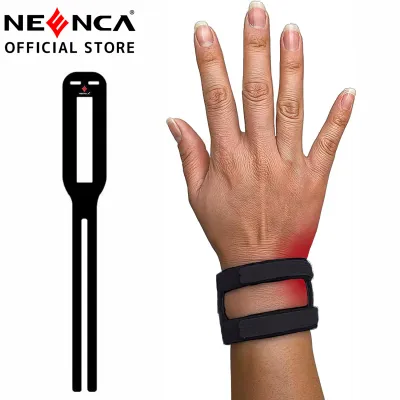
To determine the right support, you must first pinpoint where the pain originates and what physical actions make it worse. Ulnar-sided wrist pain occurs on the outer edge of your wrist, aligned with your pinky finger. This area houses the Triangular Fibrocartilage Complex (TFCC), a crucial load-bearing structure. If you feel a sharp ache or a clicking sensation when turning a doorknob, pouring water from a kettle, or pushing yourself up from a chair, these are classic indicators of an ulnar-sided issue.
Products mentioned in this guide
Prices are valid at publication and may change. Please refer to the product page for the latest price.
In contrast, generalized wrist pain often presents differently. Discomfort on the palm side (palmar) or the back of the hand (dorsal) usually points to tendon strain, repetitive stress injuries, or nerve compression. For instance, carpal tunnel syndrome typically causes tingling, numbness, or a dull ache that radiates into your thumb and first three fingers, rather than localized pain on the pinky side. General joint stiffness or swelling after a long day of typing also suggests a broader strain that requires overall stabilization rather than highly targeted pressure.
While self-assessment is a helpful starting point for choosing temporary support, certain symptoms require immediate professional attention. You should halt any self-treatment and consult a healthcare professional if you experience severe swelling, visible deformity, or an inability to move your fingers. Numbness that does not go away, extreme pain after a sudden fall, or a feeling of complete joint instability are also critical signs that require a formal medical evaluation rather than a retail support device.
How a WristWidget Addresses Ulnar-Sided and TFCC Discomfort
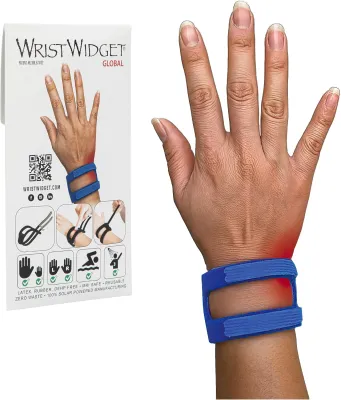
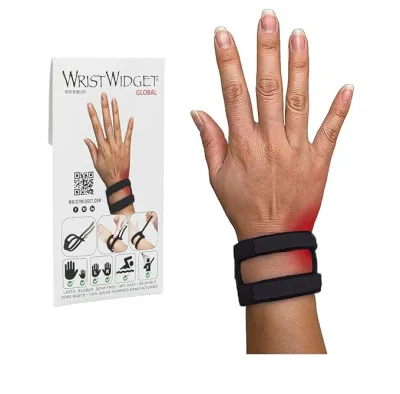
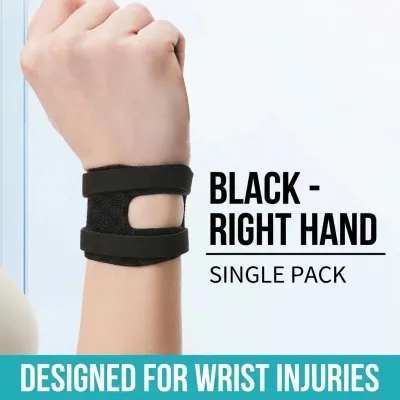
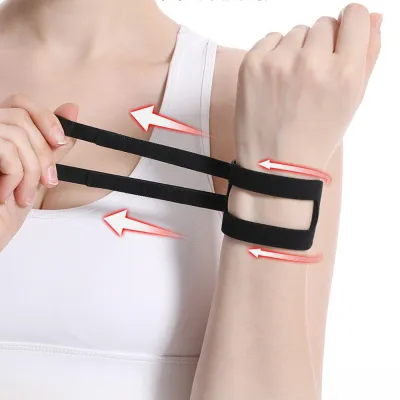
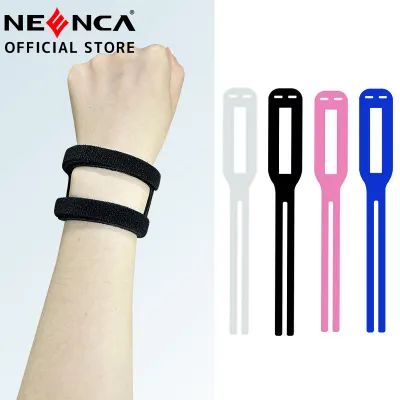
The WristWidget is a highly specialized tool designed specifically for the unique anatomy of the ulnar side of the wrist. Unlike traditional wraps, it features a dual-strap design that loops around the ulnar styloid—the bony bump on the pinky side of your wrist. By doing so, it applies targeted compression to the distal radioulnar joint, effectively holding the radius and ulna together. This targeted pressure mimics the stabilizing function of a healthy TFCC, allowing the damaged tissue to rest and recover without completely immobilizing your entire hand.

This specific mechanical support is highly beneficial for individuals who participate in activities requiring repetitive rotation or heavy gripping. Athletes who play racquet sports, golf, or badminton often face intense rotational forces that stress the ulnar joint. Similarly, weightlifters performing cleans or overhead presses put immense pressure on extended wrists. By wearing a targeted TFCC band, you can stabilize the specific joint space while maintaining full mobility of your hand, fingers, and the rest of your wrist joint.
Before purchasing a WristWidget or a similar targeted strap, it is essential to verify the product specifications to ensure it matches your physical needs. Check the manufacturer’s sizing guidelines, as proper fit is crucial for the dual-strap mechanism to align correctly with your ulnar styloid. Review the material composition to ensure it is breathable and skin-friendly, especially if you plan to wear it during sweaty workouts. Additionally, inspect the care instructions; most high-quality sports supports require gentle hand washing and air drying to preserve the elasticity of the hook-and-loop fasteners.
When a Standard Wrist Brace Is the Right Solution
A standard wrist brace is the appropriate choice when your wrist requires broad stabilization rather than localized, pinpoint compression. These traditional supports are designed for general sprains, mild tendonitis, and conditions like carpal tunnel syndrome. If your daily routine involves repetitive typing, assembly line work, or light lifting that causes a dull, aching sensation across the entire wrist joint, a standard brace helps distribute the physical load evenly across the hand and forearm.
The primary benefit of a standard wrist brace lies in its ability to restrict movement. Many of these braces feature rigid or semi-rigid splints made of metal or plastic, positioned along the palm or the back of the hand. By limiting flexion and extension, the brace prevents you from accidentally bending your wrist into painful positions, especially during sleep. Furthermore, the full-wrap design provides thermal retention, which can help soothe stiff muscles and promote blood flow to the entire joint area.
When selecting a standard brace, prioritize daily comfort, breathability, and how well the design matches your routine. In Singapore’s warm and humid climate, choosing lightweight, moisture-wicking fabrics is especially important to prevent heat buildup and skin irritation under the brace. If you need to wear the brace during office work, look for low-profile designs that allow your fingers to move freely on a keyboard. Ensure the closure system allows you to adjust the tension easily, so you can loosen the brace during rest periods and tighten it when performing tasks that require extra stability.
Decision Matrix: Matching Your Symptoms to the Correct Support
To help you decide which support to choose, consider this straightforward symptom checklist. If your pain is localized strictly to the pinky side, worsens with forearm rotation, and your fingers feel normal, a WristWidget or a similar TFCC strap is the logical starting point. If your pain is spread across the entire wrist, accompanied by numbness or tingling in your fingers, or worsens when bending your wrist up and down, a standard wrist brace with a stabilizing splint is the more suitable option.
| Observable Symptom | Likely Support Needed | Primary Goal of Support |
|---|---|---|
| Pain on the pinky-finger side during rotation | Targeted TFCC Strap (e.g., WristWidget) | Stabilize the distal radioulnar joint without restricting flexion |
| Generalized aching, swelling, or stiffness | Standard Wrist Brace | Distribute compression evenly across the entire joint |
| Tingling or numbness in thumb and index fingers | Splinted Wrist Brace | Restrict wrist bending to relieve nerve pressure |
| Pain when pushing up from a chair or floor | Targeted TFCC Strap | Support weight-bearing on an extended wrist |
Before buying either device, take accurate measurements of your wrist circumference. For a targeted strap, measure directly over the wrist joint, ensuring the tape measure is snug but not tight. For a standard brace, you may need to measure both your wrist circumference and the distance from your palm to your mid-forearm to ensure the splint length is appropriate. Proper sizing prevents the device from slipping during movement or cutting off circulation.
Always remember that supportive gear is designed to manage symptoms and assist your recovery journey; it is not a permanent cure for structural damage. While a strap or brace can reduce discomfort during daily tasks, it cannot repair a severely torn ligament or reverse chronic joint degeneration. For long-term recovery, combine the use of supportive gear with a professional medical assessment and a targeted physical therapy routine to rebuild strength and flexibility in your wrist.
Frequently Asked Questions (FAQ)
Can I wear a WristWidget and a regular wrist brace at the same time?
Layering a WristWidget and a standard wrist brace simultaneously is generally not recommended due to the high risk of over-compression. Wearing both devices can severely restrict blood circulation, cause skin irritation, and lead to nerve compression in your hand. If you feel you need both targeted ulnar support and overall wrist immobilization, consult a physical therapist or orthopedic specialist to discuss a customized bracing strategy or a single, specialized device that meets both needs safely.
How tight should a WristWidget be to relieve TFCC pain?
A WristWidget should be adjusted to provide firm, supportive compression without causing discomfort or restricting blood flow. When properly fitted, the strap should feel secure during movement, but you should not experience any numbness, tingling, coldness, or color changes in your fingers. Always follow the specific tensioning and adjustment instructions provided on the product label, and loosen the straps immediately if you notice any signs of restricted circulation.
Will a wrist brace cure my wrist pain permanently?
No, a wrist brace or support strap will not permanently cure your wrist pain. These devices are designed to provide temporary symptomatic relief, stabilize the joint during physical activity, and protect healing tissues from further strain. To achieve permanent relief and prevent future injuries, you must address the root cause of the pain. This typically involves obtaining a professional medical diagnosis, modifying repetitive daily habits, and performing targeted rehabilitation exercises to strengthen the surrounding muscles.

Community discussion
Share your experience or ask a question. Comments are reviewed before publication.