
Yes, a Xiaomi walking pad can fit comfortably in a typical Singapore HDB flat, but success depends entirely on matching the specific model’s folded and unfolded dimensions with your flat’s layout, storage clearance, and structural pathways. Rather than relying on generic “compact” marketing claims, you must systematically measure your active workout zone, storage spaces, and entryways before purchasing. Taking these steps ensures your home remains functional, safe, and free of clutter.
Quick Assessment: Evaluating Physical Compatibility
Determining whether a walking pad is compatible with your HDB flat requires looking beyond the product’s aesthetic appeal. Because HDB layouts vary significantly between older estates and newer Build-To-Order (BTO) units, a model that fits seamlessly in a spacious 5-room flat might completely block the walkway of a cozy 2-room Flexi or 3-room layout.
To make an accurate assessment, you must evaluate three distinct physical zones before making a purchase. First is the active usage footprint, which is the total floor area required when the machine is unfolded and running. Second is the storage footprint, representing the space the unit occupies when folded and tucked away. Third is the delivery pathway, which covers the route the delivery team or you must take to transport the machine into your home.
Products mentioned in this guide
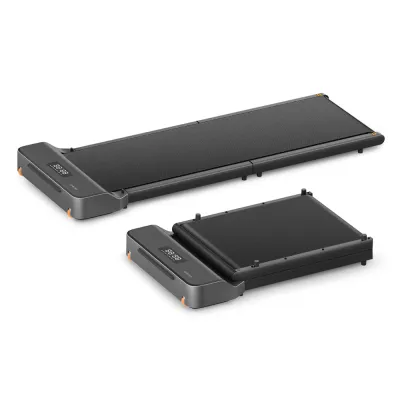
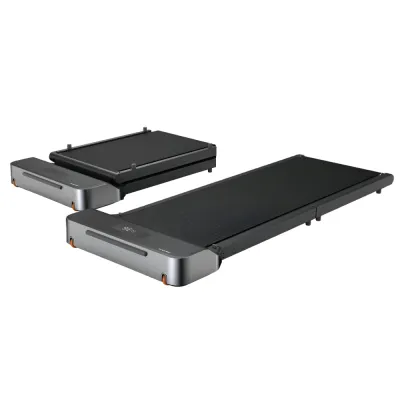
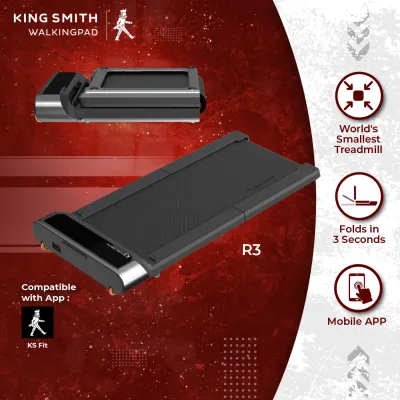
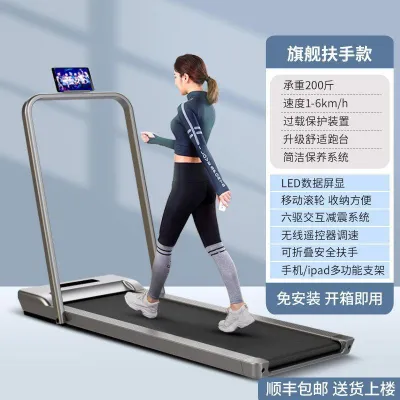
Prices are valid at publication and may change. Please refer to the product page for the latest price.
Assuming that a “compact” or “foldable” label guarantees an effortless fit is a common mistake. Some models fold completely in half, while others only fold at the handlebar or do not fold at all, meaning their storage requirements differ drastically. Measuring your home beforehand prevents the frustration of owning a bulky piece of equipment that ends up blocking your living room or bedroom traffic.
Measuring Your HDB Layout for Safe Usage
To ensure safe and comfortable workouts, you must measure your intended exercise area with a physical measuring tape rather than relying on visual estimation. The active usage space must accommodate more than just the physical frame of the walking pad. You need to factor in your natural stride length and arm swing, ensuring you do not hit nearby walls, TV consoles, or dining tables while walking at higher speeds.

Safety guidelines generally recommend leaving a clear zone of at least 0.5 meters on both sides of the walking pad and at least 1 to 1.5 meters of open space directly behind the belt. This rear clearance is critical; if you lose your balance or need to dismount suddenly, a clear space behind the machine prevents you from falling backward into hard furniture or walls.
Next, map out the delivery and transit pathway within your flat. Measure the width of your HDB main door frame, internal bedroom door frames, and the elevator cabin doors. Walking pads are shipped in bulky, heavily padded protective boxes that are wider and longer than the machine itself, so ensuring these entry points have sufficient clearance prevents delivery day complications.
Power access is another crucial structural consideration for your layout. Walking pads must be plugged directly into a grounded wall socket to ensure stable electrical current and safe operation. Avoid stretching the power cord across high-traffic walkways, as this creates a severe tripping hazard for family members and can damage the cord over time.
Verifying Xiaomi Walking Pad Dimensions and Clearances
Before finalizing your purchase, locate the official manufacturer specification sheet for the specific Xiaomi walking pad model you are considering. Compare the manufacturer’s stated unfolded length, width, and height against the measurements you took of your active workout zone. Pay close attention to the belt width as well, ensuring it matches your body size and walking comfort.
Weight and portability specifications are equally important to verify. These machines can weigh anywhere from 20kg to over 40kg, which can be challenging to lift or shift manually. Check the product specifications to confirm if the model includes integrated transport wheels on the base, which allow you to roll the unit across your flat rather than lifting it.
Additionally, check the manufacturer’s guidelines regarding clearance for motor ventilation and belt alignment. The motor housing, typically located at the front of the unit, requires open space around it to dissipate heat during long walking sessions. Keeping this area clear of curtains, dust ruffles, or tight furniture corners prevents the motor from overheating and extends the lifespan of the machine.
Practical Storage and Layout Solutions for Small Flats
Finding the right storage solution is key to maintaining a tidy, spacious HDB flat when the walking pad is not in use. If you plan to store the unit under furniture, measure the vertical clearance under your sofa or bed frame. Keep in mind that the motor housing at the front of the walking pad is often thicker than the running deck, so use the maximum folded height specification to ensure it slides under smoothly.
For flats with limited floor space, vertical storage is an excellent alternative. However, you must verify in the user manual whether your specific model is officially approved for upright storage. Models designed for vertical storage often feature dedicated standing feet or balancing bars; if yours does, ensure it is placed on a stable surface and secured with a safety strap to prevent it from tipping over onto children or pets.
Creating a multi-purpose zone is another highly effective way to integrate a walking pad into a small apartment. Placing the machine under a standing desk in a study corner allows you to walk while working, maximizing your floor plan. When setting up this zone, position the equipment so it does not block natural light from windows or obstruct the airflow from your air conditioning units and fans.
Managing Noise, Flooring, and Safety in HDB Flats
Living in close proximity to neighbors in an HDB block means you must take steps to manage noise and vibration. The mechanical hum of the motor combined with the rhythmic impact of your footsteps can easily travel through concrete floors to the unit below. Placing a high-density rubber equipment mat underneath the walking pad is highly recommended to absorb these vibrations and keep your workouts neighbor-friendly.
An equipment mat also serves as essential protection for your flooring. The heavy weight of the walking pad, combined with the pressure of your movement, can easily scratch, dent, or discolor sensitive flooring materials like vinyl, laminate, or parquet. A durable mat acts as a protective barrier against mechanical wear and catches sweat droplets during intense sessions.
Finally, ensure the floor where you place the walking pad is perfectly level. Older HDB flats or poorly renovated floors may have slight slopes, which can cause the running belt to drift to one side during use. Use a spirit level to check the surface, and adjust the leveling feet on the bottom of the walking pad to ensure a stable, wobble-free foundation before you start walking.
Frequently Asked Questions (FAQ)
Do I need an equipment mat for my walking pad in an HDB?
Yes, using a high-density equipment mat is highly recommended when operating a walking pad in an HDB flat. The mat dampens the motor vibrations and footstep impacts that would otherwise travel through the concrete floor, helping to maintain good relations with your downstairs neighbors. Additionally, the mat protects your vinyl, laminate, or parquet flooring from scratches, pressure marks, and sweat, while providing extra grip to keep the machine from sliding during use.
Can I store a Xiaomi walking pad upright against the wall?
Only store your walking pad upright if the user manual for your specific model explicitly states it is designed for vertical storage. Some models feature built-in standing hinges and front rollers designed to support the unit’s weight vertically, while others must be stored flat to prevent damage to the internal frame or motor. If your model supports vertical storage, always place it on a level surface away from high-traffic areas, and use a wall anchor or safety strap to prevent tipping.
Community discussion
Share your experience or ask a question. Comments are reviewed before publication.